From Idea to the Oscar Shortlist: Estonian Animator Sander Joon Reflects on the Creative Evolution of Sierra at the Viborg Animation Festival

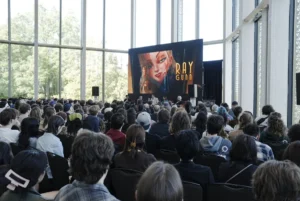
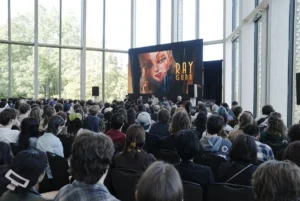
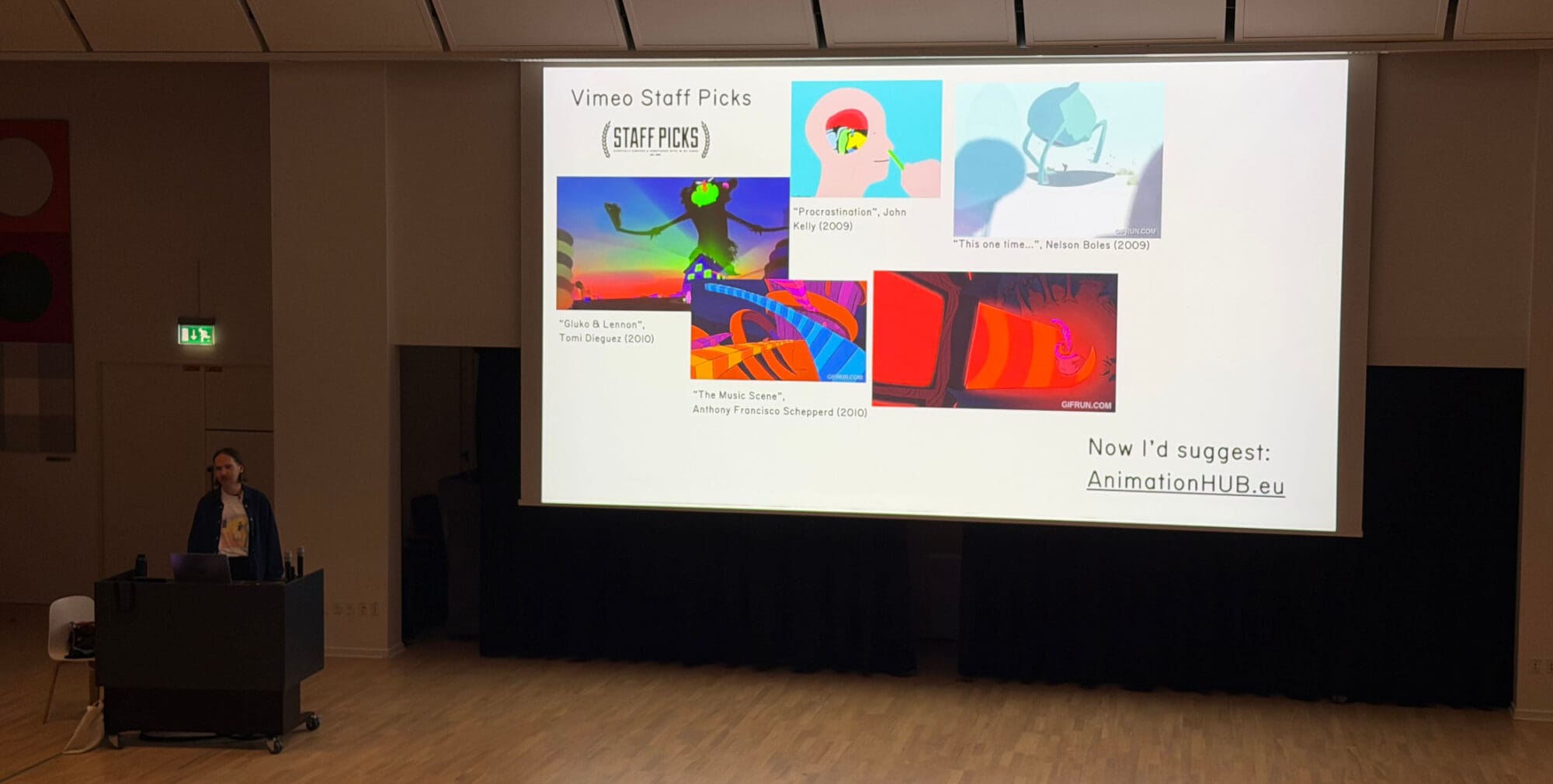
The Viborg Animation Festival, a cornerstone of the Nordic animation landscape held annually in the historic Danish city of Viborg, recently played host to a masterclass that demystified the often-opaque process of international film production. Estonian filmmaker Sander Joon, whose short film Sierra reached the prestigious Academy Award shortlist, took to the stage to present a retrospective titled From Idea to the Oscar Shortlist. Addressing a capacity crowd at the festival, Joon offered a candid, technical, and deeply personal exploration of the iterative nature of animation, framing the journey of a creator as one defined more by constant revision than by linear progression.
The festival itself, which has grown into a significant hub for animation professionals, educators, and enthusiasts, serves as a vital platform for discourse within the industry. By providing a venue for artists like Joon to unpack their failures and technical experiments alongside their successes, the festival continues to bridge the gap between academic study and the competitive realities of the global film circuit.
The Genesis of a Creative Philosophy
Joon’s approach to animation is rooted in a childhood fascination with the mechanics of movement. Long before the era of high-end digital rendering suites, his early experiments were conducted using rudimentary tools, including Microsoft Paint and physical flipbooks. This foundational period established a persistent drive: the desire to see static imagery transformed into fluid motion, specifically to evoke emotions unique to the medium of animation.
This instinct has matured into a sophisticated, hybrid methodology. In his professional practice, Joon frequently employs a cross-pollination of techniques, utilizing 2D, computer-generated imagery (CG), and stop-motion. A notable aspect of his workflow involves the deliberate subversion of software capabilities. For instance, in his exploration of digital strata-cut animation—a technique traditionally associated with the physical carving of clay blocks—Joon utilizes Blender not for its intended purpose, but as a simulated environment to replicate the tactile results of analog claymation. By creating custom tools within the software, he effectively treats digital space as a physical workshop, prioritizing the final aesthetic outcome over the standard operational logic of the programs he employs.
Chronology of an Evolving Career
The progression of Joon’s career can be categorized into three distinct phases of development, each marked by a significant shift in technical execution and thematic depth.
- The Hand-Drawn Period (The Student Years): During his early academic career, Joon produced the short film Velodrool. This work served as an intensive exploration of traditional hand-drawn techniques on paper. While Joon has since moved toward more efficient digital workflows, he maintains that the specific quality of the hand-drawn line remains difficult to replicate through digital emulation.
- The Integration of Sound: With the production of Sounds Good, Joon began to shift his focus toward the architectural role of sound design. He discovered that audio could function as a structural “glue,” allowing him to bridge disjointed visual sequences that would otherwise lack narrative cohesion. This discovery was critical, as it empowered him to suggest complex actions off-screen, thereby streamlining the animation process while enhancing the viewer’s immersion.
- The Professional Expansion (The Sierra Era): The development of Sierra represented his most significant challenge. As his first professionally funded film, the project demanded a level of structural rigor that his previous, more experimental works did not require. The production timeline was marked by intense scrutiny from financiers and consultants, forcing a pivot from an abstract, surrealist vision to a more character-driven narrative.
Analytical Insight: The Mechanics of Narrative Rejection
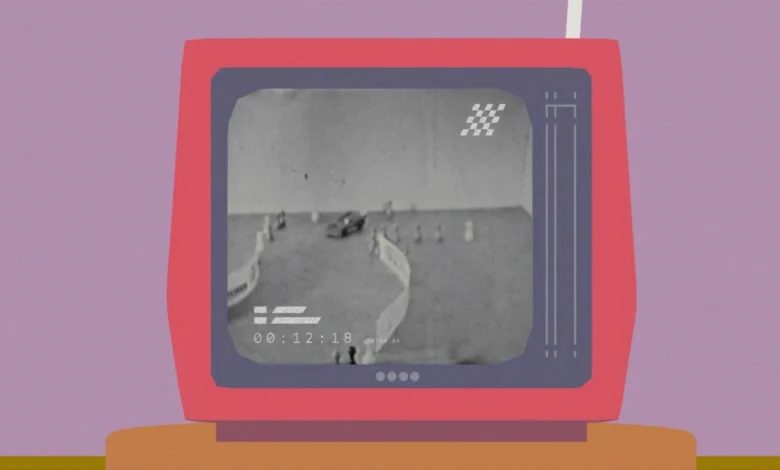
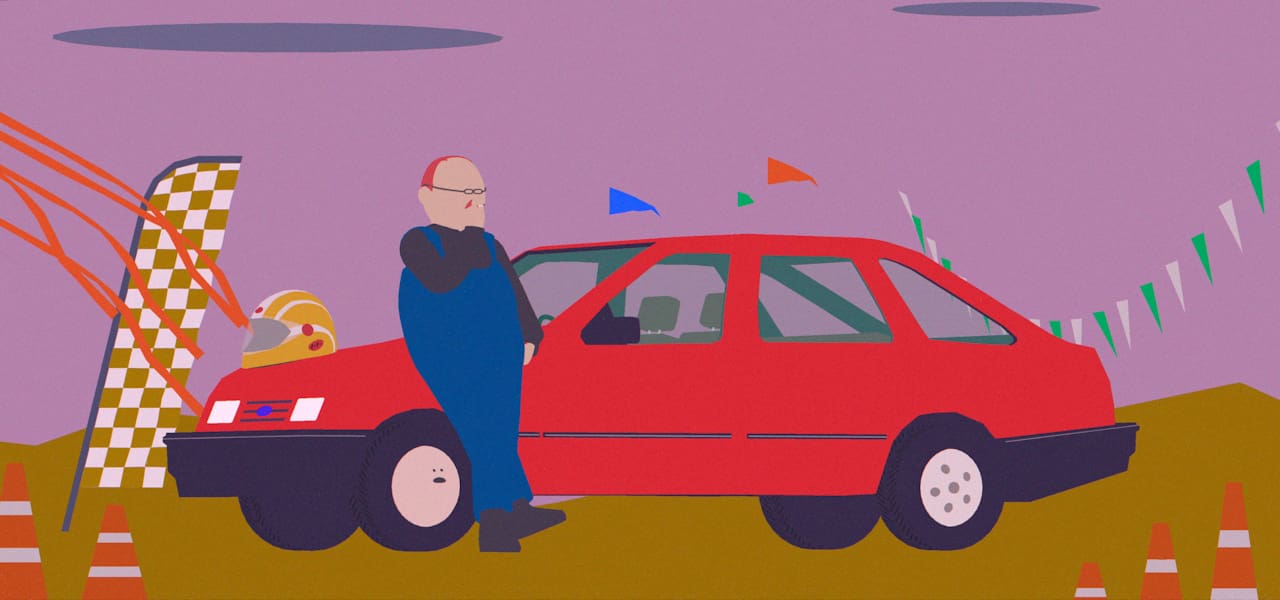
The development of Sierra provides a compelling case study in the role of professional feedback in creative growth. Initially, the project existed as a loosely connected series of vignettes inspired by rally racing and childhood memories. During the development phase, feedback from producers highlighted a fundamental issue: the absence of a discernible protagonist and a clear emotional anchor.
In the industry, the transition from an abstract concept to a marketable, festival-ready short often requires the sacrifice of “darling” ideas. For Joon, the realization that he needed to ground the surrealist elements of Sierra within a recognizable parent-child relationship was the catalyst for the film’s eventual success. This transition underscores a broader trend in independent animation: the movement toward projects that balance technical ingenuity with universal human themes, such as generational expectations and the struggle for identity.
Joon’s experience also highlights the practical constraints of production. When the final budget for Sierra was lower than the initial projected amount, the necessity for a simplified visual language became a creative asset. By removing shadows and focusing on basic geometric shapes, the production not only became more manageable but also gained a distinct visual identity that allowed for a greater emphasis on the kinetic energy of the animation.
Broader Industry Implications
The trajectory of Sander Joon’s career and the success of his work on the international festival circuit offer several insights into the state of the contemporary animation industry:
- The Persistence of Hybridity: Modern animation is increasingly defined by the blurring of lines between analog and digital. The ability to use software in non-standard ways is becoming a hallmark of successful independent filmmakers who seek a unique visual signature.
- The Importance of Iterative Development: The rejection of early drafts is not merely an obstacle but a necessary component of professional development. The case of Sierra illustrates that even for projects that eventually garner critical acclaim, the path is often defined by confusion, multiple revisions, and the strategic abandonment of early, non-essential ideas.
- Sound as a Narrative Tool: As digital animation techniques become more accessible, the mastery of sound design has emerged as a key differentiator. The ability to create a cohesive emotional experience through sound, as evidenced in Joon’s work, is a critical skill for directors working in short-form media.
Conclusion: Looking Beyond the Shortlist
While Joon opened his masterclass by jokingly describing the title as “clickbait,” the substance of his presentation provided a stark reality check for aspiring animators. The path to the Oscar shortlist is not a set of instructions, but a process of relentless refinement. By sharing his history of abandoned drawings, technical failures, and the candid admission of his own initial confusion during the production of Sierra, Joon provided a realistic look at the rigors of the industry.
The Viborg Animation Festival’s decision to feature this retrospective underscores the importance of institutional support for the creative process. By fostering an environment where artists can discuss the “how” and “why” behind their work—rather than just the accolades—the festival contributes to a more transparent and sustainable culture for the next generation of animators. As the industry continues to evolve, the lessons derived from projects like Sierra suggest that the most enduring work is often that which is born from the intersection of technical experimentation and deeply personal, emotional inquiry. The success of the film, ultimately, is a testament to the value of persistence and the necessity of finding a clear, singular voice within an often overwhelming landscape of digital possibilities.