TikTok Shop Ignites a New Frontier for Food and Beverage Giants, Reshaping Innovation and Consumer Engagement

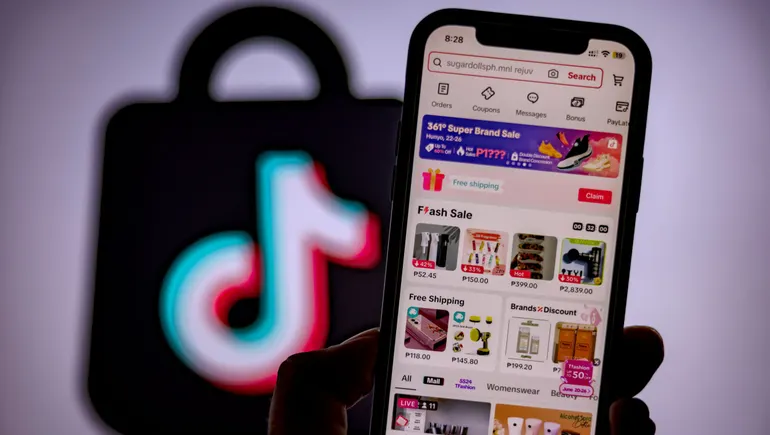
TikTok’s burgeoning in-app shopping system is rapidly emerging as a pivotal battleground for food and beverage companies, drawing significant engagement from industry titans such as PepsiCo, Mars, and Hershey. This shift signals a fundamental reorientation in how major brands approach consumer interaction, product innovation, and direct-to-consumer sales within the dynamic landscape of social media. The platform, known for its viral trends and short-form video content, is now positioning itself as a formidable e-commerce player, particularly within the lucrative food category.
The Rise of Discovery Commerce and TikTok Shop’s Explosive Growth
TikTok Shop’s food category sales have more than doubled year-over-year, according to internal company data, underscoring its rapid ascent as a critical growth channel for food manufacturers. This explosive growth is not merely about selling products; it’s about leveraging the platform’s unique ecosystem to inform innovation strategies and respond with unprecedented speed to internet phenomena like "Dubai chocolate" or the craze for freeze-dried candies. The platform’s success is rooted in what it terms "discovery commerce," a model where purchase intent is organically sparked by content rather than initiated through direct search. This paradigm shift differentiates it from traditional e-commerce, where consumers typically arrive with a specific product in mind.
In 2023, the platform witnessed over 103 billion searches from U.S. users expressing an intent to purchase, a testament to the evolving consumer journey. Total transaction volume on TikTok Shop surged by nearly 80% year-over-year, with enterprise brand sales climbing an impressive 97%. These figures highlight not only the platform’s growing commercial viability but also its increasing influence on the broader retail ecosystem. The global social commerce market, valued at approximately $724 billion in 2023, is projected to reach over $3.7 trillion by 2030, with platforms like TikTok leading this expansion. This exponential growth positions social media channels as indispensable components of modern retail strategies.
TikTok Shop’s Strategic Role in the CPG Landscape
Amanda Parker, TikTok Shop’s Head of Food, emphasizes the platform’s distinctive role within the consumer packaged goods (CPG) food and beverage industry. "TikTok Shop is a discovery platform driven by content — a combination of content and commerce," Parker explains. "We’re taking what was once just inspiration and allowing for a direct opportunity to purchase, all within one system. That translates to a much shorter path to purchase for consumers discovering a totally new brand or a new product from one they already know and love."
This integrated approach offers a direct conduit between engaging content and immediate conversion, a significant departure from traditional marketing funnels. For emerging brands, TikTok Shop provides a low-barrier entry point to market, potentially circumventing the need for immediate retail partnerships to achieve substantial trial and sales. Conversely, legacy brands, some with a century-long history, are discovering new audiences and revitalizing interest in existing product lines. The platform also serves as an ideal launchpad for product innovations or exclusive offerings, allowing brands to test market acceptance and generate buzz rapidly.
The Anatomy of Success: What Works on TikTok Shop
Given TikTok’s inherently visual nature, products that excel on the platform tend to be visually compelling, from their packaging aesthetics to their usage occasions. Parker notes, "If there’s something interesting in the texture of a protein bar that can be pulled apart on camera, that’s going to be compelling. I like to joke that we don’t have smell-o-vision or taste-o-vision quite yet, but visuals are what drive intrigue. Cultural relevance matters, too." This visual emphasis means that items that can be dramatically showcased, demonstrated, or that elicit strong, camera-friendly reactions often go viral.
Trends such as "candy salad" — where various candies are mixed and presented artfully — and the aforementioned "Dubai chocolate," characterized by its unique texture and visual appeal, thrive due to their quick capture potential. Products with novel form factors or extreme flavors, like super spicy or intensely sour items, are particularly effective as they provoke strong, shareable reactions. Functional foods and beverages, whose benefits can be clearly articulated and aligned with a creator’s health and wellness narrative, also perform exceptionally well. Ultimately, any product capable of "stopping the scroll" — captivating user attention in a crowded feed — is primed for success.
Accelerated Innovation: TikTok’s Impact on Product Development Cycles
One of the most profound impacts of TikTok on the food and beverage industry is the dramatic acceleration of product innovation cycles. The platform acts as a real-time laboratory for trends, rapidly moving from organic content phenomena to swift commercialization and, eventually, mainstream product development. Parker cites the example of "popped candies," a trend that originated organically through user-generated content. Early adopters and agile, TikTok-native brands were quick to commercialize this concept. Subsequently, established brands like Skittles innovated on this trend, launching their own "popped" product line as an exclusive on TikTok Shop, effectively bringing the innovation full circle to where the trend began.
This rapid cycle — from content trend to quick commercialization by smaller brands, followed by accelerated product development by larger players — is fundamentally reshaping how food and beverage companies approach innovation. It influences the speed of new product launches, the sources of inspiration for these innovations, and strategies for line extensions. Retailers themselves are increasingly monitoring TikTok trends, actively seeking out brands that can quickly capitalize on these emerging consumer demands. The ripple effect extends across the entire industry, dictating new rhythms for research and development, supply chain responsiveness, and marketing agility. The traditional product development timeline, often stretching years, is being compressed into months or even weeks for trend-driven items.
Best Practices for Brands Navigating TikTok Shop
For brands looking to maximize their potential on TikTok Shop, several strategic imperatives emerge. Foremost is the selection of visually appealing, content-forward products that are easy for creators to demonstrate. This prioritizes items that translate well into short, engaging videos. Agility is another critical factor. The platform operates in a constantly evolving environment, and brands must be prepared to scale rapidly if a product taps into a trend or goes viral. While predicting virality is impossible, preparedness for such an eventuality is crucial.
Patience is also key, as gaining traction often requires sustained effort. Beyond immediate sales, brands should view TikTok Shop as an invaluable channel for rapid feedback. The direct interaction with consumers through comments and reviews offers a faster feedback loop than many traditional channels. Brands are encouraged to use the platform for product launches, trials, and direct engagement with their community, understanding that investment here generates a "halo effect" across all other omnichannel business operations. The insights gained from direct consumer interaction and trend observation on TikTok can inform broader marketing campaigns and product strategies.
The Power of Authenticity: Creator-Led Content
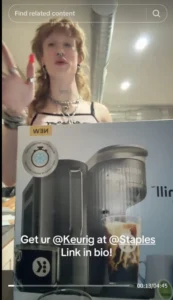
In the TikTok ecosystem, authentic, direct-relationship content from individual creators consistently outperforms traditional, highly polished advertising. Users on the platform place a high degree of trust in creator recommendations, which are integral to the discovery cycle. This preference stems from the perception that creator-led content offers a more genuine, "living room-type recommendation experience." While high-quality production is valued, it’s not necessarily the slick, corporate advertising aesthetic that resonates most. Instead, content that feels organic, relatable, and trustworthy fosters deeper engagement and drives conversion. This necessitates a shift in marketing budgets and strategies, prioritizing collaborations with authentic creators over traditional ad placements.
Strategic Assortment and Avoiding Common Pitfalls
Effective assortment strategy is paramount for success on TikTok Shop. Brands typically see the most success by featuring a "hero product" complemented by variety packs and bundles. Variety packs, for instance, allow consumers to sample multiple flavors, enhancing discoverability and encouraging initial trial. Additionally, integrating "tentpole moments" — seasonal products and limited-time offerings — alongside always-on core products creates a dynamic sales cadence. This blend of consistent availability and periodic novelty maximizes engagement and sales.
A common pitfall brands encounter is expecting TikTok Shop to operate identically to other e-commerce or social media channels. Parker cautions, "It’s not just social media, it’s not just DTC — it’s a unique combination of both." Brands with prior experience in TikTok advertising or content creation must understand that TikTok Shop requires a distinct, yet integrated, strategy. Viewing Shop and the broader TikTok platform as disconnected entities is a mistake. Instead, strategies for TikTok Shop should be seamlessly linked with overall media spend and content strategies, as the platform functions as a closed-loop system where investments cascade throughout the entire business. Misinterpreting this interconnectedness can lead to suboptimal performance and missed opportunities.
Broader Implications and the Future of Social Commerce
The ascent of TikTok Shop signals a significant inflection point for the food and beverage industry, mirroring broader trends in social commerce. For CPG giants, this means re-evaluating long-standing relationships with traditional retailers, potentially exploring a more robust direct-to-consumer (DTC) model facilitated by platforms like TikTok. While unlikely to entirely replace established retail channels, TikTok Shop offers an additional, powerful avenue for market penetration, brand building, and customer engagement.
The rapid innovation cycle fostered by TikTok challenges conventional R&D departments to become more agile, responsive, and data-driven. Supply chains must also adapt to accommodate the fluctuating demands of viral trends, requiring greater flexibility and speed in production and distribution. Furthermore, marketing departments are increasingly allocating budgets towards creator partnerships and authentic content strategies, moving away from purely top-down advertising.
Looking ahead, the integration of content and commerce is set to deepen, with platforms continually refining their shopping features, live commerce capabilities, and personalized recommendation engines. As consumer behavior increasingly shifts towards discovery-driven purchasing within immersive social environments, TikTok Shop and its counterparts are not just new sales channels; they are fundamentally reshaping the competitive landscape, pushing brands to innovate faster, engage more authentically, and embrace a fluid, responsive approach to market. The future of food and beverage commerce will undoubtedly be written, in part, on the dynamic, ever-evolving feeds of social media.