Behind the Scenes of NEONs Sci-Fi Thriller Hope: Director Na Hong-jin and Westworld VFX Discuss Bringing Extraterrestrial Terror to Rural South Korea


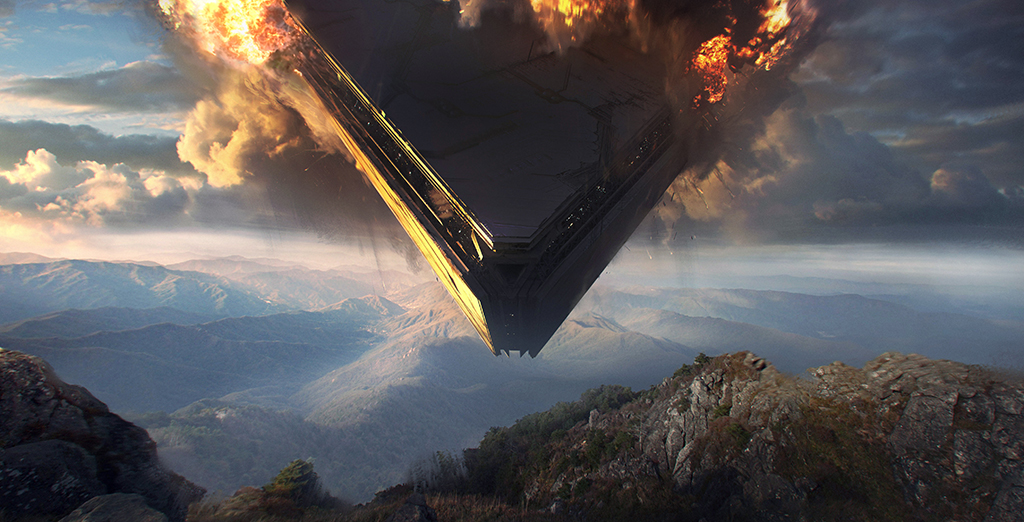
The landscape of South Korean genre cinema has long been defined by unflinching explorations of dark humor, systemic social commentary, and visceral societal violence. Visionary filmmakers such as Bong Joon-ho, Park Chan-wook, and Na Hong-jin have continually pushed the boundaries of traditional storytelling. While Na cemented his legacy in the thriller and horror landscapes with critically acclaimed features like The Chaser and The Wailing, the auteur is now expanding his creative horizons into the realm of science fiction. With NEONs upcoming feature Hope, Na ventures into extraterrestrial territory, setting a terrifying cosmic conflict within the fictional, isolated South Korean village of Hope Harbor.
Main Facts and Production Scale
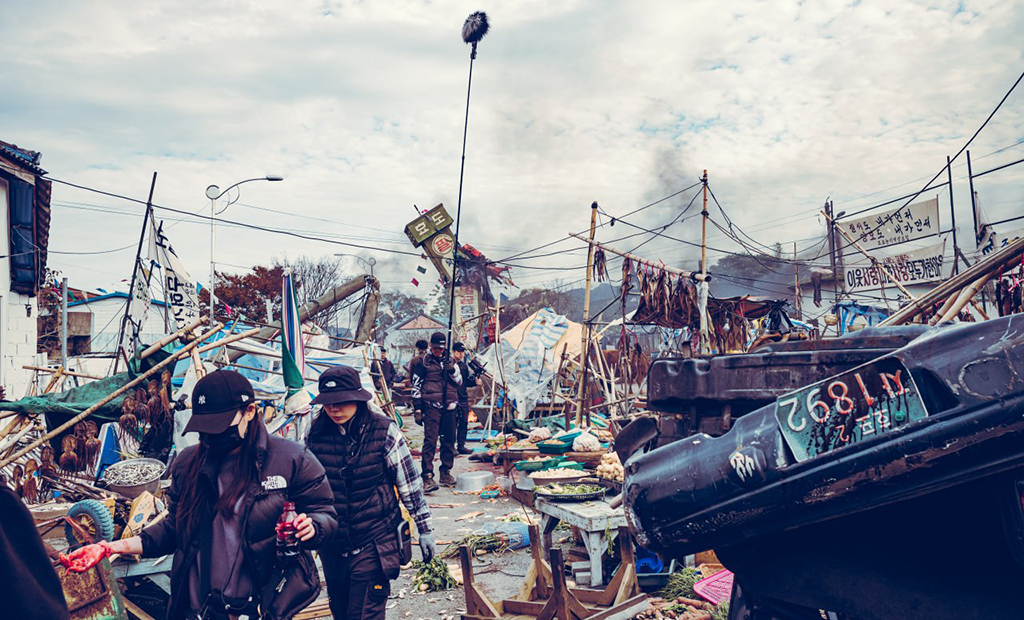
Hope represents a massive logistical and creative undertaking, merging intimate human drama with large-scale science fiction spectacle. The production utilizes a star-studded international cast and cutting-edge visual effects to tell the story of a rural community caught in the crossfire of an interstellar war. Principal photography spanned two distinct continents to achieve the films specific visual identity, with village sequences shot on location in Namchang-ri, South Korea, and forest sequences captured in Romania.

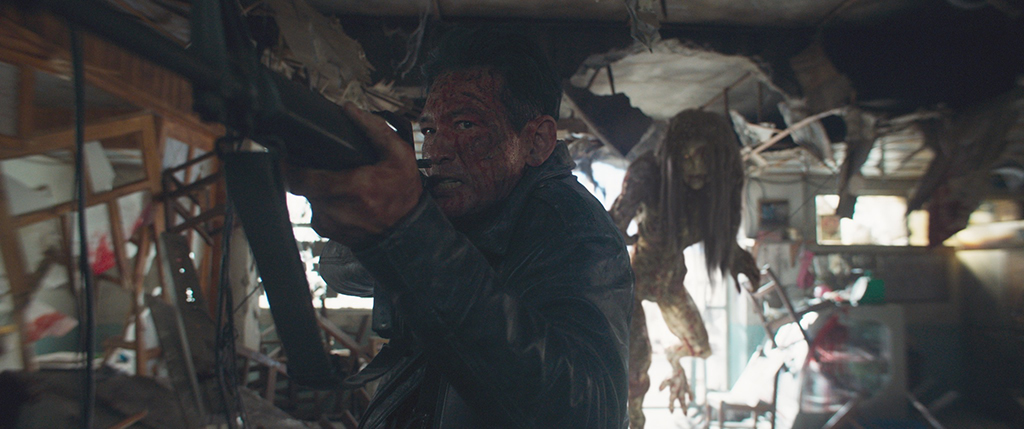
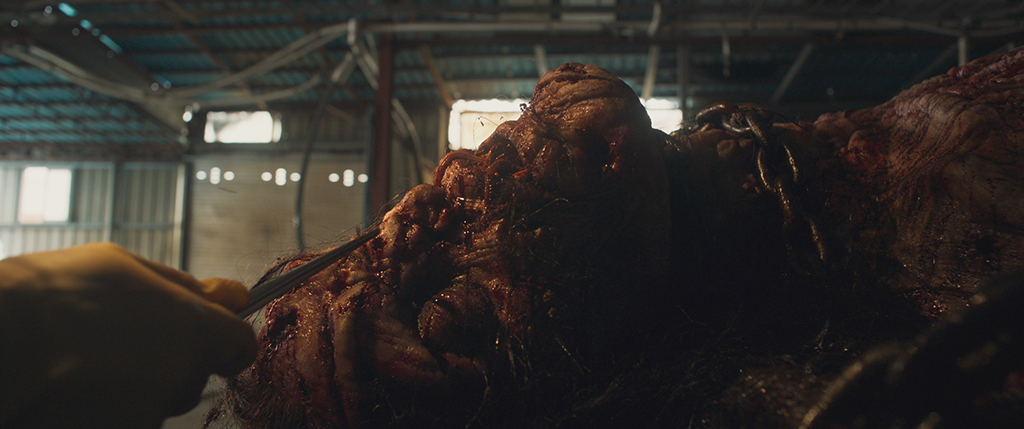
Rather than relying entirely on soundstages or digital environments, the production team integrated the fictional world into real, functioning spaces. The choice of Namchang-ri provided a gritty, authentic backdrop that contrasted sharply with the chaotic destruction of the alien incursions. The integration of high-end visual effects—handled by Westworld VFX—was essential in bringing the otherworldly antagonists and massive set pieces to life. The film features complex creature designs backed by advanced anatomical simulations, including detailed skin, muscle, tissue, bone, and blood mechanics, alongside meticulous motion-capture performances from an ensemble cast that includes Michael Fassbender, Alicia Vikander, Taylor Russell, and Cameron Britton.
Chronology and Narrative Structure: Crafting Isolation
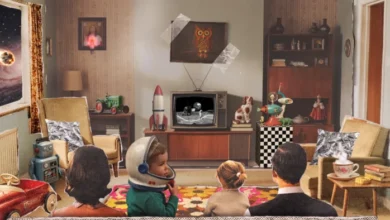
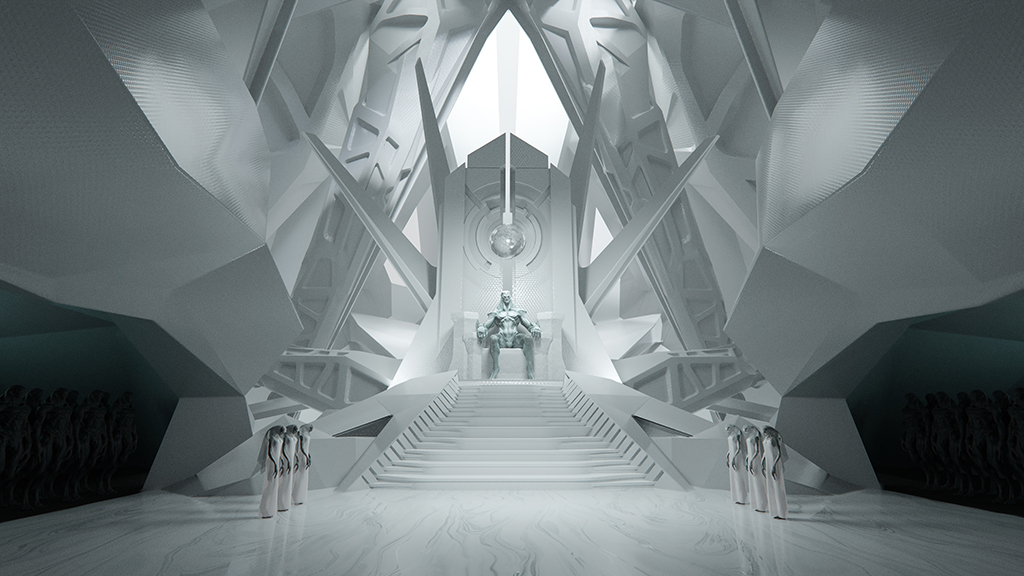
The conceptualization and execution of Hope required a meticulous approach to pacing, historical framing, and spatial design. Na Hong-jin deliberately chose to anchor the films timeline in the 1980s, a period when geopolitical and technological limitations heavily influenced regional isolation.
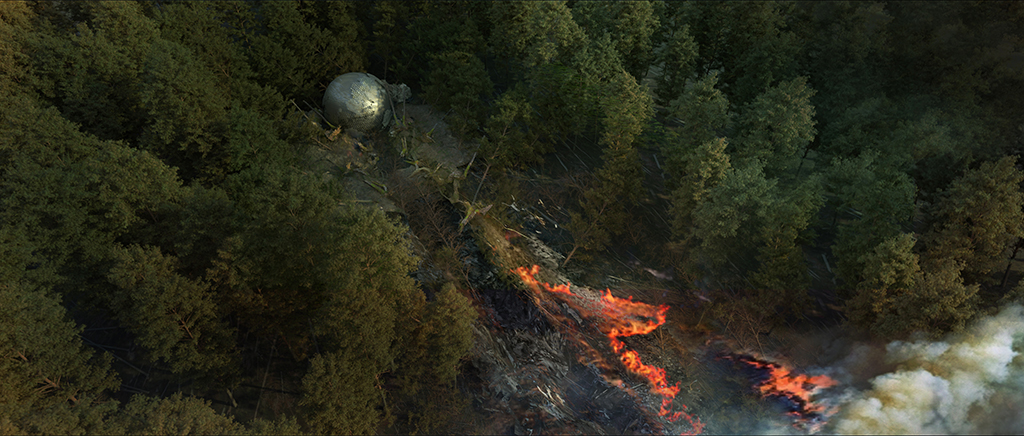
Korea is extremely geographically small, so I wanted to create a space for the film that was isolated from the rest of the world, where it would be difficult for them to receive help, Na explains regarding the creative rationale behind the setting. And it would also take time if help were to come. That area itself is the DMZ. Of course, people can visit that area now; however, in the 1980s, it was not possible. That is why we chose that timeframe for the film. It created a simpler device for us to focus on the story itself without wasting time. It helped to build the structure of the narrative.
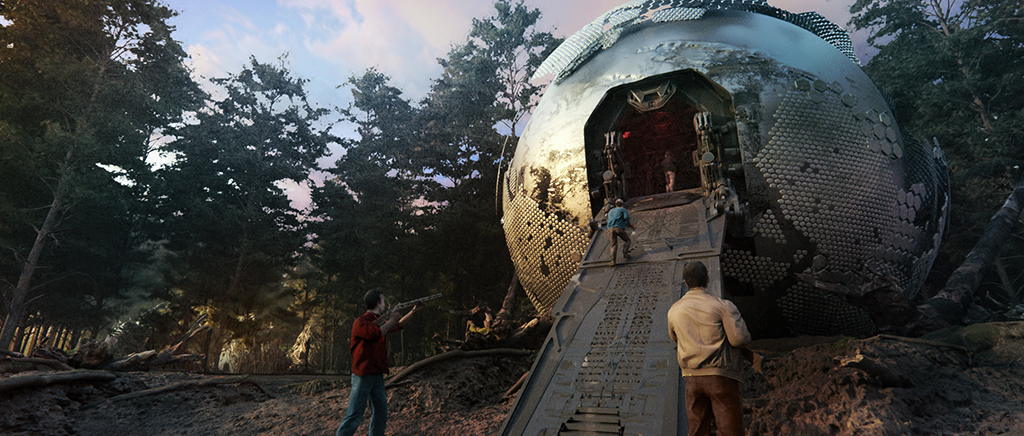
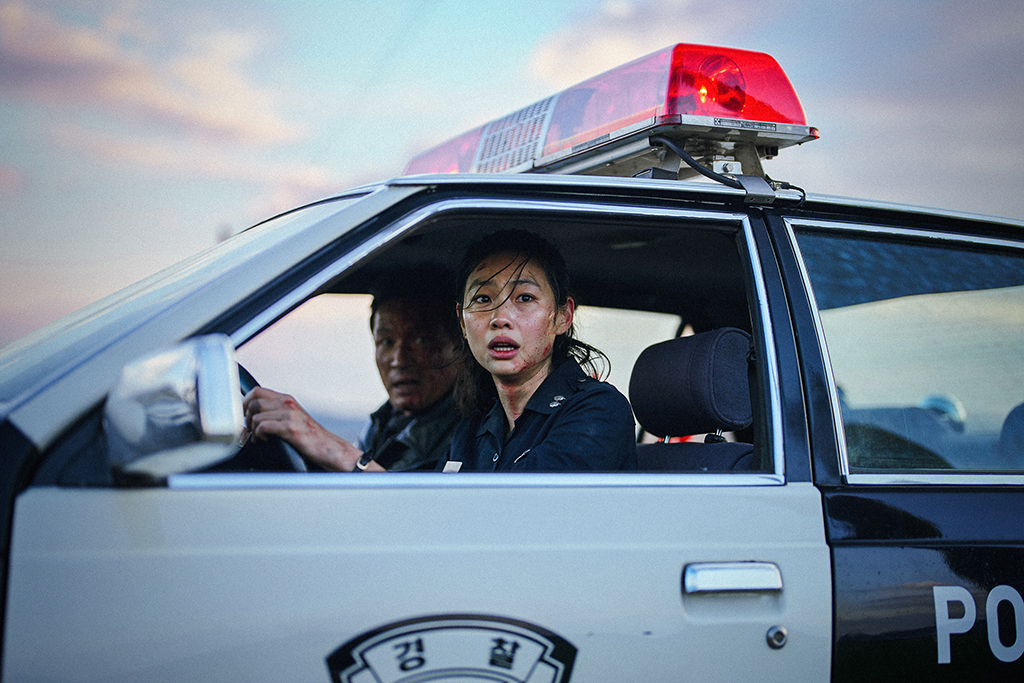
This structural focus dictated how the narrative unfolds, particularly regarding the delayed reveal of the extraterrestrial antagonists. Rather than introducing the monsters immediately, Na chose to build narrative density and detail during the first half of the film, pushing the primary alien reveal toward the midpoint. This deliberate pacing served a dual purpose: it heightened the overarching dramatic tension and amplified the impact of key character introductions, such as the dramatic entrance of rookie police officer Sung-ae, portrayed by Hoyeon of Squid Game fame.
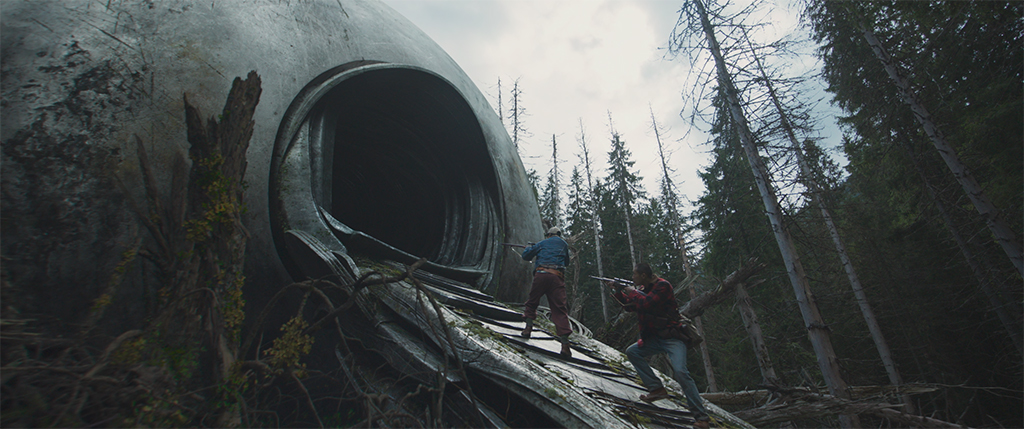
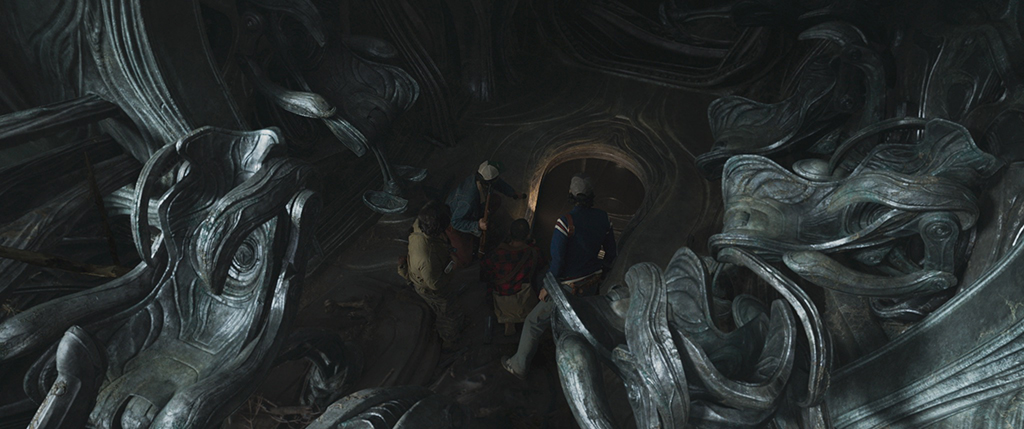
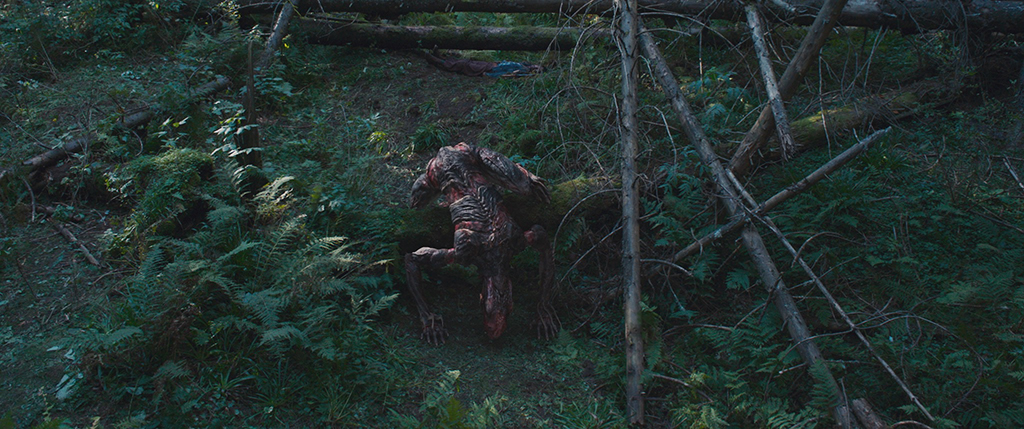
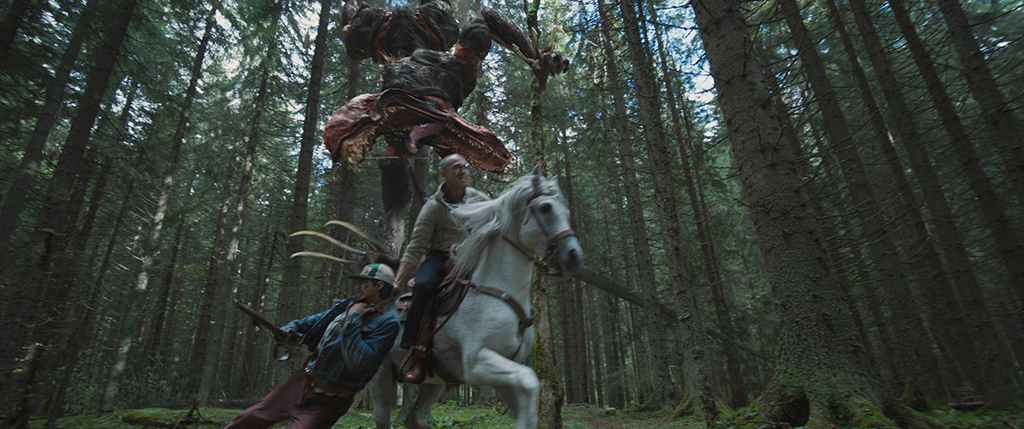
Furthermore, the film establishes a distinct territorial dichotomy between humans and aliens. The narrative deliberately avoids nighttime action sequences—saving those atmospheric moments for a potential sequel—and instead sets the primary creature encounters within the daytime forest. This creative choice establishes the forest as the de facto territory of the extraterrestrials, while the village remains the domain of humanity, creating a constant sense of transgressive territorial invasion.
Casting and Motion-Capture Methodology

To ensure the extraterrestrial antagonists felt grounded and emotionally resonant, Na bypassed traditional CGI-only creature creation in favor of high-level motion-capture performances executed by acclaimed dramatic actors. Michael Fassbender, Alicia Vikander, Taylor Russell, and Cameron Britton were cast not merely for their star power, but for their ability to convey complex, humanistic subtleties through physical performance.
Considering the creatures will be in the film for a long time, I wanted to be able to get to the core of their emotion, Na states. They are part of diverse scenes and have intricate details. The humanistic intricacies are something that I wanted to explore through these actors. That is why I decided to cast these wonderful actors because—coming down to the movement of their facial muscles—I wanted to be able to capture that.
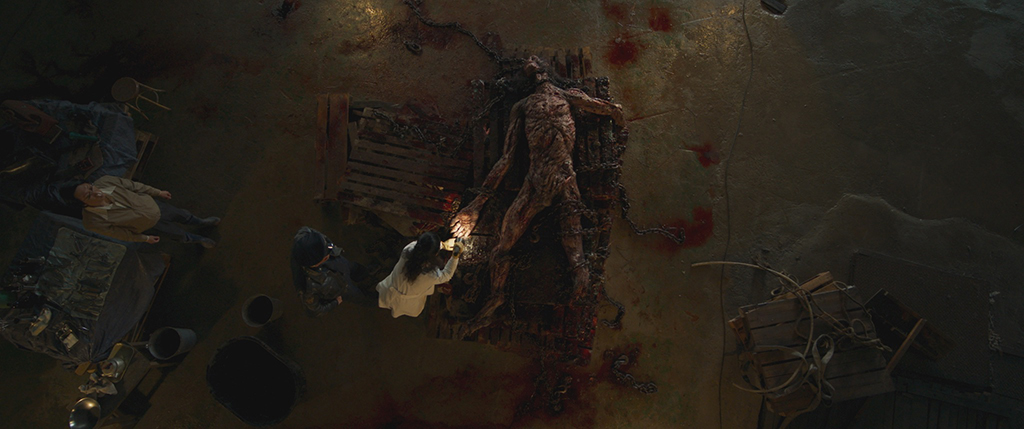
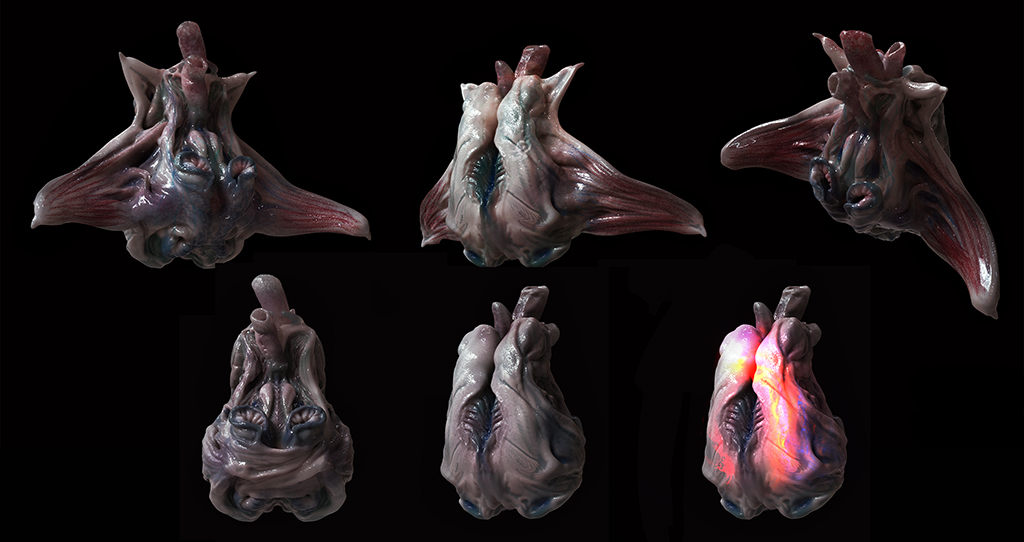
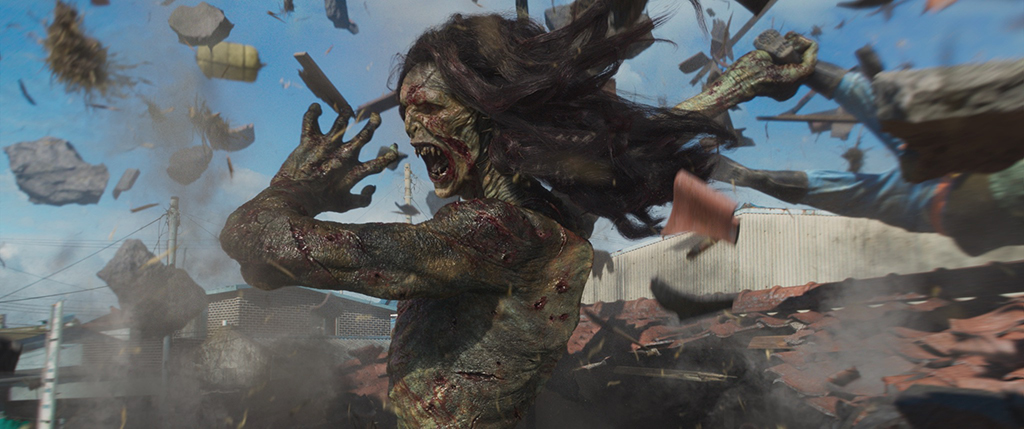
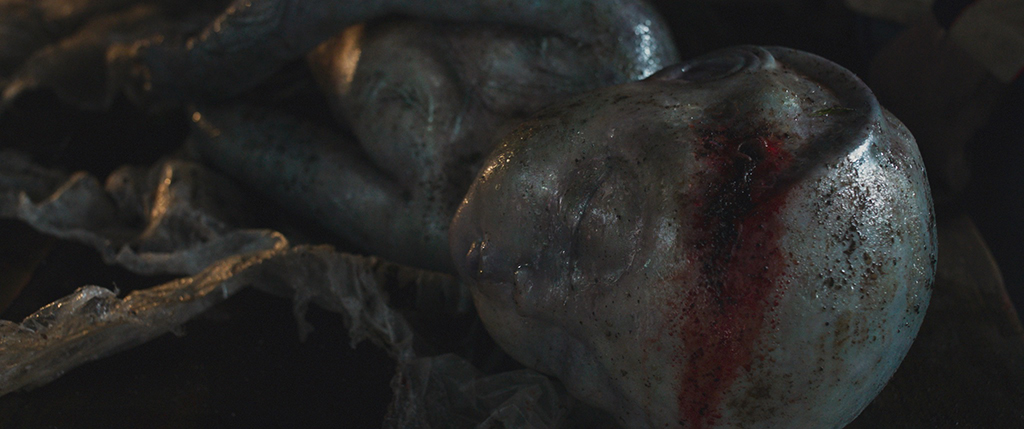
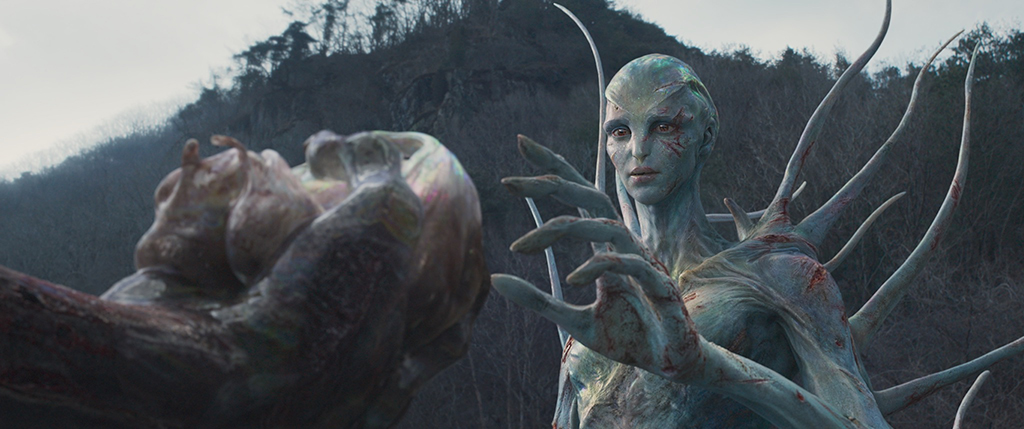
This performance-driven approach required Westworld VFX to develop advanced motion-capture pipelines capable of translating nuanced human expressions and micro-movements into massive, inhuman anatomies. The creatures, such as the character Maveyyo, underwent rigorous conceptualization, blending inspirations from classic Hollywood monster tropes with the stylistic cadence of Japanese animation from Na’s youth. The creative team made extensive anatomical decisions, designing intricate internal systems—including specialized alien hearts and comprehensive musculoskeletal structures—to maintain physical believability despite the creatures extraordinary traits.
Directorial Challenges and Action Choreography
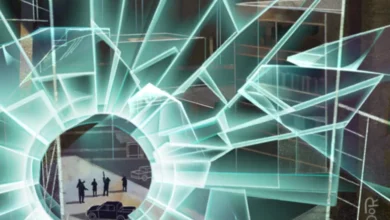
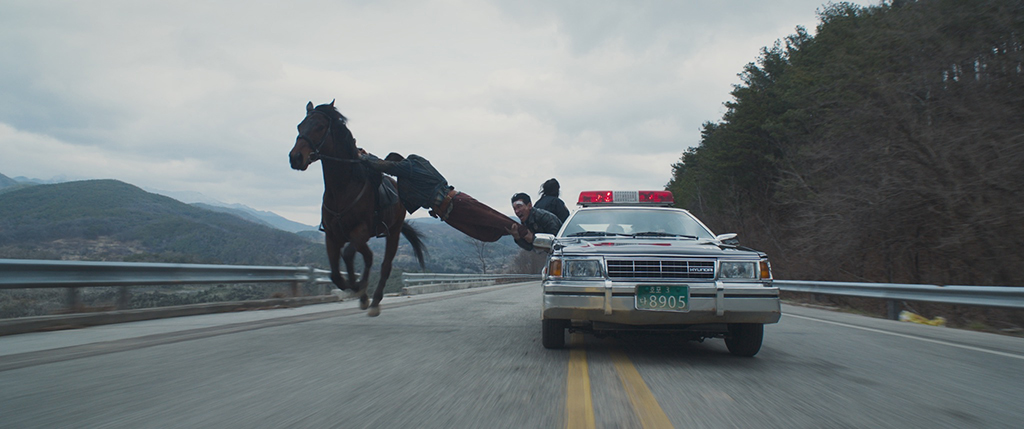
Executing the action sequences in Hope proved to be an immense technical hurdle. Among the most difficult set pieces to realize was a high-speed sequence involving a police cruiser pursued by the alien character Maveyyo, a feat that required three separate shooting phases to achieve the desired intensity.
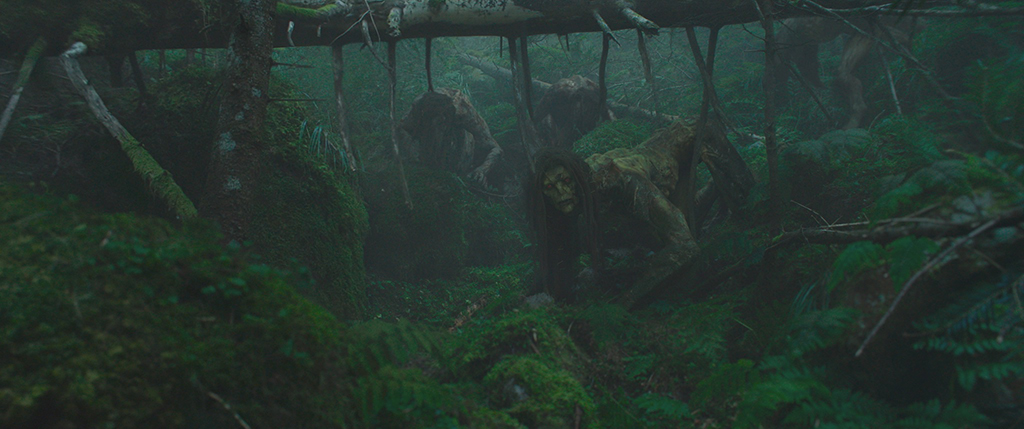
When addressing the physical movement of the creatures, Na consciously chose to subvert traditional cinematic physics. While a creature of massive scale would logically move with heavy, deliberate slowness, the production opted for blistering velocity to maximize theatrical impact.
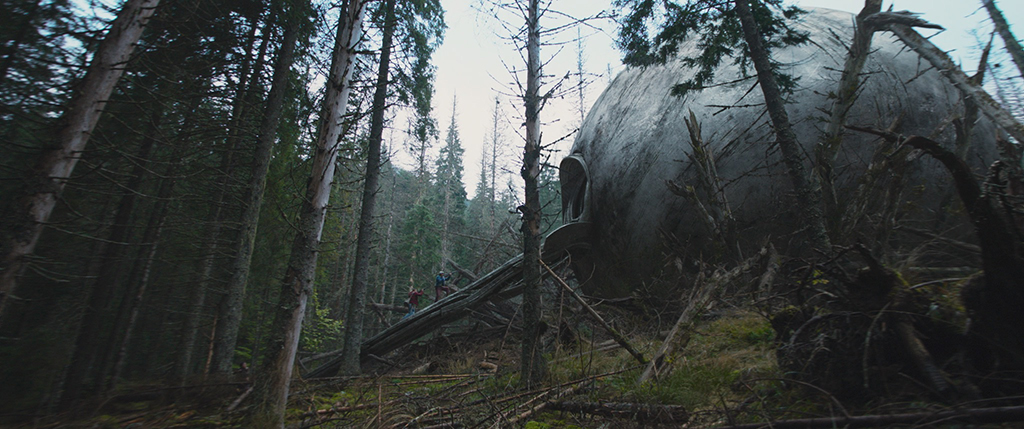
From the beginning, we thought about the monster moving quickly and how we were going to capture that speed through the camera, Na elaborates. We didn’t want to take the traditional approach. We wanted to follow the subject at this incredible speed and amplify the feeling that the audience would experience in the theater. And of course, the film has a lot of action scenes, so we didn’t want it to feel repetitive. We were thinking about that when building out the scenes. We chose to shoot mostly with a wide lens and went wider and wider. The camera lies close to the floor, so we wanted to create this sense for the audience that we were going at an incredible speed while still keeping them engaged with the variety of shots that they were able to see.
Real-World Integration and Production Realism
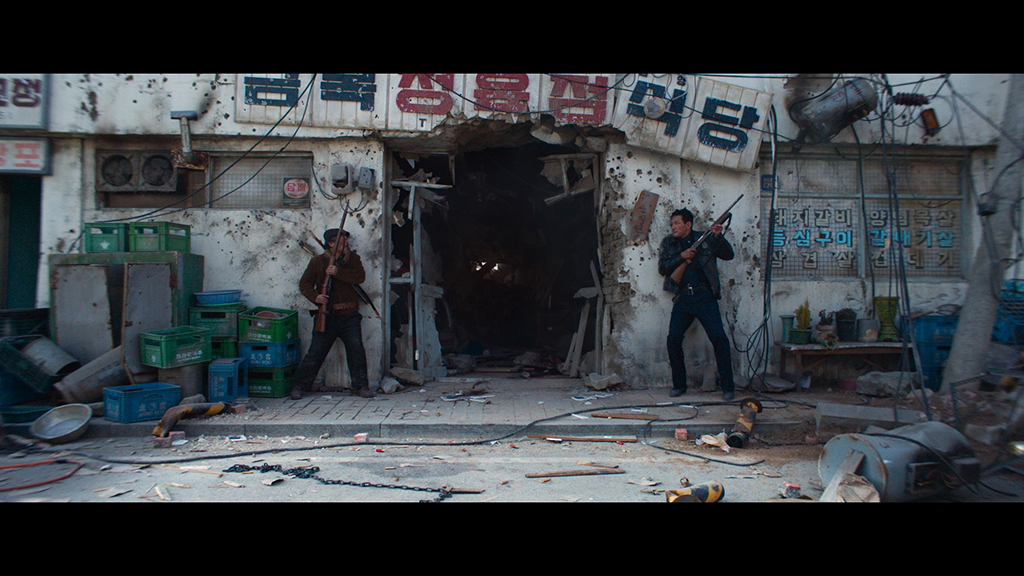
The collision between high-concept science fiction and grounded realism extended to the physical production methodology in Namchang-ri. Rather than constructing a sterile backlot, the production utilized an actual functioning rural village.
The location in which we were shooting was a real village that we found in the southernmost part of Korea, Na notes. It wasn’t a set that we built. It was real buildings we had to demolish, and real shops and restaurants that were functioning and running while we were shooting inside them. The people living there were gracious to allow and welcome us to shoot there while they continued on with their lives. It created an interesting juxtaposition while we were shooting these destructive scenes, for real life to be going on simultaneously.
This commitment to physical authenticity provided the cast—including Hwang Jung-min as police chief Bum-seok and Zo In-sung as Sung-ki—with tangible environments that enhanced their performances during intense sequences, such as the tense indoor ambushes and frantic rural escapes.
Broader Impact and Industry Implications
Hope signifies a notable evolution in South Korean high-budget genre filmmaking, demonstrating how local auteur-driven sensibilities can successfully merge with Hollywood-tier visual effects pipelines and international star casting. By refusing to compromise on narrative depth for the sake of spectacle, Na Hong-jin has positioned the project as a critical test case for globalized sci-fi storytelling.
The film’s reliance on practical village integration, combined with sophisticated motion-capture technology and a meticulously planned multi-film universe architecture—teased by the intentional omission of nighttime sequences—highlights a growing trend toward serialized, expansive world-building within Asian cinema. As NEON prepares to introduce Hope to global audiences, the film stands as a testament to the collaborative possibilities between Korean creative leadership and international technical talent, setting a new benchmark for modern extraterrestrial thrillers.