The Unexpected Deletion of the Aquatic Life Screensaver Following the Fox-Roku Merger Marks a New Era for Streaming Platform Personalization

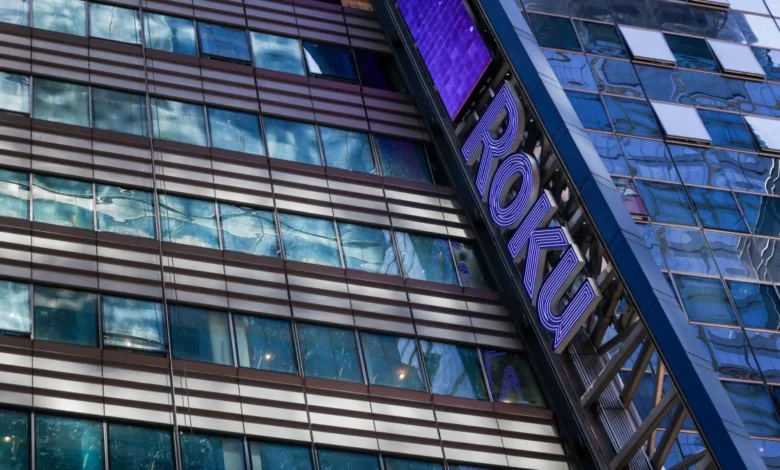
The recent $22 billion acquisition of streaming hardware giant Roku by Fox has triggered a wave of corporate restructuring that has, perhaps unexpectedly, resulted in the permanent removal of one of the platform’s most beloved features: the Aquatic Life screensaver. For over a decade, this tranquil, high-definition digital aquarium served as a visual staple for millions of households, offering a meditative reprieve from the often chaotic interface of modern smart televisions. However, as of December 1, the digital fish will be removed from circulation, marking a significant shift in how Roku users interact with their devices.
A Timeline of the Transition
The friction between the long-standing screensaver and the new ownership structure became public in early November. Following the formal announcement of the $22 billion merger on November 6, Roku users began reporting an on-screen alert notification. The message, appearing as a subtle but firm warning, informed subscribers that the Aquatic Life screensaver would no longer be supported on the Roku operating system effective December 1.
The chronology of this removal highlights the speed at which corporate integration can alter user experiences. By mid-November, social media platforms, particularly Reddit and X (formerly Twitter), became hubs for user discourse. What began as a technical query quickly devolved into a collective mourning process, as long-term users expressed frustration over the loss of a feature they had integrated into their daily routines for years. By November 20, the developer of the screensaver, digital artist Jim Sachs, confirmed via an interview with ArsTechnica that he had made the conscious decision to decline a renewal of his annual $80,000 licensing agreement with the platform.
The Motivations Behind the Licensing Dispute
The decision by Jim Sachs to pull the software is rooted in a fundamental ideological disagreement with the new parent company. While many industry analysts initially speculated that the removal was a cost-cutting measure or a strategic pivot toward ad-supported engagement—given that Roku’s recent earnings reports have consistently highlighted the profitability of "high-visibility placements" on screensavers—the reality is more personal.
Sachs, whose work has been a fixture on the platform for more than ten years, indicated that the acquisition by Fox served as a breaking point. In his public statements, he expressed an inability to reconcile his artistic contribution with the editorial and political reputation of the new ownership. "I can’t be part of the Fox world," Sachs stated, explicitly noting that he considers the company’s influence and programming philosophy to be incompatible with his own values.
This development highlights a growing trend in the tech industry where creators, particularly those behind niche, independent digital tools, are exercising greater autonomy over how their work is utilized in large-scale corporate environments. The $80,000 annual licensing fee was, by Sachs’ own admission, his primary source of income. By walking away from this contract, the artist has effectively prioritized his professional integrity over long-term financial security, a move that has resonated deeply with the screensaver’s user base.
The Shift Toward Managed Ad Spaces
The departure of Aquatic Life is not merely a loss of aesthetic preference; it is a signal of the evolving monetization strategy for streaming platforms. For years, Roku has successfully transformed its interface into a premium advertising real estate market. The transition of users from the serene, ad-free environment of Aquatic Life to the company’s default "Roku City" screensaver is a deliberate strategic move.
Roku City has gained significant cultural cachet, often serving as a canvas for brand partnerships and viral marketing campaigns. By embedding easter eggs and pop-culture references within the city’s skyline, Roku has successfully turned a utility feature into an engagement tool. However, the forced migration to this platform has drawn criticism from users who perceive the change as an intrusion. As one observer noted, the move feels like a reduction in the "sanctuary" that a home television environment is supposed to provide, replacing calm, ambient visuals with a space optimized for potential commercial insertion.
Economic and Strategic Implications
The economic implications of this merger are vast. Roku’s platform revenue has been heavily reliant on its ability to capture user attention, even when the television is not actively streaming content. By replacing an independent, static screensaver with a proprietary, highly managed environment, the company gains total control over its "idle" screen real estate. This allows for more granular data collection and the potential for future advertising integration, which is likely to be a high priority for Fox as it seeks to recoup the massive capital outlay required for the acquisition.
From a business standpoint, the loss of Aquatic Life is a calculated trade-off. While the company risks alienating a vocal segment of its user base, the long-term potential for revenue generation through the default screensaver interface outweighs the benefit of maintaining a niche, albeit beloved, independent feature. This strategy mirrors broader trends in the hardware-software ecosystem, where the "walled garden" approach is becoming increasingly restrictive.
User Sentiment and Public Response
The outcry from the user community has been poignant, revealing the unexpected ways in which digital software can provide comfort during difficult life transitions. Reddit threads have been filled with anecdotes from users who viewed the fish as a source of peace, including those who used the screensaver as a final point of connection with deceased loved ones. This emotional labor associated with a simple digital product underscores the fact that, for the end-user, software is rarely just a tool—it is part of the domestic landscape.
The disconnect between the corporate decision-makers and the consumer base is palpable. While Roku has remained silent on the matter of restoring the service, the sentiment among the user base remains largely critical. The demand for an "opt-in" or "alternative" model has been ignored in favor of a uniform, company-controlled experience.
Future Outlook and Alternatives
As the December 1 deadline passes and the transition to the default interface becomes total, the market for independent, third-party screensavers may see a shift. While Roku users are now restricted to the native offerings of the platform, the availability of the original Aquatic Life software remains on other operating systems, including Windows, macOS, iOS, and Android.
Industry analysts suggest that this event will likely lead to a bifurcation in the market. Users who prioritize aesthetic control and ad-free environments may look toward more open hardware platforms, while companies like Roku will continue to tighten control over their interfaces to maximize advertising yield.
Ultimately, the removal of Aquatic Life from Roku is a microcosm of the current digital landscape: a collision between the artistic autonomy of individual creators and the consolidation of corporate media power. As streaming platforms continue to evolve into centralized advertising hubs, the space for independent, non-monetized experiences is shrinking, leaving users to decide whether they value the convenience of a dominant platform over the personalization and calm that once defined the early years of the streaming revolution. For now, the fish are gone from the screen, but the debate over the soul of the digital home continues.