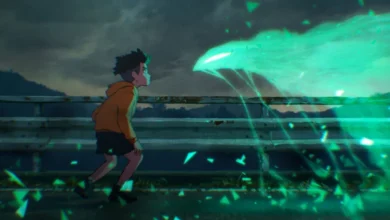
Kid Koala brings tactile storytelling to the big screen with the dialogue-free animated feature Space Cadet


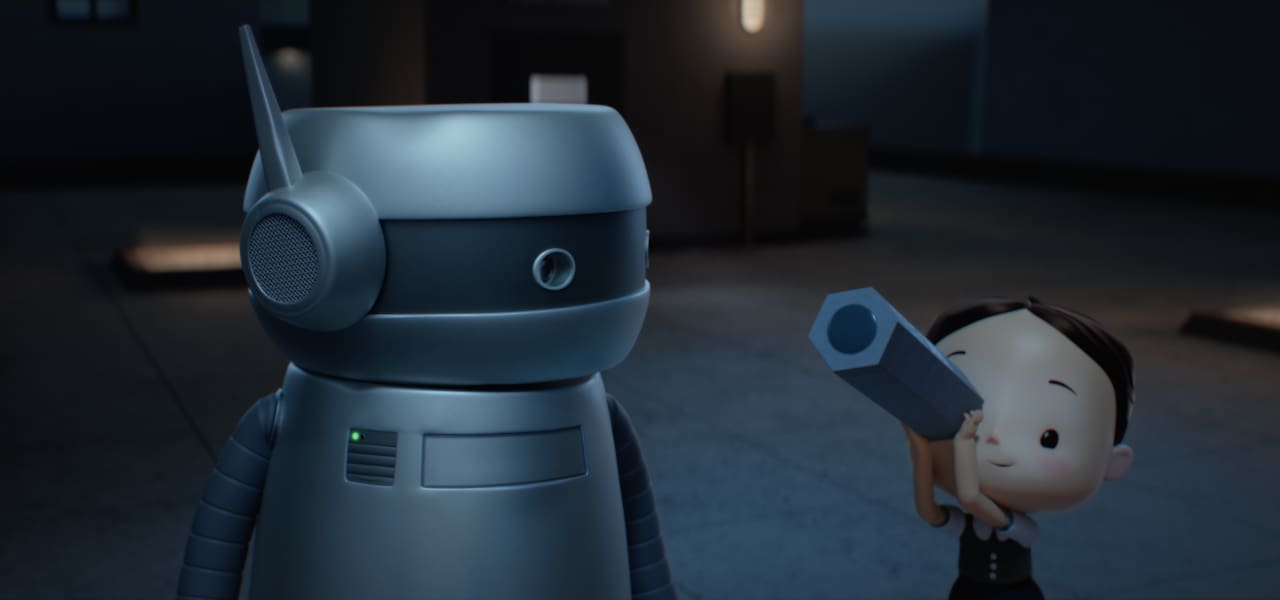
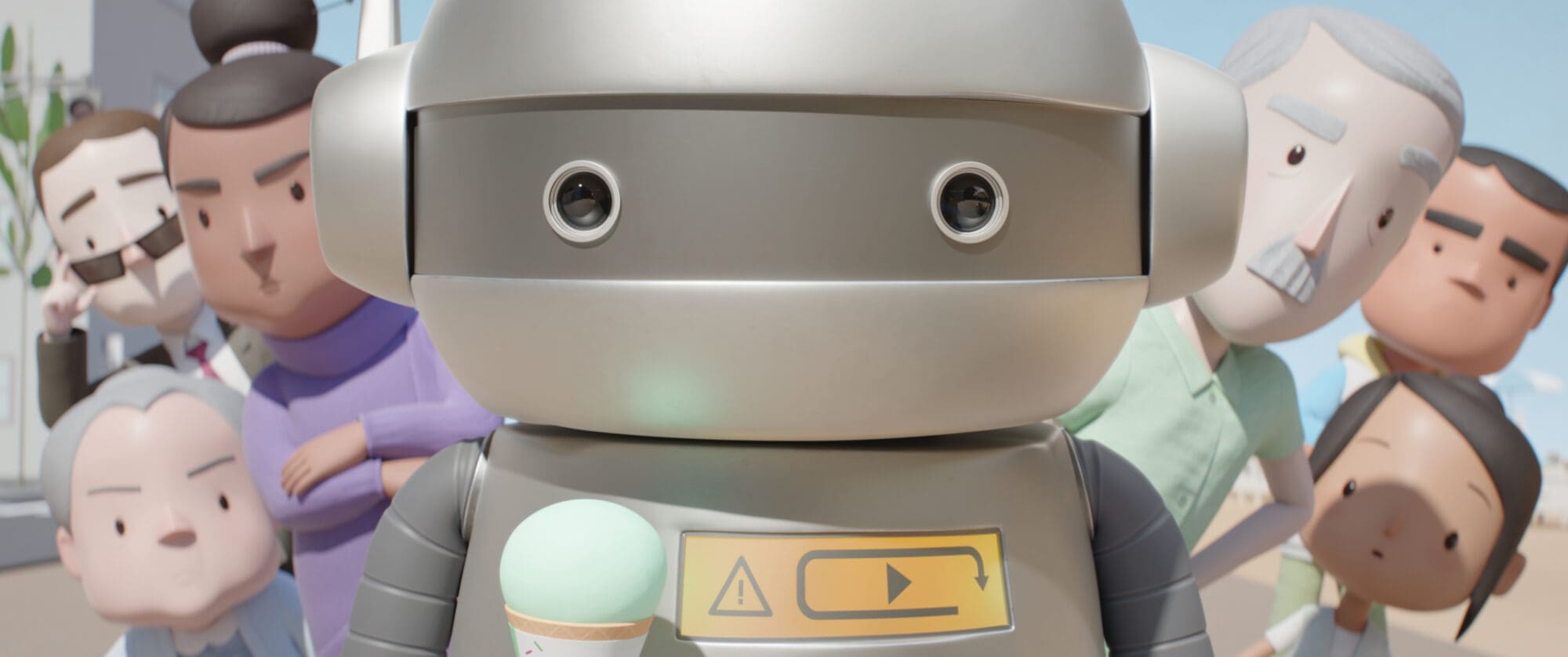
The landscape of modern animation is frequently defined by high-velocity narratives and sensory-heavy spectacles designed to capture fleeting attention spans in a crowded media market. However, with the upcoming release of Space Cadet, set to arrive in select United States theaters on November 13 via the boutique distributor Viva Kids, the industry is seeing a concerted effort to return to the power of stillness. Directed by Eric San—the internationally recognized DJ, composer, and visual artist professionally known as Kid Koala—the film marks a departure from traditional, dialogue-heavy animation. Instead, it offers a meditative, dialogue-free exploration of distance, memory, and the bond between a young astronaut named Celeste and the robotic guardian who raised her.
A Creative Evolution: From Graphic Novel to Feature Film
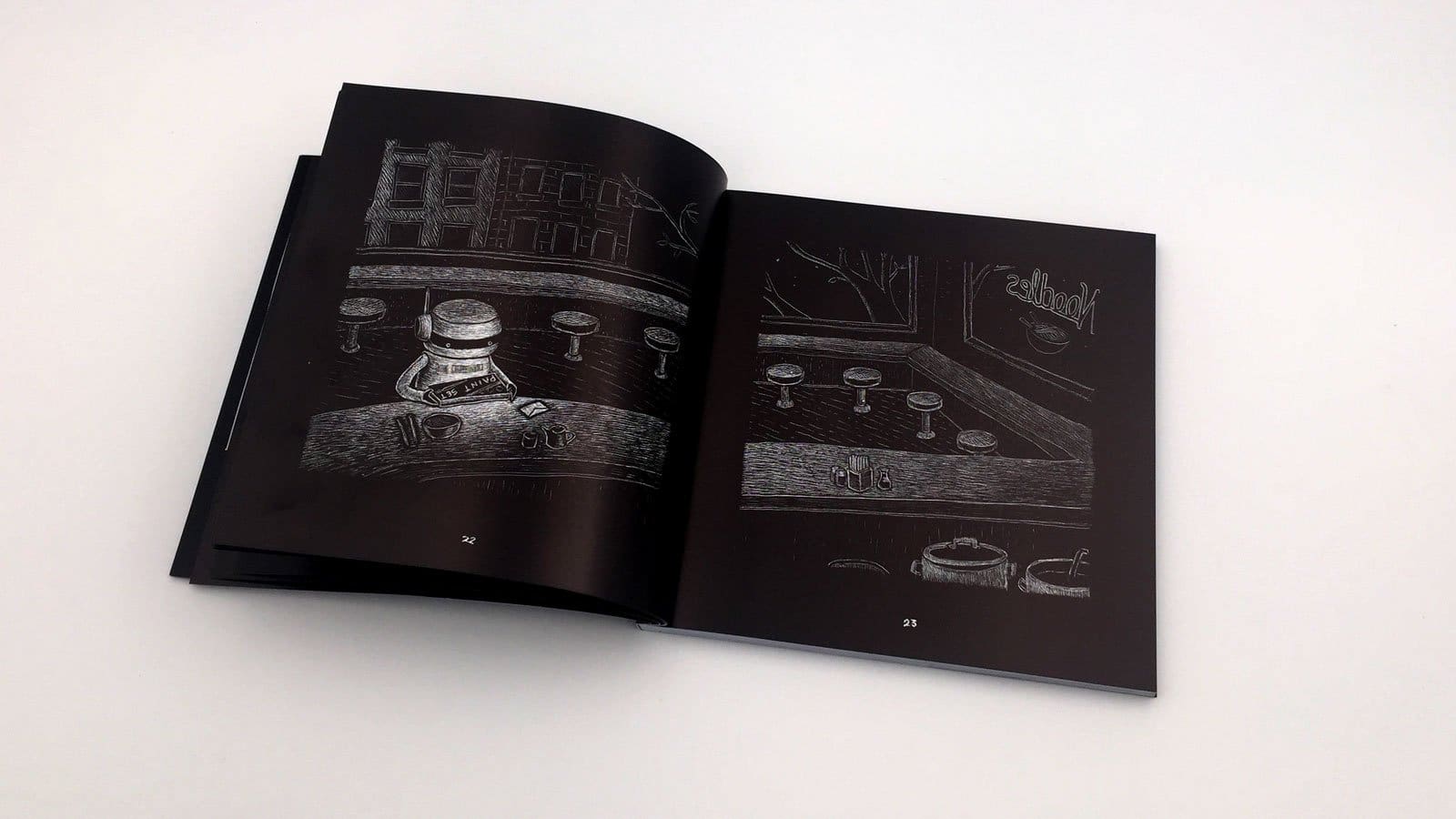
The genesis of Space Cadet traces back over a decade. In 2011, San published the original graphic novel of the same name, a project that was uniquely paired with a companion musical score. At the time, San viewed the book and its accompanying soundtrack as a self-contained artistic statement. He had no initial intention of entering the feature film space, a domain he viewed as distant from his primary career in music and live performance.
The transition from page to screen began in 2011 when producer Ginette Petit of Outsiders Films attended one of San’s live performances. During these shows, San combined his signature turntablism with animated loops projected on screen. Seeing the characters move in synchronization with the music served as a catalyst for the adaptation. By 2012, the project had officially entered development, though the road to completion was anything but linear. The production, written by Mylène Chollet, underwent significant refinement to translate the graphic novel’s scratchboard aesthetic into a coherent, feature-length narrative.

Chronology of Production and Technical Innovation
The production process for Space Cadet was characterized by a commitment to a "handmade" visual language, despite the project utilizing modern computer-generated (CG) animation. The creative team, led by production designer Lillian Chan and art director Corinne Merrell, prioritized a tactile sensibility that would differentiate the film from the "squash and stretch" tropes common in contemporary studio animation.
The project’s timeline saw a significant pivot during the global health crisis of 2020. With live music venues shuttered, San found himself with the necessary time to immerse himself fully in the directorial process. The animation team, a lean squad of only 16 animators, worked remotely via a centralized server system. This period was pivotal in establishing the film’s unique visual rhythm. San, who had little experience with professional animation terminology, underwent a rapid learning curve, shifting from directing in "musical terms"—referencing snare hits and tempo—to the technical language of frames, timing, and shot composition.
The film’s aesthetic was heavily influenced by the work of Corinne Merrell, known for her contributions to projects like The Little Prince. By utilizing wood, paint, and paper-based textures, the team ensured that even within a digital pipeline, the final frames maintained a sense of physical weight and depth.
The Role of Sound and Musical Narrative
For an audience accustomed to vocal performances and exposition-heavy scripts, Space Cadet presents a challenge: it relies entirely on visual cues and a complex, layered soundscape to communicate emotion. San, whose background in turntablism involves the meticulous manipulation of sound, approached the film’s audio as an extension of the character design.
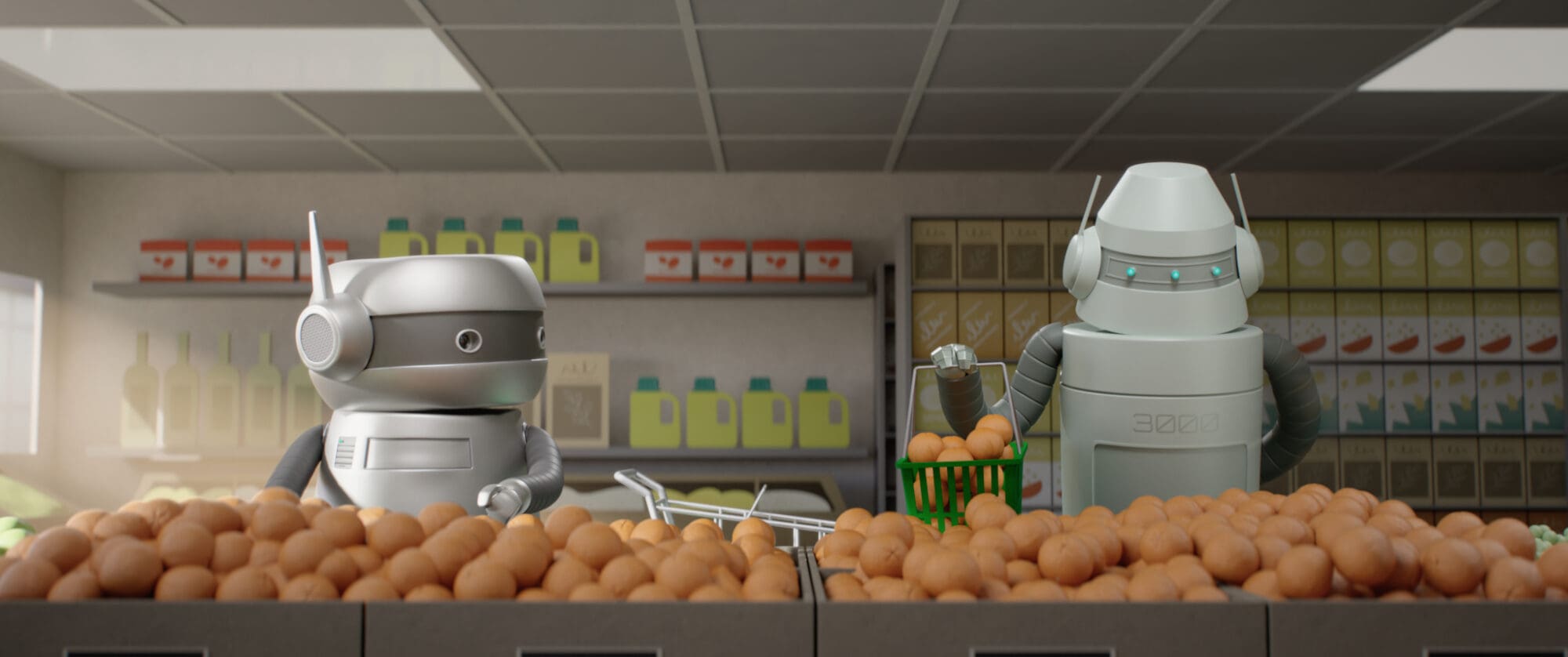
The score features contributions from renowned vocalists such as Karen O, Emilíana Torrini, and Martha Wainwright. However, the most innovative audio work is found in the character of the robot. San implemented a "stealth" layer of sound design by incorporating turntable-manipulated tones beneath the standard mechanical sound effects. By bending these tones in real-time to match the robot’s movements, San provided the character with a layer of quirkiness and humanity that prevented the design from feeling overly sterile or purely mechanical. This technique mirrors his approach to live DJing, where "tiny slices of sound" are layered to create a cohesive emotional experience.
A Pedagogical Approach to Directing
San’s approach to filmmaking is rooted in an unlikely source: his brief tenure as an elementary school teacher. Before achieving global fame, San trained in education and participated in student teaching. He recalls a specific lesson from a mentor who, when faced with a chaotic classroom, chose not to raise her voice but to lower it, forcing the students to "lean in" to hear her.
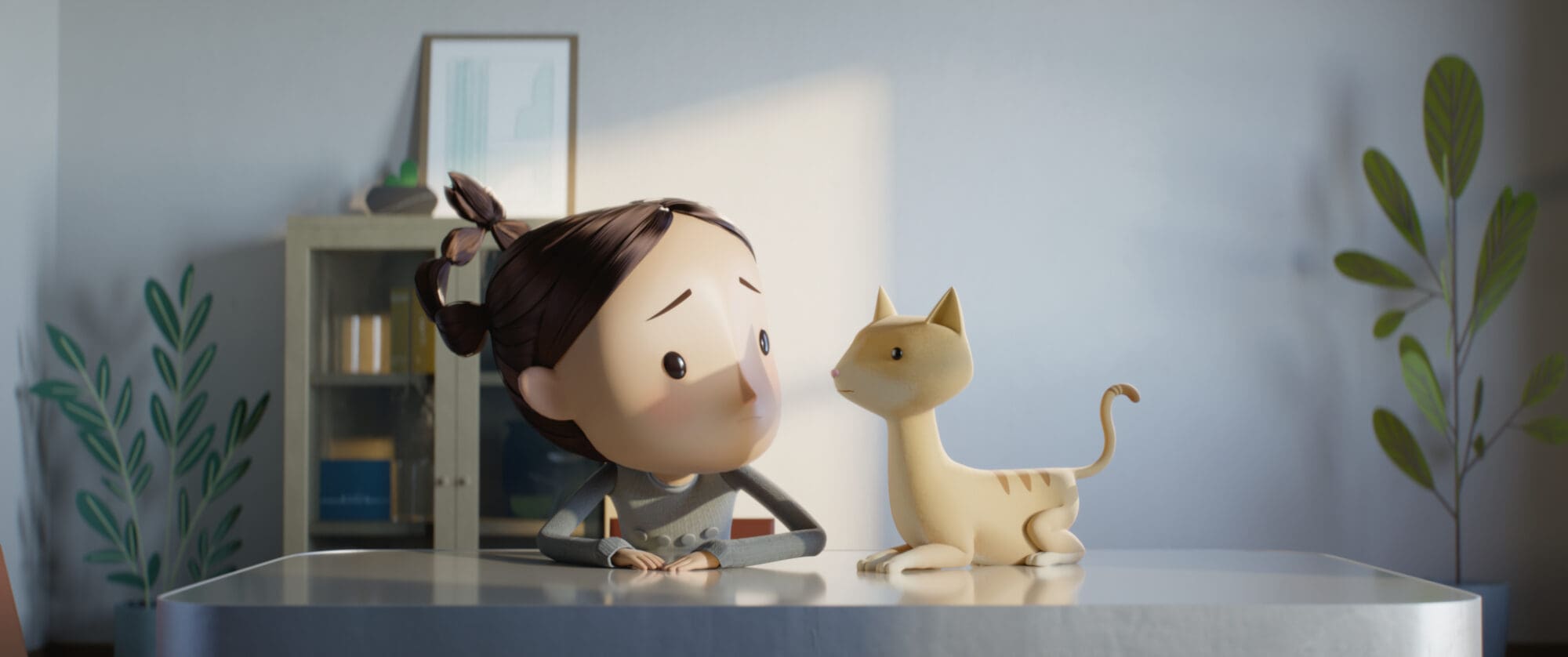
This pedagogical principle—creating space for the audience to engage rather than forcing information upon them—became the guiding philosophy for Space Cadet. By intentionally keeping the film dialogue-free and avoiding the hyper-energetic pacing of many modern animated films, San aims to foster a "cozy" viewing environment. This strategy has proven successful on the festival circuit, with the film appearing at the Berlin International Film Festival’s Generation section in 2025, as well as the Annecy International Animation Film Festival and the Toronto International Film Festival.
Industry Implications and Market Positioning
The release of Space Cadet via Viva Kids serves as a case study for the viability of "slow cinema" in the animation sector. While major studios continue to invest heavily in high-octane, action-oriented features, there remains a dedicated, though often underserved, audience for films that prioritize emotional nuance and artistic restraint.
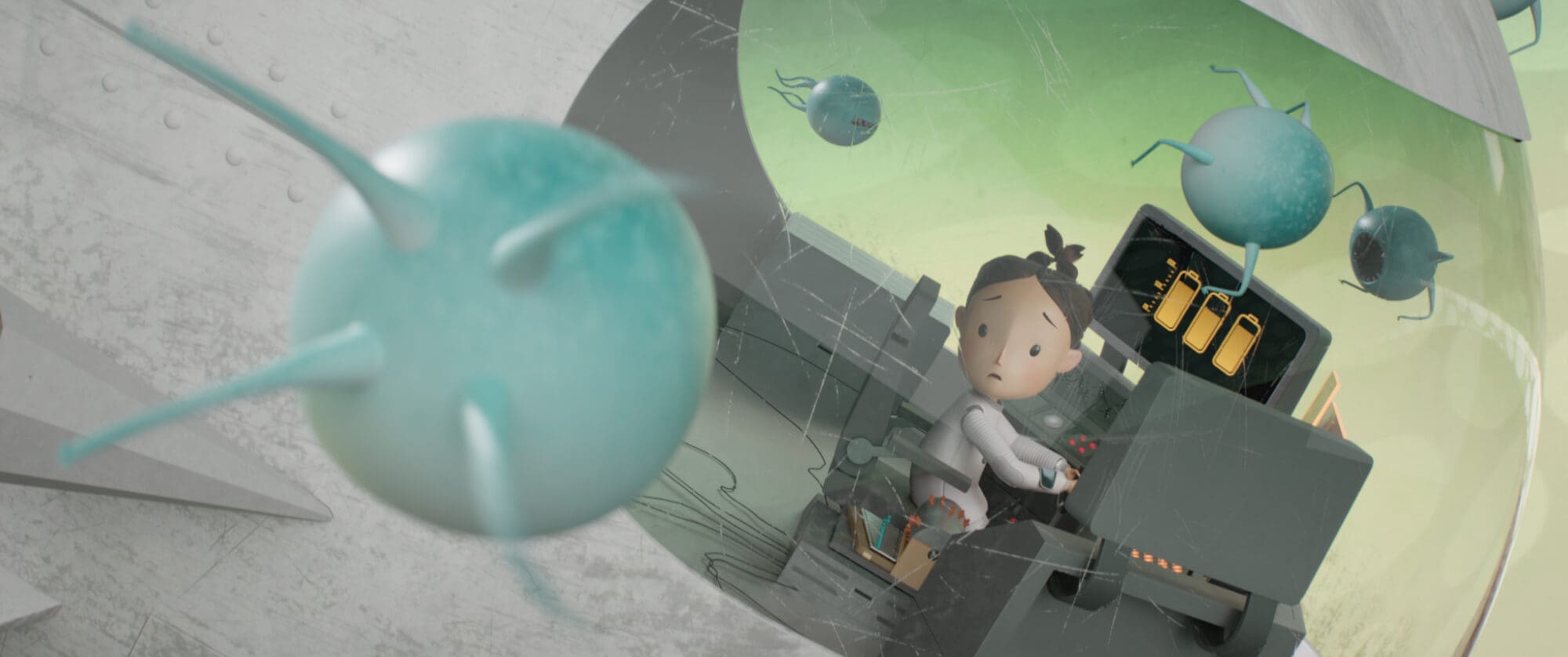
From an industry perspective, the success of a 16-person animation team working remotely suggests a shift in how independent studios might manage production costs and creative control. By utilizing a smaller, highly focused team and avoiding the massive overheads of traditional feature animation, Outsiders Films has managed to produce a work that carries a distinct, personal signature—a quality often lost in larger, corporate-led productions.
Furthermore, the film’s reliance on tactile, hybrid-CG techniques speaks to a broader trend in animation where "imperfection" is becoming a premium aesthetic. As audiences grow increasingly sophisticated, the demand for visual styles that feel organic rather than synthesized is likely to increase. By successfully translating a graphic novel into a cinematic language that favors texture and silence over dialogue, Space Cadet sits at the intersection of independent graphic art and experimental film.
Conclusion
As the film moves into its domestic theatrical release, it carries with it the weight of a decade-long development cycle and the unique perspective of a director who views animation through the lens of music and education. Whether the film will serve as a bellwether for a trend toward more meditative animation remains to be seen. However, the effort to provide audiences with "space to lean in" represents a significant counter-narrative to the current trend of dopamine-focused media.
With the support of a critically regarded festival run and a distribution strategy focused on niche, independent engagement, Space Cadet is positioned to find its audience among those looking for a different kind of animated experience—one that asks for patience and rewards it with a deliberate, deeply felt journey. The film serves as a reminder that in an era of infinite, high-speed content, the most radical choice an artist can make is often to slow down and let the audience come to them.