Best Celebrity Halloween Costumes: Kim Kardashian as North West, Paris Hilton as Britney Spears and More

Halloween has evolved far beyond its ancient origins as a festival of Samhain to become one of the most significant cultural touchpoints in the modern entertainment calendar. In Hollywood, October 31st serves as a high-stakes arena where influence, creativity, and brand identity collide. As 2026 unfolds, the industry has once again transformed into a laboratory of pop culture satire and nostalgic homage, with A-list celebrities utilizing the holiday to cement their relevance through elaborate, high-budget transformations.

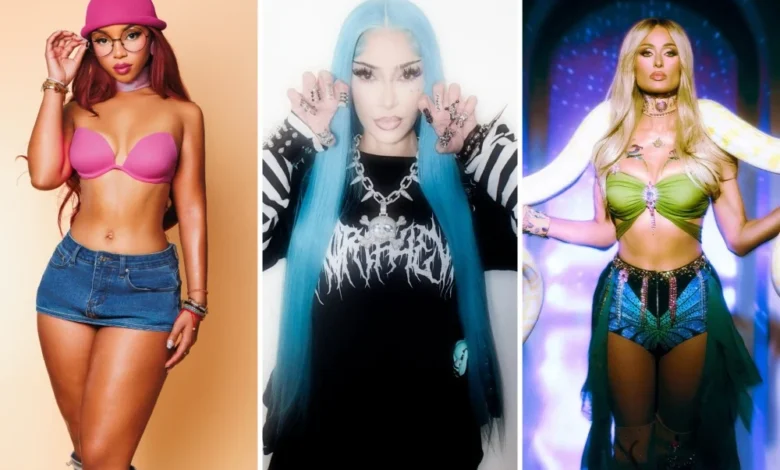
The 2026 season has already set a high bar for theatricality. Leading the charge, Kim Kardashian’s decision to emulate her daughter, North West, represents a meta-commentary on the intersection of family branding and celebrity evolution. Similarly, Paris Hilton’s meticulous recreation of Britney Spears’ iconic aesthetics serves as a bridge between the Y2K zeitgeist and modern digital performance art. These displays are not merely hobbies; they are carefully orchestrated PR maneuvers that leverage social media engagement to drive discourse across global platforms.

The Evolution of the Celebrity Halloween Spectacle
Historically, celebrity Halloween costumes were modest affairs, often relegated to private house parties or neighborhood trick-or-treating. However, the rise of the "influencer economy" and the dominance of platforms like Instagram and TikTok have radically altered the stakes. Today, a costume is not just an outfit; it is a content strategy.

Data from social media analytics firms suggest that celebrity costume reveals during the final week of October generate hundreds of millions of impressions, rivaling the engagement levels of major film premieres or fashion weeks. For stars like Lisa Rinna, whose penchant for campy, high-energy transformations has become a seasonal expectation, the Halloween reveal serves as an essential touchpoint for fan interaction. By curating these looks, celebrities reinforce their status as arbiters of taste, while simultaneously signaling their awareness of current cultural trends.

Chronology of the 2026 Costume Season
The 2026 Halloween season began in earnest in mid-October, as celebrities began dropping "teasers" on their social media channels, a practice that mirrors the marketing campaigns for major blockbuster films.

- October 15-20: The "Teaser Phase." Celebrities shared close-up shots of prosthetics, fabric swatches, or cryptic captions, igniting speculation among fashion bloggers and entertainment reporters.
- October 24-27: The "Reveal Phase." Major A-listers began debuting their primary costumes at high-profile industry events, such as the annual Casamigos Tequila party and various private gala gatherings in Los Angeles and New York City.
- October 28-31: The "Peak Engagement Window." This period sees the most viral traffic, as fans and media outlets dissect the accuracy of costumes, the complexity of makeup, and the thematic depth of the tributes.
This structured rollout ensures that the discourse surrounding these celebrities remains sustained over a two-week period, maximizing the utility of each costume reveal as a branding tool.

Fact-Based Analysis: Why These Costumes Resonate
The success of a celebrity costume in 2026 relies on three primary pillars: nostalgia, irony, and technical execution.

Nostalgia as Currency
The current obsession with the late 1990s and early 2000s continues to dominate aesthetic trends. When Paris Hilton chooses to honor Britney Spears, she is tapping into a collective cultural memory that is highly lucrative. By recreating iconic looks, these stars provide a form of visual "comfort food" for a digital-native audience that values authenticity and historical reference points.

The Power of Irony
Kim Kardashian’s choice to dress as her own child is a masterclass in irony. It challenges the viewer’s perception of the celebrity’s public persona, blurring the lines between mother, daughter, and brand entity. This type of self-referential humor is a hallmark of modern celebrity, signaling that the star is "in on the joke," which serves to humanize them even as the costume itself is often prohibitively expensive.

Technical Execution
The craftsmanship involved in these looks has reached cinematic levels. Many celebrities employ professional film-industry prop makers, costume designers, and prosthetic artists to ensure their looks are indistinguishable from the source material. This commitment to detail—often costing tens of thousands of dollars—positions the celebrity as a patron of the arts, further elevating the cultural significance of the holiday.

Official Responses and Industry Impact
While the public perceives these costumes as playful expressions of seasonal spirit, the industry views them as critical components of celebrity reputation management. PR consultants often advise clients on their Halloween choices to ensure they align with their ongoing projects. For example, an actor promoting a major franchise film might choose a costume that subtly nods to their character, thereby maintaining a consistent narrative thread throughout the marketing cycle.

Though most stars keep the costs of these endeavors private, industry insiders suggest that the "Halloween industrial complex" has grown exponentially. From custom-made luxury fabrics to high-end CGI-enhanced photography for social media posts, the production value of a single celebrity Halloween look can rival the budget of a television pilot episode.

Broader Implications: The Commercialization of the Holiday
The transformation of Halloween into a high-fashion runway has significant economic implications. The "celebrity effect" creates a trickle-down economy for retailers. When a celebrity goes viral for a specific aesthetic, demand for related products on platforms like Amazon, Etsy, and high-fashion rental sites skyrockets.

Furthermore, the influence of these costumes on fast-fashion trends cannot be understated. Within 48 hours of a high-profile costume reveal, mass-market retailers often release "inspired by" versions, demonstrating the speed at which celebrity fashion moves from the red carpet to the consumer market. This cycle highlights the interconnectedness of high-status celebrity expression and mass-market retail behavior.

Looking Toward the Future
As we move toward the conclusion of the 2026 season, it is evident that the "celebrity Halloween" is no longer just a trend—it is an established institution. It serves as a barometer for what society deems "iconic" and provides a window into the self-perception of those who inhabit the highest echelons of fame.

For the audience, these moments offer a brief, shared cultural experience. Whether one is a fan of the meticulous historical accuracy of a period-piece costume or the satirical bite of a pop-culture parody, the sheer spectacle of the season remains one of the most anticipated events in the annual entertainment cycle. As technology advances, we may soon see the integration of Augmented Reality (AR) or Virtual Reality (VR) into these costume reveals, potentially allowing fans to "try on" or interact with these celebrity looks in digital spaces.

In conclusion, the 2026 Halloween season has confirmed that the intersection of celebrity, fashion, and social media is more potent than ever. By leveraging their platforms to deliver these curated, high-stakes visual narratives, stars like Kim Kardashian and Paris Hilton continue to dictate the rhythm of pop culture, proving that even on a night traditionally dedicated to ghosts and ghouls, the most compelling stories remain those crafted by the architects of fame. As the industry continues to evolve, these Halloween displays will likely grow even more complex, reinforcing their role as a central pillar in the modern entertainment ecosystem.