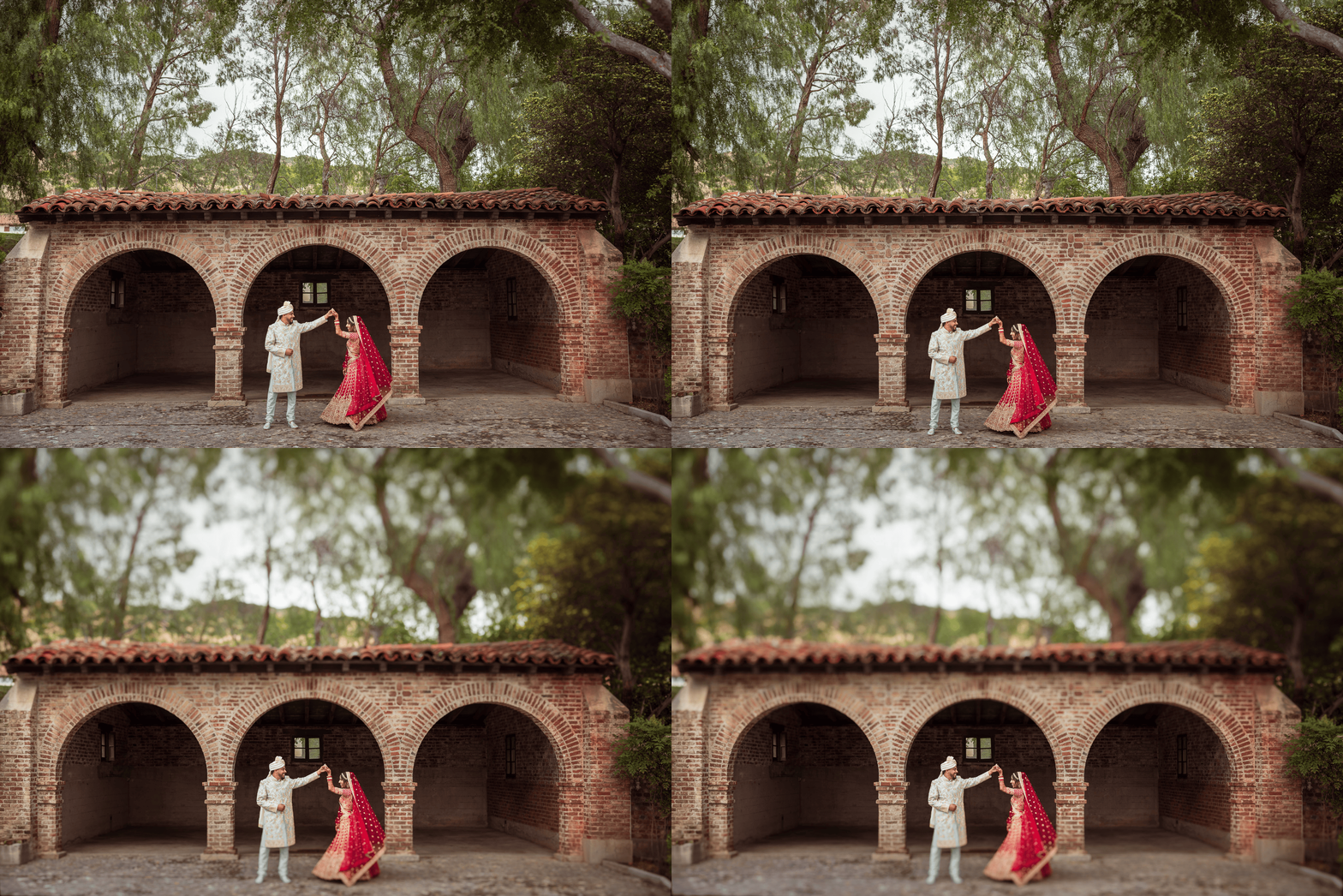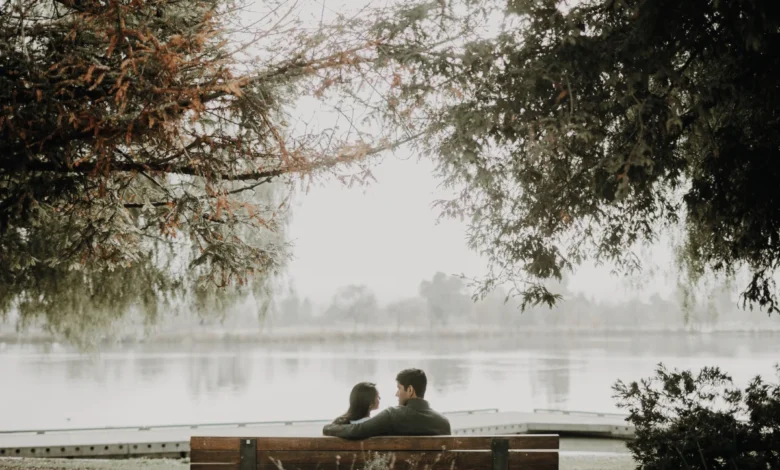
Capturing a marriage proposal is widely considered one of the most high-pressure assignments in the photography industry. Unlike a staged engagement session or a portrait shoot, a proposal is a singular, unrepeatable event defined by raw emotion and a strict timeline. Photographers must balance technical precision with the stealth required to maintain the surprise, all while operating under the intense psychological weight of knowing there is no "do-over" for the client. Recent industry surveys from wedding photography associations suggest that over 80% of couples now prioritize professional photography for their proposal, reflecting a growing cultural demand for high-quality documentation of these milestone moments.

The Evolution of Proposal Documentation
Historically, proposals were intimate, private affairs often captured by family members using amateur equipment. However, the rise of social media and the "Instagrammable" aesthetic has shifted expectations significantly. Today, the professional proposal photographer is expected to act as a stealth documentarian, a logistical coordinator, and a portrait artist simultaneously. This professionalization of the niche has led to a standardized set of best practices designed to mitigate risk and ensure the final product reflects the gravity of the occasion.
Strategic Preparation and Site Logistics
Success in proposal photography is rarely the result of intuition alone; it is the byproduct of meticulous logistical planning. Photographers are increasingly treating these events as tactical operations. The process begins with rigorous location scouting. A professional photographer must arrive at the chosen site well in advance of the couple to identify the optimal "shooting window."

Environmental factors are the primary variables in this equation. Analysts in the field emphasize that photographers must account for public traffic patterns, the positioning of the sun, and potential obstructions. If the proposal is planned for a public park or landmark, the photographer must secure a vantage point that offers a clear line of sight without alerting the partner. Ideally, the photographer should be positioned at a distance that utilizes a telephoto lens, ensuring they remain inconspicuous while maintaining the ability to capture candid reactions.
Technical Standards for High-Stakes Environments
The technical requirements for proposal photography demand a mastery of "safe" camera settings. Because the action occurs in a split second—often involving rapid movement, such as a partner dropping to one knee—the margin for error is razor-thin. Professional standards dictate a minimum shutter speed of 1/400th of a second to eliminate motion blur, even in lower light conditions.

To achieve this, photographers must be prepared to adjust their ISO settings upward, prioritizing a clean, sharp image over the lowest possible noise. Furthermore, the use of RAW file formats is non-negotiable in this context. RAW files provide the latitude required for post-processing adjustments, such as exposure correction or cropping, which are often necessary when the photographer is forced to shoot from a distance or in challenging lighting conditions.
The Role of the Photographer as a Consultant
The photographer’s role has expanded beyond the camera lens. Many professionals now function as consultants for the proposer. This involves advising on the "mechanics" of the proposal to ensure the best possible visual outcome. For instance, advising the client on which knee to kneel on—the one closest to the camera—is a standard instruction that prevents the proposer from turning their back to the lens, thereby obscuring their partner’s face.

Additional technical advice often includes:
- Box Management: Ensuring the ring box is discreetly placed to avoid ruining the surprise.
- The Reveal: Suggesting that the proposer pause after getting into position to allow the photographer a few seconds to stabilize their focus.
- Engagement Continuity: Planning a "mini-session" immediately following the proposal. This transitions the event from a surprise documentary moment into a curated engagement shoot, providing the couple with a comprehensive narrative package.
Narrative Composition: A Three-Tiered Approach
Professional narrative photography relies on a structured approach to visual storytelling. Successful proposals are typically documented using three distinct focal lengths or angles:

- The Wide Shot: This captures the environment, establishing the setting and the context of the proposal. It provides a "hero shot" that showcases the scale of the location.
- The Medium Shot: This frame focuses on the couple, documenting the interaction and the immediate exchange between the two parties.
- The Tight Detail Shot: This captures the emotional climax—the facial expressions, the tears, and the physical act of placing the ring on the finger.
By systematically moving through these perspectives, the photographer creates a cohesive gallery that functions as a linear story rather than a collection of disparate images.
Equipment Selection and Versatility
The debate over prime lenses versus zoom lenses is ongoing, but in the context of a proposal, the consensus favors versatility. A 24-70mm f/2.8 or a 70-200mm f/2.8 lens is widely regarded as the industry standard. These focal ranges allow the photographer to adapt to the couple’s movement without the need to switch lenses. In a high-stakes moment, changing equipment creates an unacceptable risk of missing the defining second of the engagement. While prime lenses may offer a shallower depth of field, the reliability of a high-end zoom lens provides the necessary flexibility to cover both wide scenes and tight, intimate reactions.

Managing the Psychological Element
The stress of a proposal is not felt solely by the couple. The photographer is under significant psychological pressure, often described as "performance anxiety." Experts advise that maintaining a calm, steady demeanor is essential, as this helps to anchor the proposer. Before the event, it is recommended that the photographer and the proposer establish a clear communication plan—perhaps a subtle signal to confirm that the subject has arrived or that the photographer is in position.
Once the event begins, the photographer must shift into a state of "controlled focus." Breathing exercises and the reliance on pre-determined technical settings allow the photographer to bypass panic and remain objective.

The Broader Impact: Long-Term Client Relationships
The implications of a well-executed proposal extend far beyond the single event. A successful proposal shoot is arguably the most effective marketing tool for a wedding photographer. By delivering high-quality images of a significant life milestone, the photographer builds an immediate, high-trust relationship with the couple. Data shows that couples who hire a professional for their proposal are 70% more likely to book the same photographer for their engagement session and their wedding.
The professional documentation of a proposal represents a shift in how milestones are preserved in the modern era. As the industry continues to evolve, the ability to combine journalistic timing with artistic composition remains the hallmark of a high-tier photographer. Through careful planning, technical preparedness, and a focus on narrative structure, photographers can transform a fleeting, nerve-wracking moment into a permanent, professional-grade memory.

In conclusion, the successful capture of a proposal is the result of a disciplined, multi-step process. By scouting the location, consulting on the logistics, maintaining rigorous technical standards, and focusing on the emotional narrative, the photographer ensures that the couple receives a product that is both technically sound and emotionally resonant. While the pressure of the moment is inherent, the application of these professional strategies provides a roadmap to consistency, turning one of the most stressful assignments in the industry into a repeatable, high-value success story.