Behind the VFX of The End of Oak Street: How David Robert Mitchell Transported Suburbia to Prehistoric Times

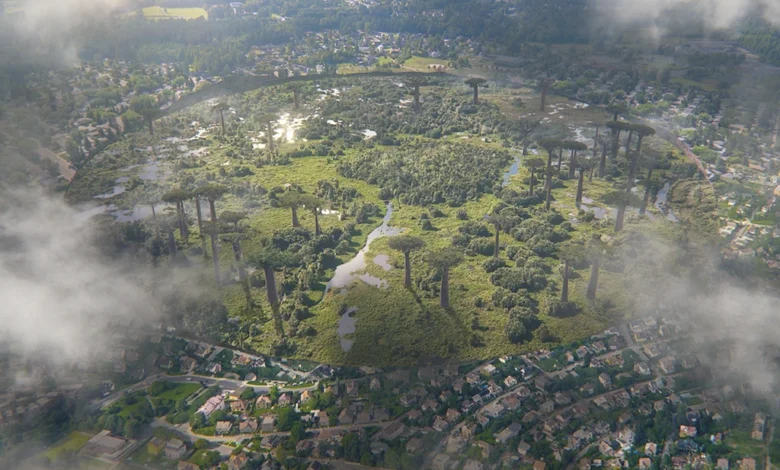
The science-fiction thriller landscape is undergoing a radical shift, moving away from laboratory-engineered de-extinction narratives toward surreal, cosmic displacement. In Warner Bros. Pictures’ The End of Oak Street, directed by acclaimed filmmaker David Robert Mitchell, the traditional prehistoric trope is completely inverted. Rather than utilizing extracted DNA and corporate theme parks to bring ancient species into the modern era, the film uses an inexplicable cosmic event to violently plunge an entire suburban neighborhood into a primordial world. Bringing this high-concept premise to life required a massive, multi-departmental visual effects undertaking, spearheaded by Production Visual Effects Supervisor Jay Cooper alongside Industrial Light & Magic (ILM) and Lola VFX.
Main Facts and Production Framework
With an estimated 700 visual effects shots delivered primarily by ILM, The End of Oak Street represents a distinct departure from blockbuster creature features like the Jurassic Park and Jurassic World franchises. The film stars an ensemble cast including Ewan McGregor and Anne Hathaway as suburban residents thrust into survival scenarios against hostile, unyielding fauna.
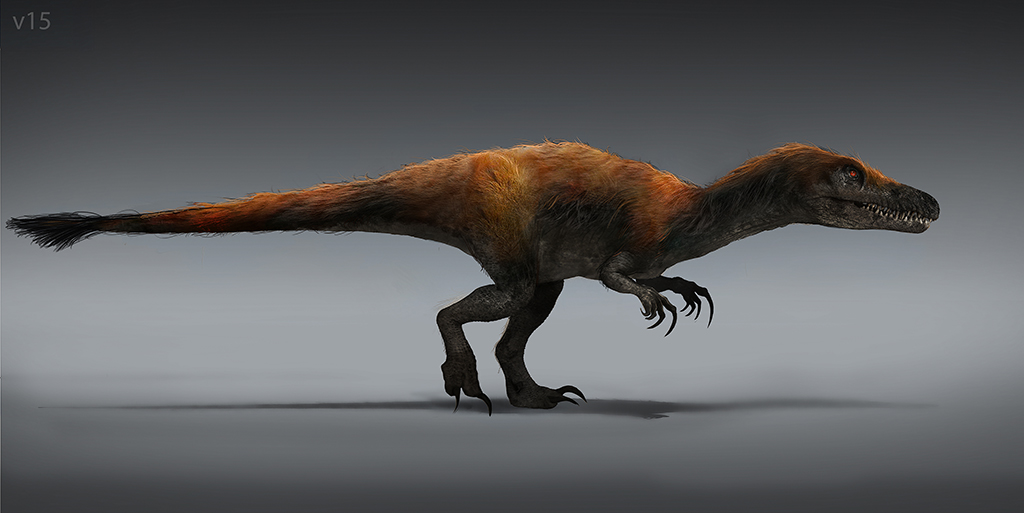
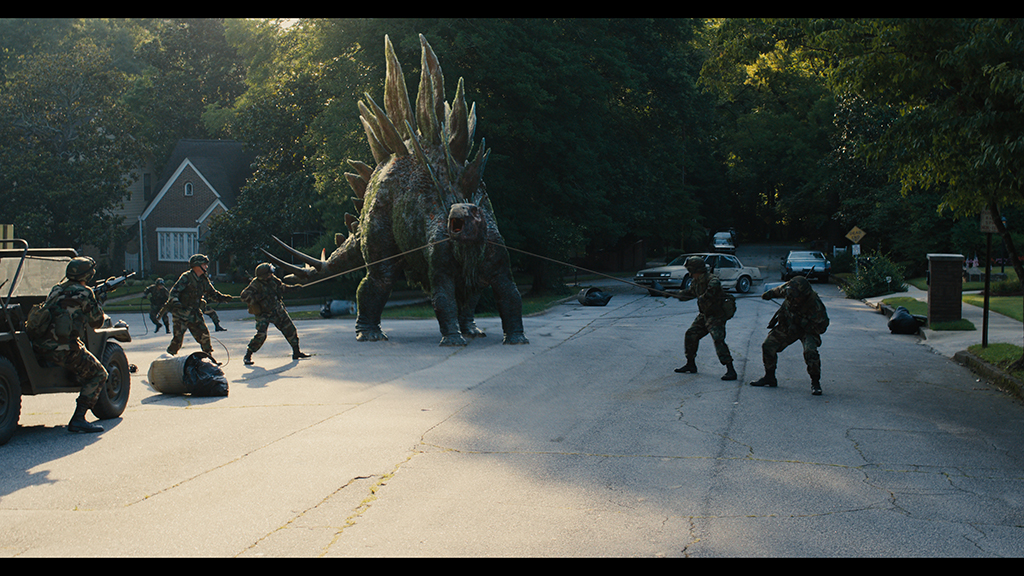
Unlike the Spielbergian approach—which historically relied on John Williams’ majestic orchestral swells to inspire wonder—Mitchell and Cooper intentionally designed their prehistoric menagerie to be menacing, gritty, and deeply unsettling. The digital dinosaurs in The End of Oak Street do not pose for cinematic framing; they rummage through residential trash cans, shatter domestic architecture, leave behind graphic biological waste, and stalk characters with avian unpredictability.
Operating on a budget significantly smaller than standard studio dinosaur features, the production leaned heavily on close-quarters tension, claustrophobic framing, and intense character interaction. The visual effects team successfully balanced large-scale environmental overhauls with intimate, visceral encounters to maximize narrative impact within a PG-13 rating framework.
Chronology and Pre-Production Genesis
The conceptualization of The End of Oak Street began years before principal photography, driven by early creative brainstorming sessions between director David Robert Mitchell and producer J.J. Abrams. Looking to channel the suburban invasion dread of 1980s classics like Poltergeist, the creative team established a visual language that felt tactile rather than ethereal.
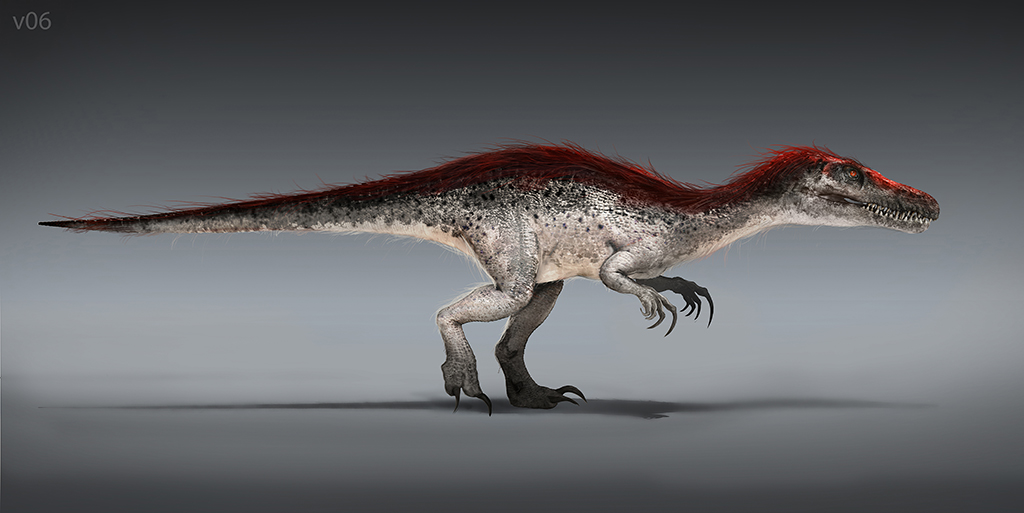
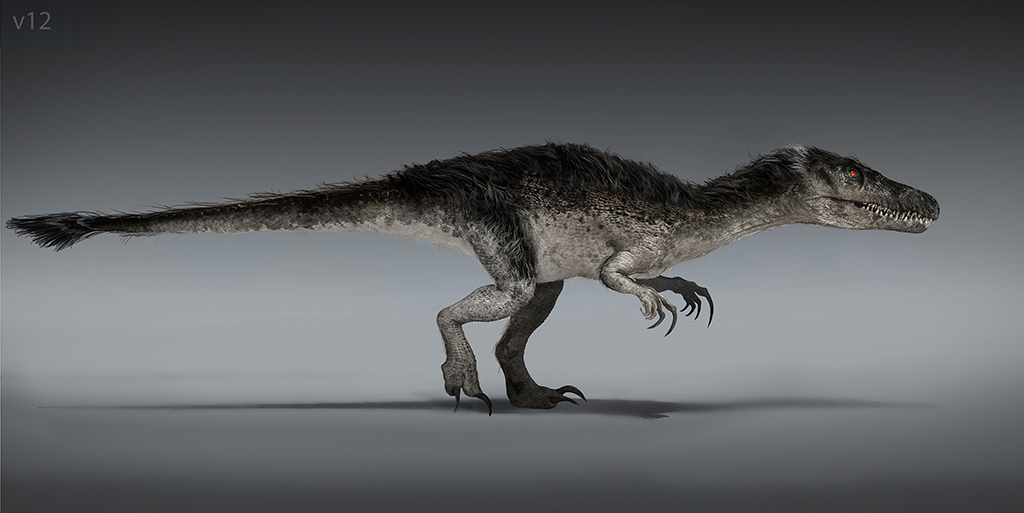
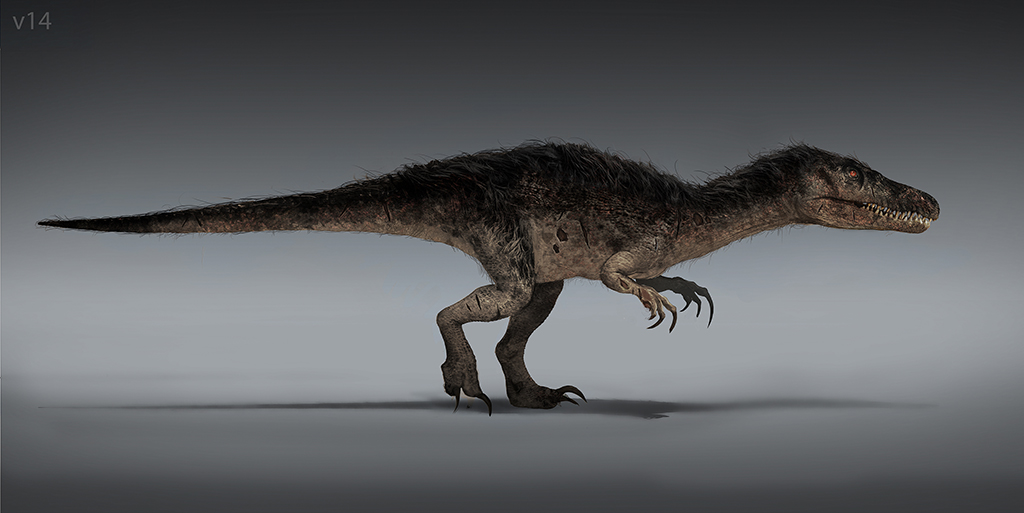
During pre-production, the visual effects pipeline focused heavily on creature design research. Cooper and Animation Supervisor Kevin Martel studied modern avian biology—incorporating behavioral traits from emus, ostriches, and common pigeons—to inform the movements of species like the Coelophysis. This research resulted in signature behavioral nuances, such as unsettling side-eye glances that deliberately obscure whether the predator has targeted a human character.
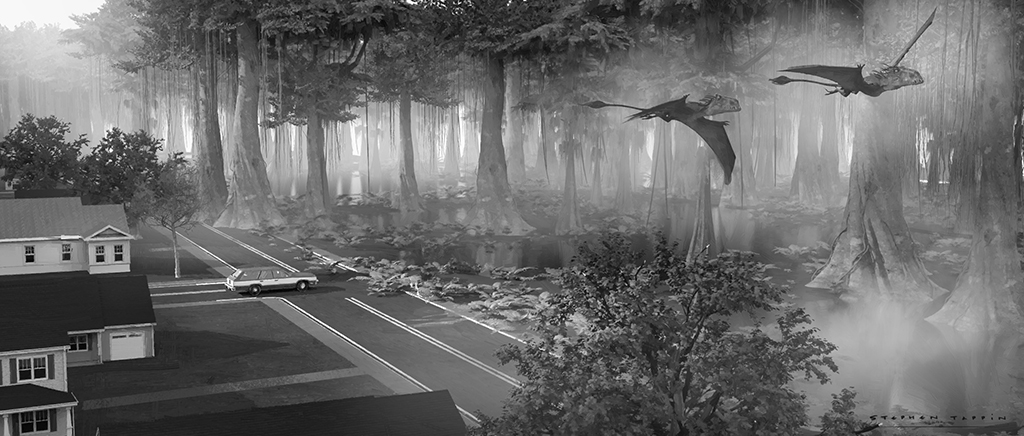
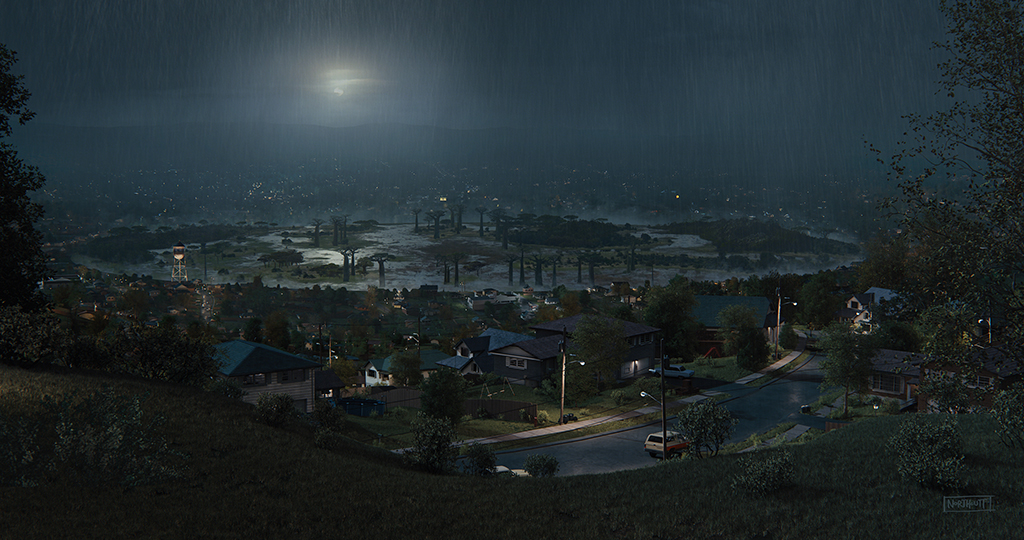
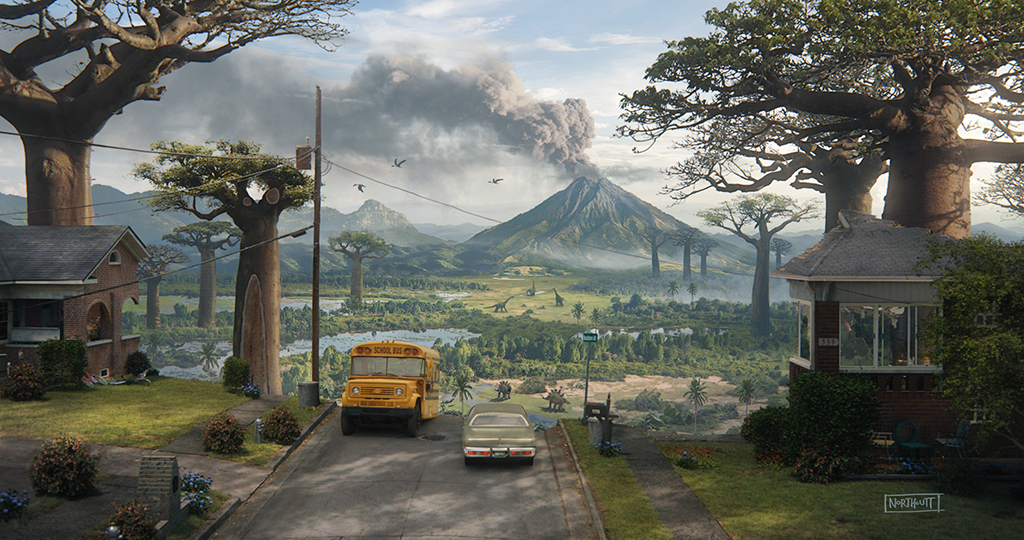
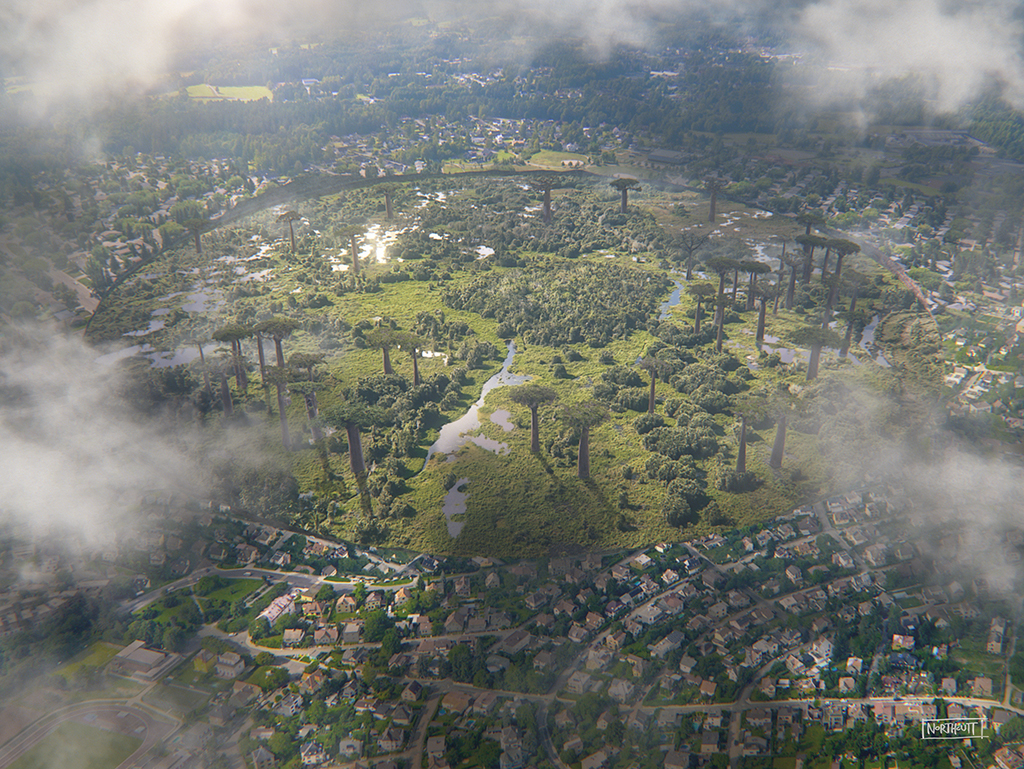
Principal photography was primarily anchored in Atlanta, Georgia, utilizing local residential areas that matched Mitchell’s desired architectural aesthetic. However, the physical locations lacked the dramatic topography demanded by the script. This discrepancy initiated a complex digital environment workflow that required months of pre-visualization and concept art development, led by ILM artists David Ratajczak and Kouji Tajima.
Supporting Data and Technical Execution
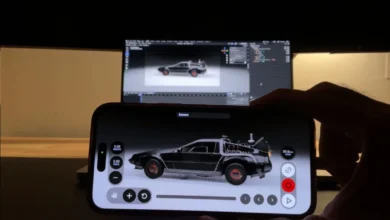
To bridge the gap between practical sets and digital environments, the production utilized cutting-edge technological frameworks. ILM deployed Helios, its proprietary real-time renderer and engine, allowing Mitchell to stage complex shots interactively. By combining real-time motion-capture dinosaur assets with Gaussian splats and traditional Unreal Engine environments, the director was able to block out complex spatial sequences efficiently during pre-visualization.
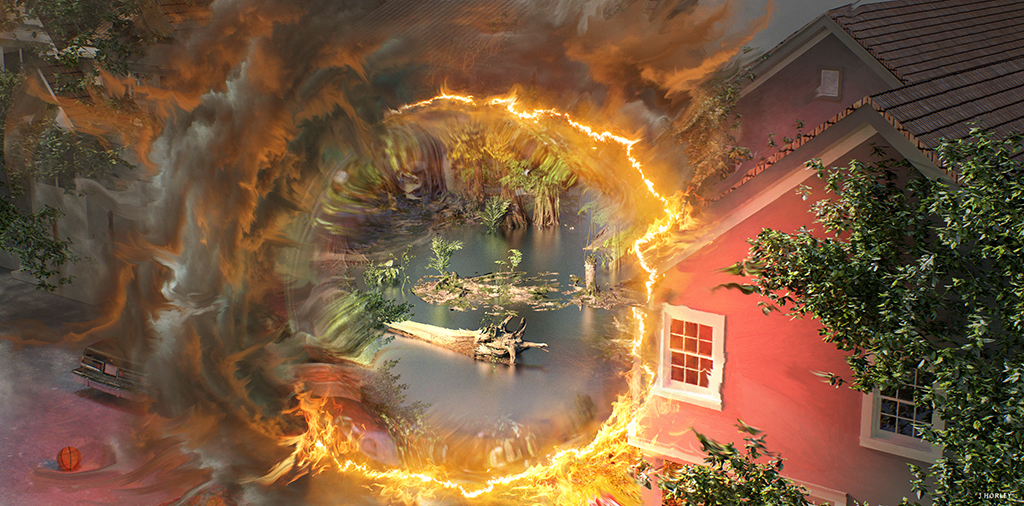
Physical production relied heavily on practical-digital hybrids. Production Designer Maya Shimoguchi and Special Effects Supervisor J.D. Schwalm constructed partial house sets on a studio lot situated between real Atlanta properties. This enabled practical destruction, such as vehicles crashing into facades, while digital extensions handled expanded lawns, neighboring hillsides, and expansive valleys.
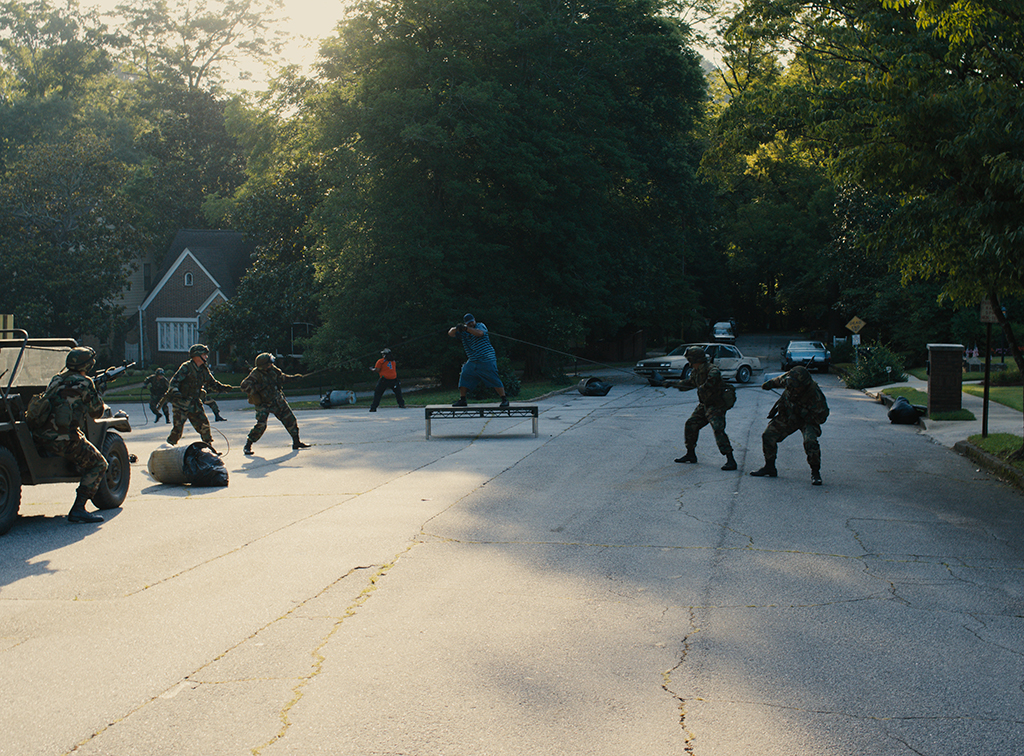
Actors worked with a robust array of on-set physical stand-ins to maintain accurate eyelines and physical reactions. Stunt performers operated custom rigs, including Coelophysis and Ornithosuchus helmet mounts, allowing actors like Anne Hathaway and Ewan McGregor to physically push against, kick, and react to tangible resistance on set. While these physical proxies introduced significant clean-up challenges for digital cleanup artists, they yielded superior emotional performances that translated directly into the final compositing phase.
Official Responses and Creative Liberties
While paleontologists might find friction between cinematic dinosaurs and contemporary fossil evidence, the creative team prioritized narrative resonance over absolute scientific accuracy.
"The good thing is this is a movie, not a nature documentary, so I don’t feel too broken up when the feathers are coming off of the wrong part of the body," Cooper noted regarding the deliberate design choices. "We’re working to build something to affect. To me, the most fun is when it’s something you haven’t seen before, something interesting, evocative, scary, lived in, dangerous and gross."
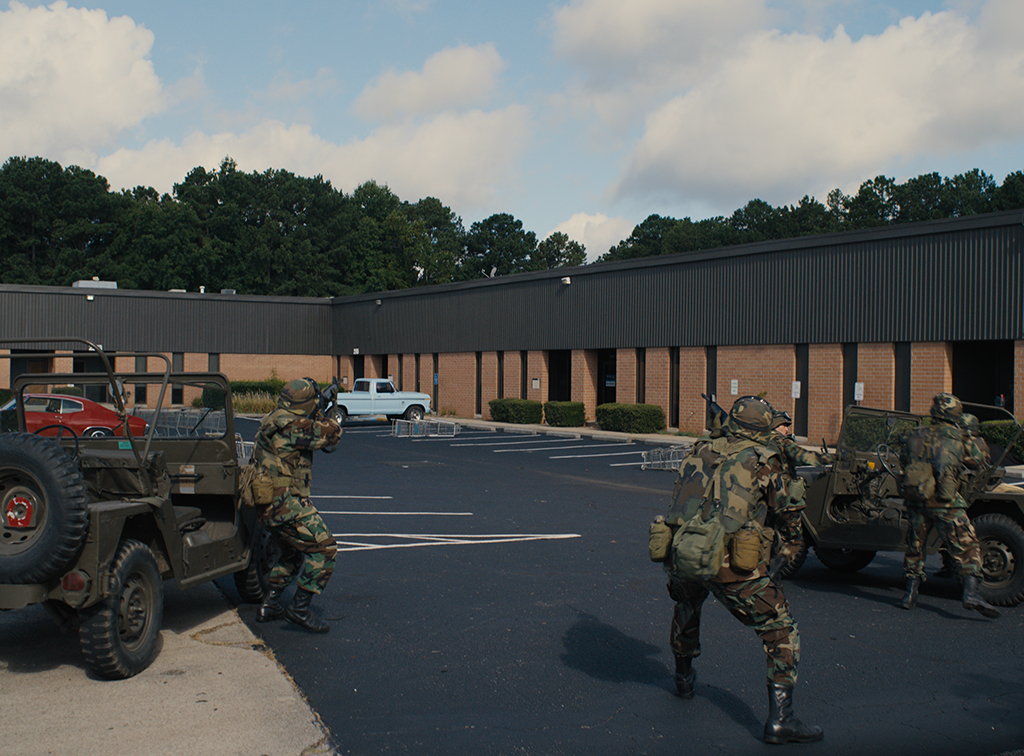
Establishing the geography of Flowervale, Michigan, presented unique logistical hurdles. Because the neighborhood was assembled digitally from disparate real-world locations, the visual effects team had to fabricate clear spatial rules for the audience. The streets were strategically designed to terminate at water sources, dense forests, or massive 200-foot cliff faces created by the cosmic portal’s clean-cut boundary.
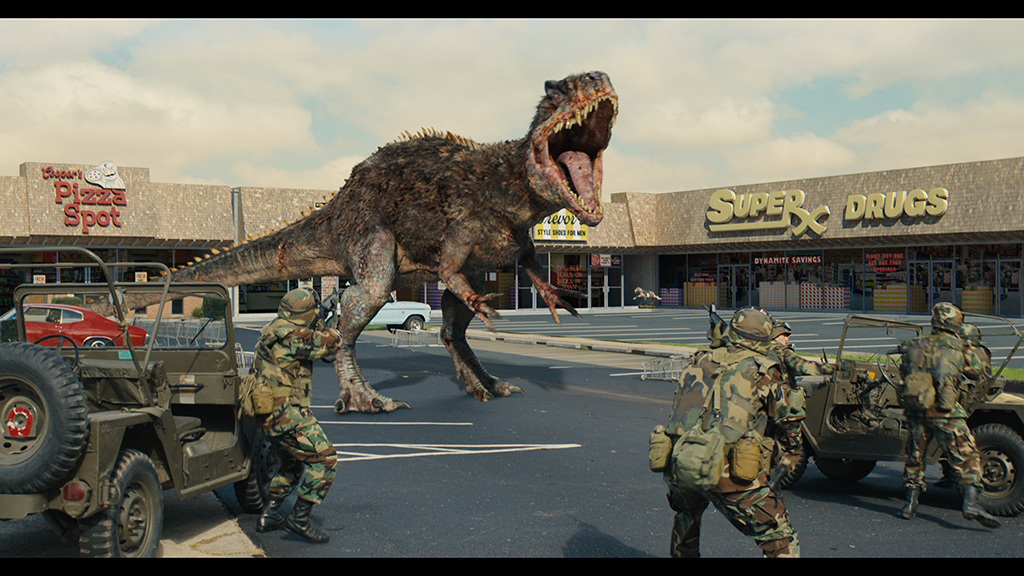
"Storytelling usually wins out over accuracy," Cooper explained, highlighting the team’s willingness to exaggerate cliff heights or introduce bodies of water to ensure viewers could instantly comprehend spatial geography within a fleeting two-second shot.
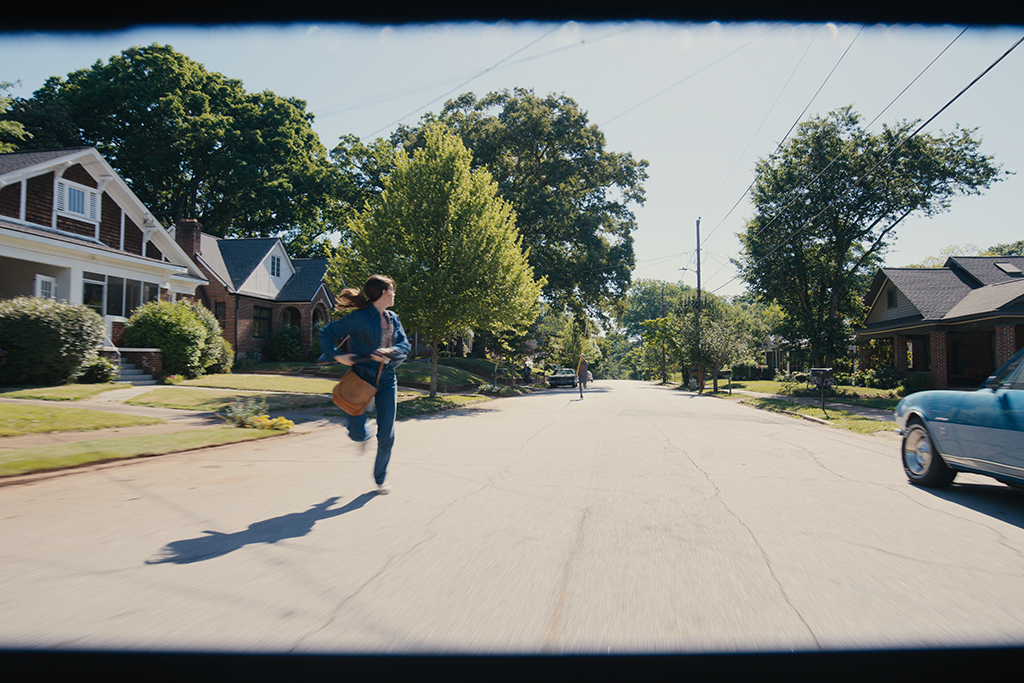
Broader Impact and Industry Implications
The End of Oak Street demonstrates a growing industry appetite for mid-budget genre filmmaking that leverages advanced real-time rendering tools to achieve blockbuster-tier visual fidelity without exhaustive studio bloat. By utilizing virtual production workflows and proprietary engines like Helios, productions can streamline director-driven creative choices long before the final composite stage.
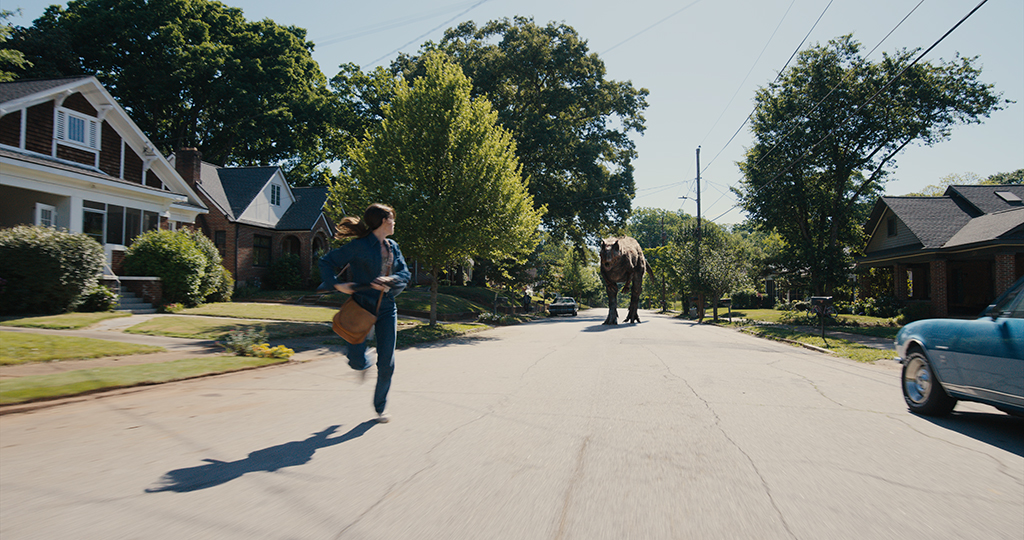
Furthermore, the film’s success in subverting traditional monster-movie tropes proves that psychological tension and environmental claustrophobia remain potent storytelling devices. By grounding prehistoric threats within familiar, mundane suburban architecture—complete with mud, blood, and trash-can raids—the production has established a fresh visual template for speculative science-fiction thrillers moving into the late 2020s.