Forgotten Island Box Office Struggles and Industry Insights From the Ottawa International Animation Festival

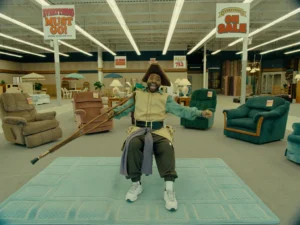
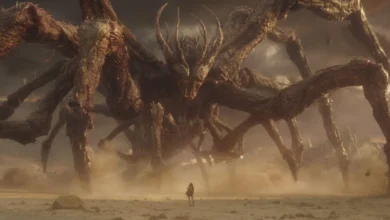
The opening weekend of DreamWorks Animation’s latest original feature, Forgotten Island, has concluded with a disappointing box office return, casting a spotlight on the challenges currently facing original intellectual property in a theatrical landscape dominated by sequels and established franchises. Despite garnering critical acclaim for its narrative depth and visual execution, the film failed to convert positive reviews into significant ticket sales during its initial rollout. This performance, coupled with the ongoing monitoring of Warner Bros.’ long-delayed Coyote vs. Acme, highlights a period of volatility for major animation studios attempting to capture the attention of a post-pandemic movie-going audience.
The Box Office Performance of Forgotten Island
Industry analysts had initially approached the release of Forgotten Island with cautious optimism. As an original feature, it was viewed as a litmus test for DreamWorks Animation’s ability to pivot away from its highly successful franchise model—which includes pillars like Shrek and How to Train Your Dragon—toward new, creative horizons. However, the film’s debut figures suggest that audience interest in original animated storytelling remains fragmented.
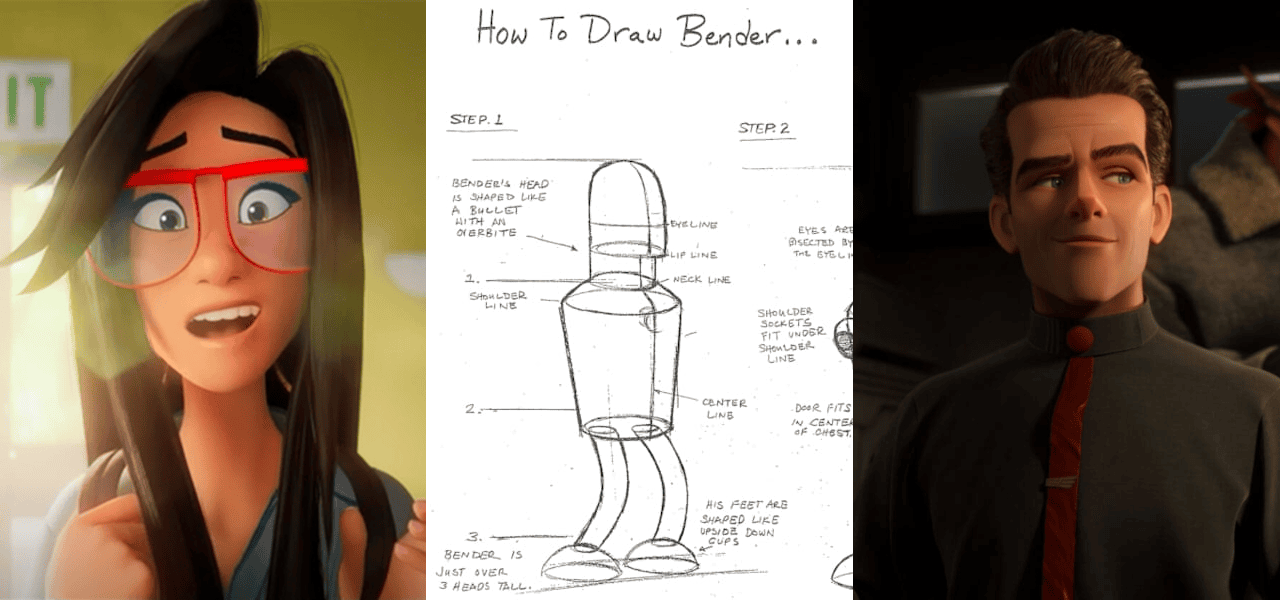
In the current economic climate, original films face a daunting hurdle: the "awareness gap." Without the pre-existing brand recognition of a sequel, films like Forgotten Island must rely heavily on word-of-mouth and aggressive marketing campaigns to break through the noise. While the film’s reviews were largely positive, citing its innovative aesthetic and emotional resonance, these metrics did not translate into the necessary foot traffic to secure a strong opening weekend.
Comparative Analysis: The Coyote vs. Acme Factor
The struggle of Forgotten Island is occurring in parallel with the continued industry discourse surrounding Coyote vs. Acme. The latter film has become a symbol of the "shelved movie" phenomenon, having been caught in the crosshairs of corporate restructuring at Warner Bros. Discovery. While Coyote vs. Acme utilizes a legacy brand, its path to the public eye has been anything but conventional.
The juxtaposition of these two films offers a fascinating study in modern studio dynamics. On one hand, DreamWorks is struggling to launch a new, original vision; on the other, Warner Bros. is grappling with the public relations and financial fallout of withholding a completed, well-received project. Both scenarios reflect a broader industry trend where theatrical viability is increasingly determined by data-driven risk assessment rather than creative merit alone.
.png)
Artistic Mastery: Insights from the 2026 Ottawa International Animation Festival
While the box office numbers provide a sobering reality check, the creative pulse of the industry remains robust, as evidenced by the 2026 Ottawa International Animation Festival (OIAF). The festival served as a premier venue for deep dives into the technical and artistic processes driving the medium forward.
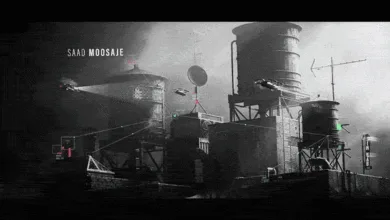
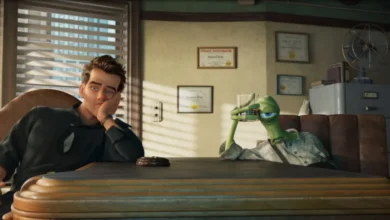
One of the most anticipated highlights of this year’s OIAF was the panel featuring director Brad Bird and his team from the upcoming film Ray Gunn. Bird, a titan of animation, provided an exhaustive breakdown of the film’s production, which has been in development for years. The discussion centered on the project’s distinct retro-futurist world-building. Bird and his team illustrated how they leveraged noir-inspired cinematography to create an atmosphere that feels both nostalgic and cutting-edge.
The technical breakdown of Ray Gunn—ranging from character animation nuances to the intricacies of costume design—offered attendees a masterclass in visual storytelling. By grounding the project in a cohesive aesthetic language, the team aims to prove that audiences are still hungry for original, high-concept animation, provided the execution is sufficiently ambitious.
The Evolution of Iconic Character Design
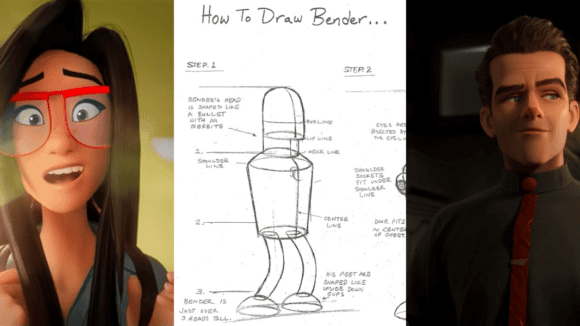
Beyond feature films, the animation community at large has been reflecting on the longevity of established series. Recent disclosures regarding the production manuals for Futurama have provided a rare look at the rigor required to maintain a show’s visual identity over nearly three decades.
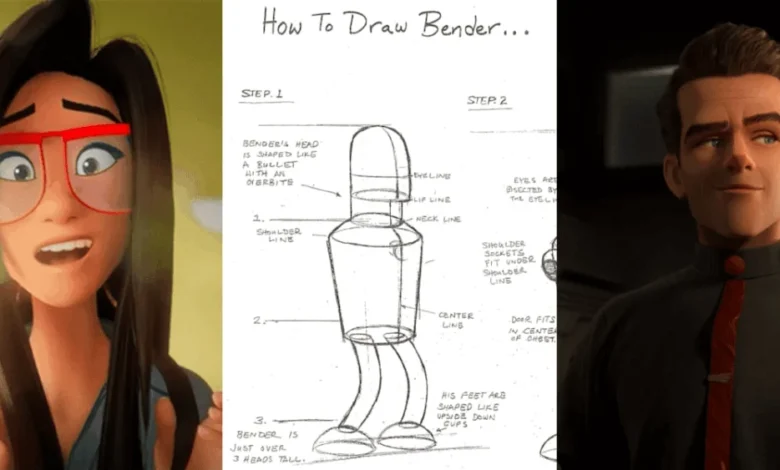
The drawing guides for characters such as Fry, Bender, and Leela reveal a surprisingly specific set of "dos and don’ts." These guides act as a blueprint for artistic consistency, ensuring that whether a scene is animated in a traditional pipeline or through modern digital tools, the "soul" of the character remains intact. This attention to detail is what allows legacy properties to survive multiple generations of production staff, a practice that serves as a vital lesson for studios attempting to launch new franchises today.
Human Rights and Advocacy Through Animation
The intersection of animation and social advocacy was also a significant theme at OIAF 2026. The festival showcased the trailer for the animated short Awake, a project that demonstrates the power of the medium to amplify marginalized voices. Built around a letter written by Mahmoud Khalil while he was held in immigration detention, the short film represents a growing trend of filmmakers using animation to humanize complex geopolitical and humanitarian issues. By centering the narrative on a personal, authentic document, the creators of Awake highlight the capacity for animation to serve as a tool for empathy and political awareness.
Broader Industry Implications and Market Trends
The 2026 OIAF concluded by recognizing the best in the field, with the annual awards highlighting a diverse array of global talent. However, the festival’s conversations extended beyond artistic recognition into the hard-earned realities of the animation market.
Professional development sessions provided creators with strategies for navigating the modern animation marketplace. The primary consensus among industry leaders was that the market is currently undergoing a "correction." Following the massive expansion of streaming-led content production from 2020 to 2023, studios are now tightening their belts. This shift is characterized by:
- Risk Aversion: A return to established IP, making it harder for original projects like Forgotten Island to secure theatrical space.
- Strategic Co-productions: Increased collaboration between international studios to share production costs and mitigate financial risk.
- Audience Fragmentation: A need for more targeted marketing, as the traditional "four-quadrant" blockbuster becomes increasingly elusive for animated features.
Furthermore, industry organizations such as ACE Canada continue to foster the next generation of talent by naming new cohorts, ensuring that despite current market contractions, the pipeline for creative leadership remains filled.

Looking Ahead: A Pivotal Moment for Animation
As we look toward the final quarter of 2026, the animation sector finds itself at a crossroads. The success of upcoming titles at the Manchester animation festival, which has unveiled a robust lineup of features, will be closely watched as a bellwether for the end-of-year box office.
The challenges faced by Forgotten Island are not necessarily an indictment of the quality of the work, but rather an indicator of a demanding and distracted marketplace. The industry’s ability to pivot—by balancing the technical brilliance shown by the Ray Gunn team with the empathetic storytelling found in projects like Awake—will define the landscape of 2027.
For studios like DreamWorks, the path forward requires a recalibration of how original content is marketed and positioned. For the independent sector, the OIAF has proven that there is a vibrant, engaged audience for films that challenge norms and explore the boundaries of the medium. Whether the major studios can successfully bridge the gap between their ambitious creative goals and the current theatrical reality remains the defining question of the year. As the industry gathers in Manchester and beyond, the focus will remain on whether these cinematic achievements can find the commercial success they seek in an increasingly competitive environment.