From Viral Internet Phenomenon to A24 Psychological Horror: Inside the Visual Effects and Practical Wizardry of Kane Parsons’ Feature Debut Backrooms

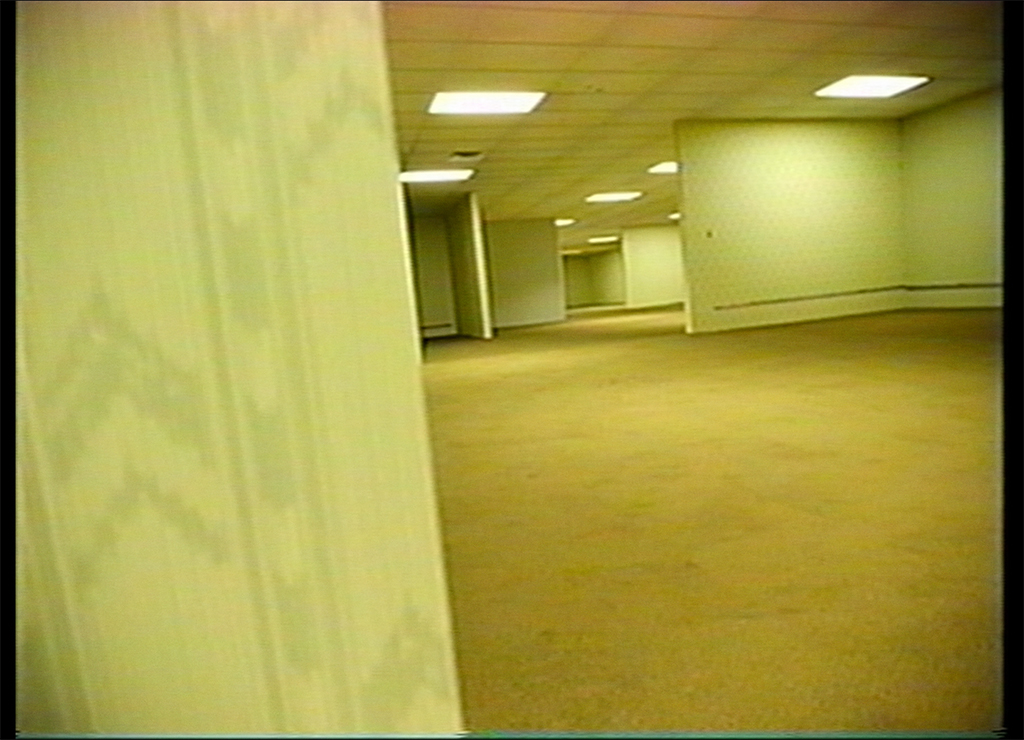
The cinematic landscape of 2026 has witnessed few phenomena as improbable yet commercially triumphant as A24’s psychological horror feature, Backrooms. Born from a single, haunting digital photograph of an empty yellow-wallpapered room in a Wisconsin furniture store posted to 4chan in 2019, the concept evolved over the ensuing years into a viral internet mythos. Its ultimate realization on the silver screen was spearheaded by filmmaker Kane Parsons. When Parsons began constructing his idiosyncratic digital interpretation of the Backrooms using the open-source 3D computer graphics software Blender, he was only 16 years old.
What started as a prolific YouTube web series capturing the imaginations of millions has now transformed into a major motion picture triumph. Directed by Parsons in his feature film debut, Backrooms blends existential dread with uncanny nostalgia, following Clark—portrayed by Chiwetel Ejiofor as a down-on-his-luck furniture store owner who accidentally breaches a bizarre portal beneath his showroom—and Mary, his therapist, played by Renate Reinsve, who embarks on a harrowing quest to find him. Backrooms exemplifies a rare modern cinematic achievement: an indie-spirited horror production operating on a $10 million budget that manages to deliver over 600 complex visual effects shots across an 78-minute runtime.
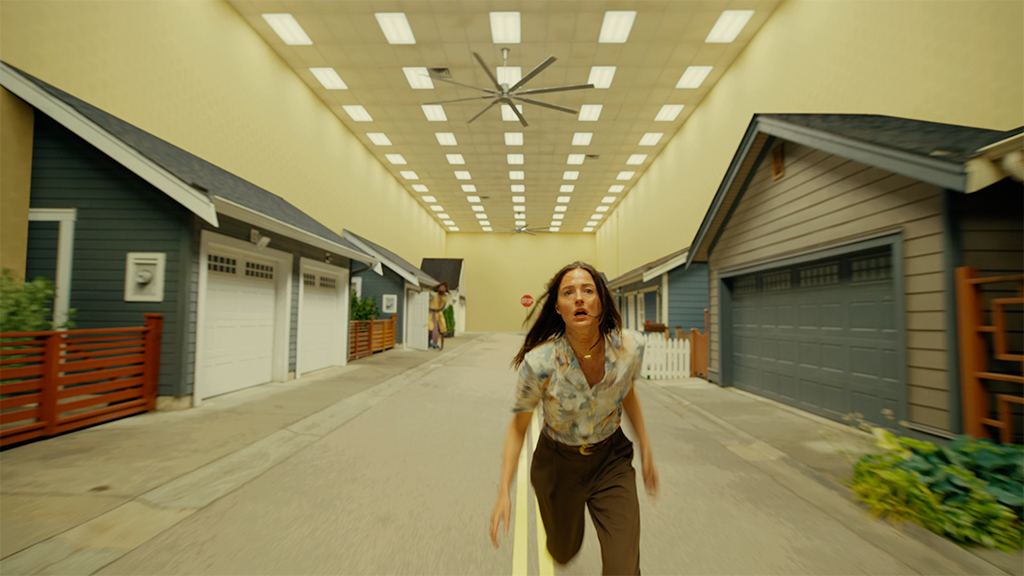
Bridging Digital Origins and Physical Sets: The Production Pipeline
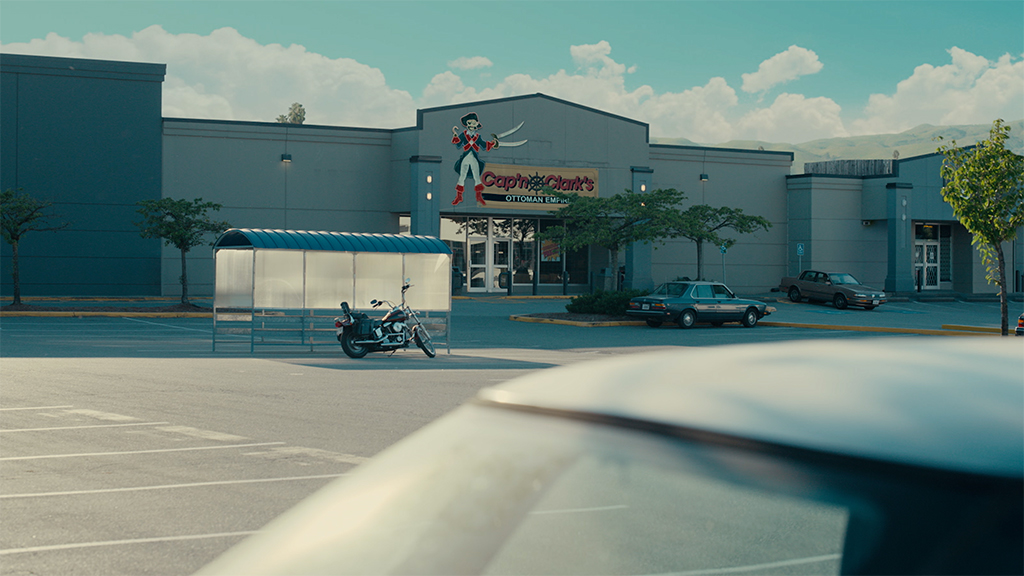
When the production transitioned from viral YouTube shorts to a full-scale feature film distributed by A24, the creative team faced the unique challenge of maintaining the distinct aesthetic that made Parsons’ original shorts so unnerving. Rather than relying entirely on a green screen paradigm or green-lighting a completely computer-generated landscape, the production prioritized a hybrid methodology. Visual Effects Supervisor Edward Douglas and his team worked closely with Parsons to ensure that practical and digital environments were conceptualized in tandem.
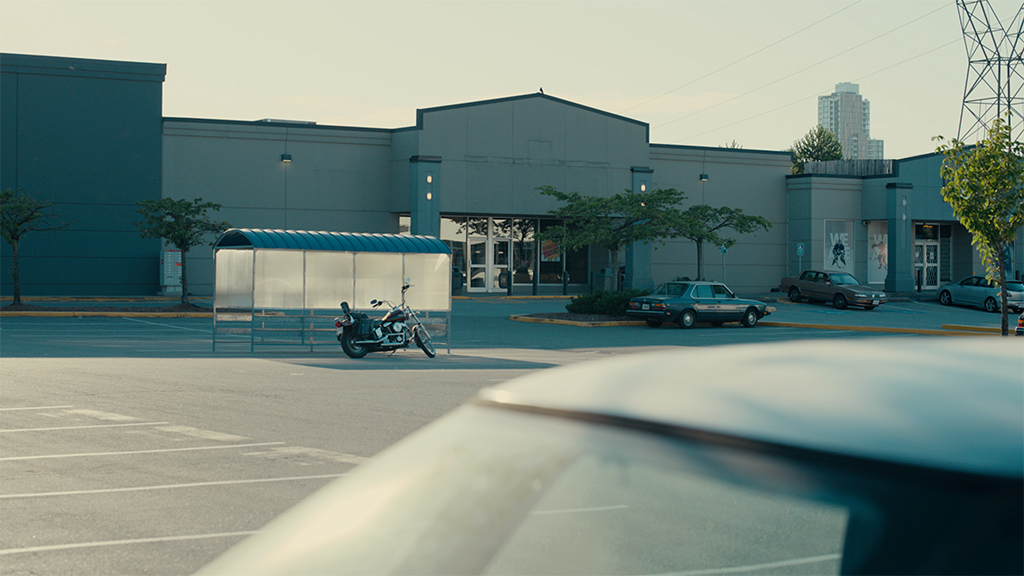
In a testament to Parsons’ early dedication, key sequences were constructed directly from the Blender files he had authored years prior as a teenager. "There were certain moments where we were literally taking the Blender file he built when he was 16 and working off it, enhancing it, getting it ready for cinematic quality and then moving it into a production pipeline," Douglas explains.
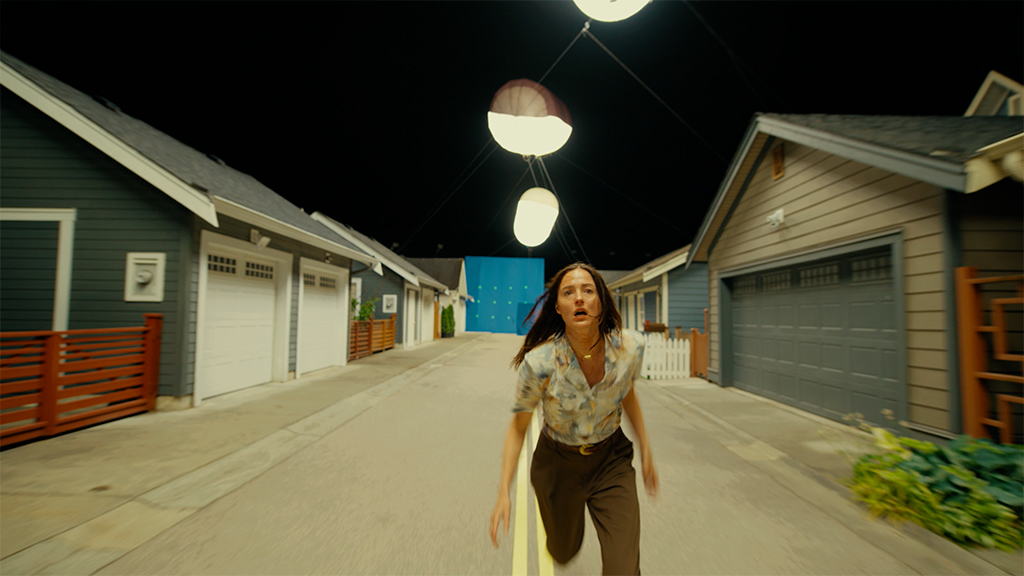
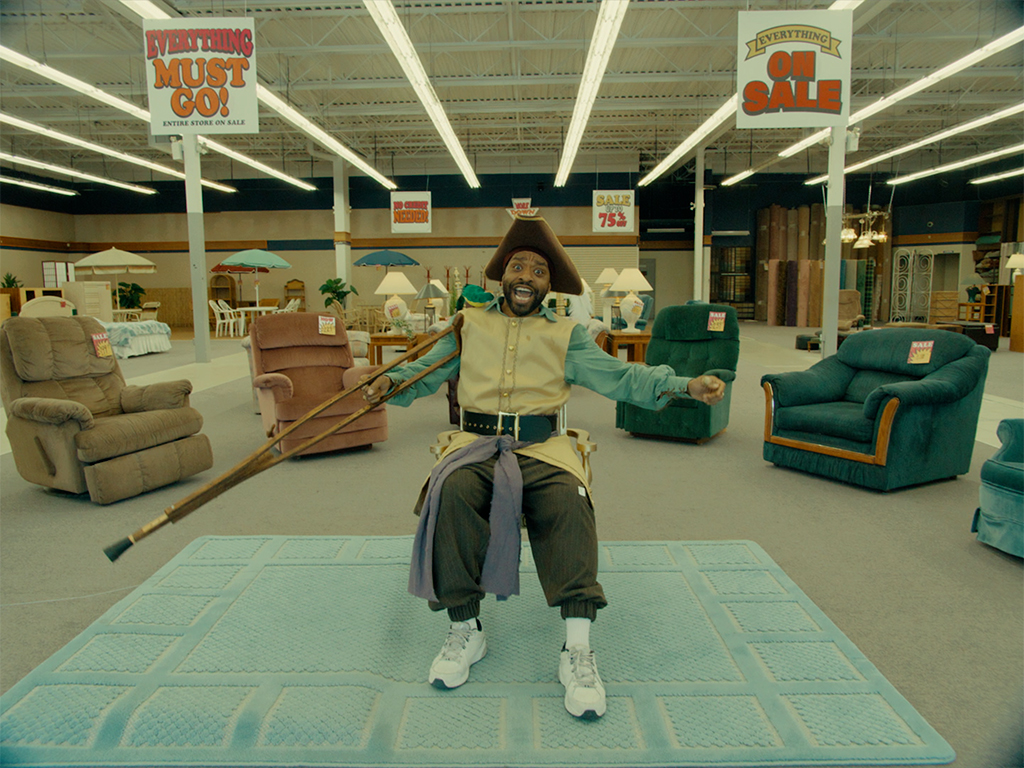
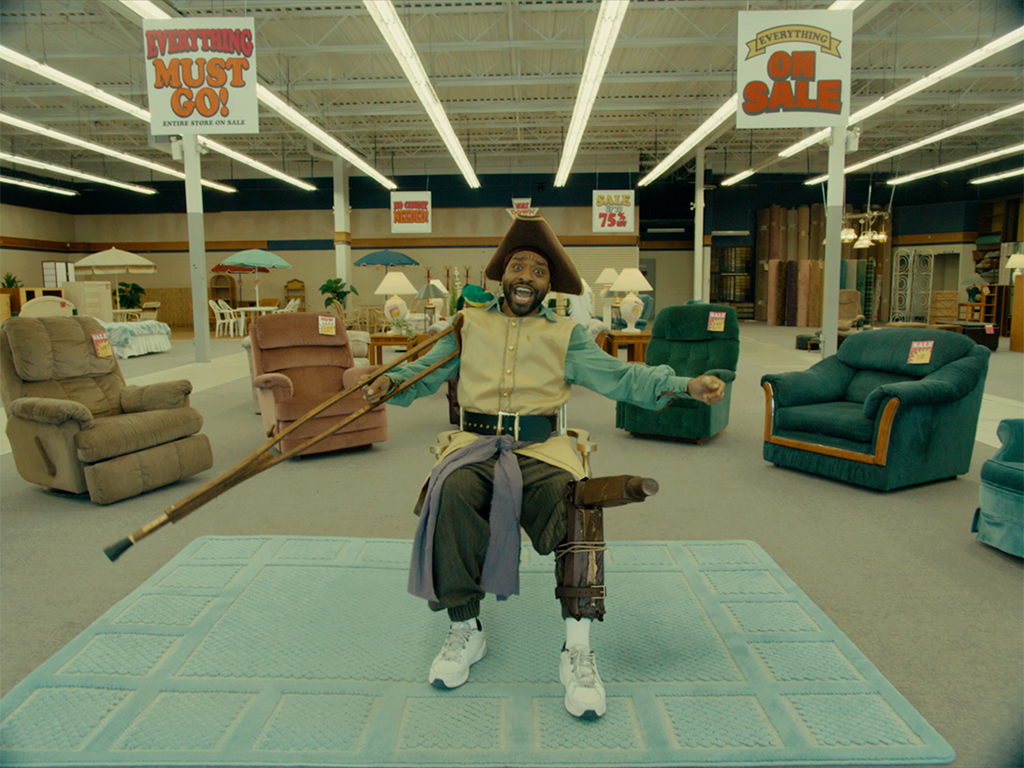
Despite his deep background in computer graphics, Parsons was adamant about creating a tangible space for his actors. The physical production erected approximately 30,000 square feet of physical sets across four sound stages, complementing the roughly 100,000 square feet of digital space designed by the director. For Douglas, the definition of visual effects is rooted in practical problem-solving rather than mere digital generation. "I don’t think of visual effects as computer things," Douglas notes. "I think of visual effects as figuring out what tricks we need that we can’t film for real. My job as a supervisor is to make sure that whatever we can’t film for real ends up in the movie."
Navigating the Challenges of ‘Clipping’ and Practical Makeup Effects
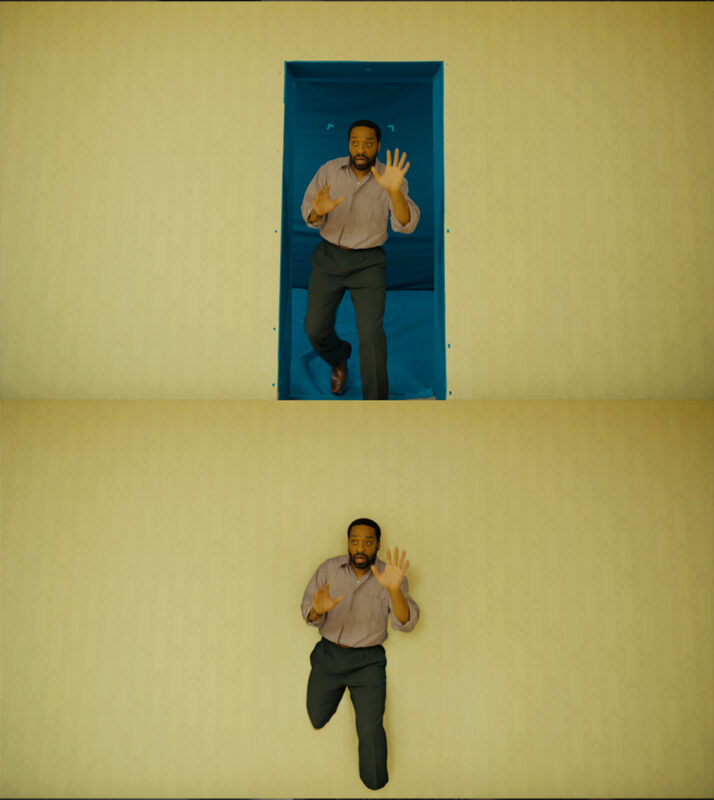
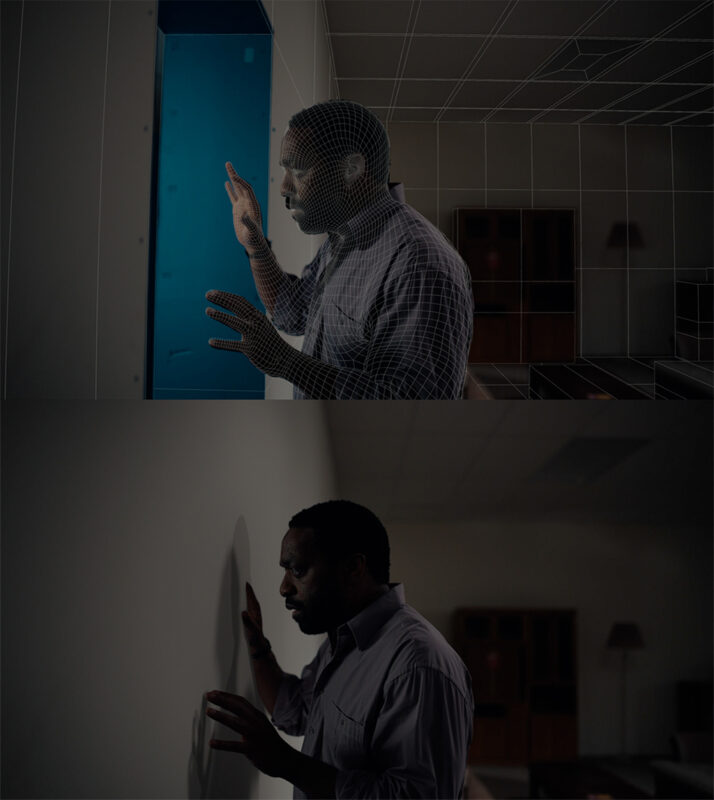
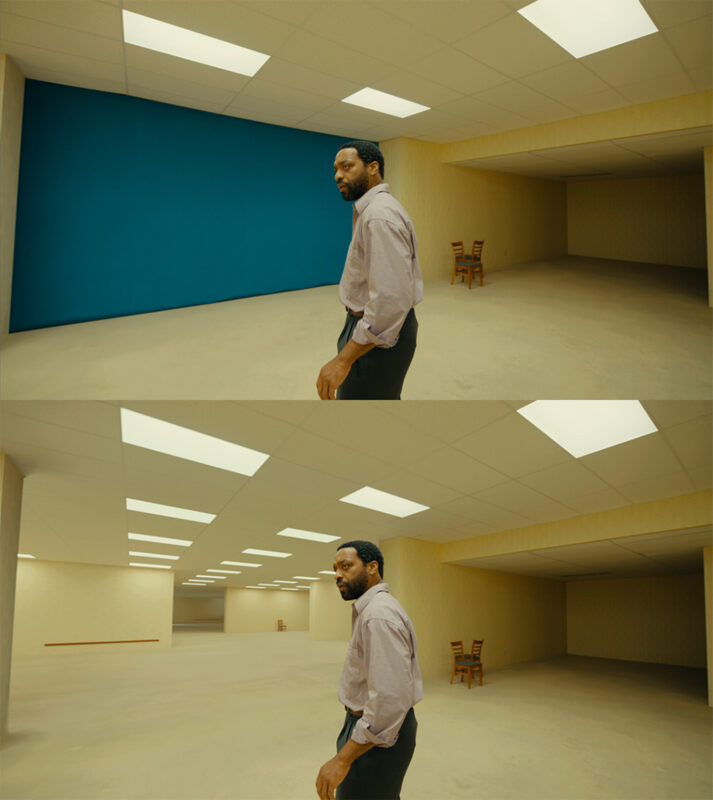
One of the most distinctive visual hallmarks of the Backrooms lore is the concept of "clipping"—the glitch-like phenomenon where entities or individuals pass through solid walls as if they were intangible. Recreating this effect for the film required a delicate synchronization between physical performance and post-production wizardry. Actors would physically maneuver through strategic openings built into the practical sets, allowing for natural body mechanics, while the VFX teams—led significantly by Mr. Wolf VFX—subsequently restored the walls around them in post-production.
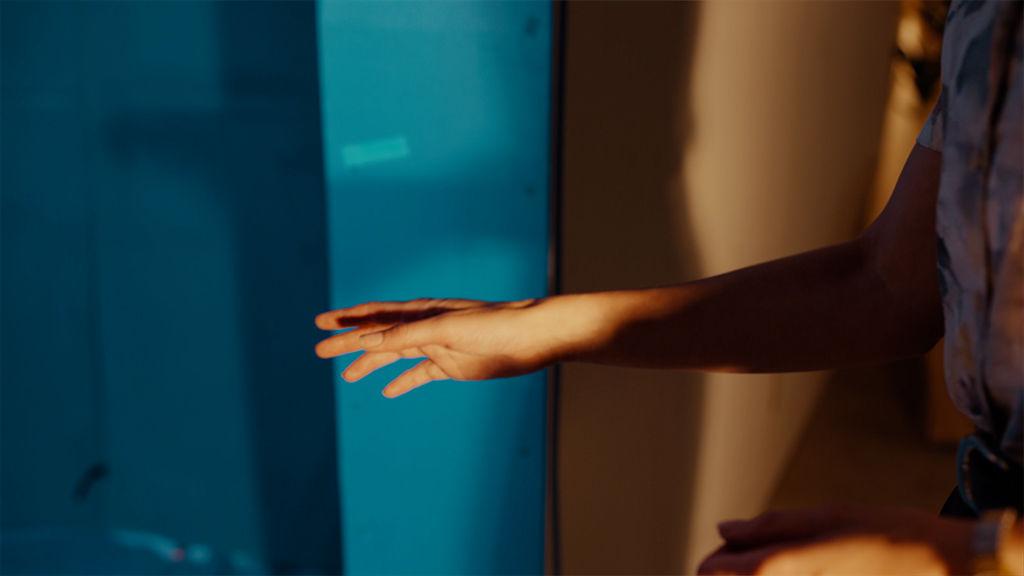
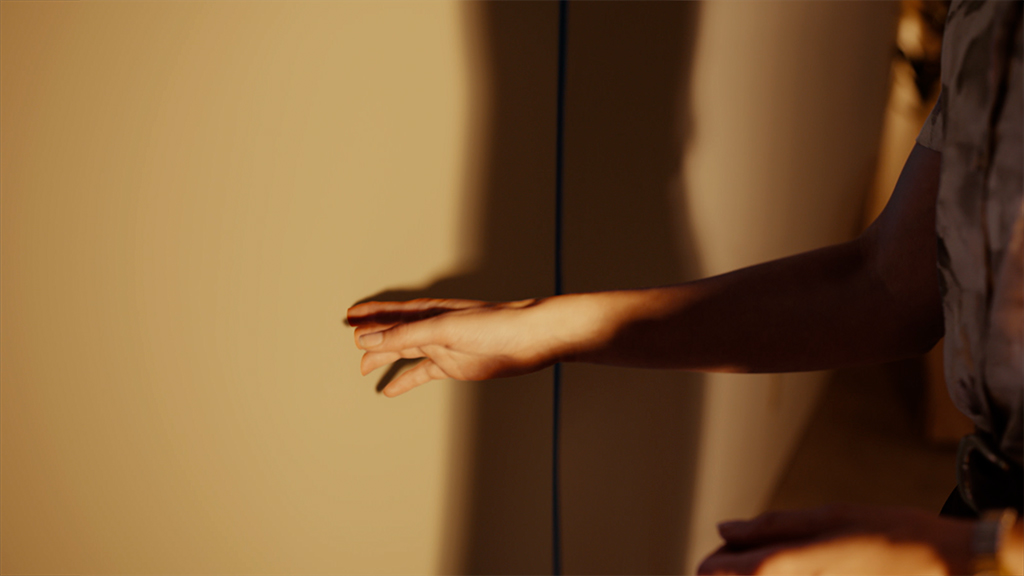
"Clipping was an incredibly simple concept but pretty challenging to pull off," Douglas states. "You have two objects in a computer and you’re just sliding them together. There’s nowhere to hide. So it was about letting the actors perform naturally and then adding in the walls where they would slide back through." According to Douglas, the psychological sell of the effect relied heavily on precise shadow integration, utilizing CG shadows projected from animation onto the physical walls.
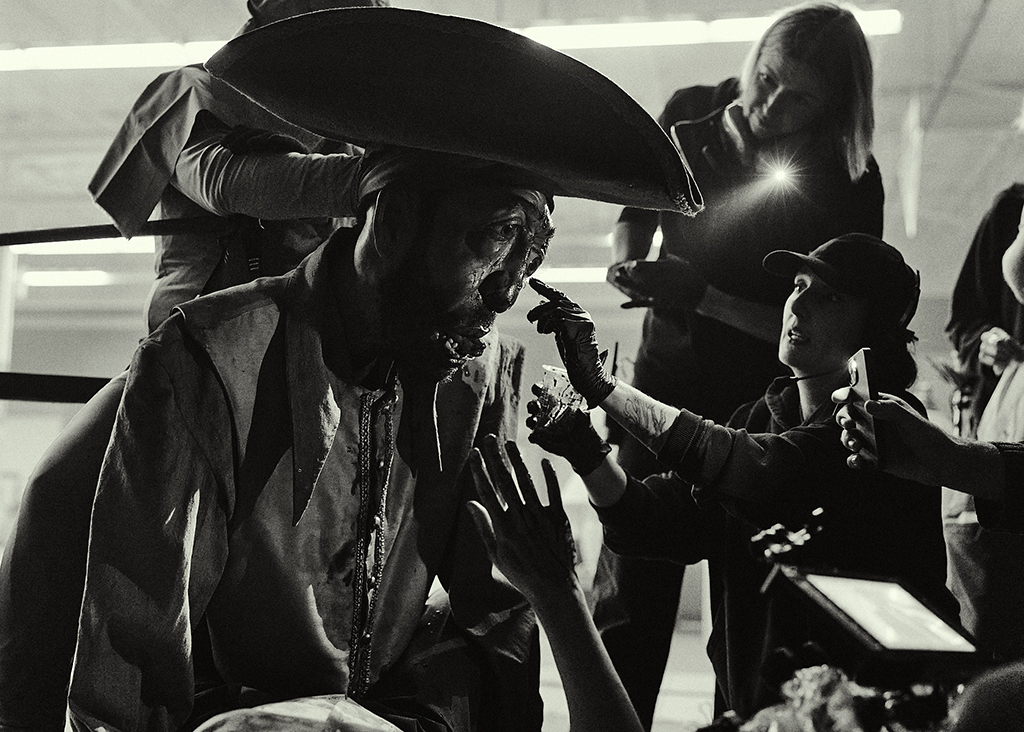
Parallel to the digital interventions, the film relied extensively on practical makeup and creature effects supervised by Werner Pretorius and his team at Amazing Ape. The monstrous entities known within the universe as "Still Lifes" were brought to life through intricate prosthetics that frequently deceived even seasoned industry professionals.
For the redheaded Still Life character—whose surreal, distorted facial geometry drew inspiration from sculptor Evan Penny’s work—actress Rhiannon Roberts endured grueling conditions. Sporting high heels and a complex prosthetic suit on a stationary corner set for three consecutive days of filming, Roberts relied on subtle viewing holes to navigate the demanding sequence.
Another Still Life, featuring a striped shirt and multiple sets of eyes, utilized roughly 90% prosthetic makeup. However, to synchronize the eye-lines and create a deeply unsettling atmosphere, VFX artists replaced the unarticulated glass prosthetic eyes with computer-generated enhancements. "Whenever he blinked, we made the other eyes blink, but offset," Douglas says. "So it was like creepy cascading blinks. It is so creepy, and I love it so much." The illusion was so effective that when reference plates were sent to external vendors, the artists asked for the "originals without VFX," assuming the exceptional prosthetics were entirely digital creations.
Bringing Pirate Clark to Life: A Multinational Monster Collaboration
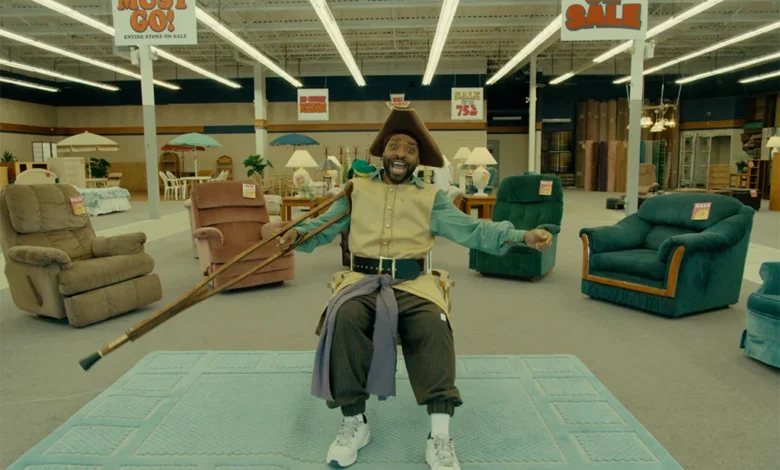
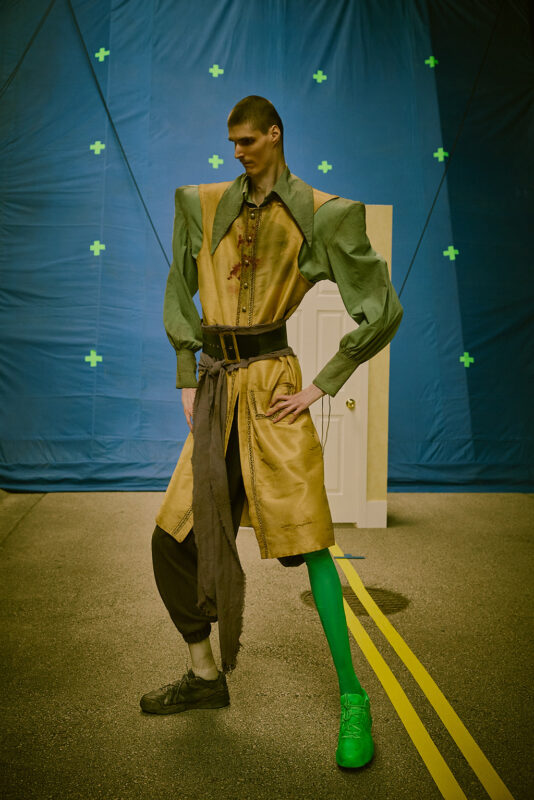
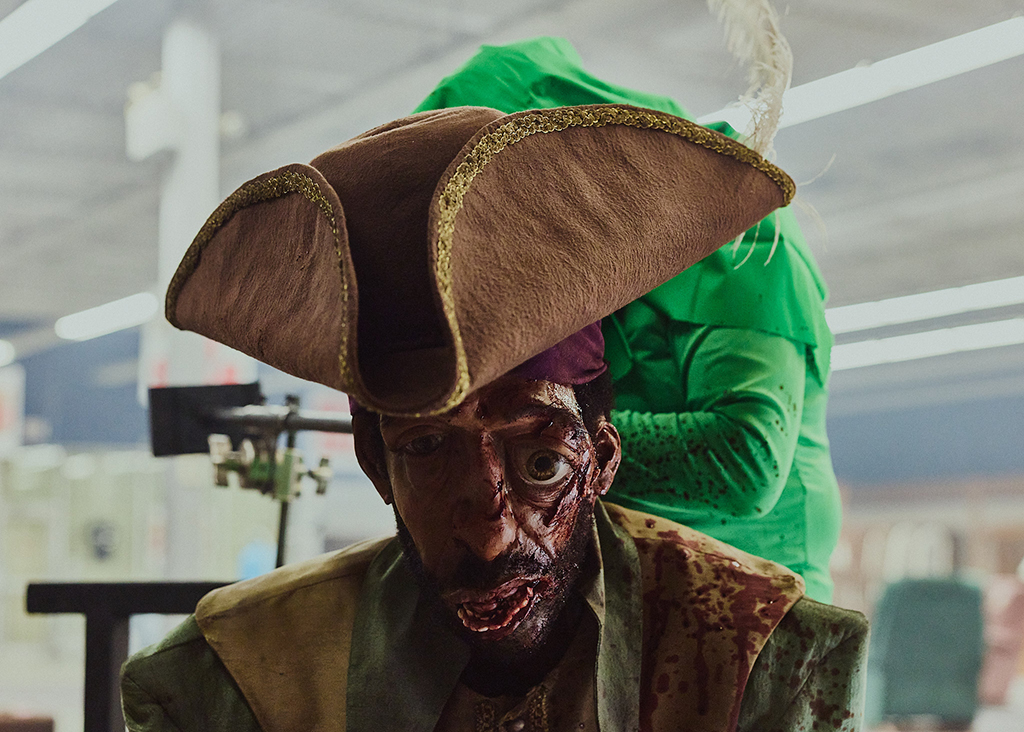
Perhaps the most formidable creature creation in Backrooms is Pirate Clark—an 8.5-foot-tall distorted duplicate of Ejiofor’s character. The realization of this towering entity required a sophisticated fusion of physical performance art, advanced makeup, puppetry, and digital facial replacement.
Initially, the production considered utilizing stunt performers on stilts, but concerns over production speed and safety prompted a pivot. The solution materialized when the team cast Robert Bobroczkyi, the towering performer recognized for his standout creature work in Alien: Romulus. Bound by a rapid casting turnaround, Bobroczkyi stepped into the role alongside puppeteer Richard Darwin, anchoring the physical movements and presence of the monster on set.
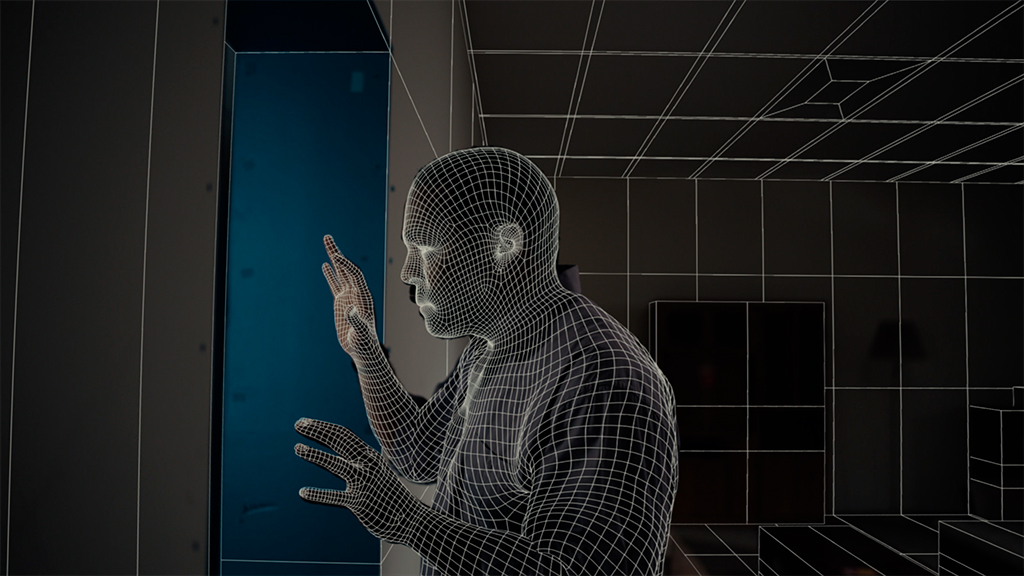
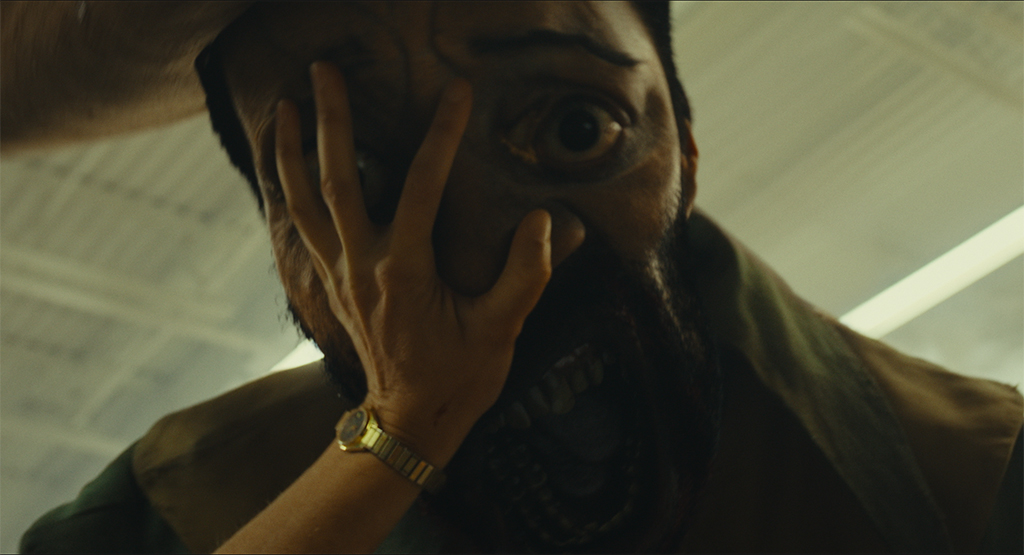
Because the physical mask worn by Bobroczkyi could not achieve the nuanced emotional micro-expressions demanded by the narrative, Zoic Studios intervened during post-production. Utilizing a high-resolution digital scan of Chiwetel Ejiofor, the team mapped a CG face onto the puppet. The creative directive explicitly avoided turning Pirate Clark into a conventional, snarling horror monster. Instead, Parsons and Douglas sought to evoke a deep sense of tragedy, fear, and sorrow. Animators continuously micro-adjusted the facial expressions to ensure consistency across changing camera angles and dramatic lighting conditions.
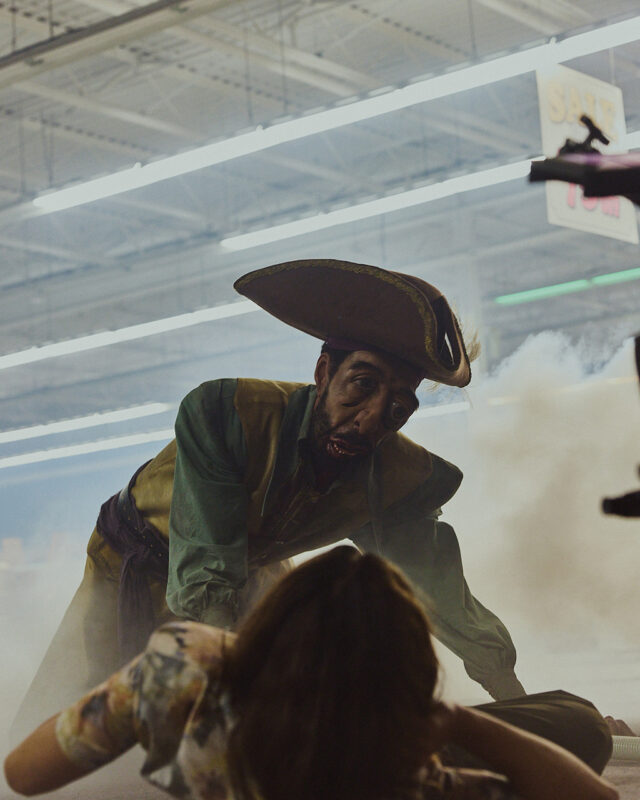
The complexity culminated in the film’s climactic confrontation sequence, which combined smoke generators, flickering lighting rigs, and intricate hand-to-face interactions between Mary and the puppet. In a humorous behind-the-scenes touch, Douglas himself stepped in as a physical reference element, providing gloved-hand inserts for close-up grabbing shots directed at actress Renate Reinsve.
An Analog Soul in a Digital Era: VHS Technology and Vendor Collaboration
Despite the heavy reliance on modern digital pipelines—which included contributions from 11 specialized external vendors such as Zoic Studios, Roxel Creative, Mr. Wolf VFX, CoSA VFX, Barnstorm Visual Effects, and Stormborn VFX—Backrooms maintained a staunchly analog ethos when handling historical and found-footage aesthetics.
Rather than relying purely on digital filters to simulate VHS degradation, the production routed imagery directly through physical VHS hardware. Frame-rate adjustments, tracking errors, and tape speeds were captured using tangible machinery. Furthermore, Kane Parsons utilized a physical distortion box—analogous to a guitar effects pedal—allowing him to manually introduce signal interference into the cables linking computers to the VCR during mastering.
This hybrid dedication to tactile filmmaking extended to large-scale set extensions and simulated destruction. When an excavator was required to smash through the interior wall of Mary’s childhood home—a practical impossibility for actual preservation reasons—Stormborn VFX constructed a detailed, period-accurate interior environment entirely within a computer-generated simulation. The sequence seamlessly transitions from practical photography into a destructive digital physics sim.
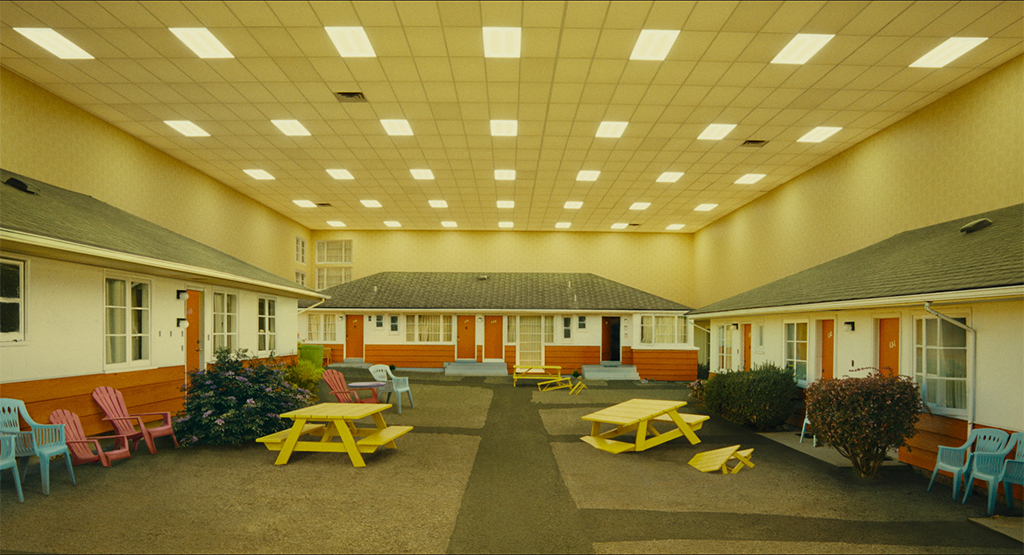
Similarly, CoSA VFX spearheaded the creation of the Threshold Chamber near the conclusion of the film. Utilizing a green and blue screen-heavy environment where only the physical door and floor existed on stage, the team up-resed and integrated the very same Blender asset Parsons originally authored as an adolescent.
Industry Implications and Box Office Legacy
The unprecedented critical and commercial performance of Backrooms marks a watershed moment for internet-born intellectual properties. By entrusting a micro-budget creator with a feature-length A24 platform, the studio has demonstrated that modern audiences respond favorably to authentic artistic visions that preserve the raw, uncanny texture of underground digital art.
With 600 visual effects shots embedded across 830 total cuts, Backrooms achieved an astonishing density of digital artistry for a $10 million production. By prioritizing a foundational framework of physical sets, practical prosthetics, and analog video processing over ungrounded CGI spectacle, the creative team established a new benchmark for psychological horror world-building. As Kane Parsons continues to oversee his creations—frequently jumping into the digital pipeline himself to tweak shots—Backrooms stands as a testament to the potent synergy between bedroom-coder ingenuity and elite Hollywood craftsmanship.
Related posts: