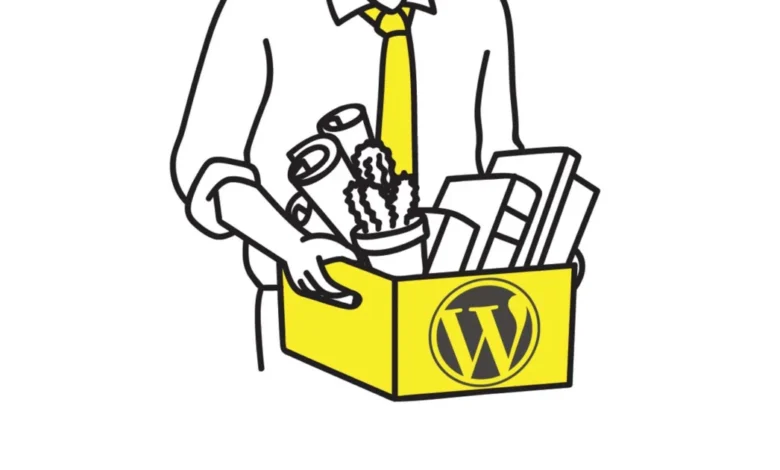
In a move that has sent shockwaves through the global web development community, the board of directors at Automattic has officially placed co-founder and CEO Matt Mullenweg on a paid leave of absence. The decision marks a historic turning point for the company behind WordPress.com and the primary steward of the open-source WordPress software. Mark Davies, the company’s Chief Financial Officer, has been appointed to step into the leadership role on an interim basis as the board navigates the fallout of an increasingly volatile corporate climate.
This development follows a period of intense public and legal scrutiny surrounding Mullenweg’s aggressive posture toward WP Engine, a prominent managed WordPress hosting provider. The friction between the two entities, which Mullenweg characterized as a "nuclear" conflict, has culminated in a series of legal battles and internal governance crises that appear to have exhausted the patience of Automattic’s board.
The Internal Power Struggle
The decision to remove Mullenweg was reportedly finalized with little notice. According to internal communications leaked to various industry outlets, Mullenweg informed his staff via an internal Slack channel that he had been blindsided by the resolution. He claimed that he received notification of the board’s decision a mere 50 minutes before a scheduled Executive Leadership Team (ELT) meeting. Mullenweg alleged that his requests for a brief delay to consult with independent legal counsel were denied by the board, effectively forcing him out of his administrative duties before he could mount a formal defense.
Mullenweg has framed the move as a coordinated effort by the board, with the alleged involvement of CFO Mark Davies, to seize control of the organization. While the board has remained largely silent regarding the specific internal deliberations, the timing suggests a desire to stabilize the company as it faces mounting legal pressures.
Chronology of the Conflict
The tension leading to this ouster can be traced back to September 2024, when Mullenweg publicly attacked WP Engine during a keynote address at WordCamp US. Mullenweg labeled the hosting company a "cancer to WordPress," citing alleged trademark infringement and a lack of contribution back to the open-source ecosystem.
The situation escalated rapidly over the following weeks:
- Late September 2024: Mullenweg initiates a campaign to block WP Engine from accessing WordPress.org resources, a move that drew widespread criticism from the developer community and legal experts.
- October 2024: WP Engine files a lawsuit against Automattic and Mullenweg, alleging attempted extortion and the abuse of power within the WordPress ecosystem.
- November 2024: Reports emerge regarding a motion for sanctions in the ongoing litigation. Court filings reveal that Automattic’s e-discovery vendor, Jonathan Robins, struggled to recover essential data from Mullenweg’s devices.
- December 2024: The court indicates a high likelihood of granting a preliminary injunction against certain actions taken by Automattic, further complicating the company’s legal standing.
- January 2025: The Automattic board of directors convenes to discuss the company’s future, resulting in the decision to place the CEO on leave.
Legal and Operational Challenges
The "nuclear war" against WP Engine has left Automattic vulnerable on multiple fronts. Central to the legal conflict is the accusation that Mullenweg failed to preserve relevant electronic evidence. Reports indicate that multiple devices belonging to the CEO, including a laptop and a mobile phone, were reported missing or were otherwise unavailable for forensic review during the discovery phase of the lawsuit. These procedural failures have significantly weakened Automattic’s position in court, leading to the motion for sanctions that currently threatens the company’s defense strategy.
Beyond the courtroom, the conflict has created an operational crisis. Automattic is not merely a private software company; it is the primary financial engine and administrative support for the WordPress project. When the leader of such an entity becomes the focal point of a public legal battle, the stability of the entire ecosystem is called into question.
Broader Market Impact and Community Sentiment
The repercussions of these events extend far beyond the boardroom of Automattic. WordPress, which powers over 40% of the internet, has begun to show signs of instability. Market data suggests a steady decline in the platform’s market share as users and enterprise clients express concern over the stability of the software’s future governance.
WordCamp, the international series of community-run conferences, has also felt the impact. Historically a hub for collaboration and innovation, recent events have seen a marked decline in attendance and sponsorship. Many developers who have long relied on WordPress as their primary source of income are now reporting a downturn in their own businesses. This is exacerbated by a broader shift in the digital landscape: the rise of AI-driven content generation and development tools has led to a surge in security vulnerabilities within the plugin ecosystem, forcing many small developers to choose between expensive security updates and the loss of their user base.
Analysis: The Governance Question
The ouster of a founder-CEO is a rare and extreme event, typically reserved for situations where the board determines that the individual’s personal conduct poses an existential risk to the firm. By removing Mullenweg, the Automattic board is attempting to decouple the company’s identity from its founder’s inflammatory rhetoric.
However, the challenge for Mark Davies and the remaining leadership team is immense. WordPress is built on a foundation of open-source philosophy, and the "benevolent dictator" model—a term often used to describe Mullenweg’s role—has been a defining feature of the project’s success for two decades. Replacing that model with a more traditional corporate governance structure may satisfy investors and legal entities, but it risks alienating the passionate developer community that has been the backbone of the platform.
Looking Ahead
As the investigation into Mullenweg’s tenure continues, the tech industry is watching closely to see if the board will seek a permanent replacement or if a path for reconciliation can be forged. For now, the company remains in a period of transition. The focus for Automattic will likely shift toward resolving the outstanding litigation with WP Engine and attempting to rebuild trust with the WordPress community.
The departure of Mullenweg, even if temporary, signifies the end of an era. Whether this change will lead to a revitalization of the platform or a further fragmentation of the WordPress ecosystem remains to be seen. What is clear is that the actions taken in the coming months will determine the longevity of one of the most influential pieces of software in the history of the internet. For the developers, hosts, and millions of users who rely on the WordPress infrastructure, the current uncertainty serves as a stark reminder of the risks inherent in a centralized project overseen by a single, powerful voice.
Related posts: