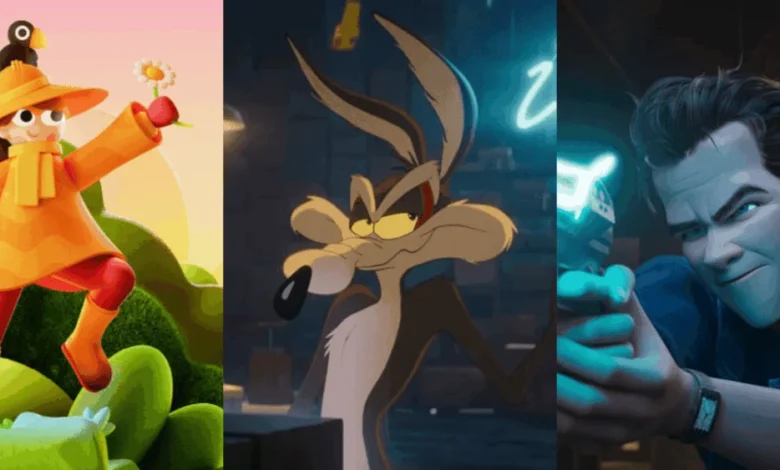
The ongoing saga surrounding the shelved Warner Bros. feature Coyote vs. Acme has taken a turn that continues to haunt the studio’s executive decision-making. Despite being officially "canceled" in a move that shocked the creative community, the live-action/animation hybrid directed by Dave Green has demonstrated remarkable resilience in the cultural zeitgeist. Recent box office data indicates that the film—had it been released—would have likely performed significantly better than the studio’s original internal projections suggested. As of mid-September 2026, the film has effectively tracked a global gross surpassing $82 million, maintaining a persistent presence in the top five rankings both domestically and internationally. This anomalous performance for a film that was pulled from the distribution slate highlights a disconnect between corporate tax-write-off strategies and actual consumer demand.
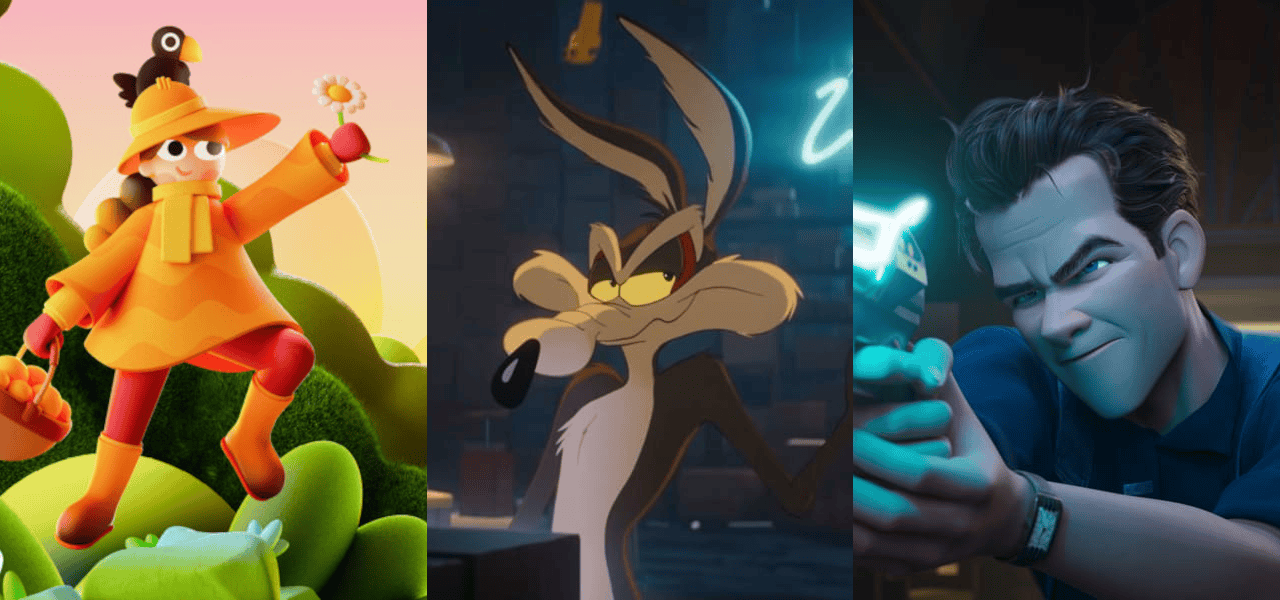
A Chronology of the Coyote vs. Acme Controversy
The friction between Warner Bros. Discovery and the creative teams behind its animated slate began in earnest following the 2022 merger. The decision to shelve Coyote vs. Acme was initially framed by the studio as a strategic effort to focus on theatrical tentpoles and cost-cutting measures, specifically citing the utilization of the project as a tax write-down.
However, the backlash was immediate. Unlike previous films that were shelved, Coyote vs. Acme had completed post-production and received high scores during test screenings. By late 2023, reports surfaced that the film was being shopped to other distributors, including Netflix, Amazon, and Paramount. Despite interest, the deal collapsed, and Warner Bros. opted to keep the film in the vault. The ensuing months saw an unprecedented level of public criticism from filmmakers, animators, and industry guilds, many of whom argued that burying finished work for tax purposes sets a dangerous precedent for the valuation of artistic labor and intellectual property. The current $82 million figure serves as a retrospective metric, representing the value lost in the secondary and tertiary markets by keeping the film entirely inaccessible to the public.
.png)
The Shifting Dynamics of Skydance Animation
While the Warner Bros. situation remains a cautionary tale, other studios are recalibrating their distribution strategies. Paramount Pictures and Netflix have officially announced the conclusion of their multi-year distribution partnership with Skydance Animation. This transition marks a significant pivot in how independent animation studios approach the streaming-versus-theatrical landscape.
The deal, which saw high-profile projects like Luck and Spellbound find homes on digital platforms, is now transitioning toward a more traditional theatrical-first model. According to official statements, the final collaborations under the existing arrangement will be Ray Gunn and the untitled Jack and the Beanstalk project directed by industry veteran Rich Moore. Following the release of these titles, Skydance Animation will move to seek theatrical-exclusive windows for its future portfolio. This shift reflects a broader industry sentiment: after years of prioritizing streaming subscriptions, studios are finding that theatrical exclusivity provides a crucial "prestige factor" that drives long-term franchise value and merchandising viability.
Industry Pulse: Insights from Cartoon Forum
The focus of the animation world currently rests in Toulouse, France, for the annual Cartoon Forum, a premier event for the co-production of European television animation. This year’s event has showcased a diverse array of narrative styles, signaling a departure from standard 3D-heavy aesthetics.
Two projects have emerged as the clear frontrunners for industry attention. First, Emma Makes Waves, a hand-drawn comedy-adventure from the collaborative teams at La Cabane and Thuristar, has garnered praise for its commitment to traditional animation techniques. Its aesthetic approach highlights a growing trend among European producers to favor distinct, artisanal styles that stand out in a saturated market of algorithmically-driven content.
Second, Hampa Studio’s adaptation of the Fantasy Riders series has drawn significant interest for its seamless integration of anime-influenced character design with a global distribution-ready narrative. These pitches underscore the resilience of the European market, which continues to leverage regional subsidies and co-production treaties to keep diverse stories in production despite the instability of the North American studio system.
Creative Breakthroughs: Simón Bucher and Stop-Motion Craft
Technical innovation remains a pillar of current industry success, as evidenced by the Chilean box office sensation Denominación de Origen. The film, which has defied expectations in South American markets, features a standout stop-motion sequence directed by animator Simón Bucher.

In recent discussions regarding the production, Bucher highlighted the importance of tactile storytelling in an era increasingly dominated by AI-generated imagery. The sequence in Denominación de Origen utilizes traditional puppet animation to convey complex emotional beats that CGI often struggles to replicate. This "human-in-the-loop" approach is increasingly being viewed as a competitive advantage. As audiences grow more sophisticated, the demand for tangible, handcrafted visual effects is rising, providing a template for mid-budget films to differentiate themselves from the massive, uniform look of big-budget franchise blockbusters.
Strategic Expansion: Dandelooo and Blizzard
The industrial infrastructure of animation is also expanding. The French producer-distributor Dandelooo has officially launched a dedicated unit focused exclusively on teen and young adult content. This move acknowledges the "animation for adults" boom that has been fueled by the success of high-concept, serialized streaming shows. By carving out a niche for older demographics, Dandelooo is positioning itself to capture a market segment that remains underserved by the traditional "family-friendly" animation mandates of the major Hollywood studios.

Simultaneously, the gaming sector continues to deepen its ties with the animation industry. Blizzard Entertainment and Netflix have confirmed the development of an animated series set within the Diablo dark-fantasy universe. This partnership is emblematic of the "transmedia" trend, where game publishers look to animation to build lore and deepen fan engagement. Given the success of similar adaptations, such as Arcane and Castlevania, the Diablo project is expected to be a high-priority production, leveraging the atmospheric, gothic visual language that the franchise is known for.
The Broader Implications for Global Animation
The events of this week—ranging from the legal and ethical quandaries of the Coyote vs. Acme shelving to the strategic pivot of Skydance Animation—paint a picture of an industry in transition. We are witnessing a clear divergence in philosophy: one side of the industry views animation as a disposable asset subject to tax optimization, while the other views it as a robust, long-term brand builder that requires theatrical visibility and artistic integrity.

The financial data regarding the shelved Warner Bros. project suggests that the studio’s short-term tax strategy may have come at the expense of significant long-term goodwill and potential revenue. Conversely, the moves by Skydance and Dandelooo suggest that production houses are increasingly valuing creative autonomy and theatrical reach. As the 2026 fiscal year progresses, the industry will likely see more studios attempting to balance the demands of streaming-heavy business models with the proven, durable success of the theatrical experience. For the animation community, the focus remains on the work itself—whether it is the hand-drawn charms showcased in Toulouse or the dark-fantasy depths of a Blizzard adaptation—ensuring that the medium continues to evolve despite the volatility of the corporate environment.