TikTok Rolls Out Creator Showcase and Community Activations for Hispanic Heritage Month 2026

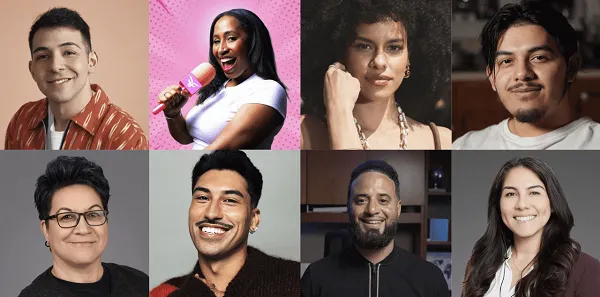
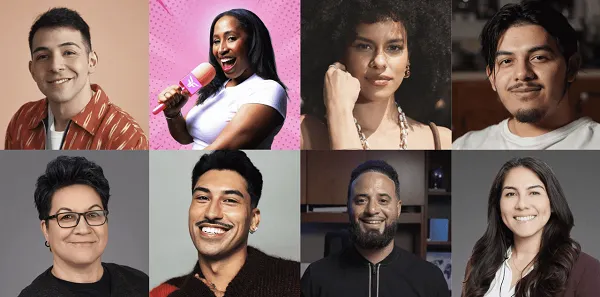
Short-form video giant TikTok has officially unveiled its comprehensive lineup of programming, community activations, and creator spotlights for Hispanic Heritage Month 2026. Running annually from September 15 to October 15, the nationwide and global commemoration serves as a vital cultural touchstone for millions of users. This year, the platform is doubling down on its commitment to amplifying historically underrepresented voices by centering its in-app celebrations around a high-profile creator showcase. Among the headlining talents featured in this year’s rollout are acclaimed journalist Fernando Hurtado, versatile musician Jasmine Wesley, and dynamic comedian Eric Sedeño.
Through a combination of exclusive interviews, interactive community challenges, and dedicated hashtag campaigns, TikTok aims to provide a digital home for the preservation and celebration of Hispanic and Latino culture. The initiative underscores the increasing cultural and economic influence of the Hispanic community within the digital creator economy, while simultaneously highlighting how tech platforms are evolving to better serve diverse user bases.
Main Facts of the 2026 Campaign
The centerpiece of TikTok’s Hispanic Heritage Month 2026 initiative is the curated creator showcase, designed to spotlight individuals who utilize the platform to educate, entertain, and connect global audiences with Hispanic traditions, history, and contemporary issues. Fernando Hurtado, known for his incisive journalism and deep-dive reporting on social issues, brings a lens of accountability and cultural awareness to the app. Jasmine Wesley contributes a rich auditory landscape through her musical compositions and interpretations, blending traditional sounds with modern digital trends. Meanwhile, Eric Sedeño leverages comedy as a tool for connection, using humor to bridge cultural divides and reflect the modern Hispanic experience.
In addition to individual spotlights, TikTok has rolled out a suite of interactive features designed to encourage broad user participation. These include themed in-app activations, community challenges, and a dedicated contest aimed at driving engagement across the platform’s ecosystem. Content related to these initiatives will be anchored by key hashtags, including #HispanicTikTok, #LatinTikTok, #HispanicHeritageTikTokContest, and #CasaTikTok. Official interviews with Hurtado, Wesley, and Sedeño will be hosted primarily on the verified TikTok Creators profile, serving as educational and inspirational anchor points for the millions of users expected to engage with the month-long programming.
Historical Context and Chronology of Hispanic Heritage Month
To understand the scale and significance of TikTok’s digital activations, it is essential to examine the historical trajectory of Hispanic Heritage Month. The observance originated in 1968 under President Lyndon B. Johnson, who authorized Hispanic Heritage Week to recognize the contributions of Americans with roots in Spain, Mexico, the Caribbean, Central America, and South America. Twenty years later, the observance was expanded significantly. On August 17, 1988, President Ronald Reagan enacted Public Law 100-402, which extended the week-long tribute into a month-long celebration lasting from September 15 to October 15.
The specific date range of September 15 to October 15 holds immense historical weight. September 15 marks the independence anniversaries of five Latin American nations: Costa Rica, El Salvador, Guatemala, Honduras, and Nicaragua. Furthermore, Mexico celebrated its independence day on September 16, followed by Chile on September 18 and Belize on September 21. By aligning its digital programming with this historically dense calendar, TikTok taps into an existing wave of civic pride and cultural reflection, translating traditional observances into modern, participatory digital formats.
Over the decades, the celebration has transitioned from traditional civic events, parades, and educational curricula into digital spaces. In the contemporary media landscape, platforms like TikTok have become the primary town squares where younger generations of Hispanic and Latino individuals define their identities, share family histories, and negotiate cultural nuances in real-time.
Data and Metrics: The Economic and Cultural Power of #HispanicTikTok
The decision by TikTok to invest heavily in Hispanic Heritage Month is supported by compelling demographic and engagement data. According to recent digital media consumption studies, Hispanic consumers over-index in mobile-first media consumption and represent one of the fastest-growing segments of social media power users. Hashtags like #HispanicTikTok and #LatinTikTok have consistently generated billions of cumulative views, acting as decentralized cultural hubs where users exchange everything from culinary recipes and linguistic nuances to political commentary and generational immigrant stories.
Market research underscores that Hispanic digital creators are primary drivers of consumer trends, yet they have historically faced disparities in monetization and brand partnerships compared to their non-Hispanic counterparts. By creating dedicated showcases and promotional contests, platforms attempt to bridge this gap, offering creators increased visibility that can translate into lucrative brand deals and sustainable careers within the creator economy.
Furthermore, data from digital analytics firms indicates that culturally relevant programming significantly boosts platform retention and user loyalty. When users see their heritage reflected and celebrated by the platforms they use daily, engagement metrics—such as watch time, comment volume, and content sharing—experience measurable spikes. TikTok’s strategic focus on Hispanic Heritage Month is therefore both a community-building exercise and a sound business strategy designed to reinforce its market position among diverse demographics.
Official Statements and Industry Perspectives
While official corporate statements from TikTok emphasize altruistic community-building and cultural preservation, industry analysts view these initiatives through a broader strategic lens. In an official communication regarding the rollout, TikTok articulated its core mission for the month: “We’re honoring creators, families, and communities who celebrate and share Hispanic and Latino heritage on TikTok through storytelling, tradition, language, and lived experiences. From cultural customs to historical figures, #HispanicTikTok continues to be a space where people can celebrate and share their stories.”

Cultural critics and digital media experts have noted that while platform-led spotlights are valuable, their long-term efficacy depends on sustained institutional support rather than isolated, calendar-driven campaigns. Representatives from creator advocacy groups have frequently pointed out that while heritage months provide an excellent springboard for visibility, platforms must maintain equitable algorithm practices and robust creator support year-round to truly empower marginalized communities.
Independent creators involved in this year’s rollout have expressed optimism about the platform’s focus. Observers note that features highlighting multi-hyphenate talents like Hurtado, Wesley, and Sedeño validate the diverse nature of the modern Hispanic diaspora—proving that the community is not monolithic, but rather a rich mosaic of intersecting identities, geographical origins, and artistic expressions.
Broader Impact and Industry Implications
The implementation of targeted cultural programming by major technology platforms carries significant implications for the future of digital media, advertising, and cultural representation. As traditional television viewership continues to decline among younger demographics, social media applications have effectively assumed the role of cultural gatekeepers and mainstream media producers.
By dedicating institutional resources to events like Hispanic Heritage Month, platforms like TikTok set a precedent for the digital media industry. Other social networks, streaming services, and publishing houses are increasingly pressured to match these efforts with authentic, well-funded programming that goes beyond superficial pandering. The success of initiatives like the #HispanicHeritageTikTokContest demonstrates that modern audiences respond favorably to participatory campaigns that invite them to become co-creators of cultural narratives rather than passive consumers.
However, challenges remain. As platforms scale their community initiatives, questions surrounding algorithmic fairness, content moderation equity, and the monetization of cultural content continue to be hotly debated. Ensuring that creators from diverse backgrounds receive fair compensation and protection from harassment remains a critical hurdle for tech giants.
Looking forward, the legacy of TikTok’s Hispanic Heritage Month 2026 campaign will likely be measured not just by view counts and engagement metrics, but by the lasting professional opportunities it unlocks for featured creators like Fernando Hurtado, Jasmine Wesley, and Eric Sedeño. As the digital creator economy matures, initiatives that honor cultural roots while driving economic mobility will remain essential to the growth and sustainability of the modern internet.
Related posts: