The Rise of the Individual Athlete How Erling Haaland and Social Media Strategy are Transforming Global Sports Marketing

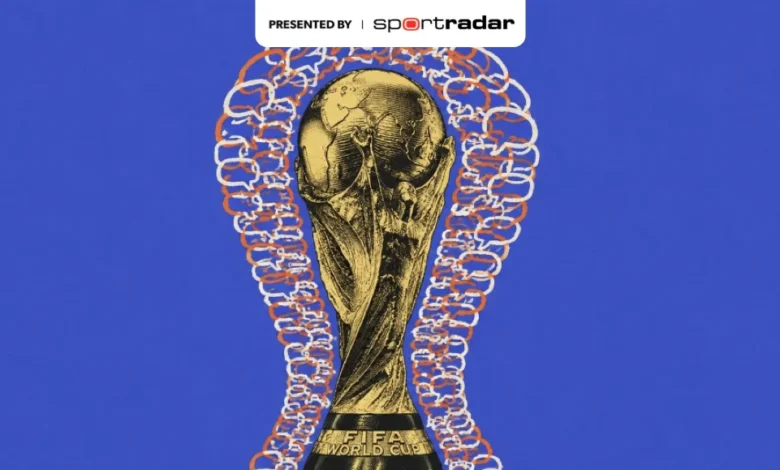
When Erling Haaland departed the pitch in the 105th minute of Norway’s high-stakes quarter-final match against England on July 11, the moment signaled more than just the conclusion of a historic tournament run for the Manchester City striker. For his portfolio of global brand sponsors, most notably the financial services giant Visa, it represented the culmination of a high-stakes marketing gamble that has fundamentally shifted how brands approach athletic endorsements. The tournament served as a definitive proof of concept for a new era of sports marketing, where individual personality and digital accessibility outweigh traditional team-based loyalty.
The success of Haaland’s commercial presence during the competition was not a matter of chance but the result of a meticulously planned strategy initiated long before Norway secured its place on the world stage. Andrea Fairchild, Senior Vice President of Global Sponsorship Strategy at Visa, noted that the brand’s decision to partner with Haaland was finalized over a year ago. At the time, Norway’s qualification for the tournament was not yet a certainty, but the brand identified a unique synergy between Haaland’s clinical style of play and their own consumer engagement goals.
The Strategic Architecture of the Tap-In Campaign
Visa’s primary marketing vehicle for the tournament centered on a concept known as the "Tap-in" campaign. In footballing parlance, a "tap-in" refers to a goal scored from very close range, often with a single touch. Visa leveraged this specific athletic feat to create a gamified experience for its cardholders. Every time Haaland—or fellow campaign stars like Spain’s Lamine Yamal and the United States’ Christian Pulisic—scored such a goal, Visa cardholders were eligible for a variety of prizes and exclusive merchandise.
The campaign was distributed through a multi-channel approach, encompassing traditional broadcast television, paid social media, and digital out-of-home (OOH) inventory within stadiums. By tying rewards to a specific, recurring event on the pitch, Visa managed to maintain high engagement levels throughout the tournament. However, the true breakthrough came from Haaland’s off-pitch persona. His "goofball charisma," characterized by eccentric social media posts and candid press interviews, resonated deeply with an audience that is increasingly looking for authenticity over polished corporate messaging.
The Great Pivot: From Team Loyalty to Individual Stardom
The data surrounding this tournament highlights a seismic shift in fan behavior, particularly among younger demographics. According to a joint study published by YouGov, USC Annenberg, and the marketing agency group ACC, nearly one-third (32%) of Gen Z sports fans now prioritize supporting individual athletes over specific teams. This trend has allowed Haaland to transcend his affiliation with Manchester City and the Norwegian national team, becoming a standalone brand in the United States and beyond.
Jasmin Fischer, Senior Vice President of Research and Insights at SAMY, observed that Haaland’s appeal is particularly strong among first-time football viewers. For these fans, the complexities of club history or tactical formations are secondary to the personality of the star. Haaland’s digital footprint exploded during the tournament, with Sprout Social reporting a gain of over 5 million followers across X (formerly Twitter) and Instagram. This surge in popularity provided an unexpected "breakthrough boost" to Visa and other sponsors, including the watchmaker Breitling, Beats by Dre, the home appliance firm Midea, and Nike. In Nike’s "Rip the Script" advertisement, Haaland was positioned as a central figure, further cementing his status as a cultural icon rather than just a sports star.
Chronology of a Breakthrough: A Year of Preparation
The timeline of Haaland’s rise to marketing dominance reveals a deliberate move toward "access-based" content. Approximately 12 months prior to the tournament, Haaland launched a dedicated YouTube channel, a move that allowed him to control his narrative and provide fans with behind-the-scenes glimpses into his training and personal life.
- July 2025: Haaland launches his YouTube channel, focusing on "unfiltered" content.
- August 2025: Visa begins intensive research into potential brand ambassadors for the upcoming World Cup, identifying Haaland as a key target despite Norway’s uncertain qualification status.
- Late 2025: Major deals with Revolut and Breitling are signed, expanding Haaland’s reach into the luxury and fintech sectors.
- June 2026: The "Tap-in" campaign launches globally as the tournament begins.
- July 2026: Norway reaches the quarter-finals; Haaland’s social media following grows by 5 million, and his YouTube subscribers double to 3.1 million.
This trajectory mirrors the emergence of other "unapologetic" personalities in the sport. Zlatan Ibrahimović, serving as a presenter for Fox during the same tournament, saw a similar surge in engagement. Ibrahimović, who boasts 65 million Instagram followers, saw his TikTok base increase by 7% during the event. Both athletes share a "Scandi bluntness" and a supreme confidence that translates well to an American audience accustomed to the individual-centric marketing of the NBA and NFL.
Lessons for Modern Chief Marketing Officers
For industry leaders, the Haaland phenomenon offers a blueprint for future talent acquisitions. Piet Southey, U.S. Managing Director of Billion Dollar Boy, suggests that brands are already looking toward 2027 and beyond, weighing the value of individual creators against traditional sports icons. The key takeaway is the necessity of "content autonomy."
Fischer advises that CMOs must be willing to surrender a degree of control to their ambassadors. "Give them the freedom to be themselves, without too many brand guidelines," she noted. This approach was evident in Dove Men+Care’s recent partnership with Karl-Anthony Towns of the New York Knicks. By allowing Towns to showcase his actual personality rather than a scripted version of it, the brand was able to tap into the same vein of authenticity that fueled Haaland’s success.
The shift toward player-run media—such as the YouTube channels utilized by Haaland and England’s Jude Bellingham—represents a departure from the "Beckham era" of sports stardom, where access was strictly mediated by traditional press outlets. Today’s stars are their own media moguls, providing a level of transparency that modern consumers demand.
The Broader Context: Technology and Trust in Marketing
While individual stardom is a dominant trend, it exists within a rapidly evolving technological landscape. At the recent Cannes Lions festival, industry leaders debated the "AI dilemma," warning that the over-reliance on artificial intelligence in creative execution could lead to a "sameness" that threatens brand authenticity. While AI can accelerate execution, the consensus remains that human creativity and unique personality—like Haaland’s—are what ultimately drive brand differentiation.
Furthermore, the platforms hosting these stars are facing their own challenges. Reddit is currently debating whether its data-licensing deals with AI firms like Google and OpenAI will eventually cannibalize its advertising business. Meanwhile, TikTok Shop has moved to ban AI-generated voices in shopping livestreams, mandating that "unmanned" streams be replaced by live human hosts to maintain account health. These developments underscore a broader industry movement back toward human-centric, authentic interaction.
Regulatory Headwinds and Economic Realities
The future of sports marketing is also being shaped by regulatory shifts. In the European Union, Commission President Ursula von der Leyen is pushing for tougher social media bans for teenagers, with 14 member states already expressing support for age-gated access. Such measures could significantly impact how brands reach younger demographics who are currently the most active followers of stars like Haaland and Ibrahimović.
From an economic perspective, the value of these digital platforms remains staggering despite cooling growth. YouTube is currently valued at approximately $40 billion to advertisers, while TikTok has seen over 15.7 million tournament-related hashtag posts since the World Cup began. However, even established giants like Netflix are grappling with engagement issues, reporting only a 2% year-over-year viewing growth in late 2025, which analysts attribute to a shifting subscriber base in lower-viewing international markets.
Conclusion: The New Frontier of Sports Endorsements
The success of Erling Haaland’s marketing during the tournament serves as a definitive signal to the industry. The era of the "faceless" athlete, defined only by their team’s jersey, is ending. In its place is a new model of celebrity that prizes Scandi bluntness, digital transparency, and individual charisma.
For brands like Visa, the gamble on Haaland paid dividends because it recognized that the modern fan is not just watching a game; they are participating in a personality-driven narrative. As marketers look toward the next Olympic Games and major league finals, the search for the next brand ambassador will focus less on who has the most trophies and more on who is comfortable leaving their true self "out in the open" on TikTok and YouTube. The ultimate lesson of the tournament is clear: in the battle for consumer attention, authenticity is the only "tap-in" that matters.
Related posts: