The Legend of Zelda: Ocarina of Time Remake Brings a Modern Vision to a Classic Masterpiece

The upcoming release of The Legend of Zelda: Ocarina of Time on the Nintendo Switch 2, scheduled for November 5, 2026, represents a landmark moment in video game preservation and re-imagination. When the project was first teased, the initial reception among the gaming community was polarized, with many expressing concern that a shift toward high-fidelity realism might compromise the whimsical, iconic charm that defined the 1998 original. However, recent hands-on previews have provided a clearer picture of Nintendo’s strategy: a sophisticated blend of technical modernization and aesthetic preservation.
The remake serves as far more than a simple high-definition remaster. It is a fundamental reconstruction of the kingdom of Hyrule, incorporating modernized control schemes, expansive environmental detail, enhanced dialogue, and fully voiced cutscenes. Despite these sweeping upgrades, the development team has remained steadfast in their commitment to the core identity of the title. Insights from the Nintendo "Ask the Developer" series reveal a conscious effort to balance technical prowess with the stylistic sensibilities that made the original work a cultural phenomenon.
A Chronology of a Classic
To understand the significance of this remake, one must look at the historical trajectory of the title. The Legend of Zelda: Ocarina of Time first arrived on the Nintendo 64 in November 1998, a period when the industry was transitioning from 2D sprites to 3D environments. It quickly set the gold standard for action-adventure games, earning critical acclaim and becoming the highest-rated game of all time on many aggregation sites.
In 2011, Nintendo released a version for the Nintendo 3DS, which introduced stereoscopic 3D and improved lighting. However, the 2026 release marks the first time the game has been rebuilt from the ground up for a high-performance console, utilizing the advanced capabilities of the Switch 2. This version arrives nearly 28 years after the original, bridging the gap between the pioneers of early 3D gaming and a modern audience accustomed to the vast, open-world mechanics of titles like Breath of the Wild.
Artistic Vision: The Puppet-Show Philosophy
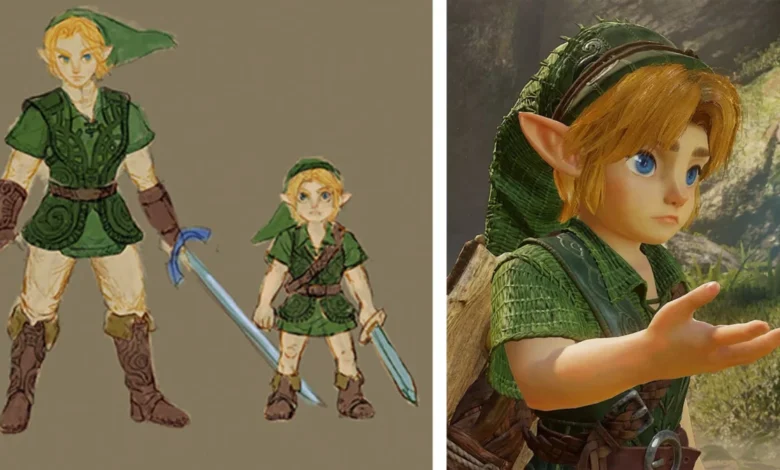
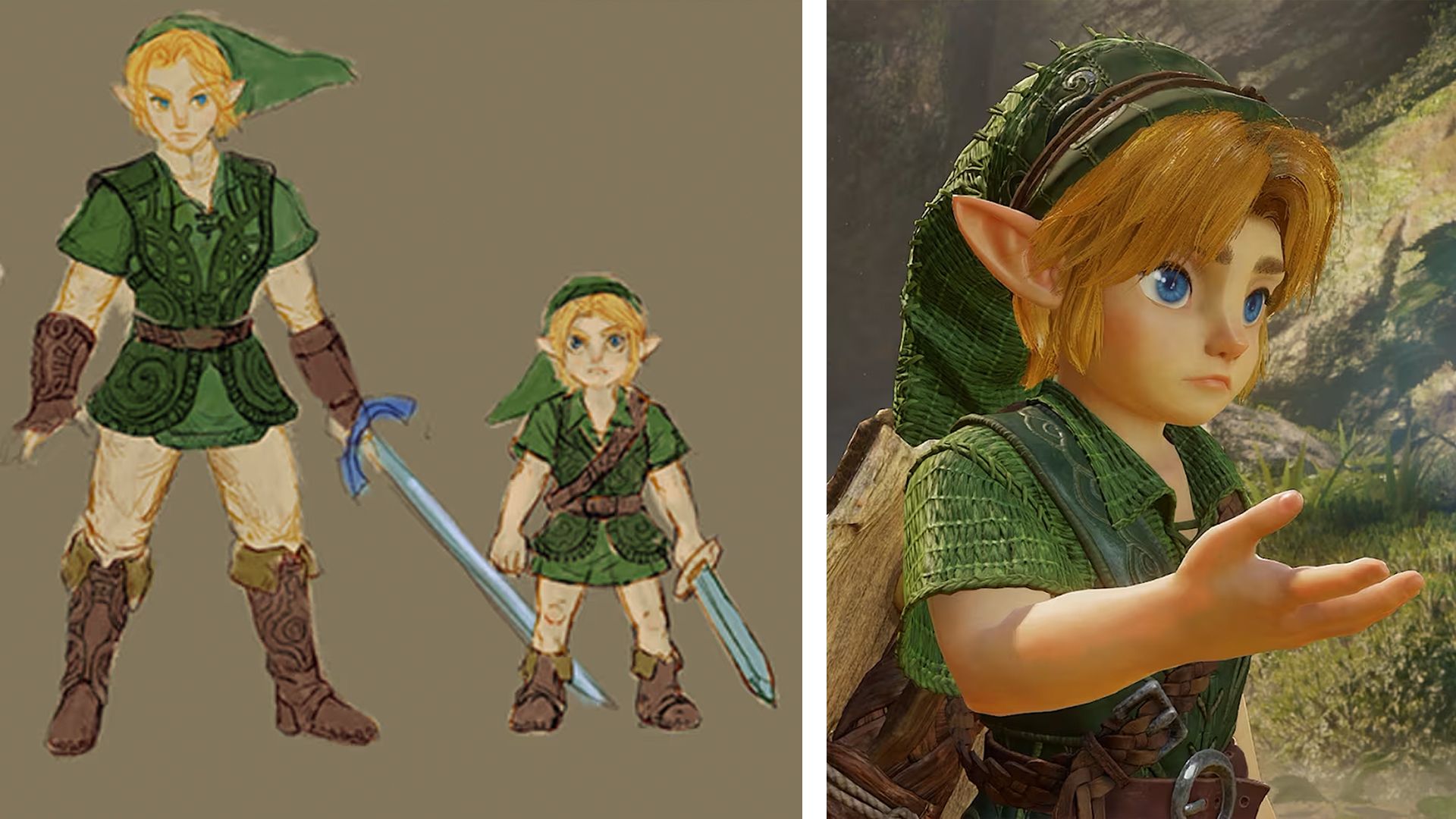
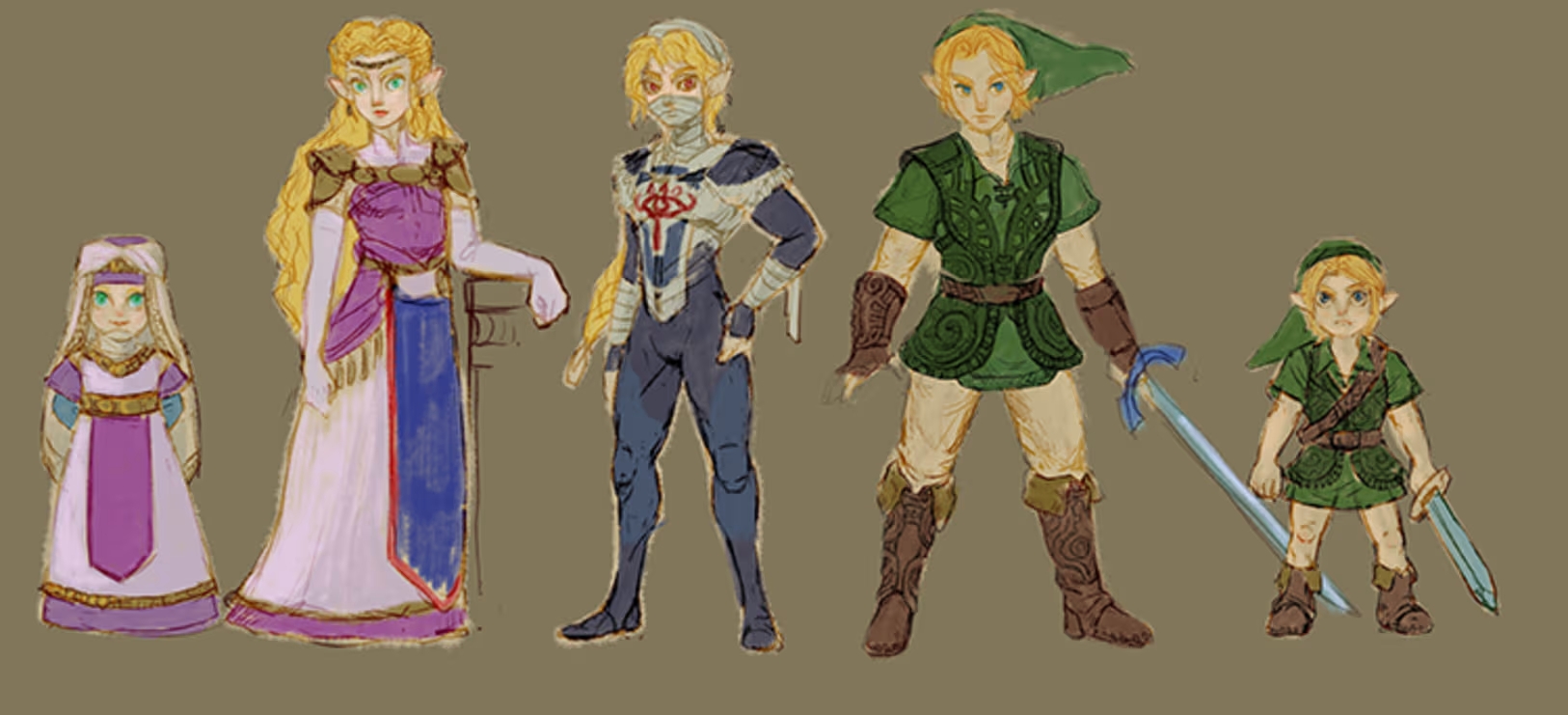
The design philosophy behind the new version was driven by art director Aya Shida, who sought to avoid the trap of "photorealism." Shida and her team prioritized an aesthetic that feels tactile and grounded rather than hyper-realistic. During development, the team frequently referenced the "puppet-show" feel and the "analog texture" of practical effects in film.
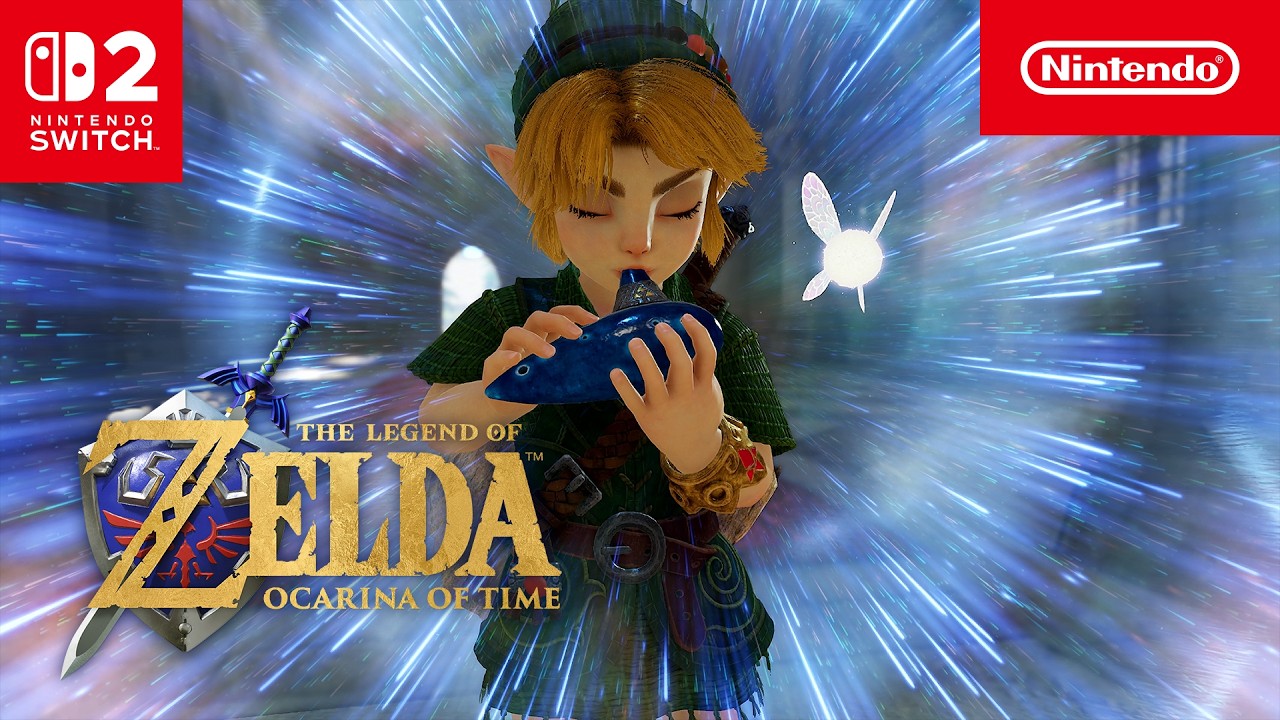
"We wanted to rebuild Hyrule as a rich, dense world that felt as though it could truly exist, while retaining the feel of the original," Shida explained. This meant meticulously researching materials and textures. The team went as far as creating physical fabric models from thread to understand how young Link’s tunic should appear and move. By focusing on the "story behind every object," the developers have aimed to create a world that feels handmade and authentic, ensuring that despite the massive increase in polygon counts and lighting fidelity, the characters remain recognizable to long-time fans.
The Debate Over Modernization: Warp Points and World Design
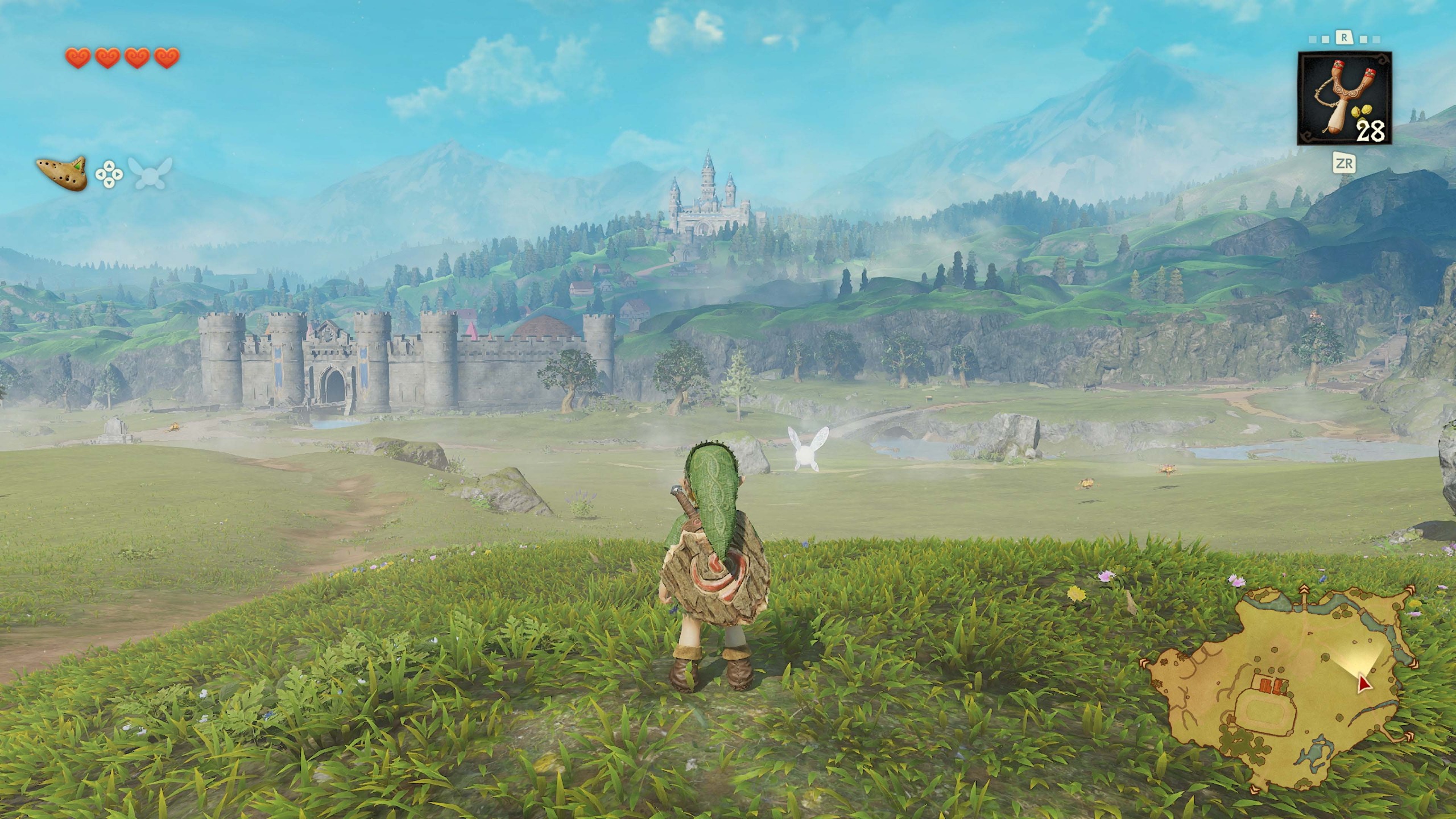
One of the most fascinating revelations from the development cycle concerns the inclusion of modern quality-of-life features. Producer Eiji Aonuma admitted that the team initially considered adding fast-travel "warp points"—a mechanic popularized by the modern Zelda era—to allow players to traverse Hyrule Field more efficiently.
In the original 1998 title, players famously navigated the vast plains by repeatedly performing a "rolling" animation, a quirk that became a staple of speedrunning and casual play alike. While Aonuma felt that "doggedly rolling across Hyrule Field" was an outdated experience that needed fixing, the team ultimately decided against it. They discovered that removing the necessity of manual travel stripped the game of its inherent sense of discovery. The journey across the field was not just travel; it was a core component of the game’s structure, allowing for serendipitous encounters and a sense of scale. Consequently, the team removed the warp points, choosing to preserve the pacing and exploration mechanics that defined the original experience.
Gameplay Adjustments and Controls
While world design remained largely faithful, gameplay mechanics received necessary updates. The most notable addition is a dedicated jump button. In the original N64 version, Link would hop automatically when running toward a ledge. While this was a revolutionary mechanic for its time, it could occasionally lead to frustration in precision-heavy combat scenarios. The introduction of manual jumping provides players with more agency, though developers acknowledge that it will require an adjustment period for veterans of the original control scheme.
Implications for the Future of the Zelda Franchise
The decision to remake Ocarina of Time is deeply rooted in the franchise’s upcoming 40th anniversary. According to Eiji Aonuma, the project serves as a pedagogical tool for the current development team. By deconstructing the original’s architecture and rebuilding it in a modern engine, the team is gaining a profound understanding of why the series has remained successful for nearly four decades.
This "study of the past" is expected to influence future installments. By analyzing the "game structure and development style" of 1998, the team hopes to identify the essential pillars of the Zelda experience that should be carried forward. It suggests that the remake is not just a commercial endeavor, but a foundational exercise in institutional knowledge transfer.
Broader Impact and Market Reception
The release of this title for the Switch 2 platform is a major pillar in Nintendo’s strategy to bridge the gap between legacy and innovation. As the gaming industry moves toward increasingly complex, service-based models, the preservation and faithful reimagining of single-player masterpieces like Ocarina of Time remain a vital market segment.
Financial analysts note that the nostalgia factor, combined with the technical updates that allow for modern performance, makes this a high-value release. The move to keep the core structure intact while updating the presentation is a calculated risk that respects the intellectual property’s history while catering to the graphical expectations of the 2026 hardware market.
Technical Synthesis: A Balance of Old and New
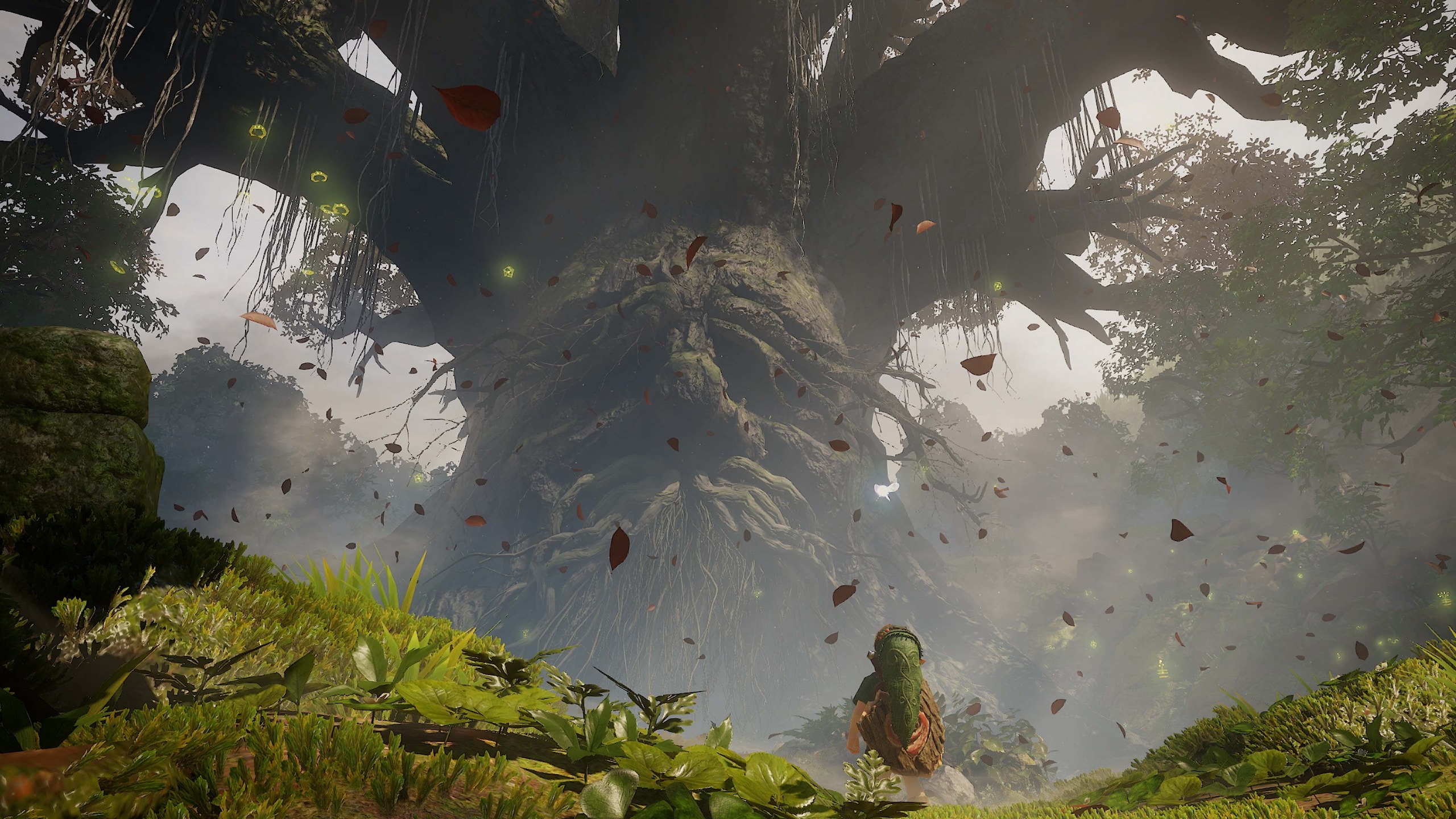
The technical specifications of the remake, while not fully detailed, suggest an heavy reliance on global illumination and advanced material rendering. The transition from the limited palette of the N64 to the vibrant, high-dynamic-range visuals of the Switch 2 allows for subtle storytelling—such as the wear and tear on stone walls or the specific weave of clothing fabrics—that was previously impossible.
However, the team’s commitment to the "analog feel" suggests that they are using this power to simulate a specific look rather than simply pushing for the highest possible resolution. This restraint is critical; by avoiding the "uncanny valley," the developers are maintaining the stylistic integrity of characters like Zelda and Ganondorf, who were originally designed with exaggerated features that define their iconic silhouettes.
Concluding Thoughts on the Legacy
As November 5, 2026, approaches, the gaming community remains in a state of high anticipation. The Legend of Zelda: Ocarina of Time is not merely a game; it is a curriculum for game design. By choosing to preserve the original’s sense of discovery—even at the cost of modern conveniences—Nintendo is making a statement about what they believe is the "soul" of the series.
Whether for the nostalgic player looking to revisit a childhood memory or the new player encountering the legend for the first time, the 2026 remake appears poised to offer a definitive experience. It serves as a testament to the fact that while technology changes, the core principles of effective level design, character-driven storytelling, and the joy of exploration remain timeless. The project stands as a bridge, connecting the late 20th-century roots of the franchise to the future of the Nintendo ecosystem, ensuring that the Ocarina of Time continues to resonate for another generation.