The Iconic LAMY Safari Fountain Pen Sees Significant Price Reduction as Digital Detox Trends Rise

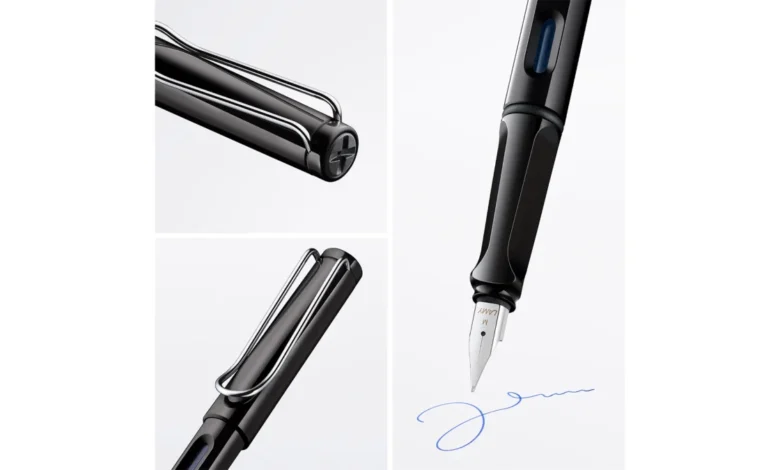
In a landscape dominated by rapid digital communication and ephemeral screen-based interactions, the tactile experience of analog writing has seen a measurable resurgence in 2026. This shift toward "slow media" and deliberate creation has revitalized interest in traditional fountain pens, positioning them not merely as relics of a bygone era, but as essential tools for cognitive focus and mindfulness. Reflecting this market shift, the German-engineered LAMY Safari—a global benchmark for entry-level fountain pens—is currently available at a reduced price point, dropping by nearly $10 to $27.22 at major retailers including Amazon.
A Legacy of Bauhaus Design
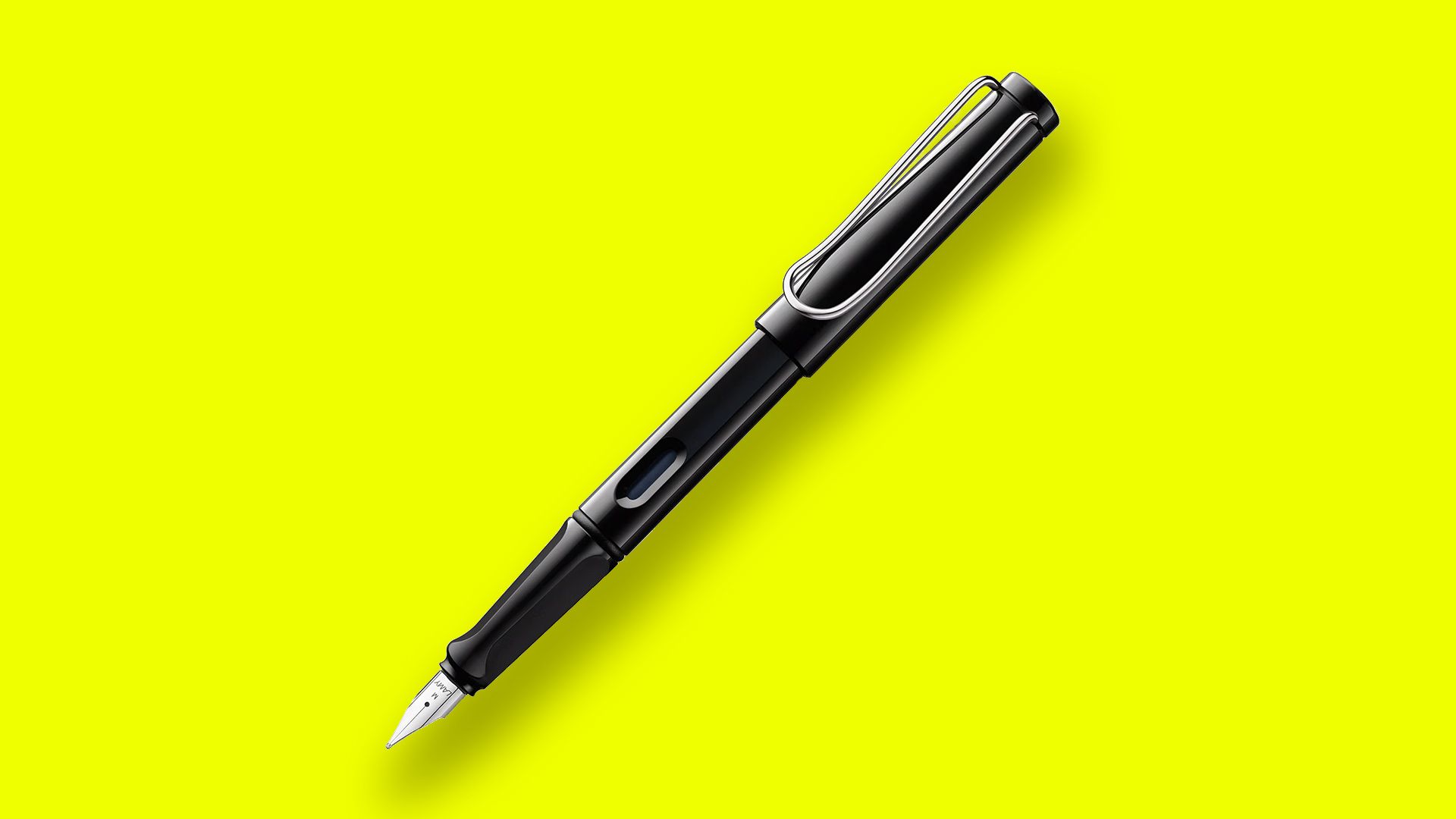
The LAMY Safari is not merely a writing instrument; it is a significant artifact in the history of industrial design. Since its commercial debut at the 1980 Frankfurt Fair, the pen has maintained a reputation for merging functional minimalism with high-performance engineering. Designed by Wolfgang Fabian, the Safari was originally conceived to meet the rigorous needs of students and young professionals who required a reliable, durable, and comfortable tool.
The design philosophy behind the Safari is rooted in the Bauhaus movement, which emphasizes the "form follows function" principle. The pen’s body is constructed from acrylonitrile butadiene styrene (ABS) plastic—the same high-impact, lightweight polymer used in the manufacturing of Lego bricks. This choice of material ensures that the instrument can withstand the physical wear of daily transit, whether carried in a high-traffic backpack or a minimalist briefcase. The signature molded triangular grip is specifically engineered to promote a correct "tripod" finger position, reducing hand fatigue during extended periods of writing or journaling.
The Chronology of an Icon
The evolution of the LAMY Safari spans over four decades, during which it has transitioned from a niche classroom tool to a design classic found in galleries and offices worldwide.
- 1980: The Safari is officially launched at the Frankfurt Fair. It is met with initial skepticism regarding its unconventional aesthetic, but quickly gains traction due to its ergonomic superiority.
- 1990s: The pen achieves global status as an "affordable icon," becoming the standard-issue writing instrument in various European educational systems.
- 2000s: LAMY expands the color palette, moving beyond the traditional charcoal, black, and red to include annual "Special Edition" colors, which turn the pen into a highly collectible item for enthusiasts.
- 2010s: The rise of the digital detox movement leads to a surge in interest among young adults who view handwriting as a meditative practice.
- 2026: Amidst increased interest in analog hobbies, the Safari maintains its market dominance, frequently cited in industry reports as the primary entry point for individuals transitioning from ballpoint pens to fountain pens.
Market Context and Consumer Behavior
The current price reduction arrives at a time when the stationery market is experiencing a period of renewed growth. According to recent industry analysis, the global fine writing instruments market is projected to see steady expansion through the end of the decade. While digital note-taking applications have surged in popularity, they have paradoxically fueled a "counter-trend" toward physical notebooks and fountain pens.
Consumers are increasingly citing "digital fatigue" as a primary driver for their return to paper. Psychologists have noted that the act of handwriting—specifically using a fountain pen, which requires a slower, more deliberate cadence—can improve information retention and provide a sense of psychological grounding that typing on a glass screen cannot replicate. The Safari, priced in the accessible $25 to $35 range, serves as the perfect bridge for the "prosumer" segment—those who want a premium writing experience without the prohibitive costs associated with luxury brands like Montblanc, Tibaldi, or Namiki, which can command prices exceeding $1,000.
Technical Versatility
One of the core reasons for the Safari’s sustained popularity is its modularity. The stainless-steel nibs are interchangeable, allowing users to switch between Fine (F), Medium (M), and Broad (B) tips in seconds. This flexibility is particularly valued by students and artists who may require different line widths for drafting, sketching, or standard note-taking. Furthermore, the pen’s ink feed system is designed for consistent flow, mitigating the "scratchiness" often associated with cheaper, mass-produced writing tools.
For those left-handed writers who have historically struggled with ink smudging, the Safari’s design is notably forgiving. The quick-drying nature of the recommended LAMY ink cartridges, combined with the ergonomic grip, has made it a preferred choice for left-handed users, a demographic that is often underserved by standard pen manufacturers.
The Broader Implications of Analog Adoption
The reduction in price for such a recognizable design piece carries broader implications for the retail sector. Retailers are increasingly using "gateway" products—high-quality items at accessible prices—to build brand loyalty among younger demographics who are discovering the value of physical products. By lowering the barrier to entry, LAMY and its retail partners are essentially lowering the cost of entry for a long-term hobby.
Industry observers suggest that this trend is likely to continue. As companies continue to digitize their workflows, the "analog escape" is becoming a premium commodity. The value of a pen that does not require software updates, battery charging, or cloud connectivity is becoming increasingly apparent. The durability of the LAMY Safari, which is designed to last for years rather than months, also aligns with the growing consumer preference for sustainability and the rejection of "disposable" culture.
A Standard for the Modern Era
While the technology of the 21st century continues to evolve at a breakneck pace, the fundamental human need for expression via pen and paper remains unchanged. The LAMY Safari succeeds because it acknowledges this reality, providing a high-quality instrument that respects both the user’s hand and the user’s wallet.
As the market continues to fluctuate, the availability of this specific design icon at a reduced price point provides an opportune moment for both long-time enthusiasts and those new to the hobby to acquire a piece of industrial history. Whether utilized for daily journaling, professional drafting, or simply as an exercise in slowing down, the Safari remains a testament to the idea that excellent design does not have to be an exclusive, high-cost endeavor.
For the professional creative or the casual writer, the transition back to analog is no longer a matter of necessity, but a conscious choice to prioritize clarity, ergonomics, and the lasting satisfaction of the written word. With the current retail climate favoring such accessibility, the "beautiful price" for this beautiful pen serves as a compelling invitation to re-engage with the craft of handwriting.