The Best Time to Post on LinkedIn in 2026: Insights from 4.8 Million Data Points


The landscape of professional networking is undergoing a fundamental shift in user behavior, as new data from an analysis of 4.8 million LinkedIn posts reveals that the traditional "9-to-5" posting strategy is no longer the most effective way to reach a professional audience. Conducted by data scientist Julian Winternheimer for Buffer, the study provides a comprehensive look at how global engagement patterns have evolved throughout 2026, marking a distinct departure from the trends observed just one year prior.
For years, digital marketing strategies were built on the premise that LinkedIn was strictly a tool for office hours. In 2025, peak engagement was almost exclusively concentrated between 9 a.m. and 5 p.m., with a sharp decline in interaction as the workday concluded. However, the 2026 findings indicate that professionals are increasingly utilizing the platform as a tool for evening enrichment, industry research, and late-day networking, mirroring the high-engagement patterns long established on consumer-facing platforms like TikTok and Instagram.
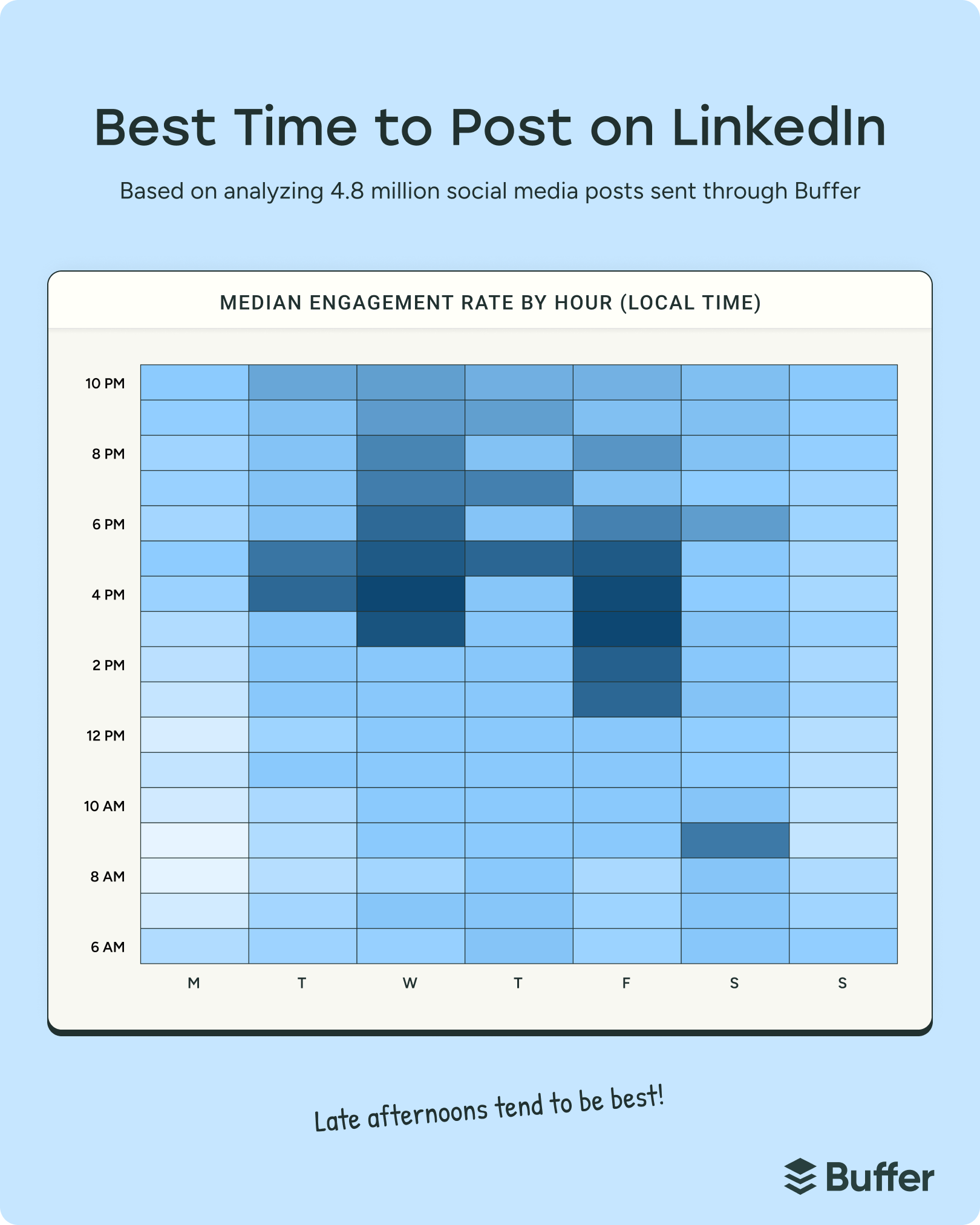
The core finding of this longitudinal study suggests that the optimal window for posting is now between 3 p.m. and 8 p.m. on weekdays. Wednesday at 4 p.m. has emerged as the statistically strongest slot for maximizing engagement, followed closely by Friday afternoons. This transition suggests that while users are still accessing LinkedIn for professional development, they are doing so with greater frequency after their primary professional responsibilities have been fulfilled for the day.
Chronology and Evolution of Engagement
To understand this shift, one must consider the historical context of platform usage. In the early 2020s, LinkedIn’s algorithm rewarded activity that occurred during high-traffic morning hours, typically when users first logged into their email and professional dashboards. By 2025, this trend remained consistent, with "lunch hour" spikes and mid-morning windows serving as the primary drivers of reach.
The 2026 data, however, illustrates a "stretched" engagement curve. The morning hours of 6 a.m. to 11 a.m. have seen a statistically significant decline in performance compared to previous years. The emergence of the late-afternoon peak suggests that the platform has evolved from a synchronous, real-time news feed into a destination for asynchronous content consumption. Professionals are now logging on as they wind down their workdays, potentially using the evening hours to engage more deeply with thought leadership and long-form industry content that they did not have time to digest during the core hours of the business day.
Statistical Breakdown and Data Analysis
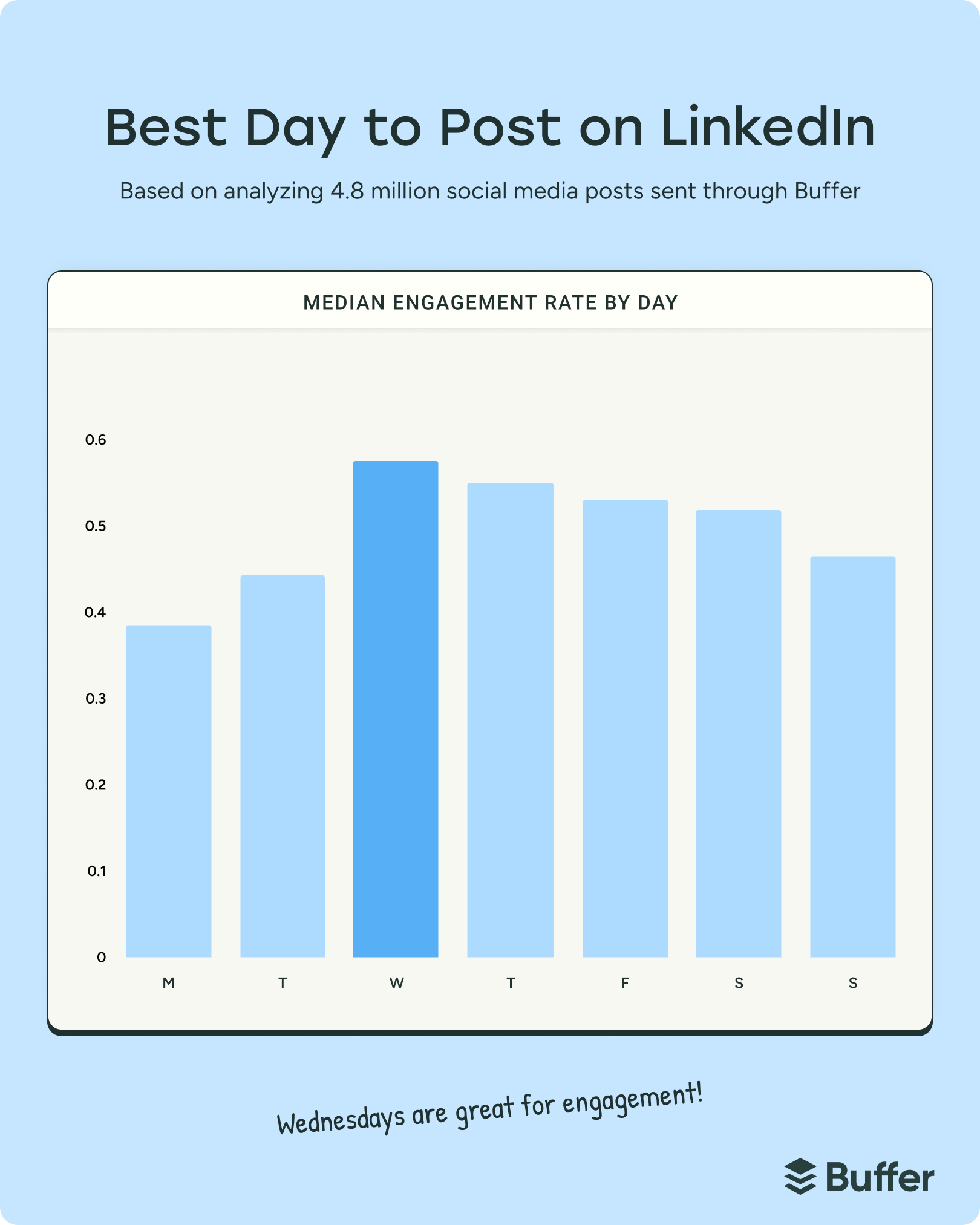
The research highlights a stark disparity between early-week and mid-week performance. Monday and Tuesday consistently record the lowest engagement levels across the platform. This "start-of-the-week" slump is widely attributed to the high volume of internal communication, meetings, and project planning that occupies users’ time, leaving little bandwidth for social media interaction.
Conversely, Wednesday has established itself as the "golden day" for visibility. By mid-week, employees are often further along in their projects and more open to external professional stimuli. The data shows the following top-tier windows for engagement:
- Monday: 5 p.m., 9 p.m., 10 p.m.
- Tuesday: 4 p.m., 5 p.m., 10 p.m.
- Wednesday: 3 p.m., 4 p.m., 5 p.m.
- Thursday: 5 p.m., 7 p.m., 9 p.m.
- Friday: 3 p.m., 4 p.m., 5 p.m.
It is critical to note that these times are normalized to local time zones. The researchers emphasize that these results are not tethered to a single global time, such as Coordinated Universal Time (UTC), but are rather reflective of the user’s local clock. This removes the need for complex conversions, allowing marketers in disparate regions to apply the same strategic logic to their specific target demographics.
Expert Perspectives and Algorithm Implications
While the data provides a clear roadmap, industry experts and platform representatives urge caution against viewing these times as an absolute rule. The LinkedIn algorithm is a complex, multi-factor system that prioritizes relevance, connection, and "dwell time" over mere chronology.
The mechanism behind this is straightforward: the algorithm utilizes early engagement—reactions, comments, and shares—as a proxy for quality. A post that receives high interaction within the first hour of publication is significantly more likely to be amplified to a wider network. By timing a post to coincide with when an audience is most likely to be active, a creator increases the probability of hitting that critical "early engagement" threshold.
However, content quality remains the primary driver. Even a perfectly timed post will fail if it does not provide value. Current trends indicate that content formats such as carousels (document-based posts) continue to outperform text-only updates by up to 596%. This suggests that the audience is not just looking for social interaction, but for digestible, high-value educational content that can be consumed quickly during those late-afternoon windows.
Strategic Implications for Brands and Professionals
The shift toward late-afternoon and evening engagement presents a strategic opportunity for content creators. Many companies currently automate their social media calendars to align with traditional business hours. The 2026 data suggests that these brands may be inadvertently burying their most valuable content during periods of lower user intent.
For organizations and personal brands, the implications are three-fold:
- Re-calibration of Scheduling: Brands should audit their current posting schedules to identify if they are "trapped" in the morning-window bias. Shifting even a portion of the content calendar to the 3 p.m. to 8 p.m. block could lead to an immediate uptick in impressions.
- Contextual Alignment: Content created for evening viewing might benefit from a different tone. As the workday ends, users may be more receptive to long-form industry analysis or career-development narratives than to urgent, time-sensitive corporate announcements.
- The "Consistency" Factor: While timing is a powerful tool, it is secondary to consistency. The data indicates that accounts posting two to five times per week see higher engagement than those with irregular patterns. Increasing frequency to six or ten times per week correlates with further growth, provided the cadence is sustainable.
Limitations and The "Every Audience" Caveat
Despite the robustness of the 4.8 million post sample, researchers acknowledge that niche audiences may behave differently. A professional in the financial sector might have a fundamentally different usage pattern than a professional in the creative or tech industries.
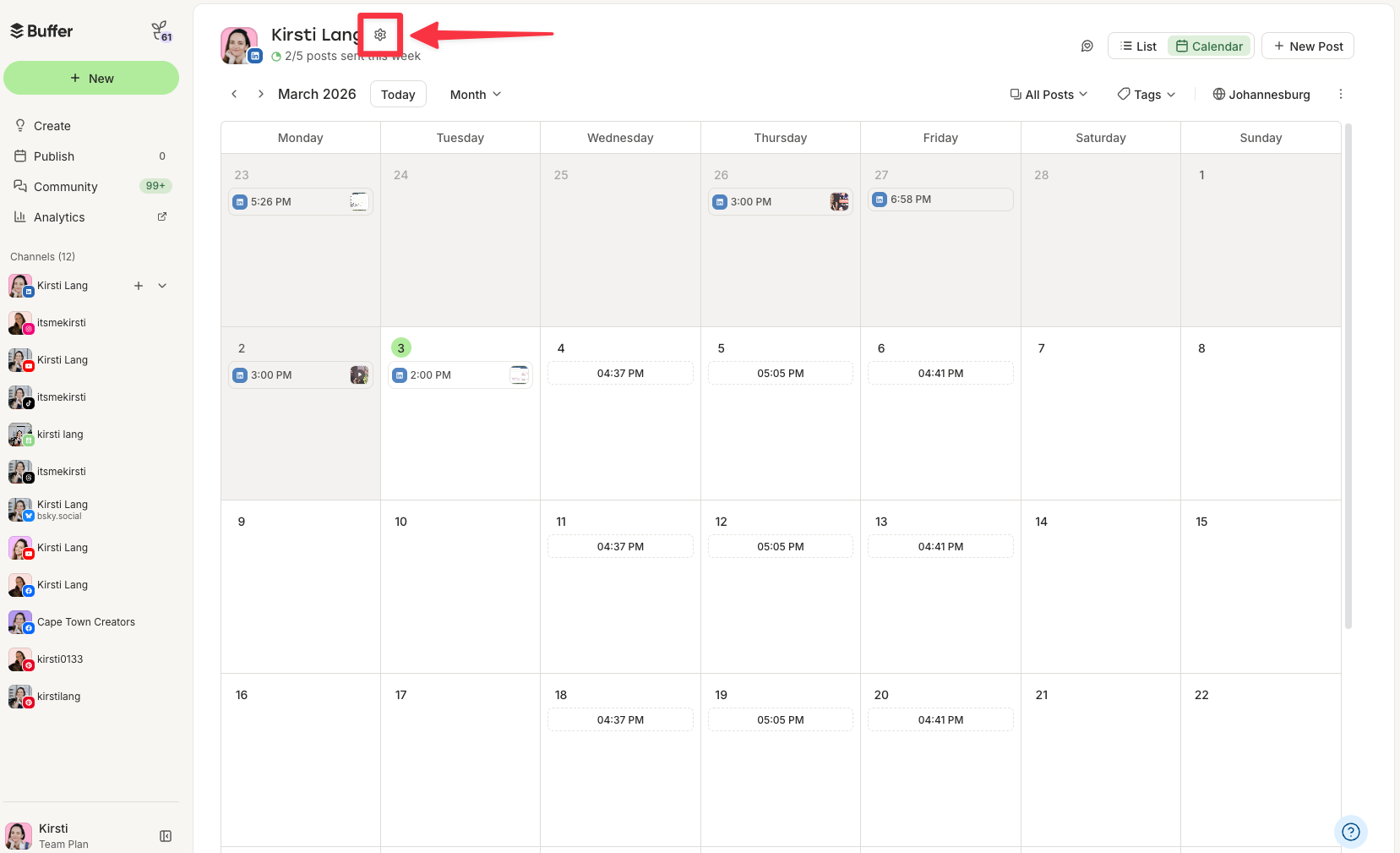
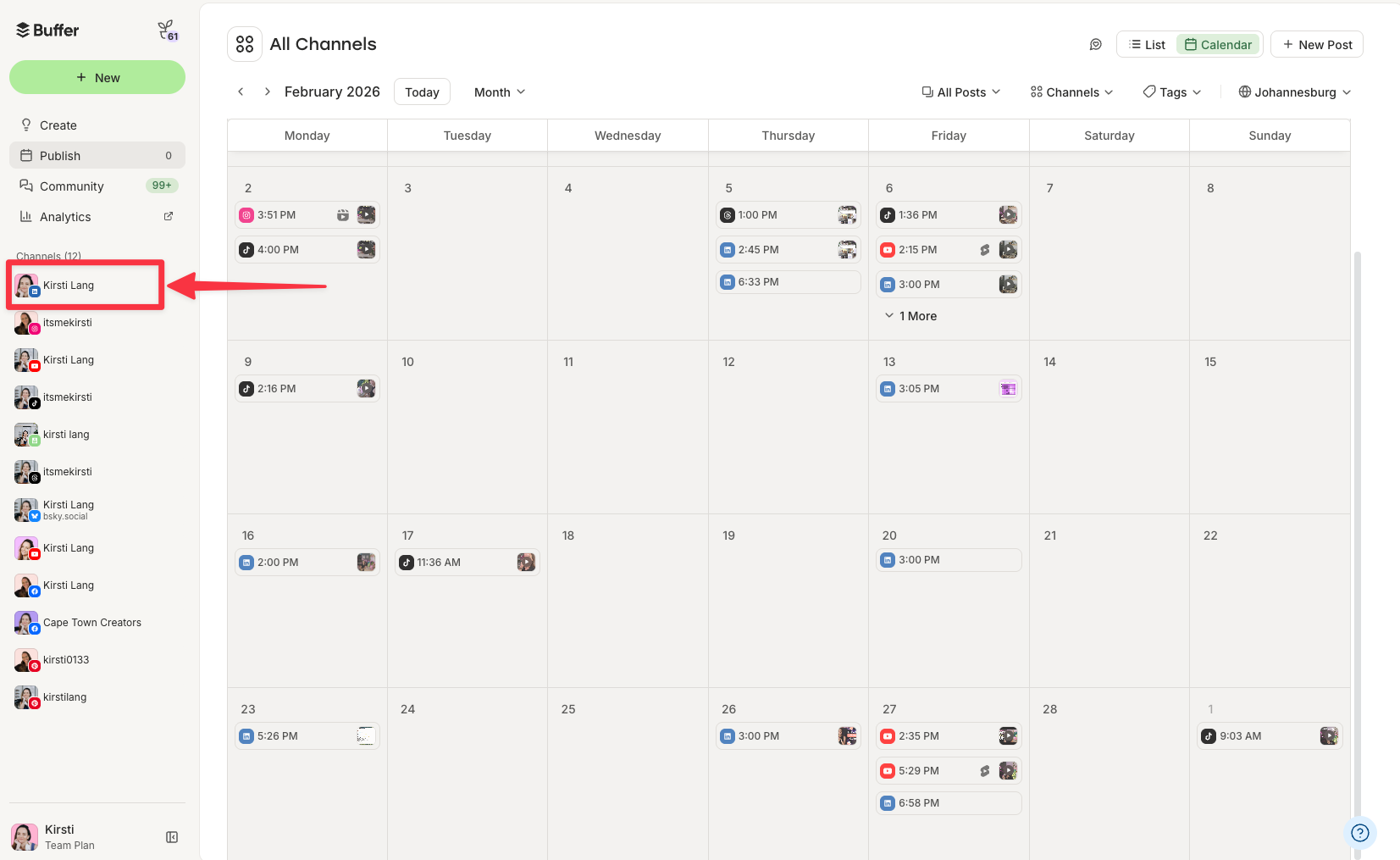
Data-driven strategies should therefore serve as a foundation, not a mandate. The most successful LinkedIn strategies typically involve a two-pronged approach: leveraging general high-engagement windows as a starting point, and then conducting A/B testing to refine these times based on specific audience responses. Since LinkedIn’s native analytics tools provide limited historical timing data, third-party management tools are increasingly becoming essential for creators who need to track the correlation between the exact moment of publication and subsequent engagement metrics.
Moving into the remainder of 2026, the trend of post-work professional engagement appears to be accelerating. As the line between traditional office time and digital personal time continues to blur, the "best time to post" is likely to remain in the late afternoon and evening, forcing a rethink of the standard 9-to-5 social media playbook. Success on the platform will increasingly belong to those who can meet their audience when they are most mentally available, rather than when they are merely at their desks.