Leica Unveils LUX 2.0 Camera App and Premium Accessories for the iPhone 18 Series

Leica Camera AG has officially announced a significant expansion of its mobile photography ecosystem with the upcoming release of the Leica LUX 2.0 application. Scheduled for a global launch on the Apple App Store in early October 2026, the updated software arrives alongside a new iteration of the company’s physical hardware accessories: the LUX Grip Silver and a dedicated premium case for the iPhone 18 Pro and Pro Max. This strategic move reinforces Leica’s commitment to bridging the gap between professional-grade optical philosophy and the computational photography capabilities of the latest Apple flagship devices.
A New Chapter in Mobile Imaging: The LUX 2.0 Update
The transition to version 2.0 marks a maturation of the Leica LUX platform. By adopting the aesthetic and functional architecture of the Leica FOTOS app—the company’s primary hub for managing images from its standalone M, Q, and SL series cameras—Leica is creating a cohesive user experience. This design integration ensures that users moving between a dedicated Leica camera and an iPhone 18 Pro feel a sense of continuity.
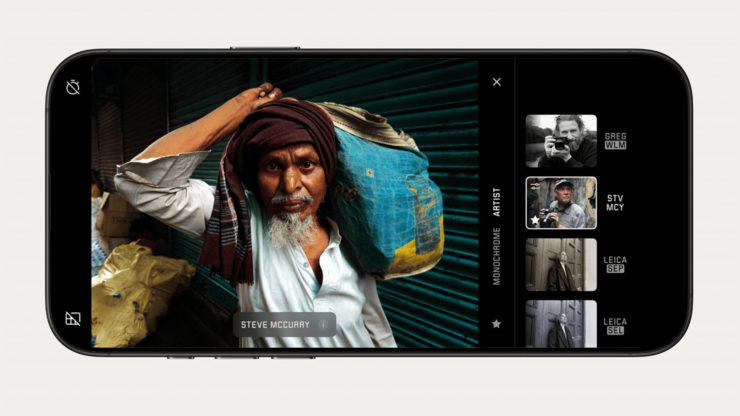
The interface has undergone a comprehensive overhaul, incorporating Apple’s Liquid Glass design language to provide a fluid, intuitive user experience. Leica has also prioritized personalization, allowing users to customize their home screens with various app icons inspired by the company’s storied history in rangefinder design.
Beyond aesthetics, the core functionality of the LUX 2.0 app is built to maximize the advanced hardware found in the iPhone 18 series. The app provides granular manual control over essential exposure variables, including focus, ISO, and white balance. Most notably, the software includes a suite of digital effects designed to replicate the distinctive rendering characteristics of legendary Leica lenses, as well as a library of "Leica Looks" that emulate the color science and tonal profiles of the brand’s iconic film and digital sensors.
Enhanced Workflow and Integration
For the professional photographer or the mobile enthusiast, workflow efficiency is paramount. Leica has addressed this by introducing a new, intuitive filmstrip interface that allows for rapid image selection directly from the detail view. Furthermore, a grid view has been implemented to facilitate the management and batch processing of multiple images.
Interoperability with industry-standard editing suites has also been prioritized. While the app continues to support the popular Darkroom editor, version 2.0 adds direct integration with Adobe Lightroom and Capture One. This means that users can initiate an edit session in their preferred professional software without leaving the Leica environment, significantly reducing the friction between capture and post-production. According to company officials, Leica intends to maintain this momentum by issuing iterative updates approximately every two months, ensuring that the app evolves in tandem with mobile hardware advancements.
Hardware Innovation: The LUX Grip Silver
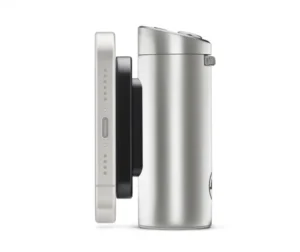
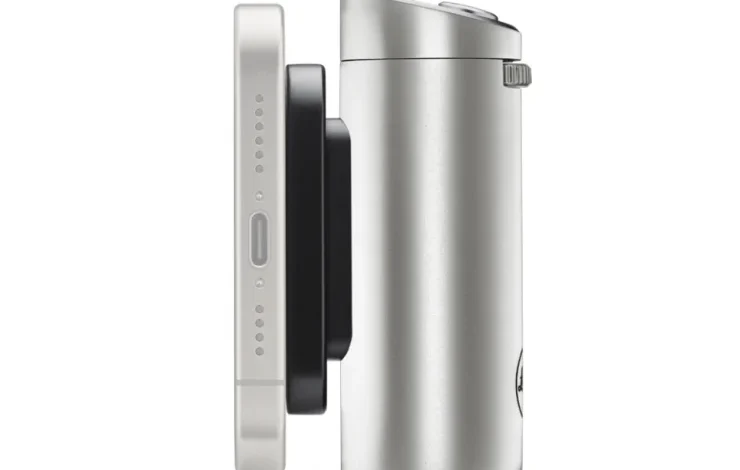
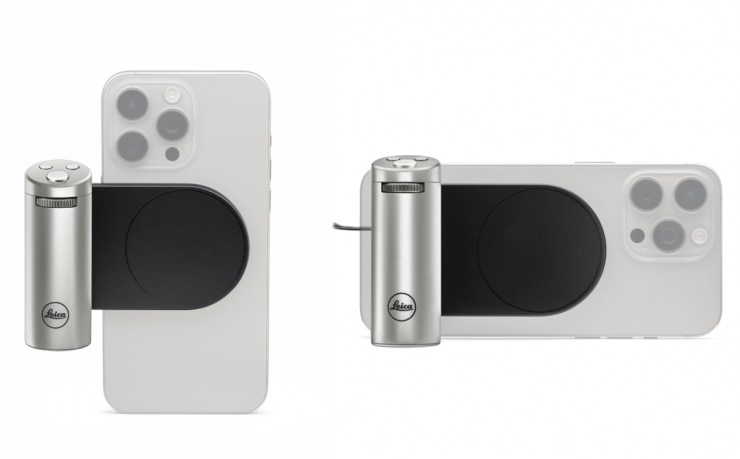
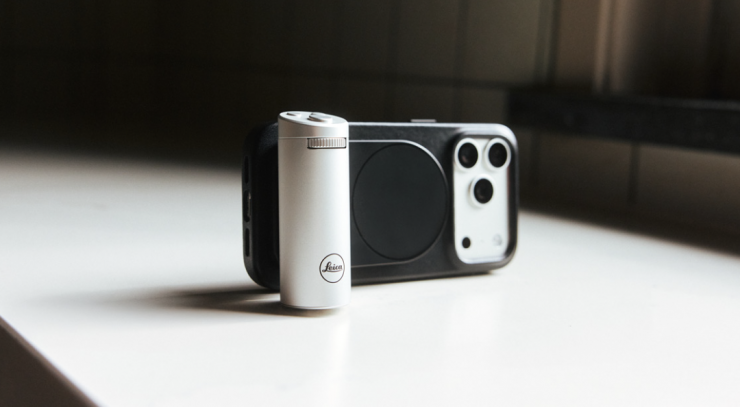
Complementing the software update is the release of the Leica LUX Grip Silver. Designed to address the inherent ergonomic limitations of smartphones, the grip aims to provide the tactile feedback and stability of a traditional camera.
The grip retains the core functionality of its black predecessor, featuring a two-stage mechanical shutter button. This allows for a half-press to lock focus and a full press to trigger the shutter—a tactile experience that has been missing from touch-screen-only interfaces. The unit also includes a settings dial and two assignable function buttons, providing the user with physical access to exposure compensation, ISO adjustments, or other parameters without requiring interaction with the screen.
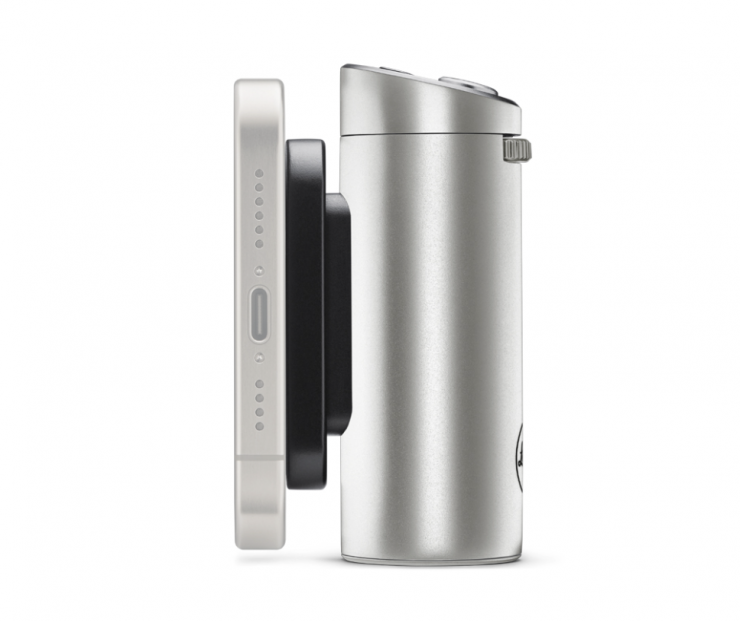
Connectivity is handled via Bluetooth, ensuring seamless pairing with the iPhone. The grip attaches to the device using Apple’s MagSafe ecosystem, providing a secure magnetic connection that feels integrated rather than peripheral. Power efficiency has also been optimized, with a USB-C charging port providing enough capacity to facilitate up to 1,000 shots on a single charge. The LUX Grip is backward compatible with the iPhone 12 and later, ensuring a wide potential user base. Notably, the purchase of a LUX Grip includes a one-year subscription to the Leica LUX PRO service, which unlocks the full suite of advanced app features.
The Leica LUX Case: A Tailored Fit
To complete the ecosystem, Leica has unveiled the Leica LUX Case, engineered specifically for the iPhone 18 Pro and iPhone 18 Pro Max. This is not merely a protective sleeve but an extension of the camera system itself.
The case features a premium black leather exterior, lined with a soft red microfiber interior to protect the phone’s chassis. A significant design departure is the inclusion of an integrated camera button, which offers improved responsiveness compared to standard case cutouts. By utilizing MagSafe, the case facilitates a direct connection with the LUX Grip, allowing the phone, case, and grip to function as a singular, unified photographic tool. The case is scheduled for release in October, aligning with the broader rollout of the LUX 2.0 ecosystem.
Market Context and Strategic Implications
Leica’s push into the smartphone app market is a response to the shifting landscape of professional photography. As computational photography has advanced, high-end smartphones have increasingly displaced point-and-shoot cameras for everyday use. By licensing its "Leica Look" and providing manual control interfaces, Leica is effectively capturing a market segment that values the brand’s heritage but prefers the convenience of an all-in-one mobile device.
The decision to offer a tiered subscription model—a free version and the LUX PRO tier—mirrors broader trends in the mobile software industry, where value is increasingly delivered through continuous service rather than one-time transactions. The 7-day free trial for the annual subscription suggests that Leica is confident that the added features of the Pro version, such as advanced lens emulation and extended format support, will prove indispensable to its user base.
Industry analysts observe that this strategy also serves as a "gateway" for new photographers. By introducing users to the Leica color science and workflow philosophy via their iPhones, the brand fosters long-term loyalty that may eventually lead to the acquisition of a physical Leica camera, such as the M-series or Q-series.

Looking Ahead
The release of LUX 2.0 and the supporting hardware arrives at a time when the distinction between "phone camera" and "pro camera" is at its narrowest. By focusing on ergonomics, tactile control, and professional-grade file management, Leica is not attempting to compete with the sheer power of professional DSLRs or mirrorless systems, but rather to elevate the mobile photography experience to a level that satisfies the aesthetic requirements of a discerning visual creator.
With the update scheduled for October and the new hardware accessories following closely behind, the stage is set for a significant Q4 for Leica’s mobile division. The commitment to a bi-monthly update schedule signals a long-term investment in the platform, suggesting that Leica LUX will remain a key component of the brand’s future portfolio. As the mobile hardware landscape continues to iterate at a rapid pace, the ability of software developers to keep pace with camera sensors will define the future of mobile imaging. Leica’s latest announcement suggests they are well-positioned to remain at the forefront of this evolution.