SSOC Restaurant in Seoul Redefines Contemporary Dining Through Design2tones Vision of Harmony in Diversity

The Seongsu district of Seoul, a neighborhood once defined by its industrial grit and sprawling shoe factories, has welcomed a new culinary and architectural landmark with the opening of SSOC. Designed by the visionary studio Design2tone, the restaurant represents a sophisticated departure from the often sterile aesthetic of modern minimalism. By centering the project on the theme of "New Harmony in Diversity," the designers have created a space that mirrors the complex, East-meets-West culinary philosophy of Chef Lee Jong-wook. The project serves as a prime example of how interior design can function as a physical extension of a brand’s gastronomic identity, utilizing a curated palette of contrasting materials to bridge the gap between industrial history and contemporary luxury.
Located in an area frequently described as the "Brooklyn of Seoul," SSOC occupies a strategic position within a landscape of renovated warehouses that now serve as high-end boutiques, art galleries, and experimental exhibition spaces. The design team at Design2tone was tasked with creating an environment that felt both cutting-edge and welcoming—a difficult balance in an era where modern eateries often lean toward a cold, uninviting atmosphere. Their solution was to treat the interior as a "balance of ingredients," much like the contemporary Asian dishes served on the menu. This approach ensures that the setting is as memorable as the food, catering to a growing demographic of discerning gastronomes who view dining as a holistic sensory experience.
The Architectural Vision: Bridging the Industrial and the Refined
The exterior of SSOC sets the tone for the experience within. Encased in a sleek metal and glass facade, the restaurant utilizes a unique lighting fixture installed beneath the entryway that produces illumination capable of subtly changing color. This feature is not merely decorative; it is designed to respond to the shifting atmosphere of the streetscape, capturing the kinetic energy of Seongsu-dong. As the natural light fades and the neon-lit nightlife of Seoul takes over, the restaurant’s exterior transitions, acting as a living organism that reflects its environment.
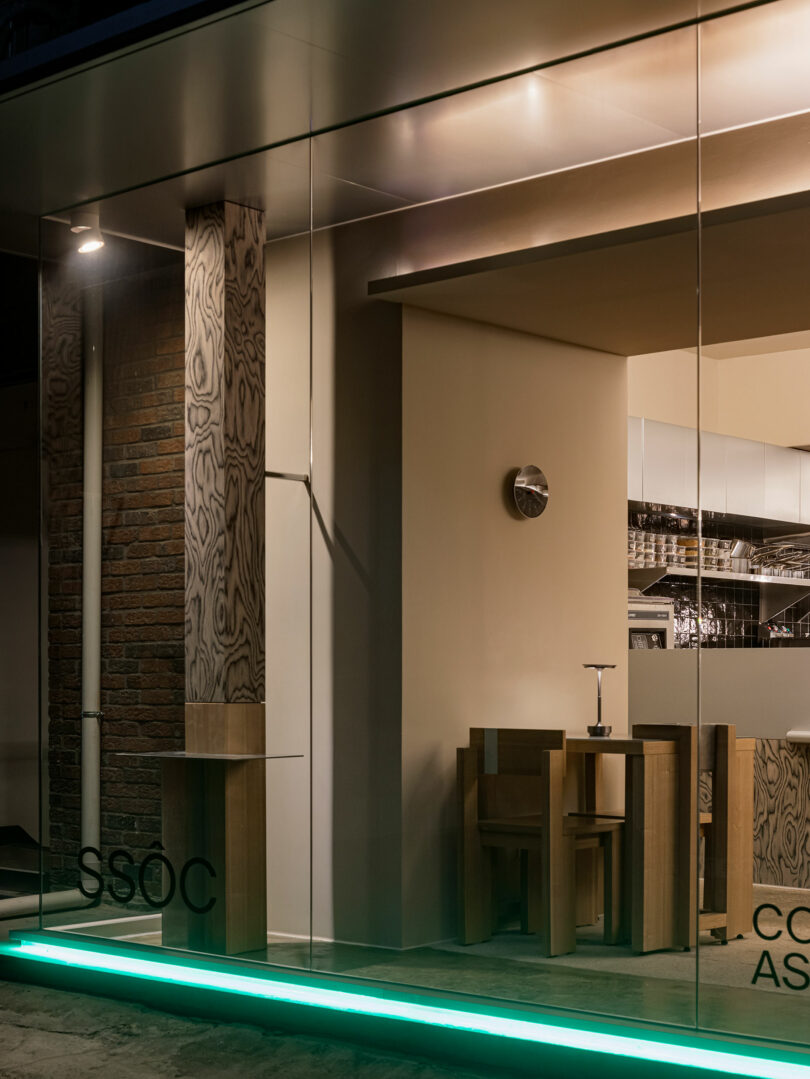
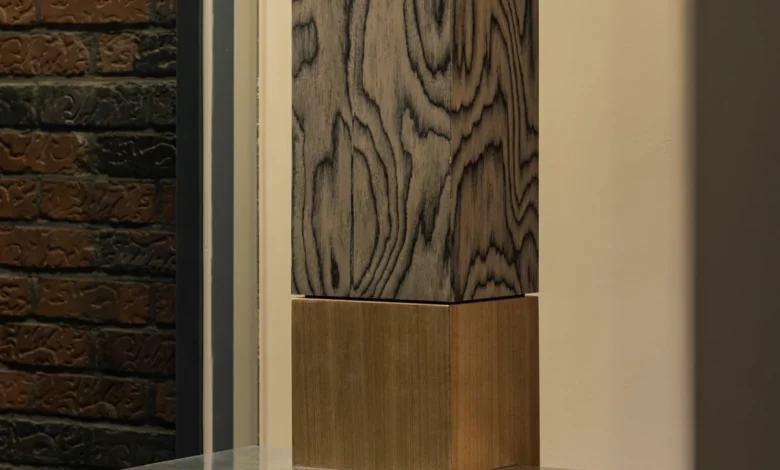
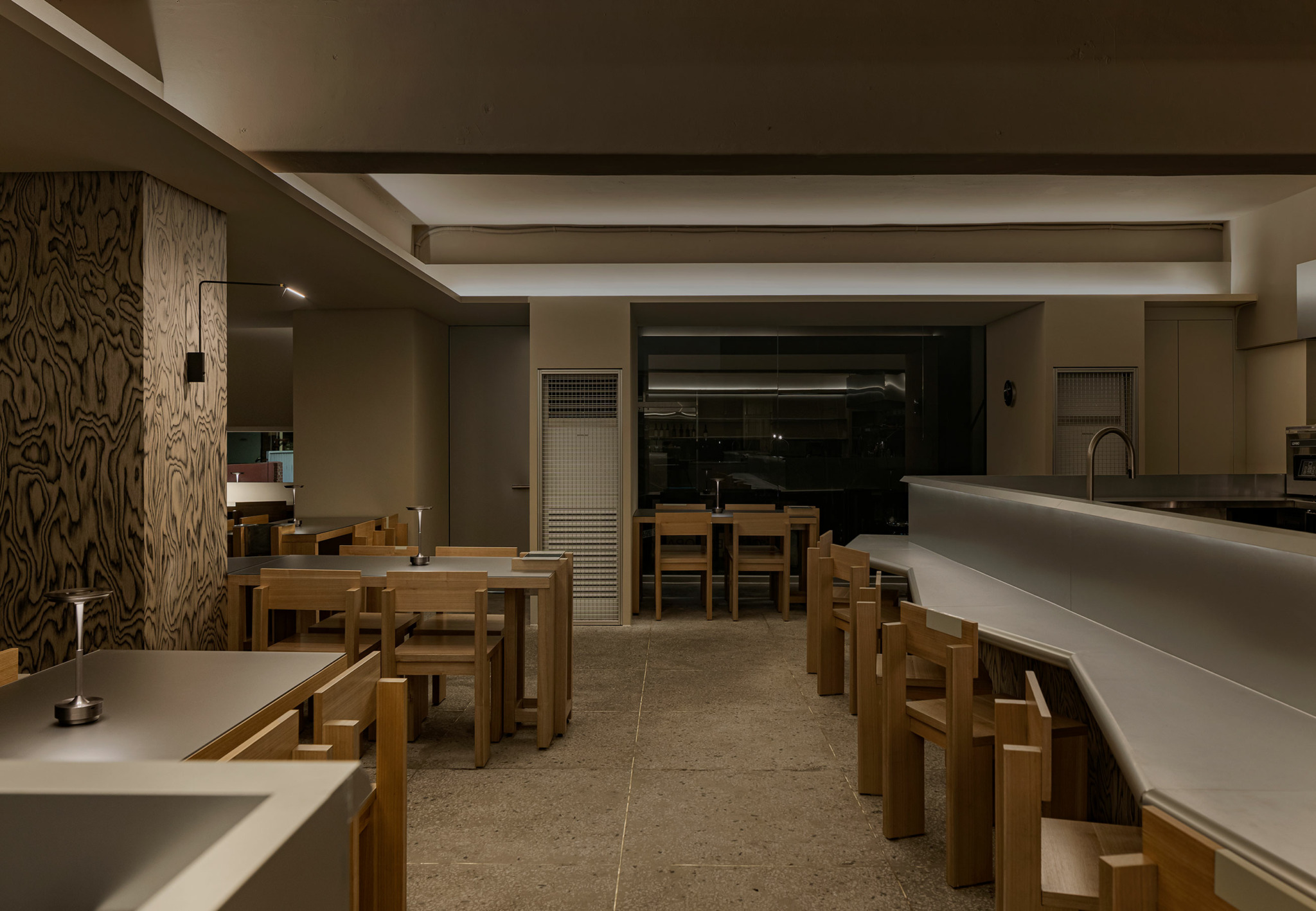
Upon entering, the interior reveals a meticulously planned narrative of contrast. The "Harmony in Diversity" principle is most evident in the choice of materials. Design2tone utilized commercial-grade stainless steel for the front-of-house areas, providing a clean, professional sheen that ensures durability and hygiene. However, to prevent the space from feeling overly industrial, the steel is juxtaposed against a wood-look veneer. This veneer has been recomposed to showcase an abstracted natural grain, offering a tactile warmth that complements the original exposed brick of the building. This dialogue between the "cold" metal and the "warm" wood serves as a metaphor for the culinary fusion occurring in the kitchen, where traditional Asian techniques meet Western presentation.
Chronology of the Seongsu Transformation
The opening of SSOC is the latest chapter in the rapid evolution of the Seongsu district. To understand the significance of the restaurant’s design, one must look at the timeline of the neighborhood’s revitalization:

- 1960s–1980s: The Industrial Peak. Seongsu-dong was established as the heart of Seoul’s manufacturing industry, particularly famous for its handmade shoe factories and small-scale automotive repair shops.
- 1990s–2000s: Period of Decline. As manufacturing shifted overseas, many of the district’s warehouses fell into disuse, leaving behind a landscape of red-brick shells and industrial remnants.
- 2010s: The Creative Influx. Young artists and entrepreneurs began moving into the area, attracted by low rents and the unique aesthetic of the industrial buildings. This era saw the birth of "industrial chic" in Seoul, with the opening of pioneering spaces like Daelim Changgo.
- 2020–Present: The Luxury Pivot. Seongsu-dong has transitioned into a premier destination for global brands and high-concept dining. The "Brooklyn of Seoul" moniker became solidified as luxury fashion houses and Michelin-recognized chefs moved into the district, leading to a demand for more refined interior designs that respect the area’s history while offering a premium experience.
SSOC represents the "Luxury Pivot" phase, moving away from the raw, unfinished look of early gentrification toward a more polished and intentional architectural statement.
Culinary Integration and Functional Innovation
The layout of SSOC was heavily influenced by the operational needs of Chef Lee Jong-wook. Known for his ability to meld Eastern and Western flavors, the chef required a space that allowed for high-level precision while maintaining a connection with the diners. The open kitchen serves as the heart of the restaurant, featuring a backsplash of ebony-colored tiles that provide a dramatic backdrop for the culinary team.

The furniture within the space was custom-designed to enhance the guest experience. One of the most notable features is the integration of ice buckets directly into the wooden dining tables. This functional innovation allows patrons to keep their wine or sake at the perfect temperature throughout the meal, from the initial appetizers to the final dessert, without the need for bulky external stands.
Seating arrangements were also carefully considered to cater to different dining dynamics. A freeform bar counter with sharp, geometric edges winds through the space, offering a dynamic environment for individual diners or couples. For larger parties, traditional four-top tables provide a more stable and intimate setting. Strategically placed chairs ensure that every patron has an unobstructed view of the open kitchen, turning the preparation of food into a form of performance art.

Supporting Data: The Rise of Design-Driven Dining in Seoul
The success of establishments like SSOC is supported by broader economic and cultural trends in South Korea. According to data from the Korea Foodservice Industry Research Institute, the "experience economy" in the dining sector has seen a 15% year-over-year growth in Seoul. Consumers are increasingly willing to pay a premium for restaurants that offer a unique "spatial narrative."
Furthermore, a 2023 survey by the Seoul Metropolitan Government indicated that Seongsu-dong has become the second most visited neighborhood for "lifestyle tourism" among locals aged 20 to 39, trailing only behind the traditional powerhouse of Gangnam. This demographic places a high value on "Instagrammable" interiors that do not sacrifice quality. Design2tone’s work at SSOC taps directly into this trend, providing a photogenic environment that is grounded in high-quality materials and thoughtful lighting.

Lighting and Atmospheric Engineering
Ambiance at SSOC is treated with the same level of technical rigor as the architecture. The designers implemented a dual-layered lighting strategy to accommodate the restaurant’s transition from a casual lunch spot to an elevated evening destination.
During daylight hours, the large glass windows allow natural light to flood the interior, highlighting the varied textures of the wood veneer and the rugged surface of the exposed brick. This creates a bright, airy atmosphere that encourages a relaxed dining pace. As evening approaches, the interior lighting is lowered, and focused beams are used to introduce visual depth. These "pools of light" are strategically directed onto the tables and the bar, ensuring that the food remains the focal point of the visual field. This emphasis on the fare itself is a hallmark of Design2tone’s philosophy—the design should never overshadow the purpose of the space.

Implications for the Future of Urban Design
The "New Harmony in Diversity" concept championed by SSOC and Design2tone has broader implications for urban design and the future of the F&B industry. It suggests a move away from the "one-size-fits-all" minimalism that has dominated the last decade. Instead, the project advocates for a "contextual modernism"—a style that respects the specific history of a location (in this case, the industrial heritage of Seongsu) while introducing new, sophisticated elements.
Industry analysts suggest that this approach is essential for the long-term sustainability of neighborhoods undergoing gentrification. By maintaining elements like the exposed brick and the "warehouse" feel, developers and designers can preserve the character that made the neighborhood attractive in the first place, even as they introduce high-end amenities.

In a statement regarding the project’s philosophy, the design team at Design2tone noted that their goal was to create a "sensory feast" that began the moment a guest saw the building from the street. By layering flavors in both the kitchen and the interior, SSOC has established itself as a cornerstone of the new Seongsu-dong, proving that in the world of modern gastronomy, the setting is just as vital as the plate.
As Seoul continues to cement its status as a global cultural capital, the collaboration between Chef Lee Jong-wook and Design2tone serves as a blueprint for how the city’s industrial past can be harmonized with its luxurious future. SSOC is not just a restaurant; it is a testament to the power of balanced ingredients, whether they are found in a bowl or in the grain of a wooden column.