Unlocking Creative Potential: How Neutral Density Filters Elevate Portrait Photography Beyond Landscapes

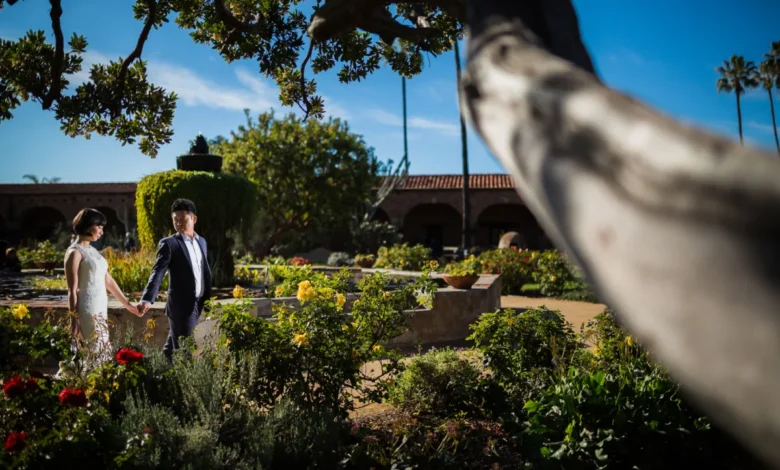
Neutral Density (ND) filters, often relegated to the realm of landscape photography for their ability to control light and achieve long exposures, are a potent, yet frequently overlooked, tool for portrait photographers. These filters, which reduce the amount of light entering a camera lens without altering the image’s color balance, offer remarkable creative control, enabling photographers to overcome challenging lighting conditions and unlock new aesthetic possibilities in portraiture. This article delves into three key applications of ND filters in portrait photography, exploring their impact on exposure, depth of field, and overall image dynamism, alongside recommendations for their effective use.
The Underrated Power of ND Filters in Portraiture
Traditionally, ND filters are lauded for their role in landscape photography, facilitating techniques such as blurring water movement or capturing the ethereal sweep of clouds. However, their utility extends significantly into the domain of portraiture, where they can transform a photographer’s ability to manage light and artistic intent. By reducing incoming light, ND filters grant photographers the freedom to manipulate camera settings that would otherwise be restricted by ambient brightness. This includes the ability to maintain a wide aperture for shallow depth of field, even in bright sunlight, or to achieve intentional motion blur for artistic effect.
The fundamental principle behind an ND filter is its capacity to decrease the light intensity reaching the camera sensor. This is typically quantified by "stops" of light reduction, with a 3-stop filter reducing light by a factor of eight, a 6-stop filter by sixty-four, and so on. This controlled reduction of light is precisely what allows for creative manipulation in portrait photography, offering solutions to common shooting dilemmas.
1. Achieving Long Exposures and Motion Blur in Daylight Portraits
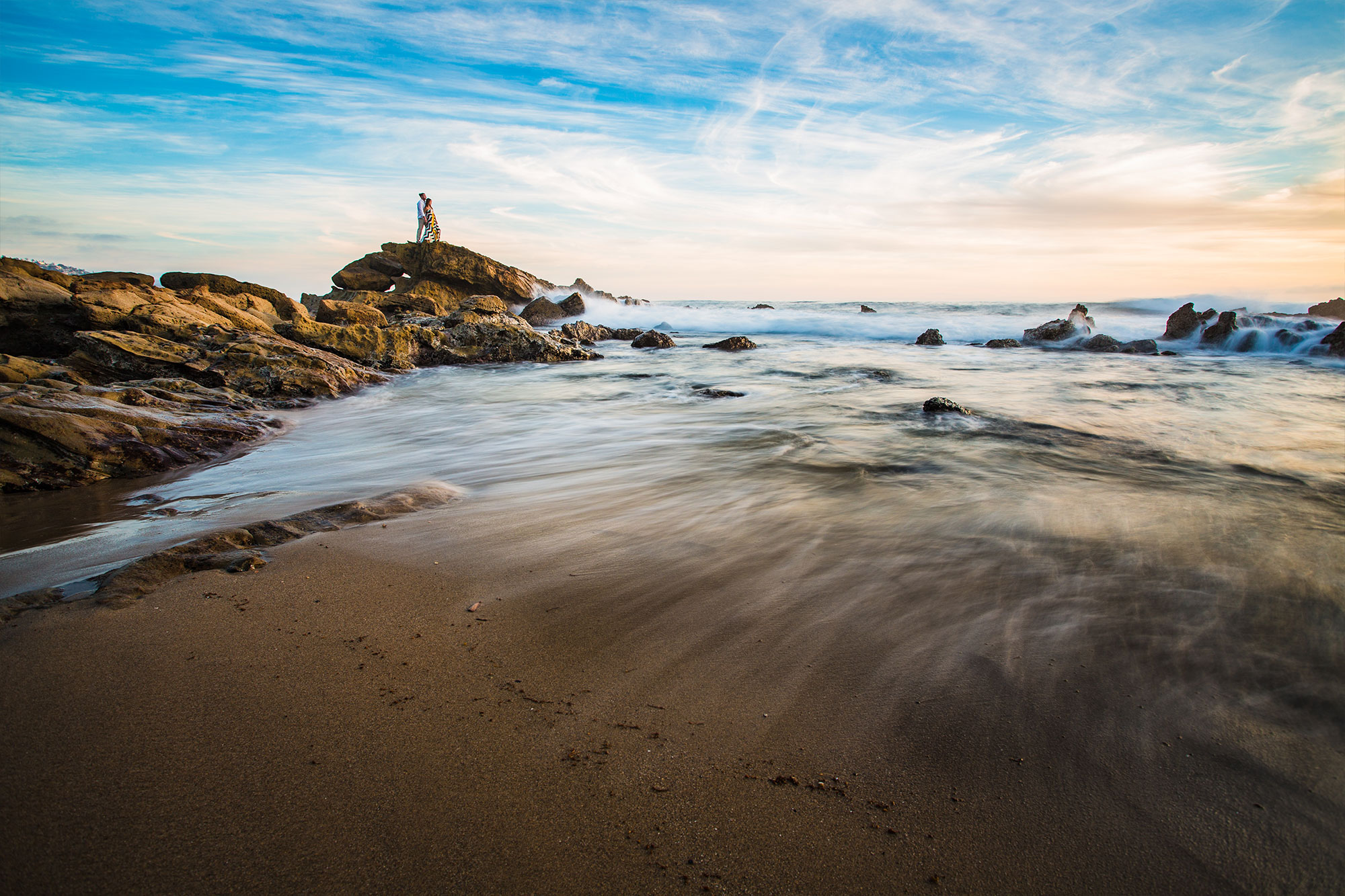
One of the most striking applications of ND filters in portrait photography is the creation of intentional motion blur, often referred to as "shutter drag," even in broad daylight. Typically, achieving a slow shutter speed for motion blur necessitates a dark environment or a very small aperture. However, by employing an ND filter, photographers can effectively "slow down" the daylight, allowing for shutter speeds of several seconds without overexposing the image.
Consider a scenario where a photographer wishes to capture a portrait with a subject positioned near moving water, such as a river or ocean. Without an ND filter, achieving a shutter speed slow enough to blur the water (e.g., one second) would result in a severely overexposed image in bright sunlight, even at the lowest ISO and smallest aperture. By attaching a 5-stop ND filter, the photographer can significantly reduce the incoming light, enabling the use of a 1-second shutter speed while maintaining a low ISO (e.g., 50) and a desirable aperture. This allows for the water to render as a soft, ethereal blur, adding a dynamic and artistic element to the portrait. The retained detail in the highlights and shadows, combined with enhanced colors, can be further refined in post-processing, for instance, using specialized Lightroom presets designed to bring out the best in such images. This technique not only adds visual interest but also creates a sense of movement and atmosphere that would otherwise be impossible to achieve.

The ability to introduce motion blur extends beyond water. For portraits featuring subjects in a bustling urban environment, an ND filter can blur the movement of pedestrians or vehicles, creating a sense of dynamism and isolating the subject within a serene, almost surreal, frame. The contrast between a still subject and a blurred background can be incredibly compelling, drawing the viewer’s eye directly to the portrait.
2. Maximizing Dynamic Range and Controlling Depth of Field in Bright Conditions
Another critical advantage of ND filters in portrait photography is their role in maximizing dynamic range, particularly when shooting in bright, high-contrast conditions like midday sun. The native ISO of a camera typically offers the best dynamic range, meaning it can capture the most detail in both the brightest highlights and the darkest shadows. However, shooting at base ISO often requires a fast shutter speed or a small aperture to avoid overexposure, which can limit creative choices.
When a photographer aims to shoot at the lowest possible native ISO to preserve maximum detail, the ambient light can become the dominant factor. If the subject is not adequately illuminated by this ambient light, they risk being underexposed, even if the background is perfectly exposed. This is where an ND filter becomes indispensable. By reducing the overall light, the ND filter allows the photographer to use a wider aperture (a lower f-number) while still maintaining a manageable shutter speed at the base ISO.

For example, to achieve a shallow depth of field with beautiful bokeh, a photographer might want to shoot at f/1.4 or f/2.8. In bright sunlight, this would require a very fast shutter speed, potentially exceeding the camera’s capabilities or forcing an increase in ISO, thereby sacrificing dynamic range. With a 4-stop ND filter, the photographer can maintain their desired f-stop (e.g., f/16 to create starburst effects from light sources, or f/1.4 for a shallow depth of field) while still using a low ISO and a reasonable shutter speed. This approach is crucial for retaining detail in both the sky and the subject.
Furthermore, ND filters enable photographers to use artificial light (strobes or flashes) more effectively in bright daylight without being forced to "stop down" their aperture excessively. If a photographer wants to use a strobe to "chisel out" their subject, creating a distinct separation from the background, they need to balance the strobe’s power with the ambient light. Without an ND filter, to match the ambient light at f/4, they might need to increase their ISO or use a much slower shutter speed. However, with an ND filter, they can maintain their f/4 aperture and use the strobe to add controlled illumination to the subject, while the ND filter ensures the ambient light doesn’t overexpose the background. This allows for more creative control over the light ratio and the overall mood of the portrait. The ability to underexpose the ambient light intentionally, as demonstrated in some portrait examples, can create a more dramatic interplay between flash and ambient light, leading to striking visual outcomes.
3. Bypassing High-Speed Sync (HSS) for Consistent Flash Photography
High-Speed Sync (HSS) is a valuable feature that allows flashes to synchronize with camera shutter speeds faster than the camera’s native sync speed (typically 1/200th or 1/250th of a second). While convenient, HSS has inherent limitations, particularly concerning consistency and light output. In HSS mode, the flash fires a rapid series of low-power pulses rather than a single burst of light. This can lead to variations in light output between shots, making it challenging to replicate exact lighting conditions. Moreover, recycle times for flashes in HSS mode, especially when trying to overpower strong sunlight, can be significantly slower, potentially delaying the shooting process.
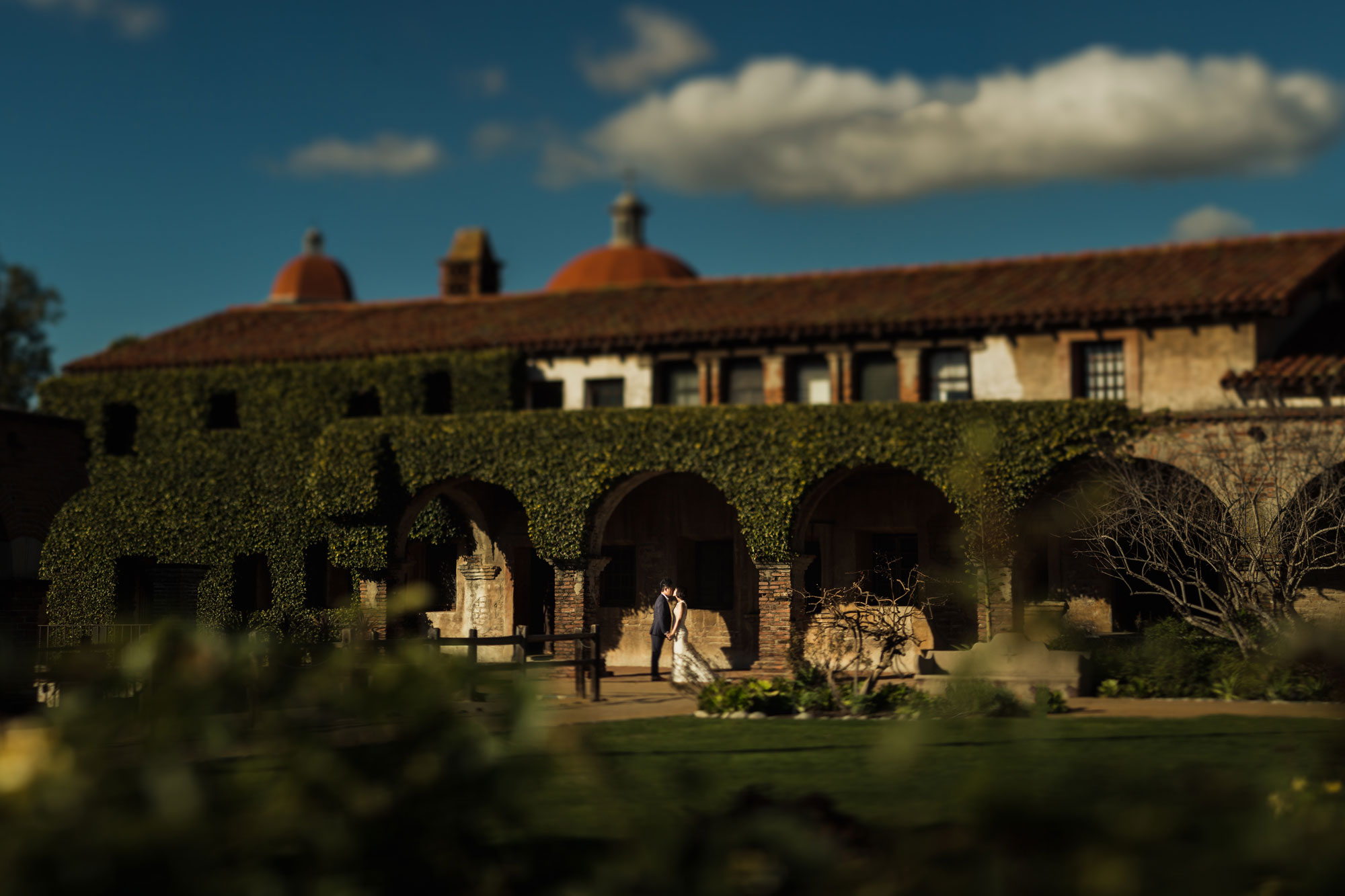
ND filters offer an elegant alternative to HSS for portrait photographers working in bright daylight who want to use flash while maintaining a shallow depth of field. By using an ND filter, photographers can reduce the ambient light sufficiently to allow their flash to overpower the sun at the camera’s native sync speed (e.g., 1/200th of a second). This approach ensures a consistent light output from the flash for each shot, as it operates in its standard, full-power mode.
For instance, a photographer might want to shoot a portrait at f/1.4 to achieve a very shallow depth of field. In bright sun, this aperture would normally necessitate an extremely fast shutter speed. By using a suitable ND filter, they can reduce the ambient light to a level where their flash, firing at the 1/200th sync speed, can effectively illuminate the subject while the ambient light contributes to the background exposure without blowing out highlights. This method provides greater control over the flash’s power and consistency, leading to more predictable and repeatable results. This is particularly beneficial for professional photographers who need to deliver consistent quality for their clients. The stability of flash output at the native sync speed, facilitated by the ND filter, can be a significant advantage over the potentially fluctuating output of HSS.
Essential Gear for ND Filter Portraits: Quality Matters
When integrating ND filters into a portrait photography workflow, the quality of the filter is paramount. A poorly manufactured ND filter can introduce unwanted color casts (often a magenta or green tint) or reduce the overall sharpness and clarity of the image. This is because the filter is placed directly in front of the lens, acting as an additional optical element.

Cheaper ND filters often suffer from these color shifts and may not evenly reduce light across the spectrum, leading to compromised image quality. Therefore, investing in reputable brands known for their optical quality is crucial. Filters that are "Oscar-award winning" or have a proven track record in professional photography, like those from Tiffen, are often recommended for their reliability and minimal impact on image fidelity.
The choice of ND filter strength will depend on the specific shooting scenario. For general use in bright daylight, a 3-stop or 6-stop ND filter is often sufficient. For achieving very long exposures or significantly reducing light for wide-open apertures in direct sun, a 10-stop or even higher ND filter might be necessary. Variable ND filters offer convenience by allowing adjustment of the density, but they can sometimes introduce an "X" pattern or color cast at their maximum settings. For consistent, high-quality results, fixed-stop ND filters are often preferred.
The specific filter thread size needs to match the front of the camera lens. Step-up rings can be used to adapt a single filter to multiple lens sizes, but it’s generally recommended to have filters that directly match the most frequently used lens diameters to avoid potential vignetting or optical compromises.

Conclusion: Embracing the ND Filter for Expanded Creative Horizons
The Neutral Density filter is far more than a tool for landscape photographers; it is a transformative accessory for portraiture. By granting photographers precise control over light, ND filters empower them to overcome the limitations imposed by bright ambient conditions. Whether the goal is to achieve ethereal motion blur through long exposures, maximize dynamic range for richer detail, or bypass the inconsistencies of HSS for reliable flash photography, ND filters offer a pathway to enhanced creative expression.
The ability to shoot with wide apertures in broad daylight, maintain consistent flash output, and introduce intentional motion blur opens up a new spectrum of artistic possibilities. As photographers continue to push the boundaries of visual storytelling, the humble ND filter stands as a testament to how seemingly simple accessories can unlock profound creative potential, allowing photographers to craft compelling and technically superior portraits in any lighting scenario. The investment in quality ND filters is an investment in creative freedom and the ultimate quality of photographic output.