The Trade With Kelley L. Carter Premieres July 29 on ESPN+ Featuring John Cena, Marshawn Lynch, and Dwyane Wade

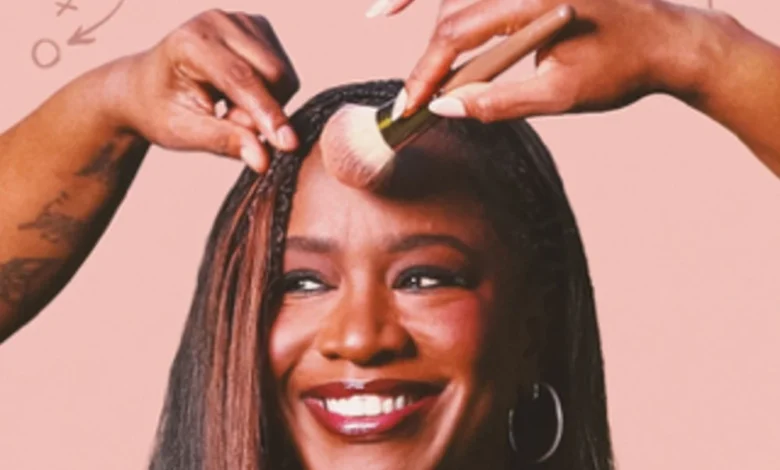
ESPN+ is poised to launch a compelling new interview series, "The Trade With Kelley L. Carter," set to premiere on July 29. This ambitious digital project, originating from Andscape, promises to delve into the intricate connections between sports and culture through intimate conversations with some of the most recognizable figures in entertainment and athletics. The initial lineup of guests includes wrestling icon and actor John Cena, NFL legend Marshawn Lynch, acclaimed actor Tyler James Williams, NBA champion Dwyane Wade, WNBA star Renee Montgomery, and Grammy-nominated rapper Jeezy. Each will engage in separate episodes, sharing personal insights, moments of vulnerability, and reflections on their unique career trajectories.
A Deeper Dive into Sports and Culture
"The Trade With Kelley L. Carter" is more than just a series of interviews; it’s envisioned as a profound cultural exchange. Host and executive producer Kelley L. Carter, an Emmy-winning journalist, aims to create a platform where guests can offer "raw truths, unpeeled layers, and defining choices" in a manner rarely witnessed by audiences. Carter, who joined ESPN in 2016 as a writer for "The Undefeated" and now serves as senior entertainment reporter for Andscape, brings a wealth of experience in covering the intersection of sports, race, and culture. Her background provides a strong foundation for facilitating these in-depth discussions.
The series will consist of 10 episodes, each designed to explore the multifaceted lives of its guests. By focusing on their personal journeys, the series intends to reveal the human element behind the public personas, highlighting the decisions, challenges, and triumphs that have shaped their identities and careers. This approach aims to resonate with viewers by showcasing relatable experiences and fostering a deeper understanding of the individuals beyond their athletic or artistic achievements.
Andscape’s Commitment to Cultural Narratives
The series is a significant undertaking for Andscape, ESPN’s multimedia content initiative dedicated to exploring the intersection of Blackness, sports, and culture. Jason Aidoo, VP and General Manager of Andscape, emphasized the organization’s passion for these converging spaces. He described "The Trade" as a "powerful expression" of Andscape’s mission, highlighting Carter’s unique ability to "uncover something more human, more layered and more unexpected" from prominent figures. Aidoo further elaborated that the series will explore how sports has profoundly influenced the lives, identities, and creative paths of these influential individuals, ultimately demonstrating how they continue to drive cultural progress. The description of the series as "intimate, cinematic and unmistakably Andscape" underscores the production’s commitment to a distinctive visual and thematic style.
Expanding Reach Through Digital Platforms
In addition to the core series on ESPN+, "The Trade" will leverage a multi-platform digital strategy to maximize its reach and engagement. Complementary content will be distributed across YouTube, TikTok, and other social media platforms. This approach ensures that the series’ impactful conversations can be accessed and shared by a wider, digitally-native audience, fostering broader discussion and participation. The production is handled by GTG Studios, with Kelley L. Carter, Samir Hernandez, Angella Hernandez, Leo Knox, and showrunner Spencer Paysinger serving as executive producers. This collaborative effort aims to deliver a high-quality viewing experience across all platforms.
Background and Context of "The Trade"
The genesis of "The Trade" can be traced to Andscape’s ongoing mission to provide nuanced and authentic storytelling that reflects the Black experience in America. By bringing together athletes and entertainers, the series taps into a rich vein of shared experiences, challenges, and triumphs that often go unaddressed in conventional media. Kelley L. Carter’s tenure at "The Undefeated" and her subsequent role at Andscape have positioned her as a leading voice in this space, with a proven track record of facilitating meaningful conversations. Her ability to connect with subjects on a personal level is a key asset for a series that promises depth and authenticity.
The choice of guests is also significant. John Cena, beyond his wrestling career, has become a prominent actor and advocate, known for his philanthropy and public persona. Marshawn Lynch, often referred to as "Beast Mode," is celebrated not only for his impactful NFL career but also for his outspoken personality and commitment to his community. Dwyane Wade, a basketball icon, has successfully transitioned into business and media, becoming a respected voice on and off the court. Tyler James Williams has garnered critical acclaim for his diverse roles, showcasing his range as an actor. Renee Montgomery, a WNBA champion, has also been a vocal advocate for social justice and has transitioned into business and media ownership. Jeezy, a veteran rapper, has consistently addressed social and economic issues in his music, making him a compelling voice for cultural commentary. The inclusion of these diverse figures suggests a broad scope for the series, touching upon various aspects of sports, entertainment, and their societal impact.

A Strategic Move for ESPN+
The launch of "The Trade" represents a strategic expansion of ESPN+’s content offerings. As a subscription-based streaming service, ESPN+ continuously seeks to attract and retain subscribers with exclusive and high-quality content. Interview series featuring high-profile personalities have proven to be successful in driving viewership and engagement. By partnering with Andscape, ESPN+ is not only accessing a respected brand in Black culture and sports storytelling but also tapping into a network of influential individuals. The focus on culture and personal narratives allows ESPN+ to differentiate itself from other sports-centric platforms, appealing to a broader audience interested in the human stories behind the headlines.
The 10-episode format, coupled with the extensive digital content strategy, indicates a commitment to creating a sustained conversation around the series. YouTube and TikTok, in particular, are vital platforms for reaching younger demographics and fostering viral engagement. This integrated approach ensures that the series’ messages and discussions can extend beyond the primary viewing audience, creating a ripple effect within popular culture.
Expert Commentary and Reactions
While direct statements from all guests are not yet available, the sentiment expressed by Kelley L. Carter and Jason Aidoo provides a clear indication of the series’ intended impact. Carter’s emphasis on "cultural exchange" and "raw truths" suggests a departure from superficial celebrity interviews. Her goal is to foster genuine dialogue that uncovers the complexities of her guests’ lives and experiences. This commitment to depth and authenticity is likely to resonate with viewers seeking more meaningful content.
Andscape’s investment in this series further solidifies its position as a leading voice in cultural commentary. By consistently producing content that explores the intersection of sports, Black identity, and broader societal issues, Andscape is building a valuable brand that resonates with diverse audiences. The series’ focus on the "human, layered, and unexpected" elements of its guests’ lives aligns perfectly with Andscape’s mission to provide insightful and engaging narratives.
Broader Impact and Implications
The success of "The Trade" could have several implications for the sports and entertainment industries, as well as for streaming platforms. Firstly, it reinforces the growing demand for content that explores the cultural significance of sports beyond the game itself. As athletes and entertainers increasingly use their platforms to address social issues and personal experiences, audiences are eager for deeper insights into their lives and perspectives.
Secondly, the series’ multi-platform approach highlights the evolving landscape of media consumption. The integration of long-form interviews with short-form, shareable content across social media platforms is becoming increasingly crucial for maximizing audience reach and engagement. This model could serve as a blueprint for future content launches across the industry.
Furthermore, "The Trade" has the potential to elevate the conversation around vulnerability and authenticity in public life. By encouraging guests to share their personal struggles and defining moments, the series aims to humanize public figures and foster a greater sense of connection with audiences. This can have a positive impact on how society perceives and interacts with individuals in the public eye, promoting empathy and understanding.
Finally, the series’ strong focus on Black culture and its influence on sports and entertainment is a significant contribution to representation in media. By providing a platform for these narratives, "The Trade" helps to broaden the scope of storytelling and offer a more inclusive and diverse portrayal of cultural influencers. As Andscape continues to champion these stories, the series is poised to become a landmark in contemporary media, offering viewers a unique and compelling look into the lives of those who shape our culture. The visual identity of the series, as hinted by the poster, suggests a sophisticated and engaging aesthetic that will further enhance the viewing experience. The anticipation for "The Trade With Kelley L. Carter" is palpable, promising a series that is both timely and timeless in its exploration of the human experience through the lens of sports and culture.