Rane Marks 45 Years of DJ Innovation: The Untold Story of the Steelworkerz, the TTM 54, and the Magnetic Crossfader

As audio technology manufacturer Rane celebrates its landmark 45th anniversary, the company’s legacy remains deeply intertwined with the evolution of modern DJing and turntablism. Founded in 1981, Rane initially established its reputation in the professional audio sector before expanding into the electronic music market at the direct behest of legendary sound designer Richard Long. Over the next four decades, the brand would pioneer crucial industry milestones, ranging from the world’s first non-contact magnetic crossfader to dual-USB multi-laptop connectivity.

To mark the company’s 45-year milestone, Rick Jeffs, Principal Design Engineer at Rane, sat down to reflect on the technical achievements, defining cultural encounters, and monumental industry shifts that have shaped the trajectory of the performance DJ market.
From Analog Beginnings to Digital Revolutions: A Chronology of Sound
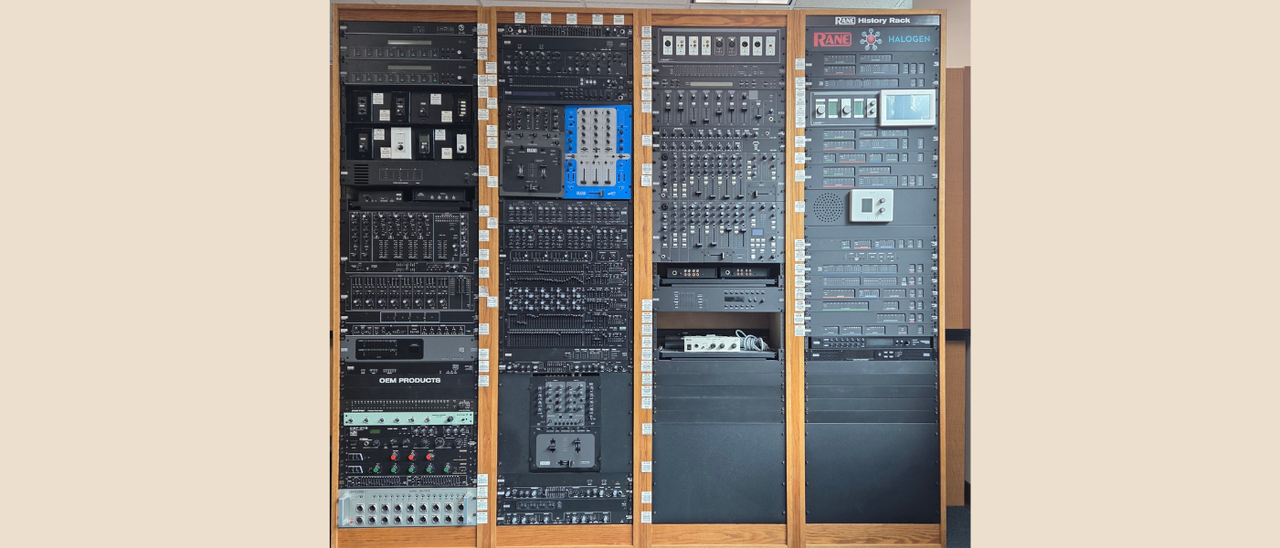
The trajectory of Rane mirrors the broader technological revolution that swept through the music production and DJ industries over the late 20th and early 21st centuries. When the company released its seminal MP 24 mixer in 1986, the operational landscape of DJing was entirely physical.
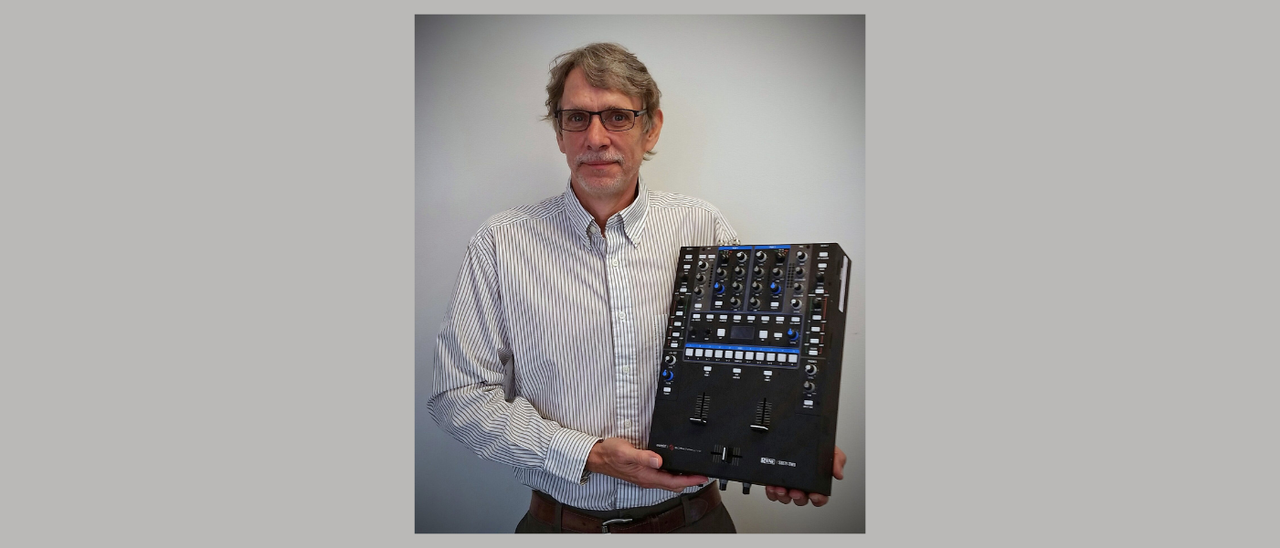
"The MP 24 came from a very different time," Jeffs explains. "It was a purely analog design built with little more than op-amps, resistors, and capacitors. There was no firmware to write, no software applications to support, and no computer drivers to maintain. If a DJ wanted to play a song, they needed the vinyl record in their hands."
The subsequent decades dismantled this analog paradigm entirely. Modern mixing consoles now digitize incoming audio signals instantaneously, handle the vast majority of processing within the digital domain, and convert signals back to analog strictly at the output stage. This digital migration eradicated the physical tolerances and limitations of legacy circuitry, making advanced performance features economically viable and universally accessible. Microcontroller units (MCUs) began monitoring controls, paving the way for unprecedented operational precision and dynamic routing flexibility.
Arguably, the most disruptive milestone in this evolution was the establishment of seamless computer integration. The introduction of dual USB ports revolutionized back-to-back DJ sets, allowing two artists to connect simultaneously and execute seamless handoffs between laptops without dropping a beat. Paired with digital vinyl systems (DVS) and software platforms like Serato and Engine, DJs were suddenly liberated from transporting hundreds of pounds of vinyl to every performance, trading physical crates for high-capacity solid-state drives and cloud-based streaming libraries.
The Underground Encounter: How the Steelworkerz Shaped Turntablism
While Rane’s early catalog featured robust tools like the X3000 Isolator and X5000 Equalizer, the company’s profound cultural pivot toward turntablism was catalyzed by an unexpected encounter in New York City. A legendary collective of underground turntablists known as the Steelworkerz approached the manufacturer with a hand-drawn schematic outlining the blueprints for the ultimate scratch mixer. Intrigued by the proposal, Rane engineers flew to the East Coast to meet with the crew.
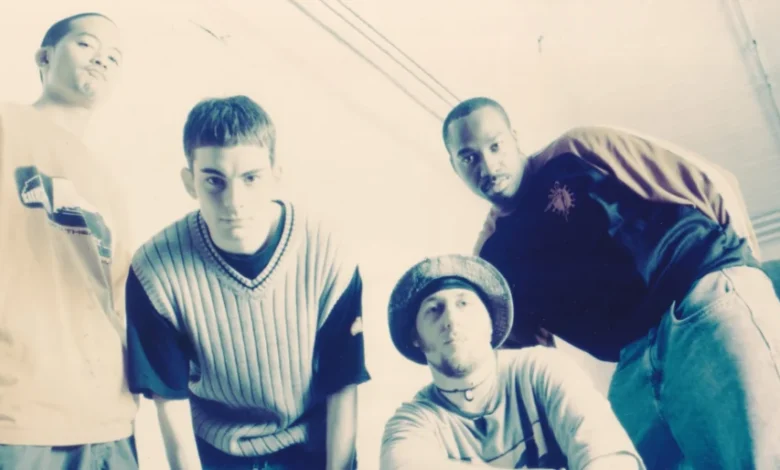
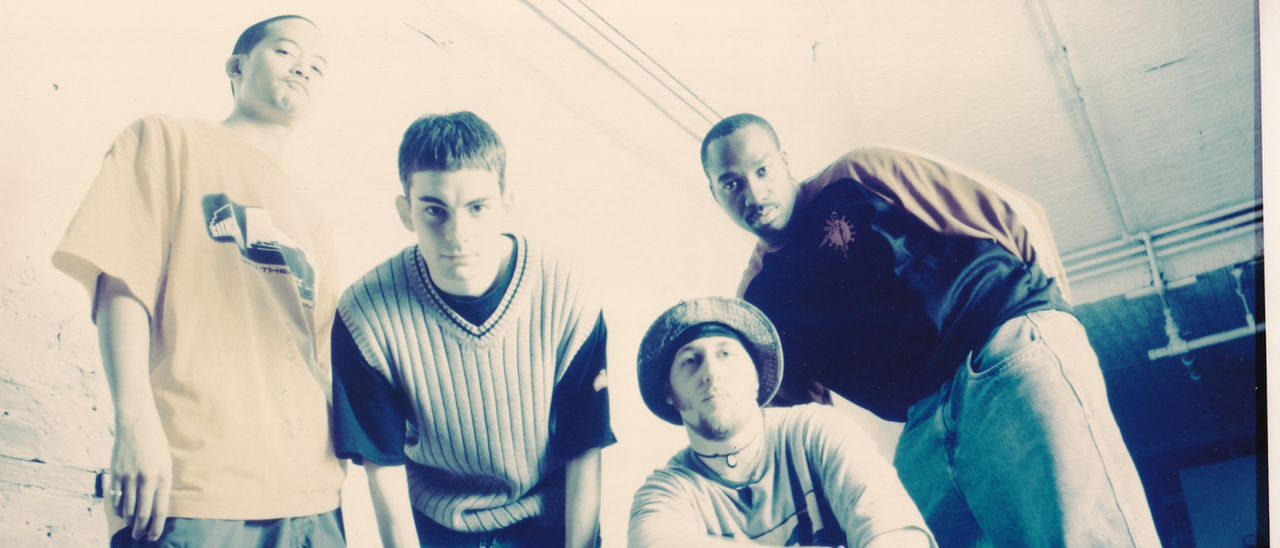
The introductory meeting took place during a Tableturns event in lower Manhattan—an open-format competition highlighting the technical wizardry, showmanship, and creative ingenuity of local DJs. The Steelworkerz roster included prominent figures such as Brian Lane (Big Wiz), Doug Coen (Sugarcuts), Marz1, and Peter Parker.
Jeffs recalls the cinematic nature of the initial site visit: "Our taxi dropped us off in a dark alley in front of a large steel door. When we knocked, a massive bouncer opened the door, looked us over, and said, ‘You don’t belong here.’ After we explained that we had been invited by the Steelworkerz to discuss a new mixer project, his expression immediately changed, and we were warmly welcomed inside."
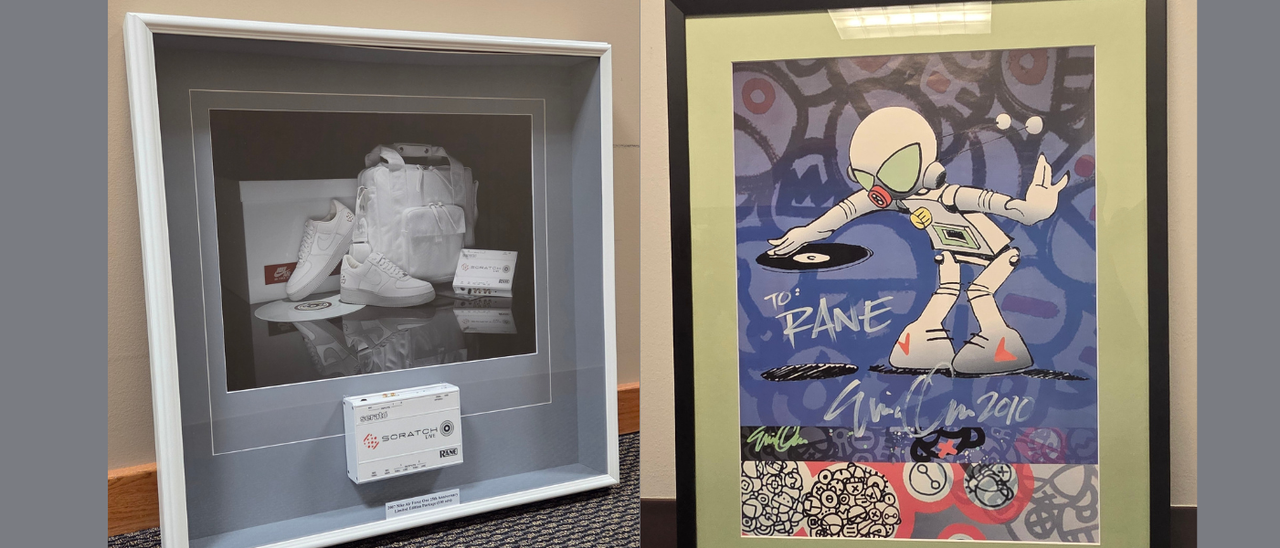
That evening served as Jeffs’ introduction to high-level performance scratch mixing. Witnessing artists treat turntables as expressive musical instruments fundamentally altered Rane’s corporate philosophy. The following night, engineers convened with Steelworkerz members in a South Bronx apartment to sketch out the specifications for an ideal battle mixer.
Recognizing that the burgeoning turntablist community was being underserved by fragile, poorly equipped commercial hardware, Rane engineered the TTM 54. This release was quickly followed by the TTM 56, which introduced an innovation that would forever alter crossfader engineering: the industry’s first non-contact magnetic crossfader.

Engineering Breakthroughs: The Physics of the Magnetic Crossfader
During the development phase of the TTM series, Rane engineers evaluated multiple sensing technologies, including resistive, inductive, optical, and magnetic methods. According to Jeffs, the magnetic approach was selected because it struck an optimal balance of robustness, mechanical simplicity, and environmental resilience.
Traditional resistive faders rely on physical electrical contact across a carbon track. Over time, heavy scratching and routine use cause mechanical wear, introducing static noise, signal degradation, and operational dead spots. Furthermore, their performance curves were rigidly fixed by hardware limitations.

By shifting to a magnetic design that utilized non-contact position sensing, Rane bypassed mechanical friction entirely. The physical movement of the fader was translated into a precise digital control signal routed through a Voltage-Controlled Amplifier (VCA). This innovation allowed mixers to precisely calibrate endpoints, execute virtually any fader curve taper (from sharp cut-ins to smooth blends), incorporate reverse controls, and maintain pristine linearity over years of intensive competition use.
"Because there was no physical electrical contact, there was essentially nothing to wear out," Jeffs notes. For scratch DJs facing the grueling physical demands of global competitions, the magnetic crossfader provided a level of reliability and tactile consistency that had previously been considered unattainable.

From Hardware to Ecosystems: The Modern DJ Landscape
The technological lineage stretching from the TTM 54 and TTM 57 to contemporary hardware controllers like the Rane One illustrates a steady convergence of hardware engineering and software architecture. The acquisition of Rane by inMusic provided the brand with expanded resources in firmware development, industrial design, and mechanical engineering, accelerating the creation of deeply integrated digital environments.
The modern DJ workspace bears little resemblance to the touring conditions of the late 1990s. Where engineering teams once focused on optimizing analog signal paths, op-amps, and discrete transistors, contemporary audio design requires expertise in multi-core processing architectures, high-resolution analog-to-digital converters, ultra-low-latency USB-C interfaces, and embedded Linux-based operating systems.
This shift has democratized access to music performance while raising the technical ceiling for live sets. Complex real-time looping, stem separation, integrated effects chains, and expansive digital libraries now operate with microsecond precision, fundamentally redefining what an artist can achieve in real-time.
Artificial Intelligence and the Human Element in Modern DJing
As the audio industry enters a new era defined by rapid advancements in artificial intelligence and machine learning, questions surrounding the automation of creative labor have grown increasingly prominent. AI-driven algorithms are already reshaping software platforms, assisting artists with harmonic mixing analysis, automated stem isolation, metadata management, and predictive track recommendations.

Industry analysts observe that while machine learning tools streamline technical workflows and ease the cognitive load of managing massive digital collections, they do not replace the irreplaceable cultural intuition required to move a live room. Jeffs echoes this sentiment, emphasizing that the core philosophy of DJing remains inherently human.
"I expect the pace of innovation to continue accelerating," Jeffs states. "Artificial intelligence has the potential to help DJs manage and navigate increasingly large music libraries, discover relationships between tracks, and improve workflow efficiency. I do not see this as a technology that diminishes the role of the DJ. Just as digital audio, laptop performance, and streaming services expanded creative possibilities, AI will simply provide new tools."

Ultimately, the foundational tenets of the craft—reading the emotional pulse of a crowd, curating a cohesive narrative through musical selection, and executing a compelling live performance—rely on human experience and creative taste.
As Rane looks beyond its 45th anniversary, the transition from analog mixing desks and vinyl crates to software-driven hardware ecosystems highlights an enduring commitment to performance engineering. The trajectory of the past four decades suggests that the next generation of DJ technology will continue to push the boundaries of what is possible in live sound performance.