Navigating Brand Loyalty in the Age of Digital Skepticism and Real-Time Social Intelligence

Brand loyalty has long been regarded as the holy grail of commercial success, representing the ultimate validation of a company’s market strategy, product quality, and consumer engagement. However, navigating the contemporary digital landscape reveals that securing this loyalty has become exponentially more difficult, while losing it requires only a single misstep. Modern consumers no longer interact with businesses exclusively through controlled corporate channels. Instead, they encounter brands across decentralized social networks, independent creator communities, and volatile digital ecosystems where traditional corporate messaging holds little sway. This paradigm shift occurs against a backdrop of escalating consumer skepticism, largely driven by the proliferation of artificial intelligence-generated content and online misinformation. Consequently, consumer sentiment shifts with unprecedented velocity. Traditional lagging metrics—such as quarterly sales reports, historical purchase data, and delayed customer surveys—often capture these changes far too late, leaving businesses scrambling to repair relationships long after customer loyalty has eroded.
The erosion of consumer trust is a quantifiable phenomenon substantiated by recent industry data. According to specialized quarterly pulse surveys conducted across major market research platforms, roughly 35% of social media users report that their overall trust in digital content has experienced a noticeable decline over the past year. When researchers query respondents regarding the primary catalysts for this skepticism, approximately 30% point directly to the rapid spread of online misinformation, while another 20% cite the influx of unregulated, unlabelled AI-generated content. Furthermore, an overwhelming 88% of digital consumers agree that modern AI video and text generation tools have severely compromised the credibility of news and information encountered on social media platforms. Brand interactions are subjected to this exact same stringent scrutiny. An overly polished corporate testimonial or a vague public response to legitimate consumer criticism is frequently met with immediate suspicion regarding AI involvement or corporate evasiveness. Consequently, the threshold for earning and maintaining brand trust has risen dramatically, forcing organizations to reevaluate how they build credibility across every touchpoint.

To understand how organizations can adapt to these shifting dynamics, it is essential to distinguish between the various facets of consumer perception, namely brand loyalty, brand affinity, customer loyalty, and brand awareness. Brand loyalty is formally defined as a consumer’s ongoing, preferential choice of one specific brand over its competitors, an allegiance primarily fueled by deep-seated trust and emotional connection rather than mere convenience, geographic proximity, or habit. Observable markers of brand loyalty include repeatedly purchasing the same label despite the availability of cheaper alternatives, actively recommending the product within peer networks, and standing by the company during periods of public controversy. Conversely, brand affinity reflects the emotional resonance a consumer feels toward an organization based on shared values, personal identity, or lived experiences. While brand affinity measures emotional engagement, customer loyalty focuses strictly on repeat transactional behavior resulting from overarching relationship management, service excellence, or loyalty reward programs. Brand awareness, meanwhile, simply measures baseline recognition and familiarity with a company’s name, logo, or product suite.
The historical timeline of consumer relationship management highlights a stark operational lag that has plagued marketing and customer service departments for decades. Historically, businesses relied on linear feedback loops: a product flaw would emerge, customer service tickets would accumulate over weeks, formal surveys would be tabulated at the end of a quarter, and executive leadership would eventually authorize strategic adjustments. In the current digital epoch, this timeline is obsolete. A viral consumer complaint can cascade across Reddit threads, TikTok reviews, and independent creator spaces within a matter of hours, inflicting severe reputational damage long before traditional metrics register a dip in sales. Industry analyses reveal that approximately 86% of corporate professionals admit to missing critical business opportunities over the last two years specifically because consumer insights were delayed, isolated within department silos, or fundamentally underused. Furthermore, reacting too slowly to rapid market shifts was cited as the most prevalent missed opportunity by 33% of survey respondents, while a mere 10% of global organizations possess the infrastructural agility to act on a real-time social insight within a matter of hours.
This operational friction is frequently exacerbated by fragmented data collection systems. Customer relationship management platforms, social listening software, enterprise sales databases, and customer support ticketing systems often operate independently, capturing isolated fragments of the broader consumer journey. This data disconnect prevents cross-functional teams from synthesizing real-time audience signals with historical purchasing records. Consumer sentiment studies underscore this disconnect, indicating that while 55% of consumers believe modern brands excel at listening to public feedback, they simultaneously feel that corporations routinely fail to act upon what they hear, with only 31% of shoppers maintaining that businesses execute both listening and execution effectively. For brand loyalty to survive, listening must transition into immediate, transparent action.
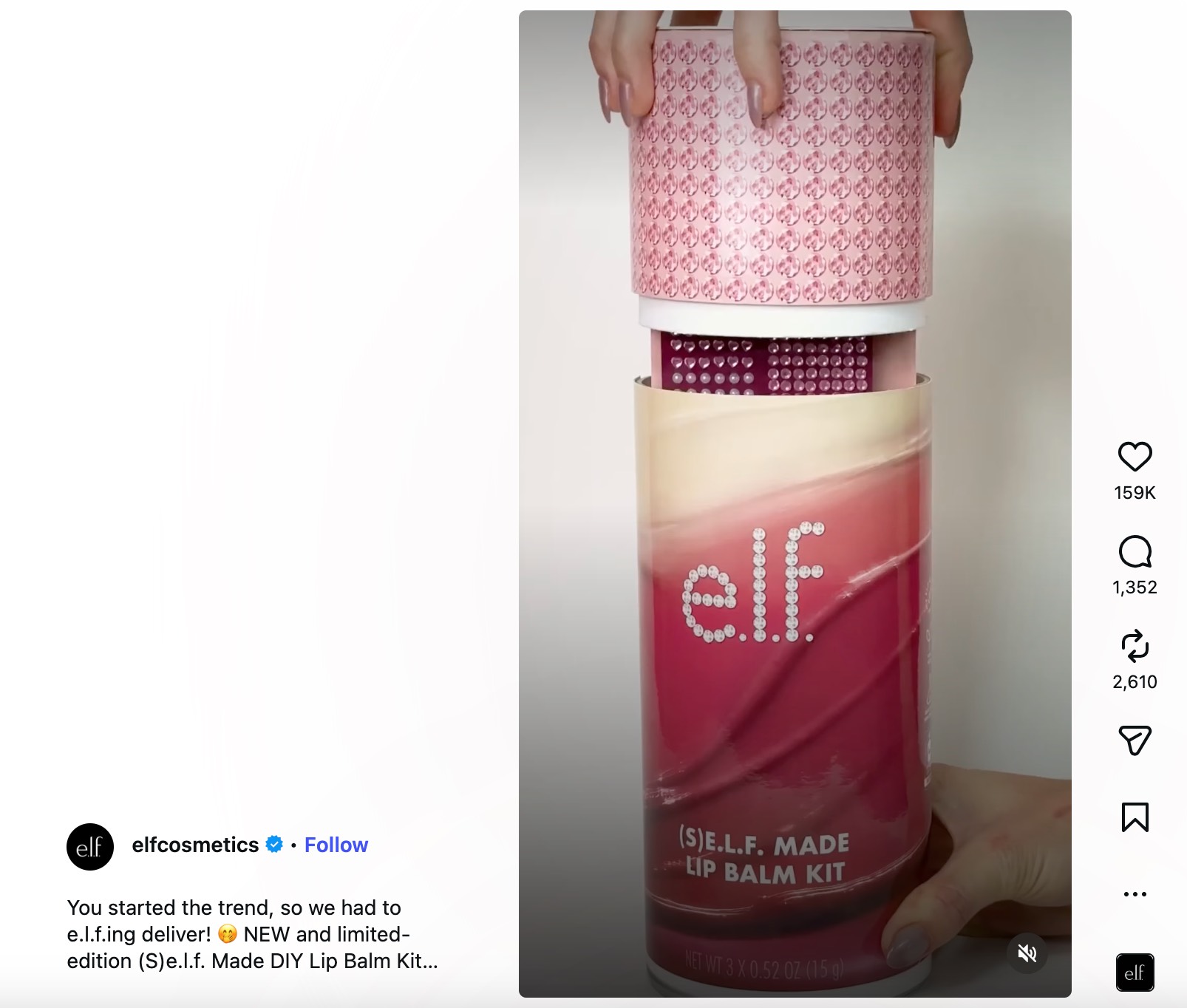
Industry leaders attempting to bridge this gap are increasingly turning toward advanced social intelligence and media monitoring frameworks to capture unprompted consumer feedback. Rather than relying solely on direct brand mentions and tagged post comments—which represent only a fraction of public discourse—sophisticated organizations deploy comprehensive social listening tools to monitor broader category conversations, niche forums, and independent creator commentary. This proactive surveillance allows R&D, product development, and marketing teams to identify emerging consumer trends, product hacks, and service gaps organically. A prominent example of this methodology in practice involves major beverage and cosmetic brands utilizing social intelligence to track DIY trends and digital product reviews on platforms like TikTok and Instagram, subsequently transforming unprompted consumer behavior into official retail product launches long before traditional market research could identify the demand.
Moreover, modern brand stewardship demands radical public accountability and transparent communication. When consumer feedback directly informs a product redesign or resolves a service bottleneck, leading organizations are discovering the immense value of publicly acknowledging the source of the change. By demonstrating that public criticism or feature requests directly shape corporate operations, businesses close the feedback loop, validating the original consumer and providing external observers with tangible evidence of responsiveness. Similarly, the evolution of customer care requires treating social media channels not merely as broadcasting tools, but as front-line customer service departments. Integrating social messaging inboxes directly with enterprise sales and support records ensures that customer service representatives possess comprehensive contextual awareness, allowing them to resolve grievances swiftly and personally without forcing consumers to navigate repetitive, bureaucratic hurdles.
The strategic integration of influencer marketing and employee advocacy further dictates the health of modern brand loyalty. Contemporary consumer trust has undergone a decentralization away from traditional macro-influencers and mega-celebrities toward micro-influencers, niche creators, and everyday peers. Statistical evaluations indicate that roughly 57% of consumers place their trust in recommendations from everyday users and niche creators, compared to single-digit trust levels for mega-influencers. Brands that thoughtfully collaborate with micro-influencers successfully bridge the credibility gap by pairing broad digital visibility with authentic peer relatability. Additionally, empowering internal employee voices through structured employee advocacy programs allows audiences to connect with the authentic human expertise and culture driving the organization from within, given that a significant percentage of modern consumers regularly discover products through employee-generated content.

Measuring brand loyalty successfully requires a hybrid methodology that synthesizes historical behavioral data with real-time attitudinal insights. Historical indicators—such as repeat purchase rates, customer retention metrics, and longitudinal surveys—provide a retrospective view of past consumer actions. However, because these metrics are inherently lagging, they must be paired with real-time sentiment analysis, share of voice tracking, and predictive media intelligence. By combining historical purchasing patterns with predictive monitoring tools capable of flagging emerging narratives before they peak, organizations can accurately identify early risk factors, mitigate customer churn, and combat the pervasive threat of consumer loyalty fatigue. As artificial intelligence continues to reshape content generation and digital marketing, maintaining rigorous transparency regarding AI utilization—such as clearly labeling AI-generated assets and avoiding deceptive virtual influencers—will remain paramount in preserving the hard-won trust of the modern consumer base.