
My Brilliant Wife Had An Incredible Idea For How To Bring Avatars Pandora To Disneyland But Its Not The Only Option
Unlocking Pandora at Disneyland: Beyond a Brilliant Idea to Tangible Possibilities
The dream of experiencing James Cameron’s breathtaking world of Pandora, as depicted in the Avatar films, at Disneyland is a potent one, sparking imaginations and fueling fervent fan discussions. While an "incredible idea" from a brilliant wife may have brought this concept to the forefront of your mind, the journey from a captivating vision to a fully realized theme park land is a complex, multi-faceted endeavor. This article explores the feasibility, challenges, and potential avenues for bringing Pandora to Disneyland, examining not just one singular brilliant concept, but a spectrum of possibilities and the inherent realities of theme park development. The allure of Pandora lies in its immersive sensory experience: the bioluminescent flora, the majestic Hallelujah Mountains, the iconic Banshees, and the profound connection between the Na’vi and their environment. Recreating this magic within the meticulously crafted world of Disneyland requires not only technological innovation but also a deep understanding of storytelling and guest engagement.
The most immediate and obvious obstacle to integrating Pandora into Disneyland is the existing intellectual property landscape and contractual obligations. Disney’s acquisition of 20th Century Fox, which produced the Avatar films, has undeniably smoothed the path for such a venture. However, even with ownership, the process is far from simple. Significant investment is required for design, construction, and ongoing maintenance. Imagine the sheer scale of replicating the bioluminescent forests. This necessitates advanced projection mapping, animatronics, and lighting technologies that go far beyond current theme park standards. The Hallelujah Mountains, suspended impossibly in the sky, present a monumental architectural and engineering challenge. Disney’s Imagineers are renowned for their ability to overcome such hurdles, but the cost and time associated with such a project would be astronomical. Furthermore, theme park development is a strategic decision driven by market analysis, projected return on investment, and the alignment with Disney’s broader brand strategy. While Pandora is incredibly popular, its integration would need to be weighed against other potential franchise opportunities and the existing offerings within the Disneyland Resort.
Beyond the physical construction, the narrative integration of Pandora into Disneyland’s established storytelling framework is crucial. Disneyland is not just a collection of rides and attractions; it’s a meticulously curated universe where each land tells a story and transports guests to another world. Simply placing a Pandora-themed area without a cohesive narrative would diminish its impact. The "brilliant idea" might involve a specific storyline or a particular aspect of Pandora, such as an immersive experience focused on the Na’vi culture, a thrilling aerial adventure on a Banshee, or an exploration of the unique bioluminescent ecosystem. Each of these possibilities presents its own set of design and operational considerations. For instance, a Banshee flight experience would require sophisticated motion simulation technology, perhaps similar to Star Tours or Soarin’, but with a much higher degree of realism and environmental interaction. A deep dive into Na’vi culture would necessitate intricate theming, interactive elements, and potentially even live performances that capture the essence of their spiritual connection to Eywa.
One of the most compelling aspects of Pandora, and therefore a key element in any Disneyland adaptation, is its vibrant and dynamic ecosystem. The bioluminescent plants and creatures are iconic. Recreating this on a grand scale at Disneyland would involve pushing the boundaries of current animatronics, lighting, and special effects. Imagine guests wandering through a nocturnal forest where the plants and insects glow with ethereal light, mimicking the awe-inspiring visuals from the films. This would require advanced programming of lighting systems, the use of responsive materials, and potentially even projection mapping onto physical sets to achieve the seamless, organic glow. The sounds of Pandora – the alien calls, the rustling of unseen creatures, the gentle hum of Eywa’s energy – would also need to be meticulously crafted to create a truly immersive auditory experience. This could involve surround sound systems, directional audio, and even localized soundscapes that change as guests move through the environment.
The Hallelujah Mountains are another iconic element of Pandora. Their floating nature is a visual marvel. Disneyland could explore several creative solutions to replicate this. One approach might involve large-scale projected imagery that creates the illusion of floating mountains, similar to how some illusions are achieved in stage productions. Another, more ambitious, option could involve a combination of elevated structures and sophisticated projection mapping to create a sense of scale and impossible suspension. The sheer engineering feat of creating tangible, guest-accessible "floating" mountains that withstand the elements and adhere to safety regulations would be a monumental undertaking. The scale of these structures would also need to be carefully considered to avoid overwhelming the existing Disneyland landscape.
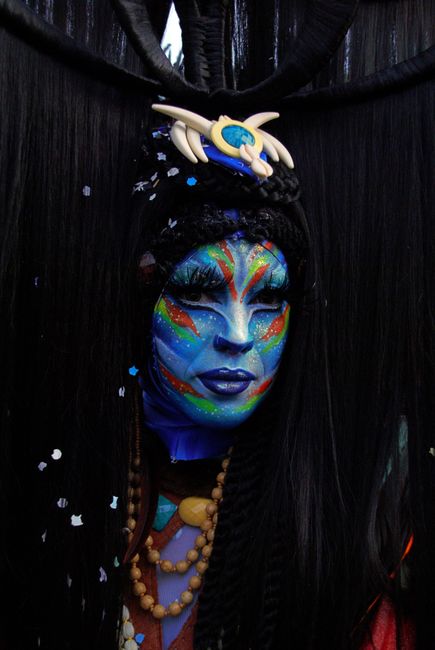
The Na’vi themselves are central to the Pandora experience. Integrating them into Disneyland could take several forms. One possibility is the use of highly sophisticated animatronics that can interact with guests in a lifelike manner. Another could involve live performers in elaborate costumes and makeup, trained in Na’vi language and customs. This would require a dedicated team of actors and rigorous training to ensure an authentic portrayal. Interactive elements could also be incorporated, allowing guests to learn Na’vi phrases, participate in cultural rituals, or even engage in "hunting" or "gathering" simulations using augmented reality technology. The emotional core of the Na’vi’s connection to nature and their spiritual beliefs would need to be conveyed through these interactions, making the experience more than just a visual spectacle.
When considering the "brilliant idea" for bringing Pandora to Disneyland, it’s crucial to acknowledge that Disney is not a monolithic entity with a single vision. Several Imagineering teams might be exploring different approaches simultaneously. One concept could focus on an "Avatar Flight of Passage" style attraction, a highly popular ride at Disney’s Animal Kingdom, but adapted for a Disneyland context. This would involve a thrilling simulated flight on a Banshee, complete with wind, mist, and motion. Another idea might lean towards a more walkthrough-style experience, allowing guests to explore the bioluminescent forests at their own pace, encountering interactive flora and fauna. This would emphasize the environmental storytelling and the feeling of being truly immersed in Pandora. A third possibility could be a dedicated "land" that encompasses multiple attractions, dining, and merchandise, creating a comprehensive Pandora experience akin to Star Wars: Galaxy’s Edge or Pandora – The World of Avatar at Animal Kingdom.
The financial implications of such a project are enormous. Building an entirely new land at Disneyland requires significant capital investment. This includes the cost of land acquisition (if necessary, though unlikely for an internal expansion), design and conceptualization, construction, attraction development, theming, and staffing. Disney’s theme park division is a major profit center, and any new venture must demonstrate a strong potential for return on investment through increased attendance, merchandise sales, and food and beverage revenue. The popularity of the Avatar franchise, especially with future sequels planned, certainly bolsters the financial argument, but the specific economic projections would be intensely scrutinized.
The logistics of integrating a new land into an already established and operating theme park like Disneyland are also incredibly complex. Construction would need to be phased to minimize disruption to existing guest experiences. Noise, dust, and traffic would all need to be carefully managed. Furthermore, the new land would need to seamlessly integrate with the existing infrastructure of Disneyland, including transportation, utilities, and guest flow. The visual impact on the surrounding areas would also be a consideration, ensuring that the new land complements, rather than detracts from, the overall aesthetic of the park.
The success of Pandora at Disney’s Animal Kingdom provides a valuable benchmark. The land’s immersive theming, innovative attractions, and focus on environmental storytelling have made it a massive hit. However, replicating this success at Disneyland presents unique challenges and opportunities. Disneyland’s historical significance and its existing established lands like Fantasyland, Adventureland, and Tomorrowland create a different canvas. The "brilliant idea" might involve finding a way to weave Pandora into the existing narrative fabric of Disneyland, perhaps by reimagining an existing area or creating a distinct portal to another world that feels both new and somehow connected.
Ultimately, the realization of Pandora at Disneyland hinges on a confluence of factors: a compelling creative vision, groundbreaking technological innovation, robust financial backing, and meticulous logistical planning. While a single "brilliant idea" is the spark, it is the dedicated work of Disney’s Imagineers, business strategists, and operations teams that will transform that spark into a tangible, magical experience for millions of guests. The possibilities are vast, ranging from targeted, high-impact attractions to a sprawling, fully immersive land, each with its own set of challenges and rewards. The ongoing success of Pandora at other Disney parks suggests that the desire to explore this alien world is strong, and it is only a matter of time before Disneyland potentially unlocks its own gateway to the wonders of Pandora. The conversation isn’t just about if it can happen, but how it can be done in a way that honors the spirit of both Pandora and the unparalleled magic of Disneyland.
