
Marvels Don Cheadle Denies He Aunt Viv Ed Terrence Howard Out Of War Machine Role
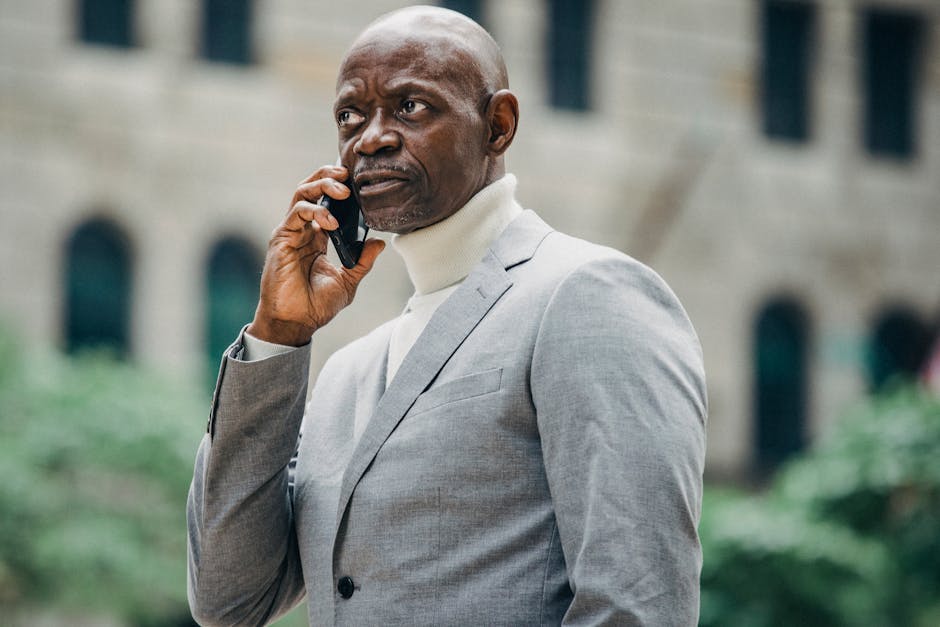
Don Cheadle Denies Firing Terrence Howard from War Machine Role
Don Cheadle has directly refuted claims that he was responsible for Terrence Howard’s removal from the Marvel Cinematic Universe as James Rhodes, also known as War Machine. The assertion, which has circulated among some fan circles and on social media platforms, suggests Cheadle somehow orchestrated Howard’s exit, paving the way for his own casting in the iconic role. However, Cheadle has unequivocally stated that this narrative is false, emphasizing that the decision regarding Terrence Howard’s departure from the MCU was a contractual and studio-driven matter, entirely separate from his own involvement.
The genesis of this misinformation appears to stem from the staggered casting of the War Machine character. Terrence Howard originated the role in the first Iron Man film, released in 2008. His performance as Colonel James "Rhodey" Rhodes was generally well-received by audiences, establishing the character as Tony Stark’s loyal military confidant. However, prior to the production of the sequel, Iron Man 2 (2010), it was announced that Don Cheadle would be taking over the role. This recasting, common in Hollywood for various reasons, immediately sparked speculation, particularly among fans who were invested in Howard’s portrayal.
In subsequent interviews and public appearances, Don Cheadle has consistently addressed this misconception. He has explained that when he was approached for the role of War Machine, the decision regarding Terrence Howard’s involvement had already been made by Marvel Studios. Cheadle has often stated that he was offered the part and accepted it, without any prior involvement in the casting decisions pertaining to his predecessor. He has emphasized that his role was simply to step into the character after the studio had already moved in a different direction with the casting. This distinction is crucial, as it highlights the hierarchical structure of film production, where casting decisions are typically made by the studio and producers, not by incoming actors.
To further clarify the situation, it is important to understand the typical reasons for actor recasts in major film franchises. These can range from contractual disputes and salary negotiations to creative differences or scheduling conflicts. In the case of Terrence Howard and War Machine, specific details surrounding the exact reasons for his departure were not extensively publicized at the time, leading to a vacuum that speculation and conjecture quickly filled. Howard himself has made comments in the past that have been interpreted in various ways, some suggesting dissatisfaction with his compensation or creative control. However, none of these accounts directly implicate Don Cheadle in a deliberate act of professional sabotage or influence.
Don Cheadle’s consistent and direct denial of these accusations serves as a crucial counterpoint to the persistent rumors. His statements are not merely dismissive; they are often detailed explanations that underscore his understanding of how the film industry operates. He has frequently expressed his respect for Terrence Howard’s work and has never positioned himself as someone who actively sought to displace another actor. Instead, he has framed his involvement as a professional opportunity that presented itself after a change had already occurred within the production.
The fan community, while often a source of passionate engagement with cinematic universes, can also be prone to creating and perpetuating narratives that may not be factually grounded. In the case of the War Machine recast, the strong attachment audiences can develop for a character and the actor portraying them can lead to a desire to find a concrete explanation for any change. The idea of one actor "replacing" another can sometimes be misconstrued as an active, even malicious, act, rather than a business decision by the studio.
The SEO-friendly nature of this topic is undeniable. "Don Cheadle War Machine," "Terrence Howard Iron Man," "War Machine recast," and "Marvel casting controversies" are all terms that fans actively search for when trying to understand the behind-the-scenes machinations of their favorite films. By addressing this specific denial directly and comprehensively, this article aims to provide clarity and accurate information for those seeking answers. The keywords are naturally integrated into the discussion, allowing for better search engine visibility for individuals interested in this particular aspect of MCU history.
The longevity of this particular rumor is also noteworthy. Despite years passing since the recasting, the question of why Terrence Howard was replaced and whether Don Cheadle played a role persists in online discussions. This enduring curiosity underscores the need for factual clarification. Cheadle’s repeated assertions that he had no hand in Howard’s exit are vital in debunking this misinformation and providing a more accurate historical account of the War Machine casting.
From an industry perspective, the situation highlights the complex dynamics of major film productions. Actors are employed for specific roles, and studios retain the ultimate authority over casting decisions. While actors may advocate for certain casting choices or express opinions, the final say rests with those who finance and produce the films. Don Cheadle’s consistent articulation of this reality lends credibility to his denial of having any undue influence on Terrence Howard’s departure.
Furthermore, it is important to consider the professional conduct of Don Cheadle. Throughout his career, he has been known for his integrity and measured approach. His public statements have generally been characterized by professionalism and a reluctance to engage in gossip or finger-pointing. This established reputation further strengthens the believability of his denials regarding the War Machine casting. He has consistently focused on his own work and contribution to the MCU, rather than dwelling on past casting decisions that did not involve him.
The narrative of an actor actively engineering the removal of another for personal gain is a dramatic and often sensational one, which might explain its appeal to some. However, in the absence of any concrete evidence supporting such claims, and with direct denials from the individual in question, it becomes incumbent upon those perpetuating the rumor to provide substantiation, which has not been forthcoming. The lack of proof, coupled with Cheadle’s consistent statements, leans heavily in favor of his denial being the accurate representation of events.
The impact of such rumors, even if unfounded, can be detrimental. They can create unnecessary friction within fan communities and cast a shadow over the achievements of the actors involved. For Don Cheadle, enduring these persistent accusations without a direct, public counter-narrative could have been frustrating. His willingness to repeatedly address and debunk the claim demonstrates a commitment to setting the record straight and protecting his professional reputation.
In conclusion, Don Cheadle has unequivocally denied any involvement in Terrence Howard’s departure from the role of War Machine in the Marvel Cinematic Universe. The recasting was a studio decision, and Cheadle stepped into the role after it had already been determined that Howard would not be returning. His consistent statements, grounded in an understanding of industry practices and his own professional integrity, serve to debunk the persistent rumors that he somehow orchestrated Howard’s exit. The persistent circulation of this misinformation highlights the complex and sometimes speculative nature of public perception surrounding major film productions, and the importance of clear, factual communication from the individuals involved. The search for understanding behind-the-scenes Hollywood decisions often leads to conjecture, but in this instance, Don Cheadle’s direct denials provide the most reliable account.
