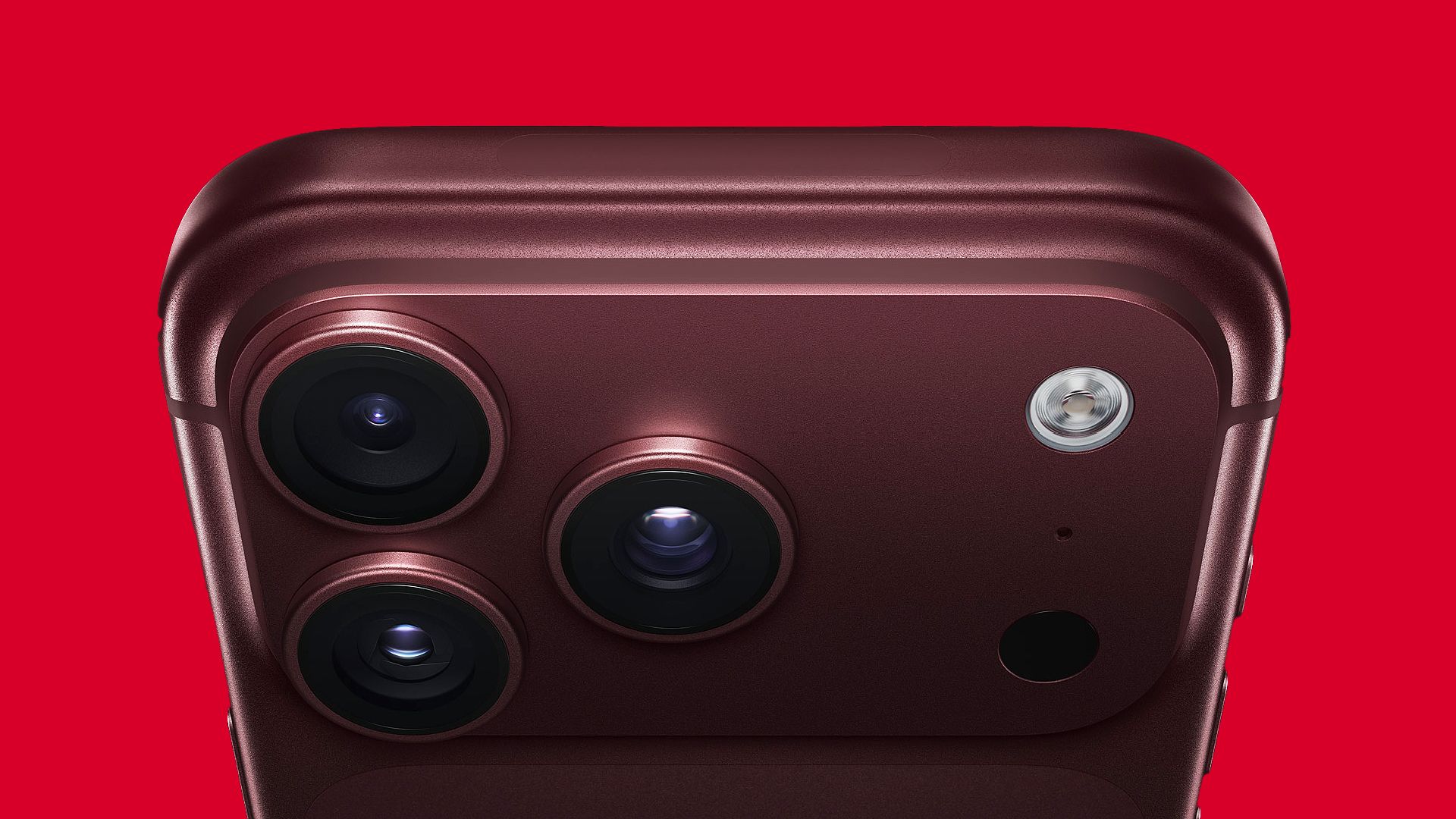
The launch of the iPhone 18 Pro marks the latest milestone in Apple’s annual hardware refresh cycle. As the flagship device arrives on the market, consumers are being presented with a tiered landscape of purchasing options, ranging from direct-to-consumer trade-in credits to heavily subsidized carrier contracts. While the industry remains abuzz with anticipation for the upcoming foldable iPhone Duo—expected to launch in roughly one month—the iPhone 18 Pro remains the central focus for users seeking the latest iteration of Apple’s traditional slab-style architecture.
Market Dynamics and Pricing Strategy
Apple has structured its primary retail strategy around maximizing the lifecycle value of previous-generation devices. By offering up to $885 in credit for qualifying trade-ins, the company is attempting to lower the barrier to entry for the Pro model, which has historically commanded a premium price point.
However, the most aggressive financial incentives are currently emerging from the telecommunications sector. Major carriers, including Verizon and AT&T, are utilizing the iPhone 18 Pro launch as a mechanism for customer acquisition and retention. Through platforms like Best Buy, consumers can leverage trade-in deals that effectively cover the entire cost of the base-model device, provided the buyer commits to a long-term service contract. These "full-value" promotions typically require the trade-in of a high-specification model from the previous year, highlighting the competitive nature of the current wireless market where hardware subsidies remain a primary tool for securing long-term service revenue.
The Chronology of the 2024 Launch Cycle
The lead-up to the September 18 shipping date followed a meticulously orchestrated timeline designed to build consumer anticipation while managing supply chain logistics.
- Early August: Initial leaks regarding the hardware specifications of the iPhone 18 series began to surface, focusing on improvements in processing architecture and camera sensor capabilities.
- Early September: Apple held its keynote event, officially unveiling the iPhone 18 Pro alongside the teased introduction of the foldable iPhone Duo.
- Mid-September: The pre-order window opened, immediately followed by the activation of nationwide trade-in portals.
- September 18: The designated date for the first wave of physical shipments to reach customers.
- October (Anticipated): The projected release window for the Apple foldable device, which represents the company’s first significant entry into the flexible-display market.
This staggered release schedule is indicative of Apple’s current strategy: securing the core market with the tried-and-tested Pro series before pivoting toward the experimental and higher-priced foldable segment.
Supporting Data and Ecosystem Integration
Beyond the hardware itself, Apple continues to lean heavily into its service ecosystem to increase the "stickiness" of its platform. New and returning users who purchase the iPhone 18 Pro are eligible for three months of Apple Music and one month of Apple TV+. While these are bundled as promotional value-adds, they serve a strategic purpose: increasing the average revenue per user (ARPU) by integrating hardware owners into the company’s subscription-based digital services.
Data from the past three fiscal quarters suggests that Apple’s "Services" division is becoming an increasingly vital component of its total revenue, often outpacing the growth of the hardware segment. By bundling these services with the iPhone 18 Pro, Apple is effectively reducing churn for its digital platforms, ensuring that the hardware purchase becomes an anchor for a long-term subscription relationship.
Industry Implications and Competitive Landscape
The decision to launch the iPhone 18 Pro in the shadow of an upcoming foldable release has sparked debate among industry analysts. Some suggest this is a defensive move intended to maintain market share against competitors like Samsung and Google, both of whom have already established a significant footprint in the foldable smartphone market.
"The iPhone 18 Pro serves as the ‘safe’ flagship," notes a market analyst familiar with Apple’s product roadmap. "By offering a high-performance device that users are familiar with, Apple secures its base before introducing the more speculative and expensive foldable technology."
Furthermore, the secondary market for smartphones continues to influence how Apple sets its trade-in values. The high trade-in credits offered by carriers suggest a robust demand for refurbished inventory. When a consumer trades in a high-spec model from the previous year, that device enters the secondary channel, allowing carriers to resell or repurpose the hardware, thereby offsetting the cost of the promotional discount offered to the original buyer.
Alternative Market Segments
While the iPhone 18 Pro dominates the high-end conversation, a notable segment of the consumer base is moving in the opposite direction. There has been a measurable increase in interest regarding "dumb phones"—devices that strip away the complex, notification-heavy interface of modern smartphones in favor of basic connectivity. This "digital detox" trend has gained traction among demographics seeking to reduce screen time and focus on mental wellness.
Retailers are responding to this trend by promoting budget-friendly, minimalist devices alongside flagship releases. While the market share for these devices remains a fraction of that commanded by the iPhone 18 series, the trend indicates a maturing smartphone market where not every consumer is seeking the latest processor or camera array.
Summary of Purchasing Considerations
For the prospective buyer, the current landscape offers three distinct paths:
- The Direct Route: Purchasing through Apple’s official channels ensures the greatest transparency regarding trade-in values and direct support, though the total discount is generally lower than carrier-subsidized options.
- The Carrier Subsidy: Opting for a contract-backed deal through providers like Verizon or AT&T can result in a net-zero cost for the device. However, this locks the user into a specific carrier for the duration of the payment plan, which may not be optimal for those seeking flexibility.
- The Wait-and-See Approach: For users intrigued by the foldable form factor, waiting until the October release of the iPhone Duo may be prudent. The introduction of a new hardware category often leads to a recalibration of prices across the entire product line.
Ultimately, the release of the iPhone 18 Pro is a testament to the stability of the premium smartphone market. Despite the rapid pace of innovation, the majority of consumers continue to favor the reliable, high-performance experience offered by the Pro series. As shipping begins on September 18, the success of this launch will likely be measured not just in units sold, but in how effectively Apple can migrate its existing user base into its expanding ecosystem of services.
As the technology sector moves into the final quarter of the year, all eyes will remain on the broader implications of these trends. Whether the consumer chooses the iterative power of the iPhone 18 Pro or awaits the revolutionary promise of the forthcoming foldable, the current market climate provides a variety of entry points tailored to both the tech enthusiast and the pragmatic buyer.