
Ernie Hudson Reveals His Iconic Ghostbusters Role Actually Wasnt So Great Im Not An Add On
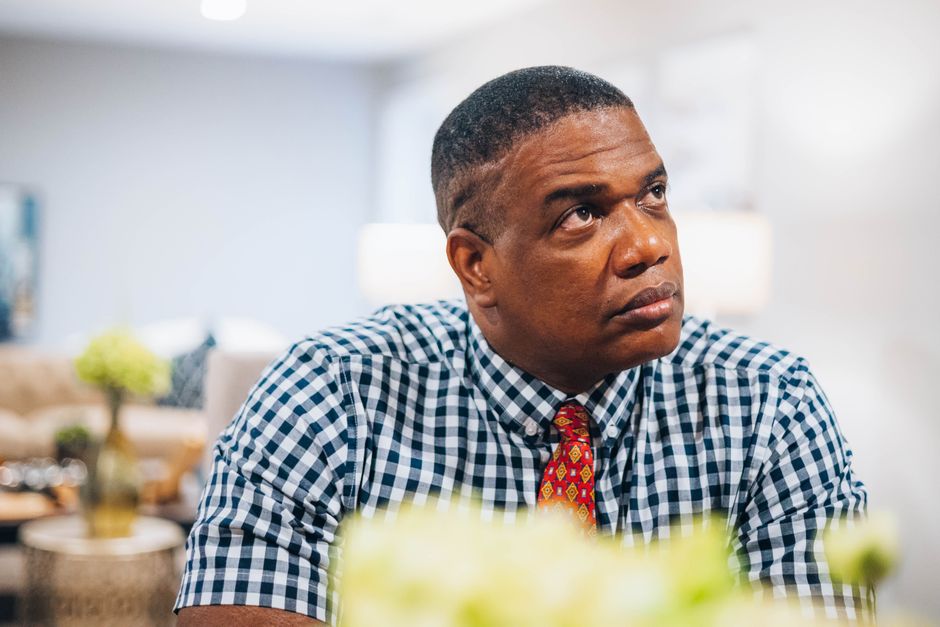
Ernie Hudson Reveals His Iconic Ghostbusters Role Actually Wasn’t So Great: "I’m Not an Add-On"
Ernie Hudson, the actor forever etched into the cultural consciousness as Winston Zeddemore in Ghostbusters and its sequels, has recently made headlines for a candid assessment of his experience on the beloved franchise. Far from the jubilant recollections often associated with the supernatural comedy, Hudson has voiced a perspective that is both surprising and, for many, deeply resonant: his iconic role, while cherished by fans, wasn’t always the fulfilling or equitable experience he might have hoped for. The sentiment, encapsulated in his statement, "I’m not an add-on," speaks volumes about the perceived marginalization and the uneven development of his character within the narrative tapestry of Ghostbusters. This revelation isn’t a dismissal of the film’s legacy, but rather a nuanced exploration of the creative and professional realities that can accompany even the most celebrated cinematic endeavors.
The genesis of Hudson’s candidness lies in his consistent presence and the enduring affection for Winston Zeddemore. While Peter Venkman (Bill Murray), Ray Stantz (Dan Aykroyd), and Egon Spengler (Harold Ramis) formed the initial core of the Ghostbusters, Winston was introduced as the fourth member, brought in to meet the burgeoning financial demands of their paranormal investigation business. This narrative framing, while practical within the story, has, according to Hudson, translated into a less integral and more supplementary feeling for his character throughout the franchise’s history. He has articulated that Winston, from his initial recruitment, felt less like an equal partner and more like a necessary addition to fill a specific role, a sentiment that has persisted, to varying degrees, across the films. This perception isn’t born out of bitterness, but rather a desire for a more substantial and organically integrated character arc.
A key point of contention for Hudson, and a recurring theme in discussions surrounding Ghostbusters character development, is the limited screen time and narrative depth afforded to Winston in comparison to his co-stars. While Venkman often served as the comic relief and de facto leader, Ray provided the intellectual backbone and Egon the scientific expertise, Winston’s role, while crucial, often felt defined by his utility. He was the pragmatic voice, the steady hand, and, at times, the observer of the more eccentric behaviors of his colleagues. This isn’t to say Winston was a void; his grounding presence was vital to the ensemble’s chemistry. However, Hudson’s observations highlight the missed opportunities to delve deeper into Winston’s motivations, backstory, and personal journey beyond his function within the Ghostbusters organization. The iconic "Are you a god?" scene, while a pivotal moment of dramatic gravitas, also serves as a stark reminder of the limited opportunities for such profound character exploration for Winston compared to his fellow Ghostbusters.
Hudson’s assertion that he felt like "an add-on" is a powerful indictment of how creative decisions can impact an actor’s sense of agency and fulfillment. For an actor of Hudson’s caliber, the opportunity to embody a character in such a widely seen film should ideally translate into a richly layered performance. However, the narrative structure of Ghostbusters, particularly in its initial outing, was heavily focused on establishing the core trio’s dynamic and eccentricities. Winston, entering later in the narrative, was tasked with rounding out the team, and while his introduction was memorable, the subsequent development often relegated him to supporting player status. This isn’t a criticism of the film’s overall success, which is undeniable, but a reflection on the internal experience of an actor who, despite delivering a compelling performance, may have felt his character’s potential was not fully realized.
The evolution, or lack thereof, of Winston’s character across the franchise further fuels Hudson’s sentiments. While Ghostbusters II offered more moments for Winston to shine, and Ghostbusters: Afterlife brought him back into the fold with a more authoritative presence as the CEO of Ghostbusters, the intervening years and the original film’s narrative arc left a lasting impression. Hudson has often spoken about discussions he had regarding the development of Winston, expressing a desire for more insight into his character’s personal life, his aspirations outside of ghostbusting, and the emotional toll of their dangerous profession. These are the elements that transform a character from a sketch to a fully realized individual, and it’s this depth that Hudson, as an actor, clearly craves and feels was not consistently provided for Winston.
The "add-on" feeling can also stem from the perceived power dynamics within the creative process. While Hudson was a vital component of the Ghostbusters ensemble, the writing and directorial focus, dictated by the core concept and the established dynamic of the original three, may have inadvertently created a hierarchy. This isn’t to suggest any malice on the part of the filmmakers, but rather to acknowledge the inherent challenges of balancing multiple characters within a narrative, especially when some characters are introduced later or are not central to the initial premise. Hudson’s candidness offers a valuable window into the actor’s perspective, where even in a beloved role, the experience can be tempered by a sense of being less integral to the story’s DNA.
Furthermore, Hudson’s remarks resonate with broader conversations within Hollywood about representation and the fair portrayal of diverse characters. Winston Zeddemore, as one of the few Black characters in a prominent role in a major blockbuster of the 1980s, carries a certain significance. While his presence was a positive step, Hudson’s desire for a more nuanced and fleshed-out character also speaks to the ongoing need for authentic and multifaceted representation. The feeling of being an "add-on" can be exacerbated when a character, particularly one representing an underrepresented group, is not given the same narrative weight or developmental opportunities as their counterparts.
The impact of Hudson’s revelations is significant because it challenges the often-glossy narrative surrounding classic films. While fans revel in the nostalgia and the iconic moments, actors themselves may carry different experiences and perspectives shaped by the realities of production, creative compromises, and personal artistic aspirations. Hudson’s willingness to speak openly about his feelings, even if they differ from the prevailing fan sentiment, is a testament to his integrity and his commitment to honest artistic reflection. It invites a deeper appreciation for the complexities of filmmaking and the human element behind the celluloid magic.
It is important to note that Hudson’s statements are not an indictment of Bill Murray, Dan Aykroyd, or Harold Ramis. Rather, his comments are directed at the creative and narrative decisions that shaped his character’s trajectory within the Ghostbusters universe. He has consistently praised his co-stars and acknowledged the camaraderie on set. The "add-on" sentiment is about the character’s integration into the story and the perceived lack of opportunities for deeper exploration, not a personal slight against his fellow actors.
The enduring appeal of Winston Zeddemore, despite Hudson’s reservations about his character’s development, is a testament to both the strength of the writing and Hudson’s own performance. He imbues Winston with a quiet dignity, a dry wit, and a sense of essential competence that makes him indispensable to the Ghostbusters’ success. Even when not given the spotlight, Hudson’s presence is felt, and his contributions are vital. This is why his desire for more was so palpable; the audience, too, likely sensed the untapped potential.
Looking forward, Hudson’s reflections also provide context for the evolution of the Ghostbusters franchise. The newer installments, particularly Ghostbusters: Afterlife, made a concerted effort to integrate Winston more fully into the narrative, acknowledging his established role and giving him a more substantial presence. This suggests a growing awareness within the franchise of the importance of developing all of its core characters, a development that may, in part, be informed by the very sentiments Hudson has been articulating for years.
In conclusion, Ernie Hudson’s revelation that his iconic Ghostbusters role felt like an "add-on" is not a lament but a candid and insightful commentary on the creative process and character development in a beloved film franchise. It highlights the subtle ways in which narrative structures can impact an actor’s experience and underscores the universal desire for well-rounded, integral characters. His perspective invites a more nuanced understanding of the magic of filmmaking, reminding us that behind every iconic role are the human experiences and aspirations of the actors who bring them to life. The legacy of Winston Zeddemore, while undeniably shaped by these creative choices, continues to shine, a testament to Ernie Hudson’s enduring talent and his willingness to share his honest reflections.
