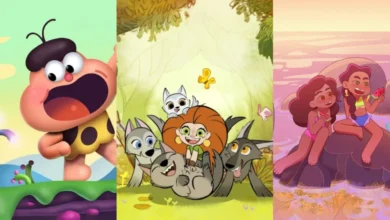
The arrival of the official U.S. trailer provides audiences with a first look at the unique visual identity Clichy has cultivated for the project. Moving away from the high-fidelity computer-generated imagery that defined much of his earlier career, Clichy has opted for an expressive, ink-and-watercolor aesthetic that prioritizes emotional resonance over technical perfection.
A Journey Through the Awards Circuit
The trajectory of Iron Boy from its debut to its current position as a major awards contender has been marked by a consistent string of accolades. The film first drew significant international attention at the Cannes Film Festival, where it was selected for the Un Certain Regard section. Its reception there was noteworthy, resulting in the Special Jury Prize—an honor that immediately positioned the film as a must-see for global distributors.
Following Cannes, the production maintained its momentum at the Annecy International Animation Film Festival, widely regarded as the most prestigious event in the animation calendar. At Annecy, the film achieved a rare double victory, securing both the Jury Award and the Audience Award for Best Feature. This dual recognition underscored the film’s ability to satisfy both the rigorous standards of professional critics and the subjective preferences of general audiences. The success continued at the Animation Is Film festival in Los Angeles, where the film took home additional prizes, further solidifying its status as a top-tier contender for the upcoming awards season, including potential nominations for the Academy Award for Best Animated Feature.
Narrative and Thematic Scope
Iron Boy is a grounded, deeply personal narrative set against the backdrop of rural France. The story centers on 11-year-old Christophe, whose life undergoes a profound transformation when he is diagnosed with a medical condition necessitating the use of a rigid iron corset. This physical restriction serves as the catalyst for the film’s exploration of resilience and self-discovery.
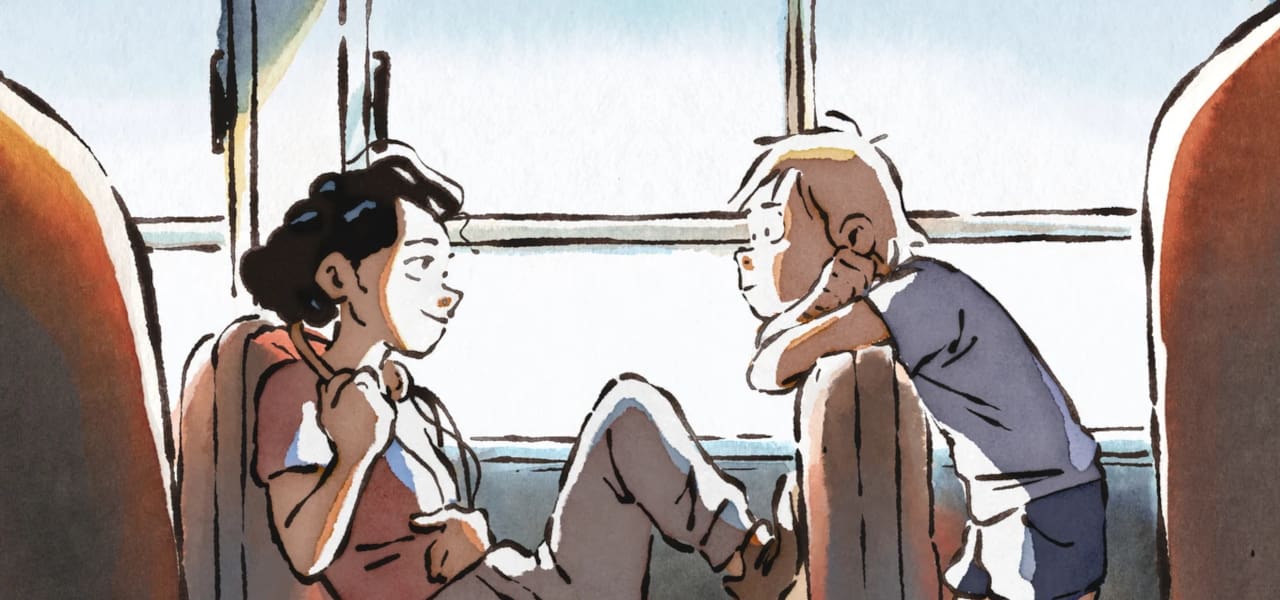
The narrative shifts from the mundane realities of farm life to a more imaginative, internal world as Christophe navigates the complexities of his new physical reality. The film examines the tension between paternal expectations—represented by a well-meaning but rigid father—and the protagonist’s desire to forge an independent identity through music and newfound friendships. By grounding these heavy themes in a rural setting, Clichy utilizes the landscape of the French countryside to mirror the protagonist’s sense of isolation and eventual growth.
A Radical Shift in Aesthetic Philosophy
For observers of Louis Clichy’s career, Iron Boy represents a significant stylistic pivot. Clichy has long been recognized as a veteran of the Hollywood animation machine, having contributed to major studio successes such as Pixar’s Wall-E and Up. Additionally, he was instrumental in the creation of the CG-animated Asterix features, which were celebrated for their technical fluidity.
However, with Iron Boy, Clichy has consciously retreated from the polished, hyper-detailed aesthetics of his previous work. In various industry discussions and press interviews, the filmmaker has emphasized a desire to strip away the "gloss" of contemporary animation. He argues that the industry’s obsession with technological precision can sometimes act as a barrier to authentic storytelling. By choosing a hand-drawn approach, Clichy allows for a more kinetic, "human" feel to the frame, where the mark of the artist is visible. This decision to prioritize expressive movement over photorealism aligns with a broader industry trend of returning to traditional mediums to elicit deeper emotional responses from viewers.
Industry Implications and Market Strategy
The distribution strategy employed by Sony Pictures Classics for Iron Boy is indicative of the current market climate for international animation. In a landscape increasingly dominated by major studio franchises, independent, auteur-driven films like Iron Boy must rely on festival prestige and targeted theatrical releases to build visibility.
By scheduling the December 4 release in New York and Los Angeles, Sony Pictures Classics is clearly positioning the film for Oscar consideration. The "awards-qualifying" window is a standard, yet critical, maneuver in the industry, ensuring that the film is eligible for major voting bodies before the final ballot submissions. The subsequent expansion in January 2027 suggests a confidence in the film’s crossover appeal. Historically, films that find success at festivals like Annecy and Animation Is Film often struggle to translate that momentum into box office revenue; however, the strong audience awards garnered by Iron Boy suggest it may possess the narrative warmth necessary to resonate with a broader demographic beyond the animation enthusiast community.

Fact-Based Analysis of the Current Landscape
The animation industry is currently undergoing a period of re-evaluation regarding the balance between digital efficiency and traditional artistry. As streaming services continue to churn out high-volume, CG-animated content, the scarcity of high-quality, hand-drawn features has increased their perceived value among critics and audiences alike.
Data from the past three years of animation festivals indicates a growing preference for works that challenge the status quo of "smoothness." Films that embrace textures, painterly backgrounds, and unconventional character designs—such as Iron Boy—have consistently outperformed traditional 3D offerings in critical rankings. Furthermore, the success of Iron Boy highlights the continued importance of the international festival circuit as a primary filter for quality. For independent filmmakers, the validation provided by juries at Cannes and Annecy remains the most effective form of marketing, often serving as the sole indicator of a film’s artistic merit before it reaches commercial theaters.
Looking Ahead
As the 2027 award season approaches, all eyes will be on how Iron Boy performs in the crowded field of international contenders. The film’s success will likely hinge on its ability to maintain its momentum beyond the festival circuit and capture the attention of Academy voters who may be looking for a departure from traditional blockbuster animation.
Louis Clichy’s transition from the high-tech environments of Pixar to the intimate, hand-drawn world of his own creation is not merely a change in medium, but a change in philosophy. By focusing on the story of a young boy navigating a rigid existence, Clichy has crafted a metaphor for the medium of animation itself: a search for freedom within the constraints of structure. With the trailer now live and the release dates set, the industry is poised to see whether this quiet, ink-and-watercolor film can command the same level of attention as the massive, multi-million dollar productions that typically dominate the discourse.
The story of Iron Boy is ultimately one of adaptation. As the film moves into the public consciousness, its ability to resonate with audiences across different cultures will be the final test of its success. For now, it stands as a testament to the enduring power of traditional animation and the capacity for a singular, personal vision to break through the noise of a saturated global market.