
Britney Spears Says She Has To Tone Down The Silliness So People Dont Say Shes Cray Cray
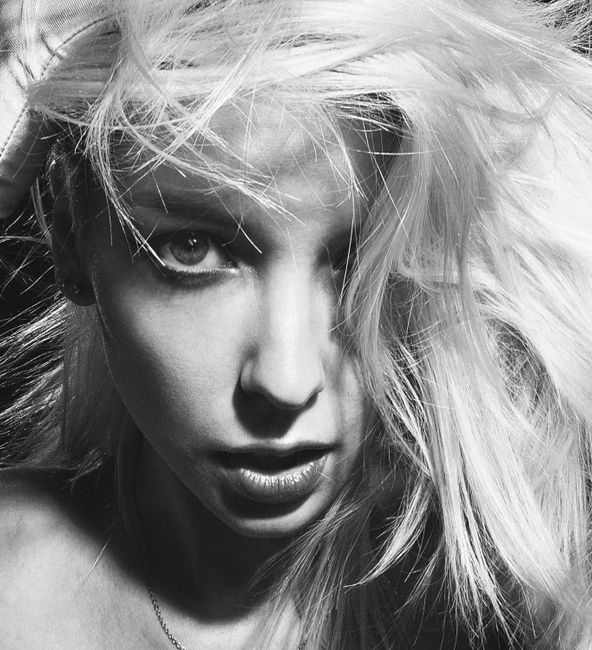
Britney Spears on "Toning Down the Silliness": Navigating Public Perception and the "Cray Cray" Label
Britney Spears, a global icon whose career has been under an intense and often unforgiving public microscope for over two decades, has recently made candid remarks about her perceived need to "tone down the silliness" to avoid being labeled as "cray cray." This statement, delivered with a characteristic directness that has endeared her to fans and sparked widespread discussion, delves into the complex interplay between personal expression, public scrutiny, and the enduring stigma surrounding mental health. For Spears, who has navigated extreme personal challenges and emerged into a new era of freedom, this admission offers a window into the ongoing pressures of maintaining a public persona while staying true to oneself. The "cray cray" label, a colloquial and often dismissive term, carries significant weight, particularly for individuals who have openly discussed or experienced mental health struggles. Spears’ acknowledgment of this societal pressure highlights the fine line she, and many public figures, must walk.
The inherent paradox in Spears’ statement lies in the very definition of her enduring appeal. For many, her "silliness" – her uninhibited dance moves, her playful social media posts, her unapologetic embrace of life – are precisely what make her relatable and beloved. This spontaneity, this willingness to be imperfectly human, is a stark contrast to the often curated and polished images presented by many celebrities. However, it is precisely this authenticity that has, at times, been misconstrued and weaponized against her. The media’s framing of her past struggles, coupled with public fascination with her personal life, has created a narrative where any deviation from a perceived norm can be interpreted through a lens of instability. Spears’ conscious effort to moderate her expressive tendencies, even if rooted in a desire for public acceptance, speaks volumes about the societal biases that continue to impact individuals, especially women, who deviate from conventional expectations of behavior.
Delving deeper into the origins of this "cray cray" perception, it’s crucial to examine the media’s role in shaping public opinion. Spears rose to superstardom in an era where paparazzi culture was rampant, and celebrity missteps were amplified for public consumption. Her highly publicized personal struggles, including her conservatorship, were dissected and sensationalized by news outlets, often portraying her in a vulnerable and potentially unstable light. This narrative, once established, proved incredibly difficult to dismantle. Even as she regained control of her life and expressed her joy and freedom through her public platform, the ingrained perception persisted for some. The internet, with its rapid dissemination of information and the amplification of casual judgment, has only exacerbated this phenomenon. A casual, lighthearted post, intended to be fun and innocent, can be instantly twisted into evidence of a deeper issue by those predisposed to see it that way. Spears’ decision to consciously dial back her "silliness" can be interpreted as a strategic response to this entrenched media and public perception, a pragmatic approach to protect her peace and avoid reigniting past controversies.
The concept of "cray cray" itself is loaded with societal implications. It often serves as a shorthand for mental instability, a pejorative term that dismisses nuanced emotional experiences or eccentricities. For someone like Spears, who has lived through a highly public and traumatic period involving her mental well-being, the constant threat of this label being applied to her can be a significant source of stress. Her statement is not just about a personal preference for how she expresses herself; it’s about the power dynamics at play when a public figure is constantly under judgment. The pressure to conform to a "normal" or "stable" image, especially after experiencing mental health challenges, can be immense. This pressure can lead to self-censorship, a curbing of genuine personality traits that might be perceived as non-conformist. Spears’ comment underscores the broader societal issue of stigmatizing mental health and the way it forces individuals, particularly those in the public eye, to police their own behavior for fear of judgment.
Furthermore, the "silly" aspect that Spears mentions often encompasses elements of playfulness, vulnerability, and unfiltered joy. These are qualities that many fans find incredibly endearing. Her often-viral social media videos, featuring her dancing around her home, are seen by many as genuine expressions of happiness and liberation. However, for some observers, particularly those who were immersed in the narratives surrounding her conservatorship, these same expressions can be interpreted as erratic or performative. The disconnect between how Spears intends her actions to be perceived and how they are interpreted by a segment of the public is a significant point of tension. Her statement suggests a recognition that the audience’s interpretation, influenced by past narratives, can override her personal intent. This necessitates a calculated adjustment in her public presentation to mitigate the risk of being misread.
The impact of the conservatorship cannot be overstated when discussing Spears’ current public persona and her anxieties. During the conservatorship, her autonomy was severely restricted, and her personal life was heavily controlled. Any expression that deviated from what was deemed "appropriate" by the conservators could have had serious repercussions. Emerging from this, her desire for complete freedom is palpable. However, the ingrained habits of self-monitoring, even if unconscious, can linger. Her acknowledgment of needing to "tone down the silliness" might also be a manifestation of a post-traumatic response, a learned behavior of self-regulation born out of prolonged constraint. The fear of relapsing into a situation where her actions are scrutinized and judged against arbitrary standards is a very real concern. This is not about her losing her spark; it’s about her exercising control over her narrative and her freedom in a way that minimizes external judgment.
SEO considerations for this topic are multifaceted. Keywords such as "Britney Spears," "mental health," "public perception," "celebrity scrutiny," "conservatorship," "labeling," "stigma," "self-expression," and "media influence" are all highly relevant. The article needs to weave these terms naturally into the narrative to improve its discoverability. Discussing the nuances of how the media frames celebrity mental health, the historical context of Spears’ public life, and the psychological impact of public judgment are all avenues that can be explored to provide comprehensive and valuable content. The word count requirement encourages an in-depth exploration, allowing for the inclusion of more specific examples and analyses that can further enhance SEO by providing a richer user experience and demonstrating authority on the subject.
The cultural implications of Spears’ statement are also significant. It speaks to a broader societal conversation about how we treat public figures, particularly women, who have experienced mental health challenges. There’s a tendency to expect them to maintain a perpetually composed and unblemished facade, a difficult and often unrealistic expectation. Spears’ candidness challenges this notion, inviting empathy and understanding rather than judgment. The very fact that she feels compelled to address this – to consciously moderate her own natural inclinations – is a testament to the pervasive nature of these pressures. The internet, while offering a platform for empowerment and connection, also serves as a breeding ground for rapid judgment and the weaponization of personal lives. Her decision to "tone down" is a negotiation with this online environment.
Moreover, the term "cray cray" itself is problematic. It’s a colloquialism that trivializes serious mental health issues. When applied to individuals, it can reinforce harmful stereotypes and discourage open conversation about well-being. Spears’ use of the term, while likely echoing the language she has heard directed at her, also highlights its prevalence in casual discourse. By addressing it directly, she implicitly calls attention to its problematic nature. Her experience underscores the need for a more compassionate and informed approach to discussing mental health in the public sphere. The desire to be seen as "normal" or "stable" in the face of constant scrutiny is a relatable human need, but the expectation of what "normal" looks like is often dictated by societal biases.
Ultimately, Britney Spears’ statement about toning down her "silliness" to avoid being labeled "cray cray" is a nuanced reflection of her ongoing journey. It’s a testament to her resilience in navigating a world that has, at times, sought to define and control her. It highlights the persistent challenges of public perception, the impact of media narratives, and the ongoing societal stigma surrounding mental health. Her words resonate because they tap into a universal concern: the desire to be accepted for who you are, while simultaneously being aware of how your authentic self might be interpreted in a judgmental world. The hope is that this acknowledgment will foster greater empathy and encourage a more nuanced understanding of public figures and the pressures they face, moving beyond simplistic labels towards a more compassionate and informed discourse. Her ability to speak openly about these pressures, even as she navigates them, is a powerful act of reclaiming her narrative and her voice.
