19 Creative Selfie Poses and Photography Techniques to Enhance Your Digital Presence

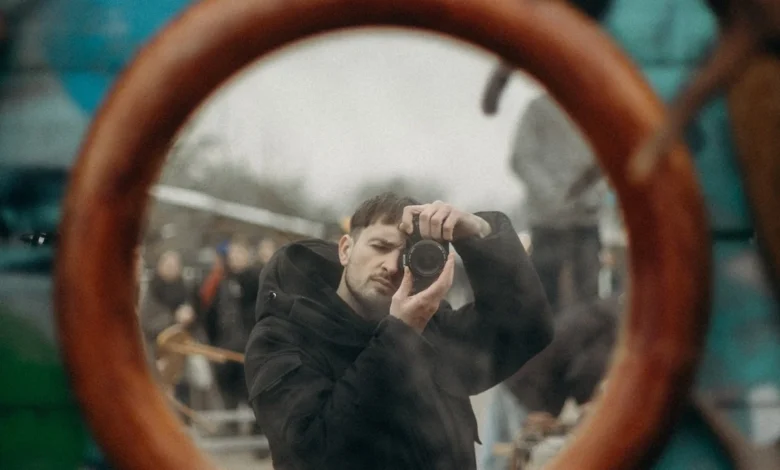
In the modern digital landscape, the selfie has evolved from a casual social media trend into a primary vehicle for personal branding, artistic expression, and historical documentation. What began as a simple, arm-length self-portrait captured with early digital cameras has transformed into a sophisticated medium requiring an understanding of lighting, composition, and technological optimization. As smartphones become increasingly powerful, the technical capabilities of front-facing cameras have enabled users to move beyond rudimentary snapshots toward professional-grade photography.

The evolution of the self-portrait is rooted in the early 21st century. While the concept of the self-portrait dates back to the Renaissance, the term "selfie" gained widespread cultural ubiquity around 2013, when it was officially added to the Oxford English Dictionary. Research conducted by cybersecurity firm ExpressVPN highlights that the phenomenon shows no signs of waning; rather, it has diversified into specialized sub-genres, such as the "0.5 selfie"—a wide-angle distortion technique made popular by the ultra-wide lenses on modern smartphones.

A Chronology of the Digital Self-Portrait
The trajectory of the selfie is marked by rapid technological advancements. The first documented digital selfie is often credited to Robert Cornelius in 1839, though the digital era began in the early 2000s with the rise of camera phones. By 2010, the introduction of the front-facing camera on mainstream devices fundamentally altered the user experience, shifting the focus from external documentation to internal, subjective narrative.

The 2010s saw the "selfie stick" era, a hardware-driven phase designed to solve the physical limitations of arm length. By 2020, the focus shifted toward high-fidelity content creation. Today, the trend is characterized by the "authentic" aesthetic—a rejection of overly curated, filtered images in favor of candid, spontaneous, and high-energy compositions that reflect a lifestyle rather than just a pose.

Foundational Principles for High-Quality Selfies
Professional photography standards apply even in the context of mobile self-portraiture. The foundation of a compelling image rests on three pillars: light, angle, and intent.

Lighting remains the most critical factor. Natural, diffused light—often referred to as "golden hour" light—minimizes harsh shadows and emphasizes skin texture. Photographers often recommend avoiding overhead fluorescent lighting, which can create unflattering shadows under the eyes and nose.

Angle is equally paramount. The "standard" selfie, while reliable, can be enhanced by adjusting the camera’s position relative to the subject’s eye line. Raising the camera slightly above eye level can elongate the neck and provide a more flattering perspective, while positioning the lens at or below eye level can introduce a sense of authority or intimacy.

Diverse Poses and Compositional Strategies
To maintain engagement in a crowded digital space, individuals are increasingly utilizing varied compositions. Below are 19 distinct approaches to self-portraiture that balance technical skill with aesthetic variety.

- The Classic Portrait: Focuses on clean backgrounds and even, front-facing light.
- The Candid Expression: Incorporating humor through "silly" faces, which humanizes the subject and increases audience engagement.
- The Charismatic Wink: A subtle, dynamic gesture that establishes a flirtatious or playful tone.
- The Pet Companion: Integrating pets as subjects, which statistically increases social media engagement due to the high viral potential of animal content.
- Culinary Integration: Using food as a secondary subject, common in "lifestyle" documentation.
- The Mirror Reflection: Utilizing mirrors to capture full-body ensembles, focusing on the composition of the environment as much as the subject.
- Rear-View Perspectives: Capturing self-portraits via vehicle rear-view mirrors, adding a sense of narrative and travel context.
- Hair Play: A relaxed, casual pose that adds a sense of movement to the image.
- Fashion-Forward Hat Poses: Using accessories like hats to frame the face and introduce stylistic elements.
- The Overhead Recumbent Pose: Lying down with the camera positioned directly above. This creates a unique geometry and often allows for softer, more even lighting across the face.
- Bedroom Portraits: Utilizing personal spaces to convey intimacy and comfort.
- The Kneeling Pose: A dynamic angle that suggests movement and athletic energy.
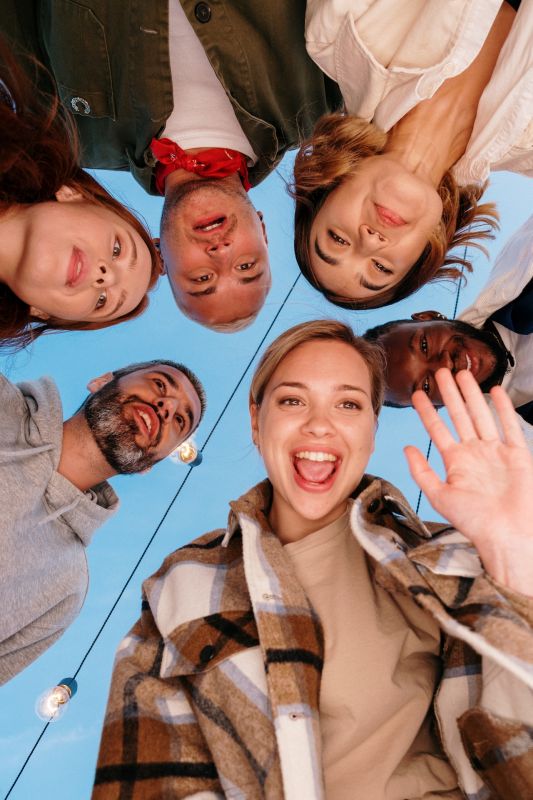
- The Low-Angle Group Composition: Placing the device on the ground and grouping subjects around it. This is a significant departure from standard eye-level group shots and creates a sense of scale.
- The "Duck Face" Aesthetic: A stylized, ironic nod to early 2010s internet culture.
- Romantic Pairings: Utilizing proximity to emphasize emotional connection in couple photography.
- The Large-Group Narrative: Focusing on collective interaction rather than individual portraiture.
- Event-Based Documentation: Capturing the energy of concerts or festivals to create a sense of presence.
- Action-Oriented Selfies: Documenting movement, such as jogging or commuting, to emphasize a "lifestyle" brand.
- Multi-Generational Family Portraits: Creating lasting records of familial bonds, which serve as personal archives.
Technical Implications and Industry Analysis
The rise of the "selfie industry"—encompassing specialized lighting kits, tripod systems, and editing software—indicates that the behavior is no longer merely a social pastime but a professional necessity for creators. Industry analysts suggest that the proliferation of high-quality, front-facing cameras has effectively democratized portrait photography.

However, there are implications regarding the constant documentation of the self. Behavioral psychologists note that while the selfie can be a tool for self-exploration and confidence building, it also invites a state of constant social comparison. The move toward "raw" or "unfiltered" photography, as seen in the popularity of platforms that discourage heavy editing, suggests a shift toward a more nuanced, realistic portrayal of daily life.

The Broader Impact on Visual Communication
The ubiquity of the selfie has fundamentally changed how we communicate. Visual language has become a shorthand for emotional states and situational context. When a person posts an image from an event, they are not merely showing their face; they are providing "social proof" of their presence, their aesthetic preferences, and their social circle.

From a photographic standpoint, the selfie has forced a rapid advancement in mobile sensor technology. Manufacturers like Apple, Samsung, and Google now prioritize "computational photography"—software that processes images in real-time to adjust for skin tone, dynamic range, and focus—specifically because of the demand for high-quality selfies. This technological arms race has resulted in front-facing cameras that now rival the primary sensors of high-end dedicated cameras from a decade ago.
Conclusion
The selfie remains a powerful, evolving tool for modern visual storytelling. Whether one is documenting a significant life event or simply experimenting with new lighting techniques, the practice offers a versatile medium for self-expression. By moving beyond standard poses and understanding the technical nuances of lighting, angles, and compositional intent, users can elevate their self-portraits from simple digital footprints to compelling pieces of personal media. As mobile technology continues to advance, the boundaries of what constitutes a "selfie" will continue to expand, ensuring that this form of digital art remains a permanent fixture of our interconnected world. By embracing creativity and technical awareness, anyone can master the art of the self-portrait in the digital age.