The Evolution of 2D Artistry and Interactive Design in the SFB Games Portfolio

The history of interactive media is frequently categorized by the industry’s rapid transition from low-resolution, two-dimensional assets to complex, three-dimensional photorealistic environments. However, to view 2D art merely through the lens of nostalgia is to overlook its capacity for significant, contemporary evolution. Adam Vian, a central figure at SFB Games, exemplifies how artistic development and technological integration can keep traditional 2D aesthetics relevant and innovative in the modern gaming landscape.
Vian’s career, which spans more than two decades, began in the early 2000s alongside his brother, Tom. As the duo known as the Super Flash Bros, they were instrumental in the formative years of browser-based gaming, utilizing Adobe Flash to disseminate their projects across platforms like Newgrounds. This period was characterized by a high-velocity development cycle, which allowed them to iterate rapidly and learn the fundamentals of game design through trial and error. Their transition from adolescent hobbyists to the founders of SFB Games—a studio now recognized for its collaborations with industry titans like Nintendo and Apple—reflects a broader shift in the indie game development ecosystem.
A Chronology of Artistic Growth
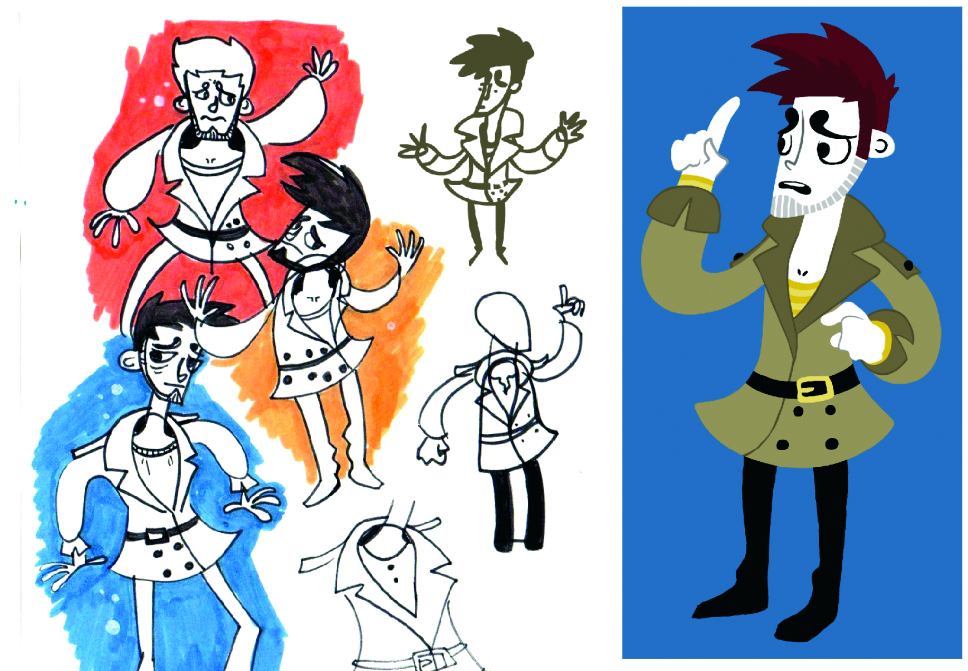
The Detective Grimoire series serves as a longitudinal case study of Vian’s artistic maturation. Originally inspired by the narrative-heavy, logic-driven structure of Capcom’s Ace Attorney franchise and classic point-and-click titles like Monkey Island, the series has undergone multiple visual overhauls.
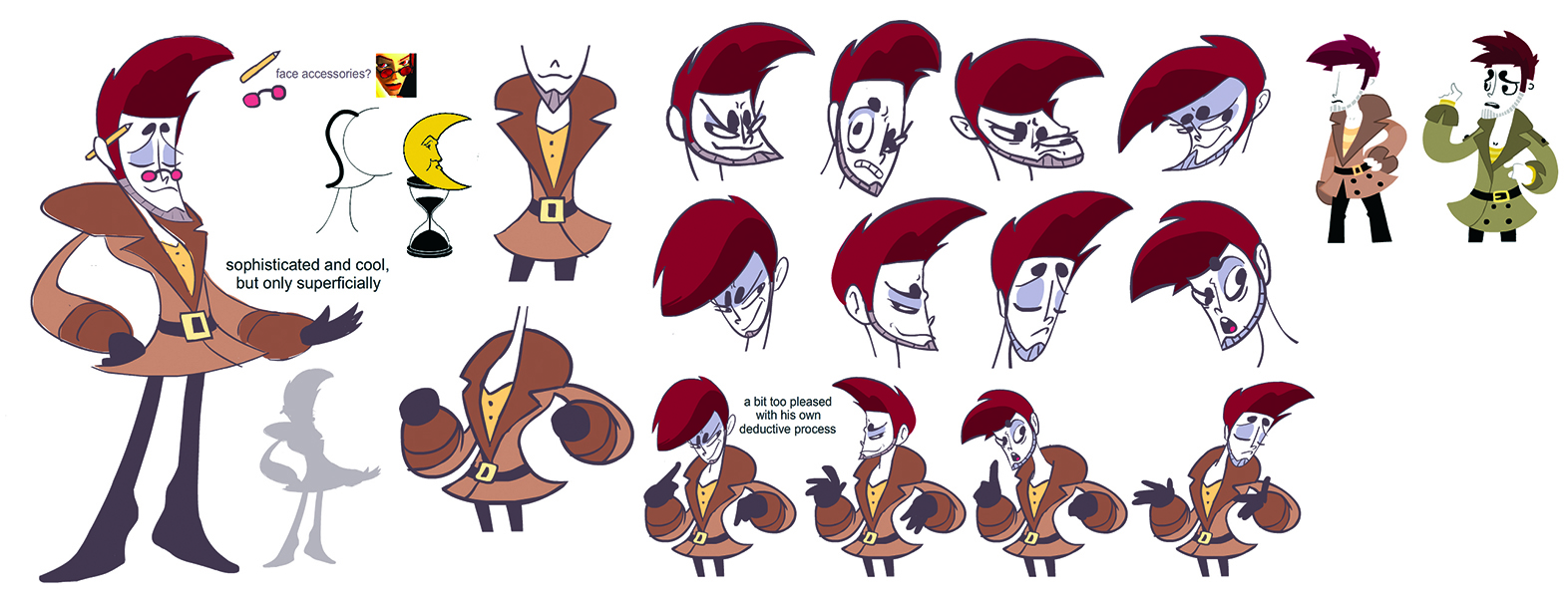
In the early stages of his career, Vian’s aesthetic was defined by the constraints of his education and the limited tools available during the Flash era. The original Detective Grimoire was a product of foundational design sensibilities, relying on conventional character archetypes and basic animation techniques. Following his formal training in illustration and animation at the University for the Creative Arts, Vian’s approach shifted toward more stylized, deliberate design choices.
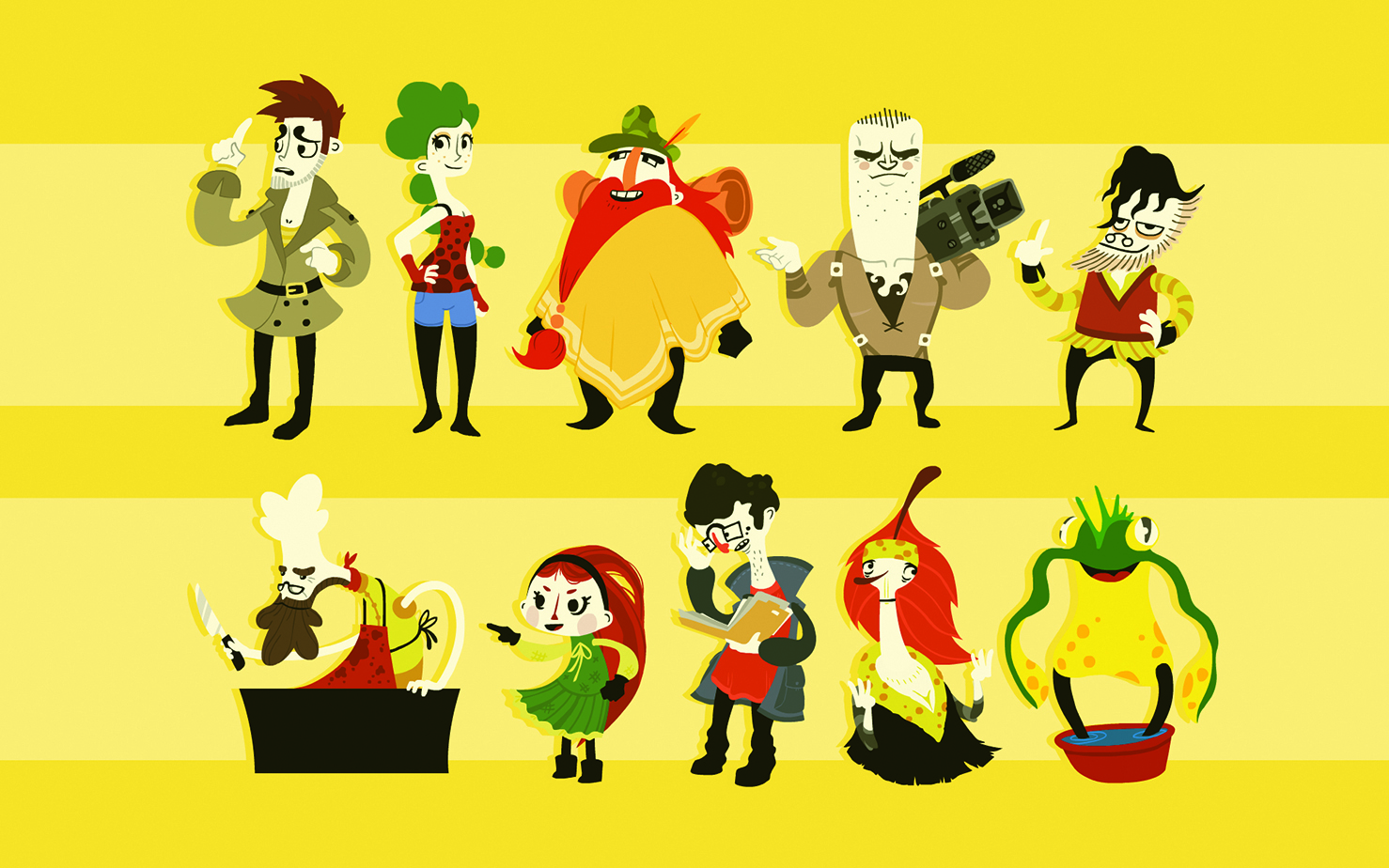
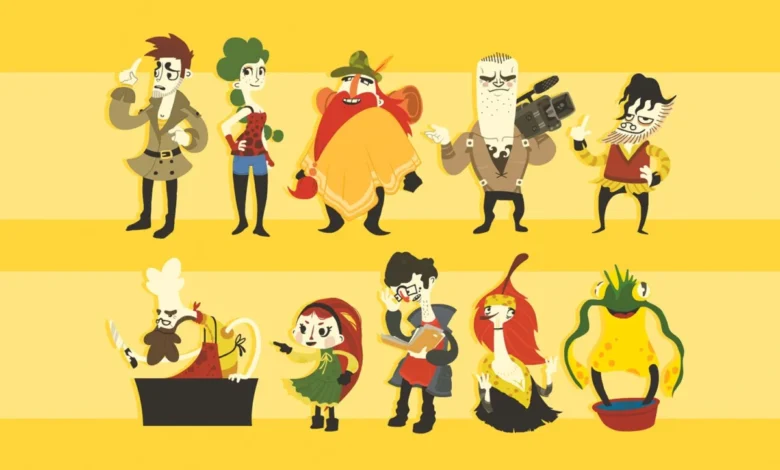
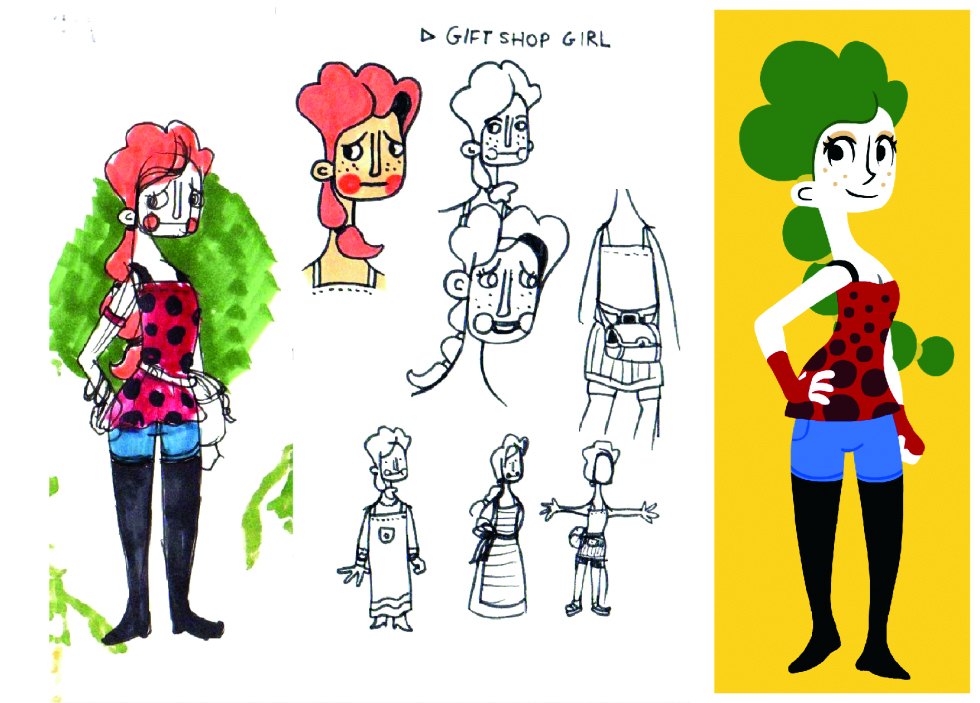
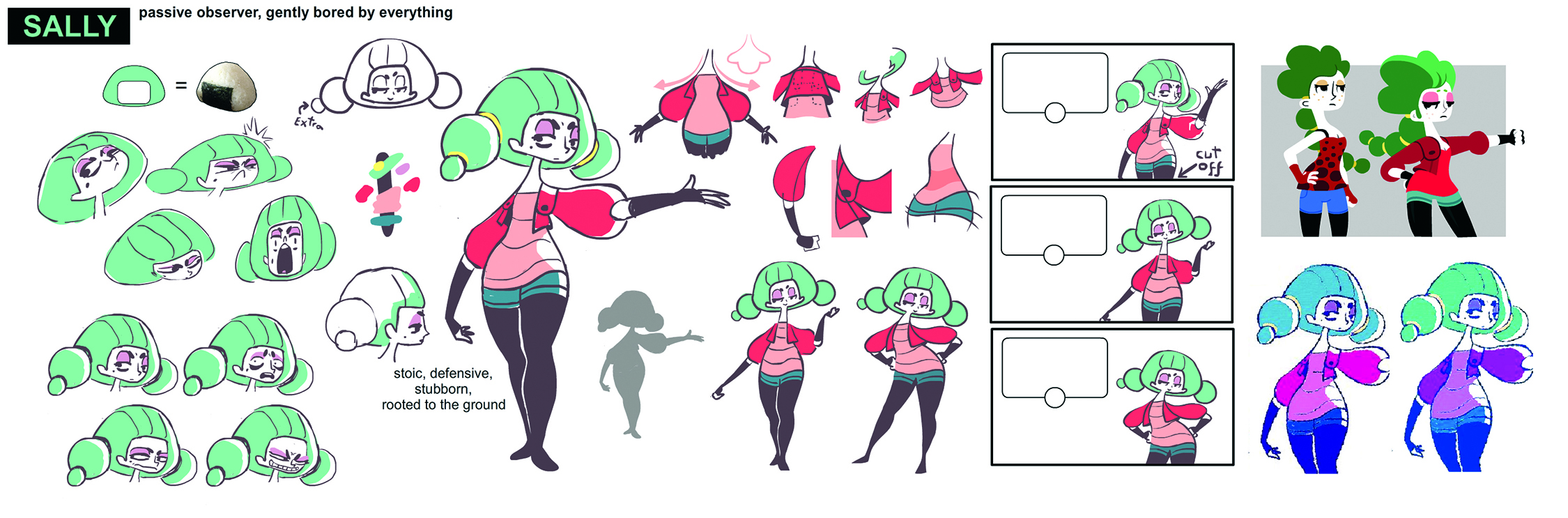
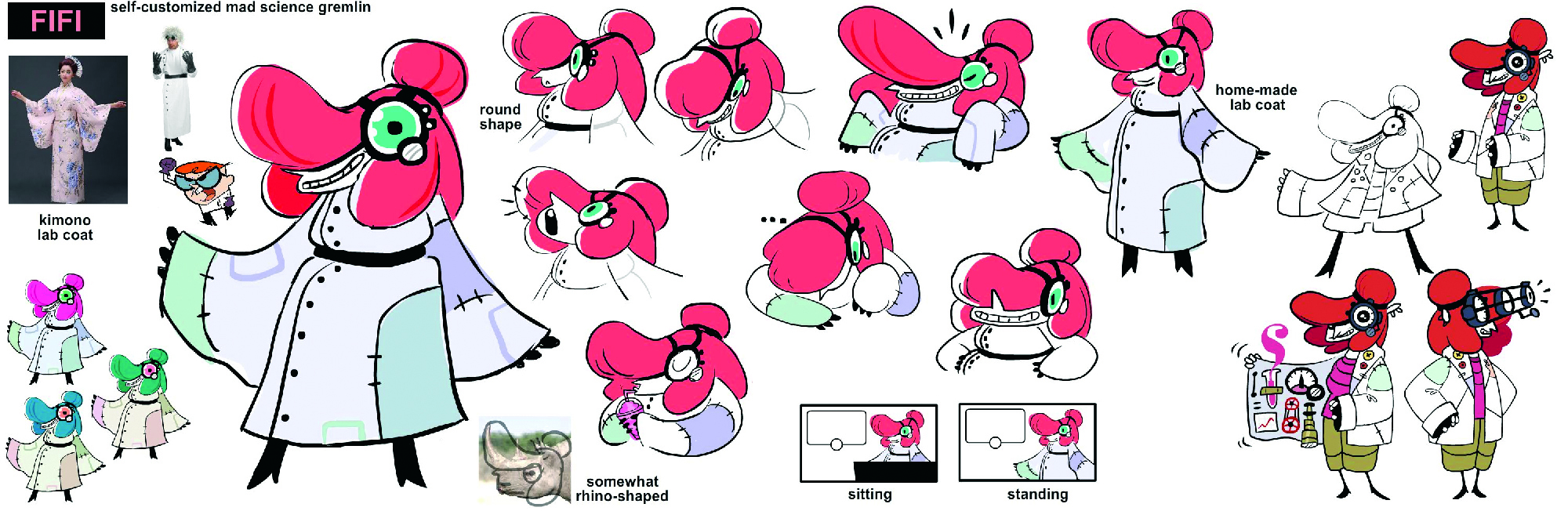
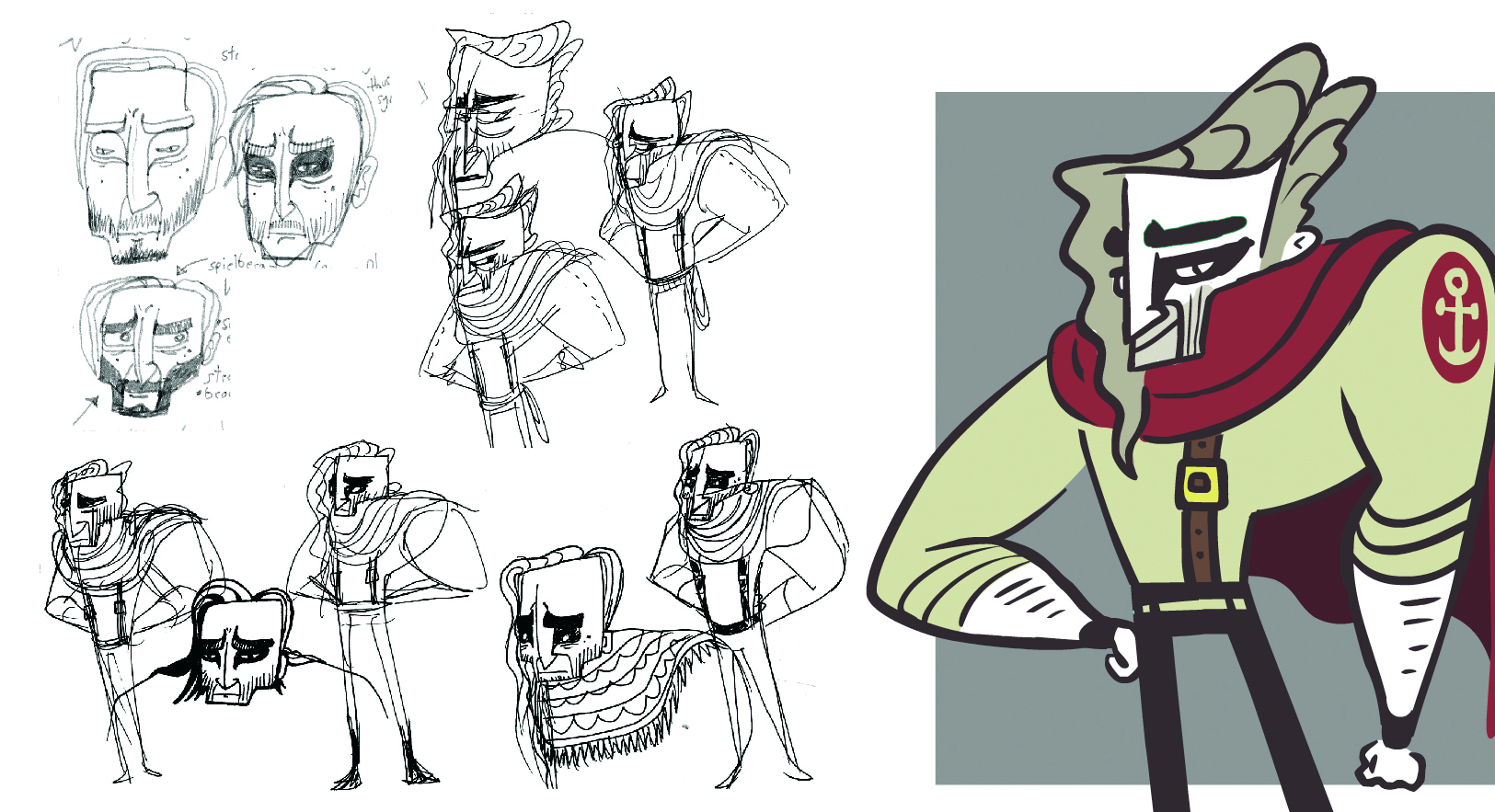
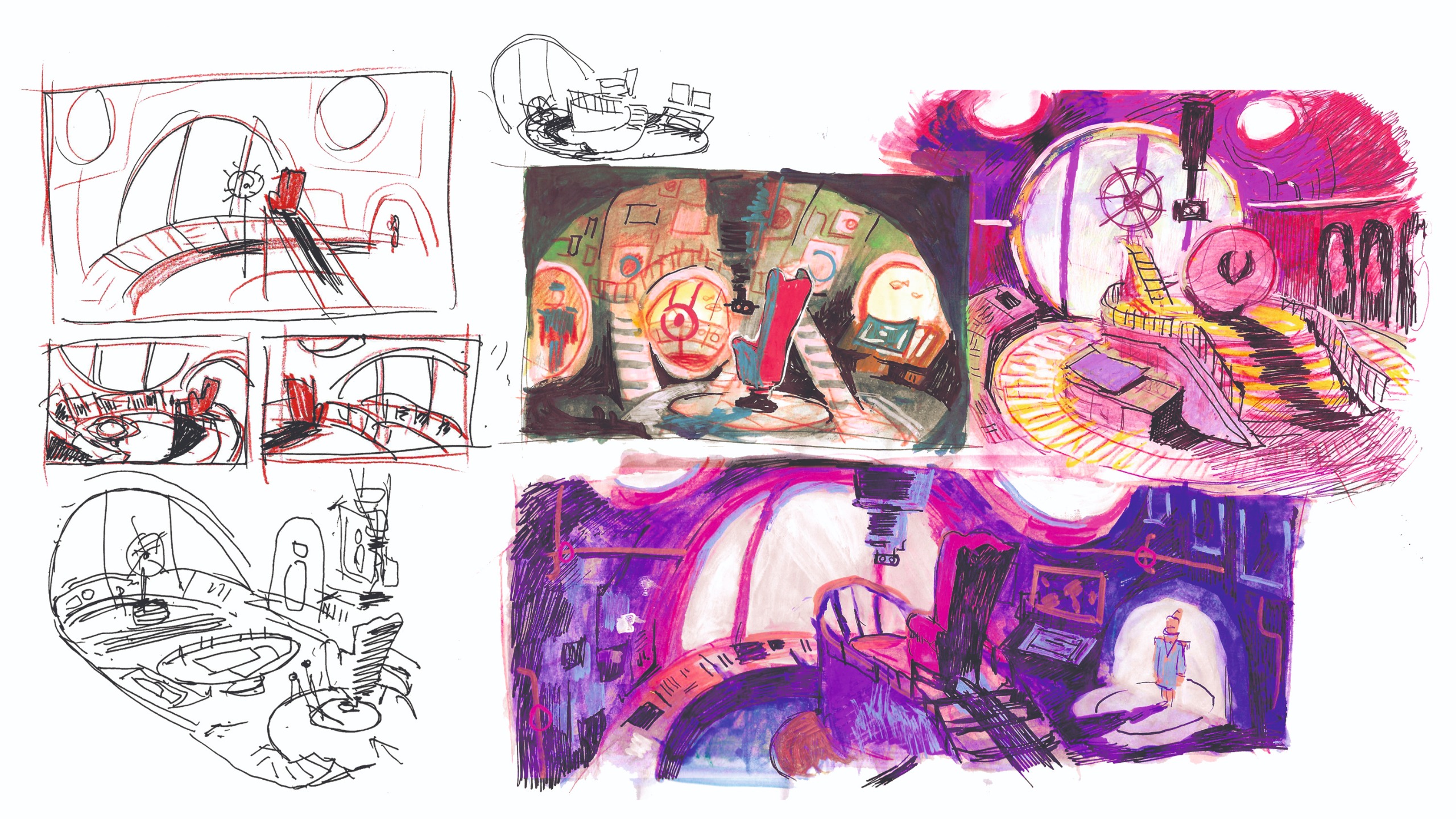
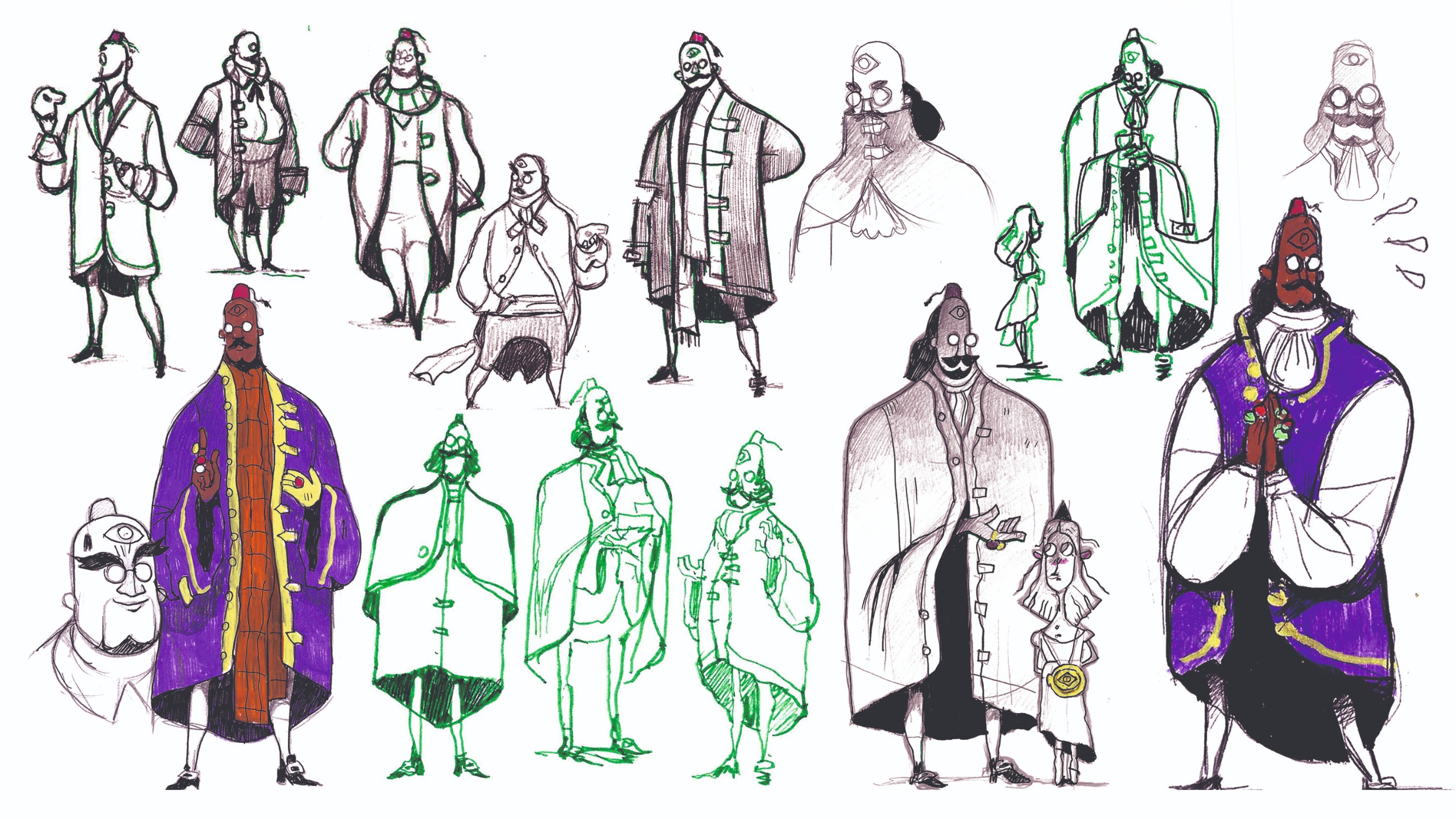
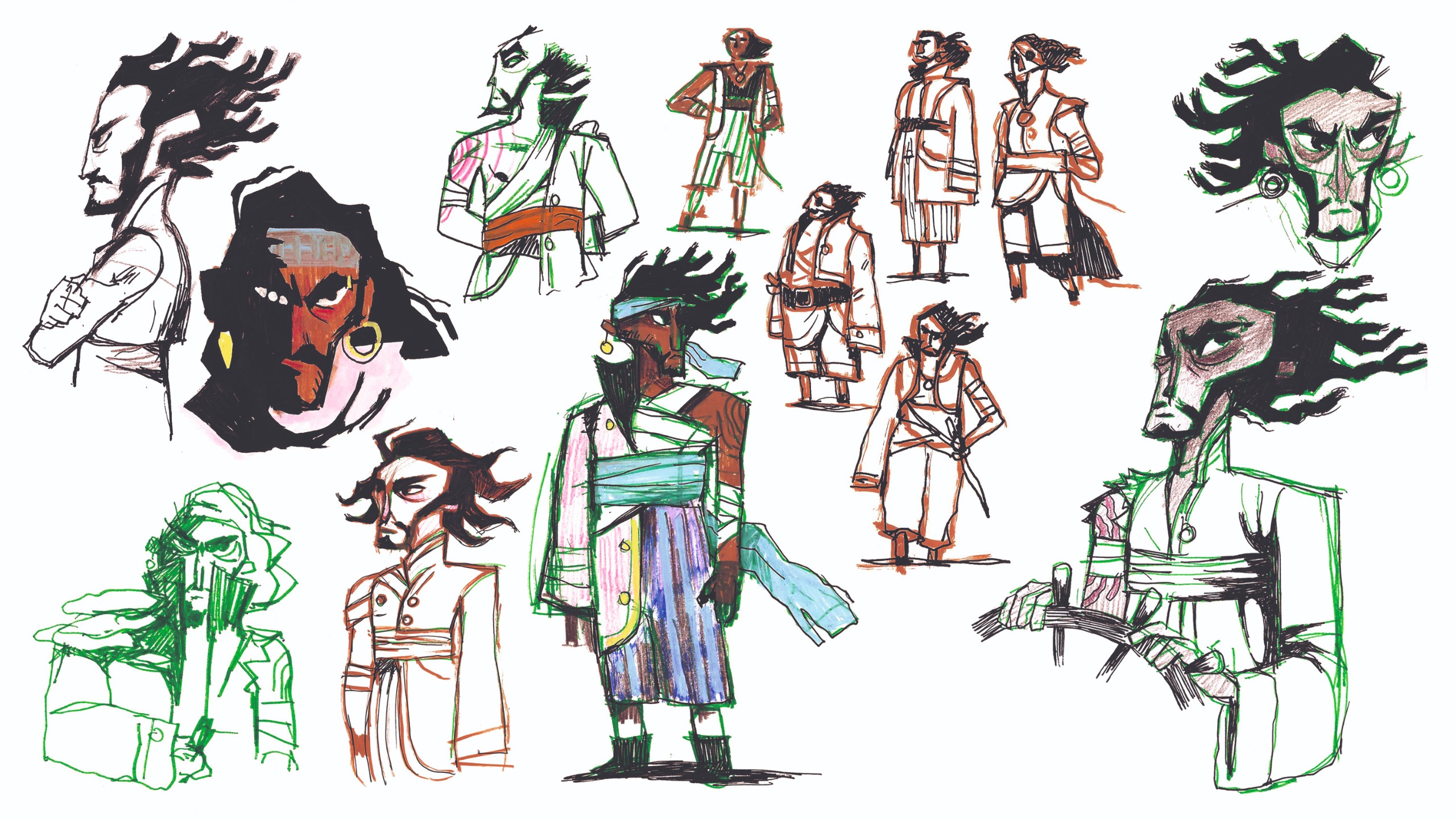
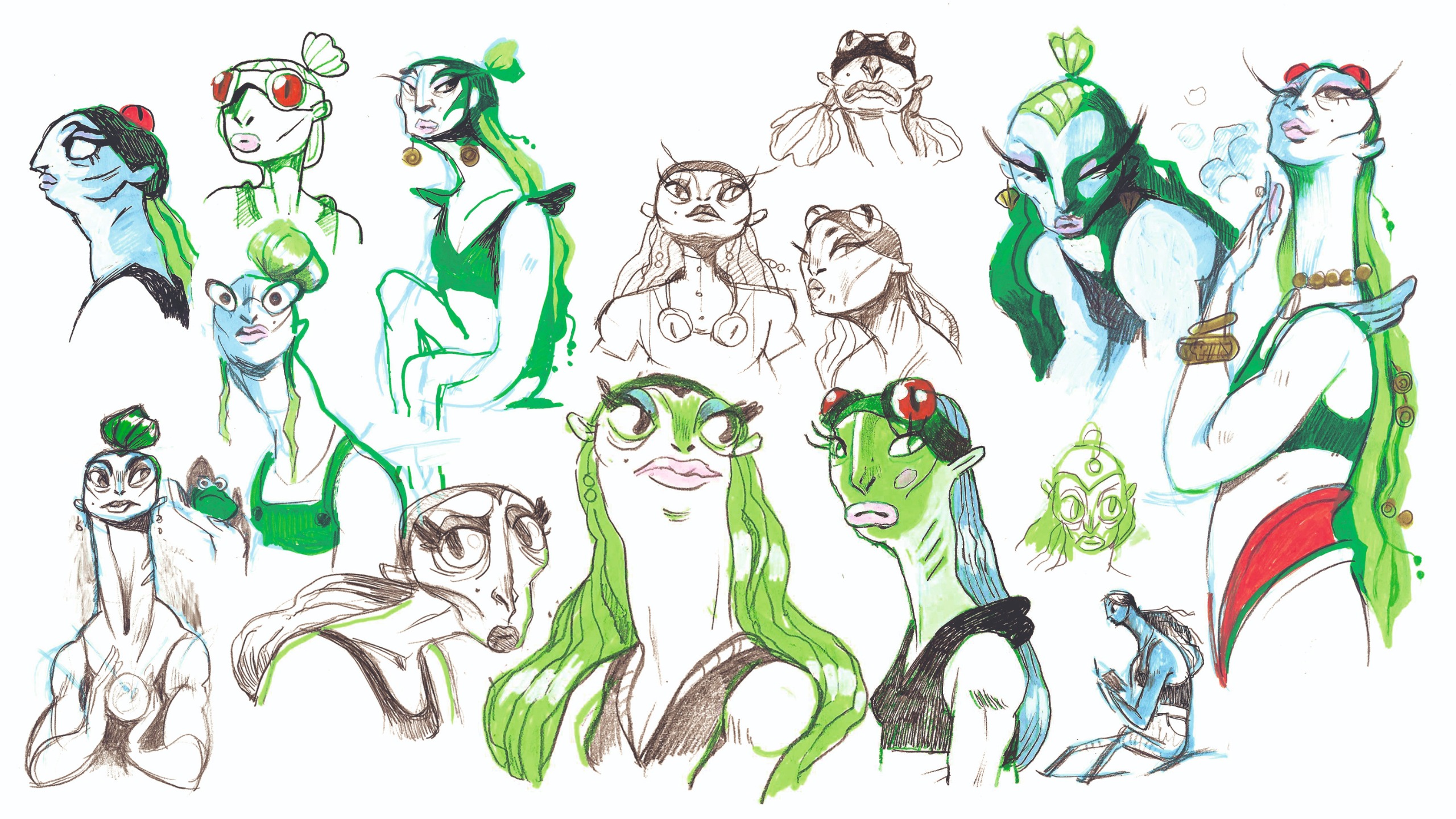
The arrival of artist Catherine Unger proved to be a turning point for the studio. Her involvement in the pre-production phase of subsequent entries, including Secret of the Swamp and Tangle Tower, introduced a collaborative dynamic that allowed for the "bashing out" of complex ideas. This synergy resulted in a move toward bolder, more abstract character shapes, drawing inspiration from the works of animator Genndy Tartakovsky and the unfinished film The Thief and the Cobbler. By prioritizing distinct silhouettes and high-contrast color palettes, the team ensured that characters remained legible against complex, hand-painted backdrops.
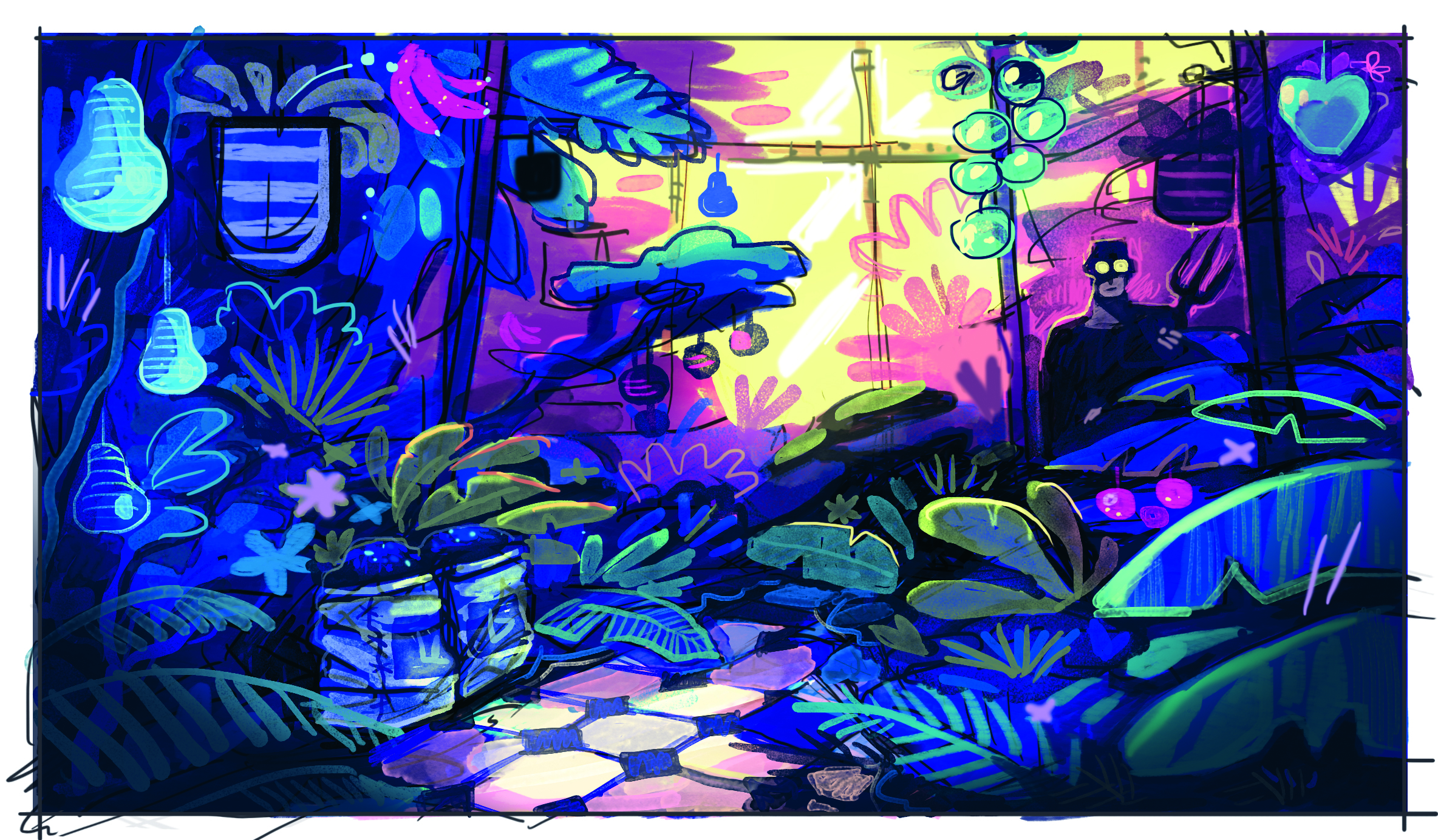
Technological Integration and the 2.5D Shift
The release of the latest entry in the franchise, The Mermaid Mask, marks a significant milestone in the studio’s technical evolution. For the first time, the development team has maintained the core art style and engine from a previous title, allowing them to iterate on established foundations rather than rebuilding from scratch.
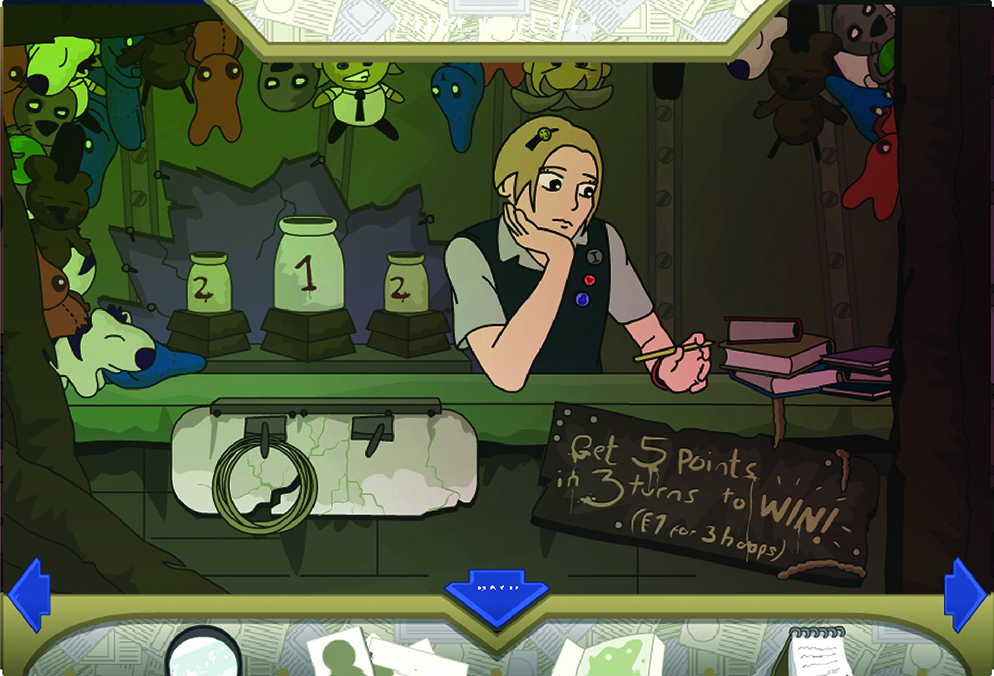
A primary challenge in this project was the integration of 3D elements without compromising the series’ signature hand-drawn, 2D aesthetic. Vian sought to enhance the interactivity of the game’s "clue" system. While previous titles relied on static, two-dimensional images for evidence, The Mermaid Mask utilizes 3D modeling to allow players to inspect, rotate, and interact with objects.
To achieve this without clashing with the 2D art style, the team employed a specialized workflow. 3D artist Kindra Dantone was brought on to model objects based on Unger’s paintings. To bridge the visual gap, the studio implemented a "tech art" solution: a dynamic, programmed outline that simulates the appearance of hand-drawn brushstrokes. This technique adds a "wobble" to the edges of 3D models, effectively mimicking the aesthetic of traditional 2D animation and painting. This hybrid approach has allowed SFB Games to maintain its artistic identity while providing the depth and interactivity expected of modern, high-end titles.
The Professionalization of Independent Development
The trajectory of SFB Games highlights a broader industry trend: the professionalization of the "bedroom developer." The early 2000s, characterized by the lack of copyright enforcement on sites like Newgrounds and the ease of rapid deployment, served as an "accelerant" for developers like the Vian brothers. By forcing themselves to complete a high volume of small projects in short timeframes, they were able to exhaust their "bad ideas" early in their careers.
This philosophy of rapid completion remains a core tenet of Vian’s advice to aspiring developers. He warns against the "magnum opus" trap, wherein new developers attempt to create sprawling, open-world RPGs without the requisite experience, often leading to burnout and abandoned projects. Instead, he advocates for the creation and release of small, focused projects—a practice facilitated today by platforms like itch.io and game engines such as Unity.
Broader Implications and Industry Impact
The success of the Detective Grimoire series underscores a significant shift in market demand. While major publishers continue to push for technical fidelity and graphical intensity, there remains a substantial audience for stylized, high-quality 2D and hybrid-style adventures. The studio’s ability to secure partnerships with major platform holders demonstrates that unique artistic direction, when backed by robust design principles, remains a commercially viable strategy.
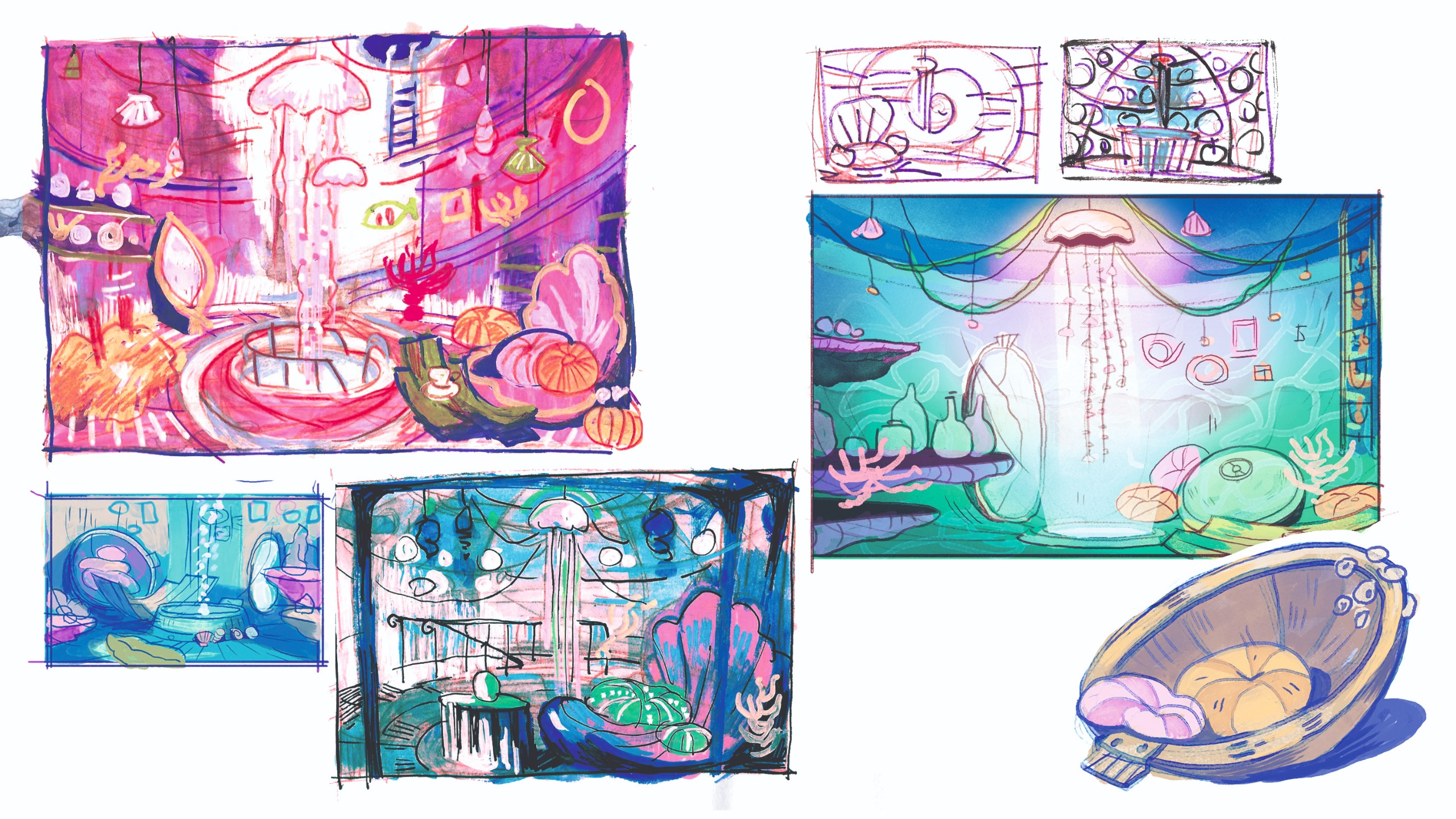
Furthermore, the collaborative pre-production process described by Vian—where characters are designed through iterative sketching and cross-pollination of ideas between lead artists and animators—highlights the necessity of a cohesive studio culture. By involving team members like animator Charlotte Harris early in the design phase to consider character movement and body language, the studio ensures that visual design is inherently functional, rather than purely aesthetic.
Current Market Standing
As of the latest release, The Mermaid Mask is available across major platforms, including PC, PlayStation 5, and the Nintendo Switch family of consoles. The game represents not only the fourth chapter of a long-running narrative but also the culmination of two decades of trial, iteration, and technological refinement.
In an industry often obsessed with the next frontier of graphical realism, the work of SFB Games stands as a testament to the enduring value of intentional art direction. By evolving the 2D medium rather than abandoning it, the studio has managed to carve out a distinct space in the adventure game market, proving that the tools of the past, when paired with modern, creative technology, can produce experiences that are both nostalgic and forward-thinking.
As the studio continues to move forward, the lessons learned from their early Flash-based experiments—the importance of brevity, the necessity of feedback, and the value of rapid, iterative development—continue to define their production cycle. For the current generation of developers, the SFB Games model serves as a roadmap for sustainable, creative growth in an increasingly crowded and technically demanding digital landscape. Through careful stewardship of their artistic vision and a willingness to embrace new technical solutions, the studio has ensured that the "Detective Grimoire" franchise remains a benchmark for quality in the contemporary indie scene.