The Great Pivot: How Public Backlash, Lawsuits, and Industry Pressure Are Forcing a New Era of Ethical AI in Music

The landscape of artificial intelligence in the music industry is undergoing a profound and unexpected transformation. Once characterized by a relentless "Wild West" mentality of unregulated data harvesting, rapid capital investment, and widespread copyright infringement, the generative AI sector is suddenly pivoting toward transparency, responsibility, and collaboration. Start-ups and major technology platforms alike have begun peppering their corporate communications with terms like "ethics," "principles," and "licensed data," attempting to offer an olive branch to a deeply skeptical community of human creators.
This shift represents a remarkable about-face from the early days of generative audio, when companies scraped vast swathes of copyrighted material from the internet without consent or compensation. Today, mounting legal pressures, economic realities, and a massive societal backlash against low-quality automated content have forced developers to reconsider their foundational practices. As the industry attempts to forge a sustainable path forward, stakeholders across the ecosystem are grappling with a fundamental question: Can the public ever truly trust corporate promises of ethical AI, or are these policy changes merely cosmetic?
Background Context: From Unregulated Scraping to Legal Reckoning
The tension between the music industry and generative AI developers escalated rapidly following the public rollout of advanced machine learning models capable of synthesizing fully orchestrated songs from simple text prompts. Companies like Suno and Udio quickly emerged as consumer favorites, allowing everyday users to generate complete tracks in seconds. However, this convenience came at a significant cost to creators. Investigations and subsequent admissions revealed that these early models had been trained on massive, unauthorized datasets containing copyrighted recordings harvested directly from the open internet.
For years, major record labels and independent artists alike voiced deep alarm over the uncompensated use of intellectual property. The tipping point arrived when the world’s three major music conglomerates—Sony Music Entertainment, Universal Music Group (UMG), and Warner Music Group (WMG)—filed massive copyright infringement lawsuits against prominent generative platforms. Rather than resulting in protracted courtroom battles that could bankrupt start-ups, these legal challenges catalyzed a surprising strategic shift. Major publishers suddenly found themselves in a position to negotiate, leading to historic settlement agreements and partnerships that paved the way for a new generation of training models built upon authorized and licensed catalogs.
Chronology of the AI Music Shift
- Late 2022: OpenAI’s public releases spark widespread discussion across the creative sector, prompting leaders like Paul McCabe at the Roland Future Design Lab to draft early governance frameworks, such as the Principles for Music Creation with AI.
- 2023: Specialized platforms like Voice Swap AI launch with a rights-first business model, prioritizing direct artist collaboration, certified training datasets, and robust revenue-sharing agreements.
- 2024: Major music publishers file high-profile lawsuits against leading generative platforms like Suno and Udio, citing widespread copyright infringement in early training phases.
- 2025: Public sentiment reaches a boiling point. Studies by the British Phonographic Institute (BPI) and Muse Group reveal overwhelming consumer and artist demand for transparency, clear labeling, and stronger industry regulations.
- Mid-to-Late 2025: Leading platforms begin rolling out new iterations of their software (such as Suno’s V6 models) trained on licensed data, while streaming giants like Spotify introduce strict labeling requirements to combat automated audio "slop."
Supporting Data and Public Sentiment
The urgency behind this industry-wide pivot is rooted in clear, measurable consumer and creator sentiment. A comprehensive 2025 study conducted by the British Phonographic Institute (BPI) revealed that 82% of respondents consider human creativity to be fundamentally essential to the art of music. Furthermore, 80% of participants valued human-composed music significantly higher than its AI-generated counterpart, and 81% strongly advocated for fully automated tracks to carry explicit, unmistakable labels.
Parallel research conducted by Muse Group—the technology parent behind widely used services like Ultimate Guitar, MuseScore, and Audacity—surveyed 1,200 musicians to gauge sentiment from working professionals. While 78% of surveyed artists expressed openness to utilizing specific, targeted forms of AI assistance in their workflows, 81% agreed that the broader industry desperately requires stronger regulatory frameworks and operational transparency.
These figures underscore a stark reality for tech developers: while the consumer market harbors a powerful appetite for music creation tools, it fiercely rejects deceptive practices and the devaluation of human artistry.
Official Responses and Competing Industry Philosophies
As the definition of "ethical AI" becomes a central battleground, different companies are adopting contrasting operational philosophies.
Suno, long criticized for its initial data-scraping practices, has aggressively worked to clean up its corporate image. Ahead of the V6 launch, Suno’s Chief Product Officer, Jack Brody, emphasized a newly collaborative approach. "The future of music needs to be built in partnership with the artists, industry, and music ecosystem that made music what it is today," Brody stated. He noted that recent models were developed in direct consultation with the industry and community feedback, describing the transition as the beginning of a new chapter. Nevertheless, Suno maintains that its original training methods fell under the legal doctrine of fair use, signaling that the company views its past practices as legally defensible even as it adopts a more conciliatory posture.
In contrast, platforms like Voice Swap AI built their entire business model around legal compliance from day one. Founded in 2023, the platform offers authorized artist voice models for legal demos and commercial releases. CEO Ausrine Skarnulyte notes that taking a rights-first approach was slower and more difficult, but ultimately necessary. "Building technology is hard, but establishing rights around it is even harder," Skarnulyte explains. Voice Swap’s datasets are certified by the third-party organization Fairly Trained, its outputs include high-frequency forensic watermarks, and it funnels significant subscription and licensing revenues directly back to contributing vocalists. Skarnulyte has openly warned that "ethical AI" risks becoming an empty marketing buzzword unless companies are willing to publicly explain concrete operational decisions rather than hiding behind vague mission statements.
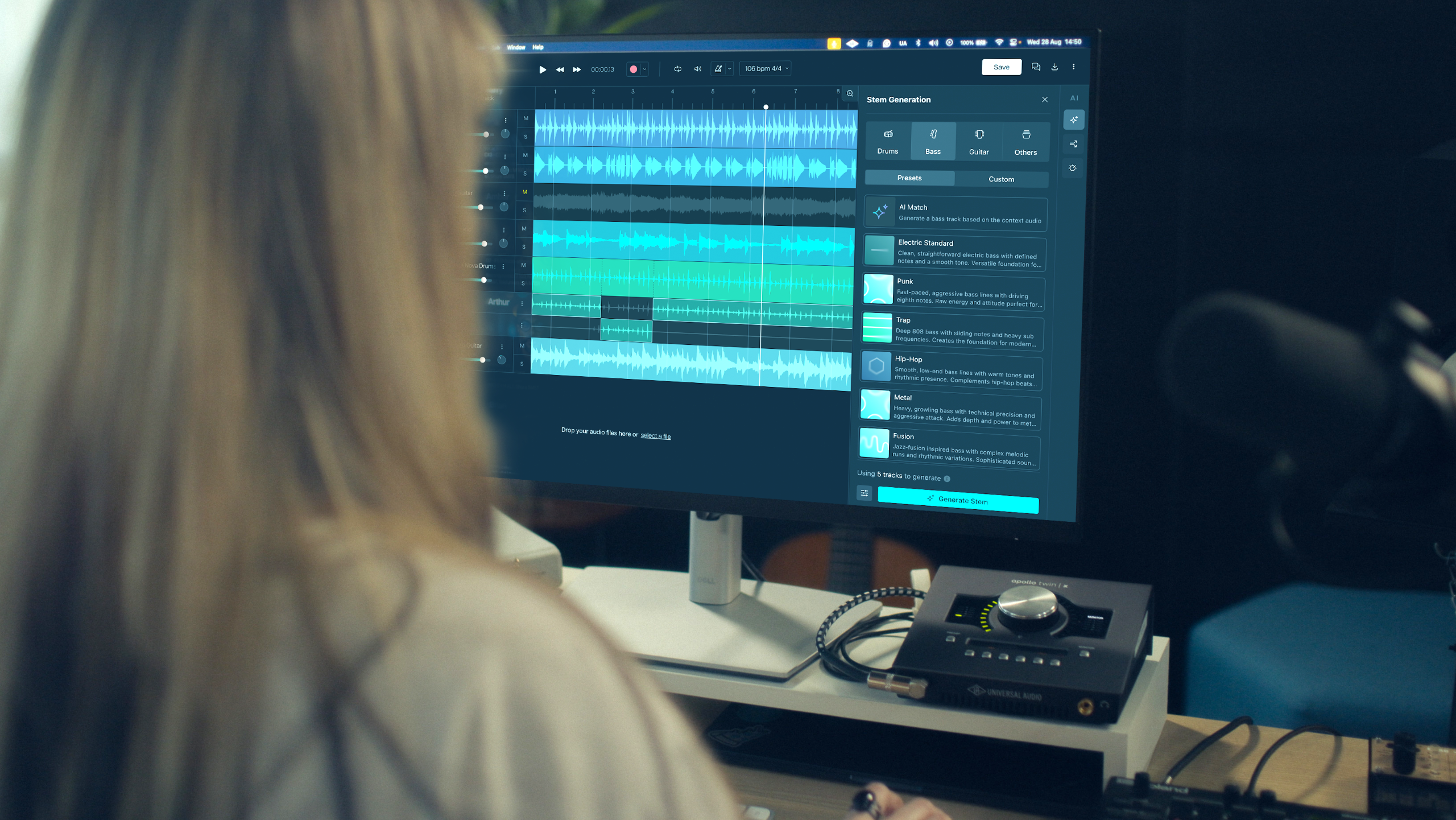
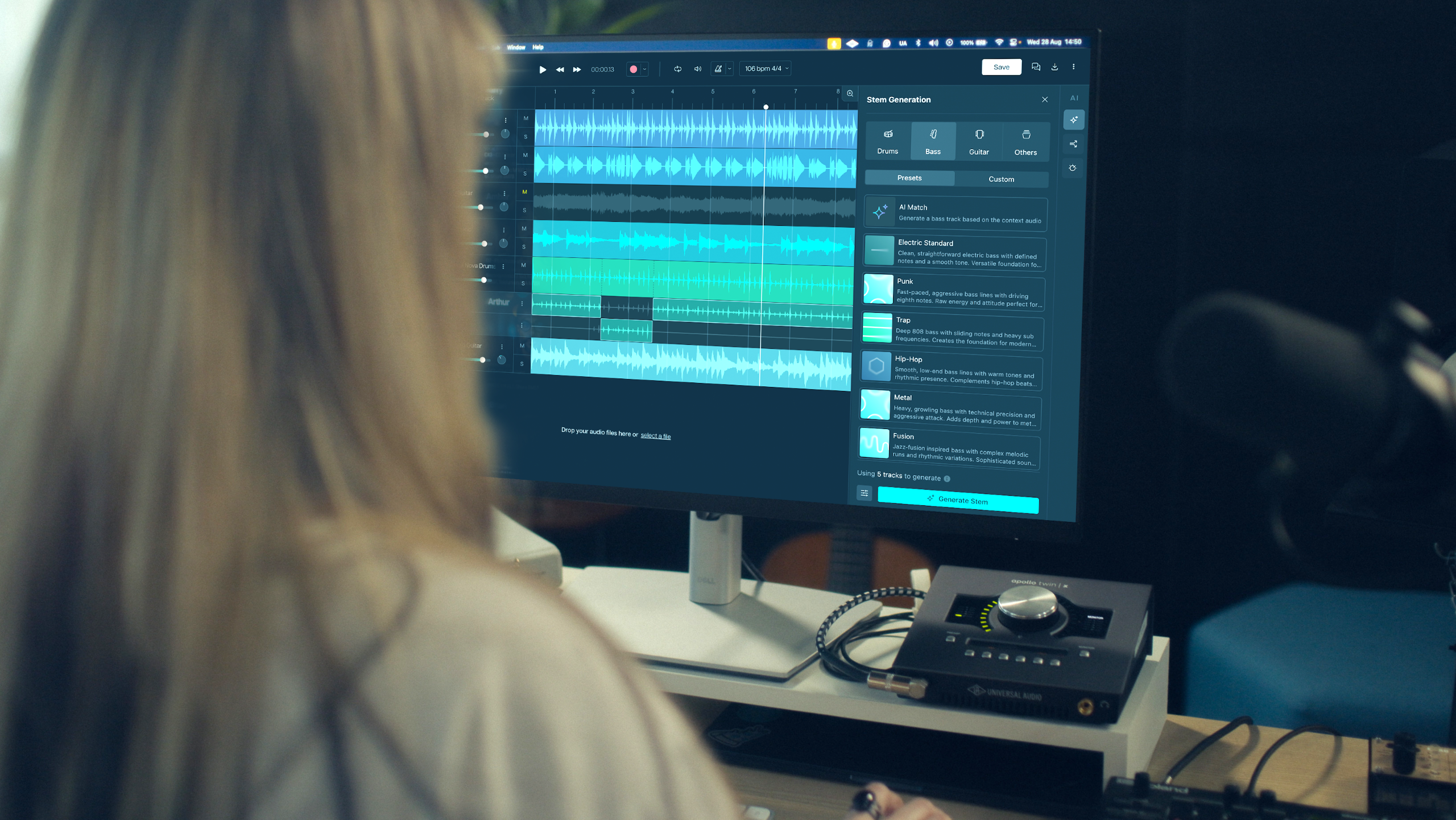
Meanwhile, other utility-focused platforms draw a firm line against full-song generation. Geraldo Ramos, CEO and co-founder of Moises AI—a leading platform in audio stem separation and creative enhancement tools—argues that generating entire tracks from text prompts is fundamentally misaligned with artistic workflows. "The goal is always to be a tool for musicians and never to go for the whole creation of a song," Ramos emphasizes. Moises trains its models exclusively on licensed or internally created data, maintaining that auxiliary tools designed to assist human producers are vastly different from systems attempting to replace human songwriters entirely.
Broader Impact and Economic Implications
The ongoing friction between tech developers and legacy institutions has also exposed deep fractures within the traditional music labor force. While major record labels secure lucrative settlement and licensing deals with generative start-ups, working musicians and union representatives remain deeply skeptical.
Ron Gubitz, Executive Director of the Music Artists Coalition, describes his organization as a "pugilistic representative for artists," arguing that true ethical AI must rest on three non-negotiable pillars: clarity, consent, and compensation. Gubitz points to proposed legislative measures, such as the U.S. TRAIN Act—which would grant rights holders the legal power to subpoena training datasets in copyright infringement cases—as vital regulatory developments. However, he acknowledges that government legislation is inherently slow, meaning that current reforms are primarily being driven by the sheer financial and logistical drain of ongoing litigation.
Adding to the complexity, the American Federation of Musicians recently launched legal action against Universal Music Group and Warner Music Group, alleging that major label settlements permitted the licensing of member recordings to companies like Suno and Udio without proper artist consent, credit, or financial remuneration. This internal discord highlights a central anxiety: that corporate settlements may enrich major labels while leaving individual session players and songwriters uncompensated.
The Path Forward: Defining Standards for the Future
Despite the controversies surrounding full-song generation, industry experts emphasize that artificial intelligence holds immense, constructive potential when applied responsibly. Paul McCabe of the Roland Future Design Lab notes that creators universally welcome AI solutions designed to eliminate mundane administrative burdens, overcome writer’s block, and serve as a source of creative inspiration. From real-time sound transformation to advanced audio search capabilities, responsible tools can enhance human artistry rather than undermine it.
However, realizing this positive potential hinges entirely on consumer trust and structural standardization. Industry leaders argue that the music technology sector must adopt rigorous verification systems comparable to B Corp certifications or protected designation of origin laws. By establishing universally recognized standards for training data transparency, algorithmic watermarking, and clear content labeling, the market can empower consumers to make informed choices.
The rapid evolution of generative audio demonstrates that the public and the creative community retain significant leverage in shaping technological trajectories. While corporate messaging has shifted to appease critics, sustained pressure, active legal oversight, and an insistence on genuine operational transparency will remain essential to ensuring that the future of music remains anchored in human creativity.