Coyote vs. Acme crosses 50 million dollars at the domestic box office in a symbolic victory for artistic preservation

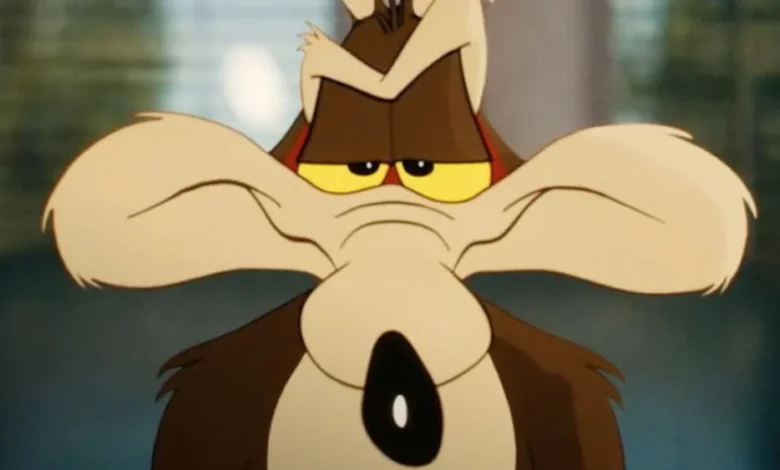
The hybrid live-action and animated feature Coyote vs. Acme has officially surpassed the 50 million dollar threshold at the domestic box office, marking a significant milestone for a project that was once slated for permanent burial by its original studio. As of Thursday, September 19, 2026, the film—distributed by Ketchup Entertainment—had accrued a total of 50,304,066 dollars over a 21-day theatrical run. While the figure represents a specific metric in the film’s financial lifecycle, its importance extends beyond simple accounting, serving as a rare instance of a "shelved" film finding a second life and finding an audience.
The film, directed by Dave Green, earned 434,090 dollars on its third Thursday in release, securing the fifth spot at the daily domestic box office. This performance underscores a sustained interest from moviegoers, defying the initial expectations set by Warner Bros. Discovery when the studio decided to scrap the fully completed feature in late 2023.
A Chronology of Controversy and Reclamation
The narrative of Coyote vs. Acme is one of the most publicized stories of corporate restructuring in the modern animation industry. In November 2023, Warner Bros. Discovery announced its intent to shelf the project entirely, opting to treat the completed film as a tax write-off. The decision, aimed at optimizing the company’s financial portfolio, triggered an immediate and vocal backlash from the creative community, including the film’s own crew, fellow directors, and prominent figures within the animation industry who viewed the move as an erasure of labor and creative output.
Following the public outcry and internal pressure, the studio reversed its decision to destroy the film, opting instead to allow the filmmakers to seek alternative distribution. In the months that followed, several major studios and streamers—including Amazon and Netflix—reportedly expressed interest, but it was Ketchup Entertainment that ultimately secured the worldwide distribution rights. While the official terms were never disclosed, industry analysts widely reported the acquisition price to be in the neighborhood of 50 million dollars.
By reaching this 50 million dollar domestic benchmark, the film has essentially recouped the reported acquisition cost through North American ticket sales alone, though this does not equate to net profitability. The complex economics of theatrical exhibition require a nuanced look at how these funds are distributed between distributors, exhibitors, and marketing budgets.
Economic Realities and Financial Performance
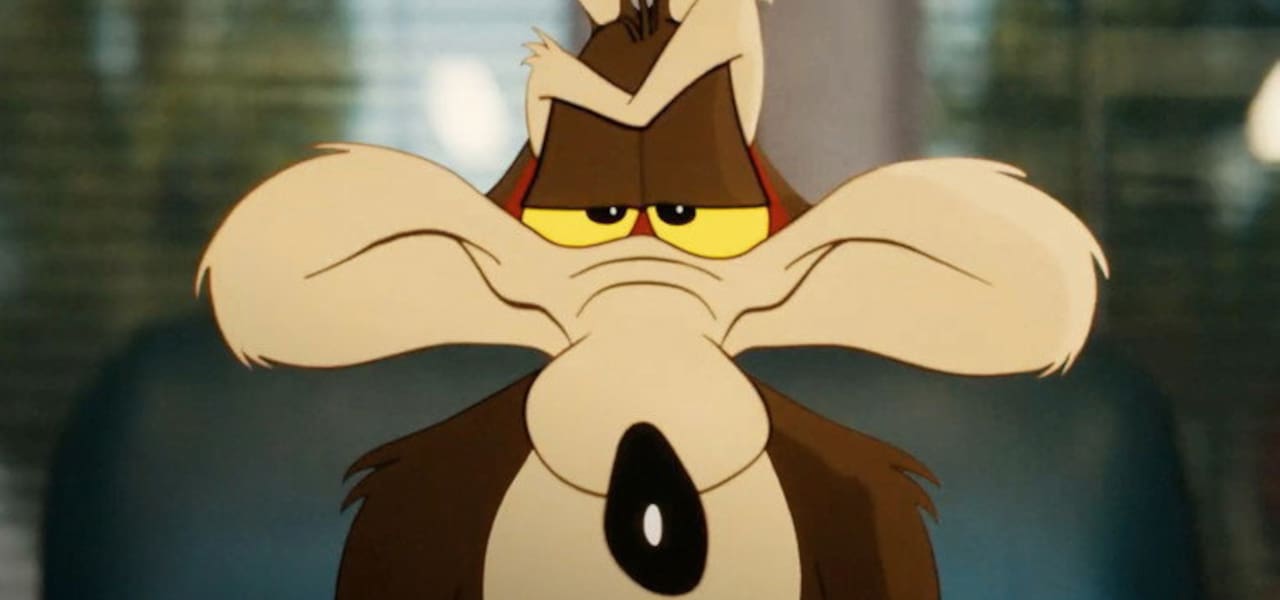
To understand the financial standing of Coyote vs. Acme, one must look beyond the gross domestic box office. According to data tracked by Comscore, the film had accumulated approximately 82.8 million dollars in global box office receipts as of the weekend preceding September 19, 2026. This international performance demonstrates the enduring global appeal of the Looney Tunes brand, which remains a cornerstone of intellectual property for Warner Bros. Discovery despite the studio’s initial hesitation.
However, profitability in the theatrical sector is rarely measured by gross revenue. After accounting for the exhibitor’s share—the portion of ticket sales kept by movie theaters—and the significant costs associated with marketing, distribution, and prints, the path to "breaking even" remains steep. Ketchup Entertainment’s financial strategy likely relies on a multi-pronged approach, including post-theatrical windows such as premium video-on-demand (PVOD), streaming licenses, and international home entertainment markets.
Industry analysts note that while Ketchup Entertainment may not achieve a massive windfall from this theatrical run, the film serves as a high-profile asset in their catalog. For a smaller distribution outfit, the visibility and brand recognition associated with a major studio-quality film like Coyote vs. Acme provide long-term institutional value that transcends the immediate balance sheet.
The Broader Implications for Animation and Creative Labor
The saga of Coyote vs. Acme has become a focal point for debates regarding the value of completed creative work. The initial decision to shelve the film highlighted a growing trend in the entertainment industry where corporate tax incentives sometimes outweigh the release of content. Critics of this practice argue that it commoditizes art in a way that ignores the hundreds of thousands of man-hours poured into production, lighting, rendering, and performance.
The successful release of the film serves as a precedent for the industry. It proves that there is a viable path for projects deemed "non-essential" by major conglomerates to find success elsewhere. By allowing the film to reach the public, Warner Bros. Discovery avoided the reputational damage that would have inevitably followed the permanent destruction of a high-profile work.
Furthermore, the film’s success provides a degree of vindication for the artists involved. When a studio cancels a project, the individuals who worked on it often lose the ability to showcase their work in a professional portfolio, impacting future career opportunities. The theatrical release allows these artists to see their work validated by public reception, turning a potential professional loss into a public-facing contribution to cinema.
.png)
Assessing the Future of "Shelved" Content
As the theatrical window for Coyote vs. Acme continues, industry observers are closely monitoring how the film’s performance will influence future corporate strategies regarding finished but unreleased content. Historically, movies that were shelved or "written off" were rarely seen by the public. The success of this release suggests that, moving forward, companies may be more inclined to sell off unwanted projects to third-party distributors rather than risking the PR fallout associated with discarding them.
This shift in strategy is not just about ethics; it is increasingly about economic logic. If a studio can recover a portion of its production costs by selling a project to a smaller distributor, they can recoup losses while simultaneously avoiding the negative sentiment that accompanies the destruction of artistic labor.
Conclusion: More Than a Balance Sheet
While the 50 million dollar domestic mark is a significant milestone for Coyote vs. Acme, the true legacy of the film will likely be measured by its role in the shifting landscape of film distribution. The movie is a testament to the fact that audiences possess a vested interest in the survival of completed stories.
As the film moves through its final weeks of widespread theatrical play and approaches its inevitable shift to digital and home media platforms, the conversation surrounding it remains focused on the inherent value of art. Regardless of whether the final ledger shows a profit or a loss, the act of releasing the film has protected the integrity of the work itself. For the audience, the critics, and the artists, the primary victory remains the simple fact that the film exists, is accessible, and has been given the opportunity to compete in the open market—a outcome that, for a time, seemed entirely impossible.