As summer temperatures continue to climb to unprecedented levels across the globe, residential and commercial air conditioning has transitioned from a seasonal luxury into an absolute necessity for health and daily functioning. When homeowners begin researching ways to combat the stifling indoor heat, a common cognitive bias often dictates the purchasing decision: the assumption that bigger automatically equals better. This mindset leads many consumers to invest in massive, oversized window units, heavy-duty portable systems, or heavily powered central HVAC systems designed to cool much larger footprints. However, industry experts, HVAC technicians, and energy efficiency specialists consistently warn that installing an air conditioner that exceeds the spatial requirements of a room or home introduces a cascading series of structural, financial, and environmental problems.
Understanding the mechanics of air conditioning reveals why matching a cooling unit precisely to a floor plan is critical. Far from simply blowing cold air into a space, an air conditioner operates fundamentally as a dehumidifier. The thermodynamic process of air conditioning relies on drawing warm, moisture-laden indoor air across refrigerated evaporator coils. As the air passes over these freezing coils, the heat is absorbed, and moisture in the atmosphere condenses into liquid water, which is then drained away to the outside. Only after this moisture is extracted does the dry, cooled air circulate back into the living area. When a system is properly matched to the square footage of a home, it runs through continuous, measured cycles that allow it to effectively pull humidity from the air while simultaneously lowering the ambient temperature to a comfortable equilibrium.
The Hidden Dangers of Oversized Cooling Systems
When an air conditioner is significantly oversized for the room or house it serves, this delicate equilibrium is immediately disrupted. An excessively powerful unit will blast a massive volume of super-chilled air into a confined space almost instantaneously. Because the thermostat senses that the target temperature has been reached within a matter of minutes, it triggers an immediate shut-off command. While homeowners might initially celebrate how quickly the room feels cold, this rapid cooling creates a severe operational flaw: the system shuts down before it has spent enough time running to extract the ambient moisture from the air.
The resulting environment is often described by HVAC professionals as a "clammy" or damp atmosphere. Rather than feeling genuinely comfortable and refreshing, the room becomes a cold, humid microclimate. This excess humidity trapped indoors does more than just cause physical discomfort; it creates an ideal breeding ground for biological contaminants. Mold, mildew, and dust mites thrive in damp, cool environments. The presence of these airborne allergens can severely compromise indoor air quality, triggering chronic respiratory issues, asthma attacks, and allergic reactions for the building’s occupants. Furthermore, lingering moisture can warp wooden furniture, damage drywall, peel wallpaper, and impart a musty odor to textiles and carpeting throughout the home.
The Mechanics and Financial Toll of Short Cycling
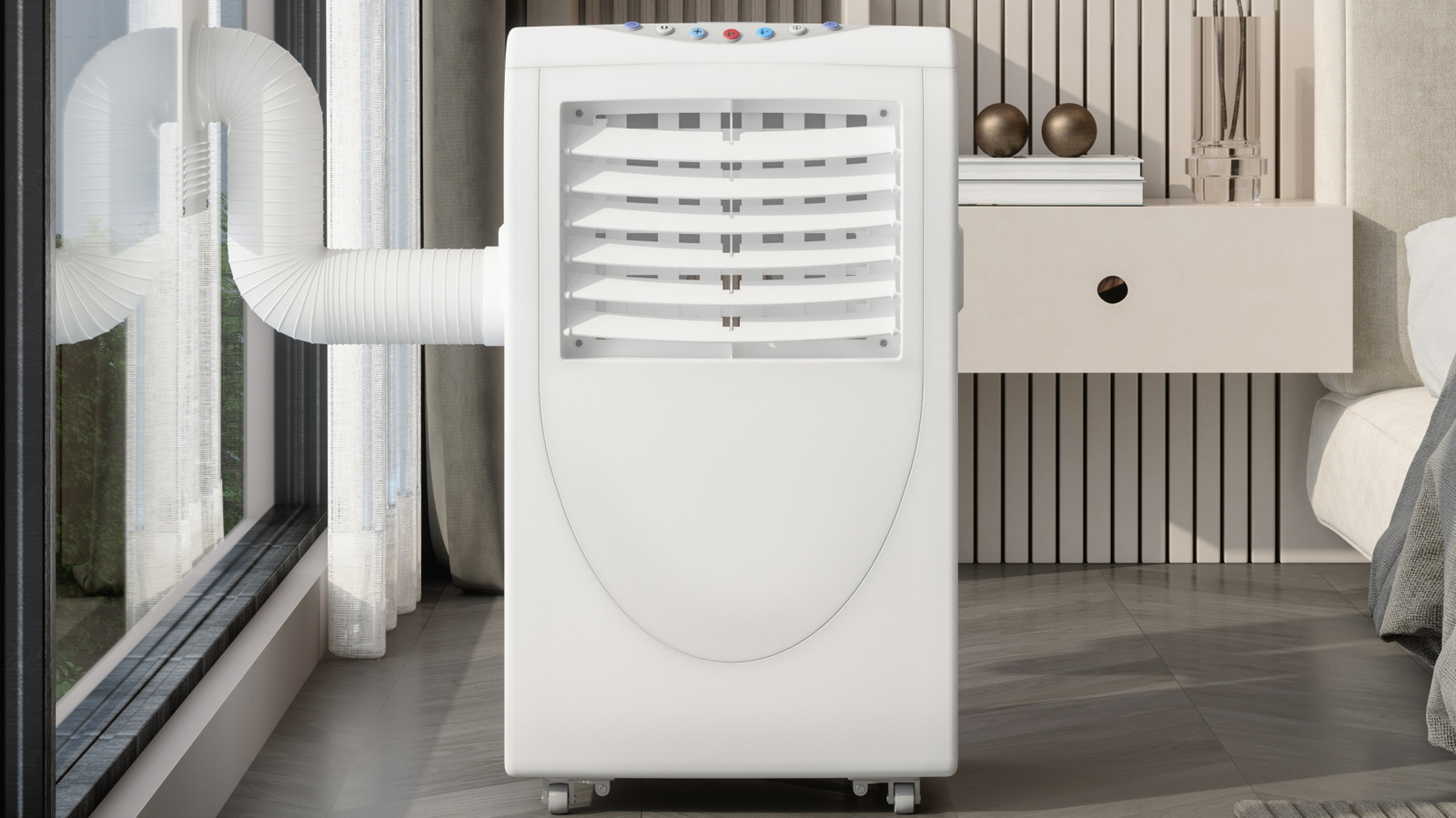
Beyond the humidity and health concerns, oversized air conditioning units suffer from a mechanical phenomenon known as "short cycling." Short cycling describes the erratic behavior of an HVAC system that turns on and off far more frequently than intended. While a normal, correctly sized system will typically run steady cycles lasting between 15 to 20 minutes several times an hour, an oversized unit might cycle on and off every few minutes.
This relentless starting and stopping places an extraordinary amount of physical stress on the system’s core mechanical components. The compressor—often referred to as the heart of the air conditioning unit—requires a massive surge of electrical current every time it kicks on. Constant short cycling forces the compressor, blower motor, and electrical relays to endure repeated, high-stress startup sequences. Consequently, equipment failure accelerates drastically, leading to premature mechanical breakdowns, expensive emergency service calls, and a significantly shortened operational lifespan for the expensive hardware.
Financially, short cycling delivers a punishing blow to the consumer’s monthly utility budget. The initial electrical surge required to start an air compressor consumes far more energy than the steady state of running it once it is already engaged. Because an oversized unit is constantly initiating these power-hungry startups throughout the day and night, electricity consumption skyrockets. Homeowners find themselves paying exorbitant utility bills for a system that is failing to deliver genuine comfort or proper humidity control.
The Historical Evolution of Cooling Capacity Measurements
To navigate the complex market of residential climate control, consumers must understand how cooling capacity is quantified. Historically, the air conditioning industry has relied on two primary metrics: British Thermal Units (BTUs) and "tons" of refrigeration. It often surprises modern consumers to learn that air conditioner capacity continues to be measured in tons—a holdover from the nineteenth-century ice harvesting industry. Before mechanical refrigeration existed, buildings were cooled using blocks of ice harvested from frozen lakes and rivers during the winter. One "ton" of cooling capacity originally equated to the amount of heat required to melt one ton (2,000 pounds) of ice over a 24-hour period. In modern engineering terms, one ton of refrigeration equals 12,000 BTUs per hour.
A BTU measures the exact amount of thermal energy required to raise or lower the temperature of one pound of water by one degree Fahrenheit. When applied to air conditioning, a BTU rating signifies the total amount of heat an appliance can remove from a specific space in one hour.
Calculating the Correct Size for Your Living Space
Avoiding the pitfalls of an oversized or underpowered air conditioning system requires methodical planning and precise mathematical calculation. The foundational step in selecting the correct unit involves accurately measuring the square footage of the space intended for cooling. This process changes depending on whether the goal is to cool a single isolated bedroom, an entire floor, or a multi-story house.
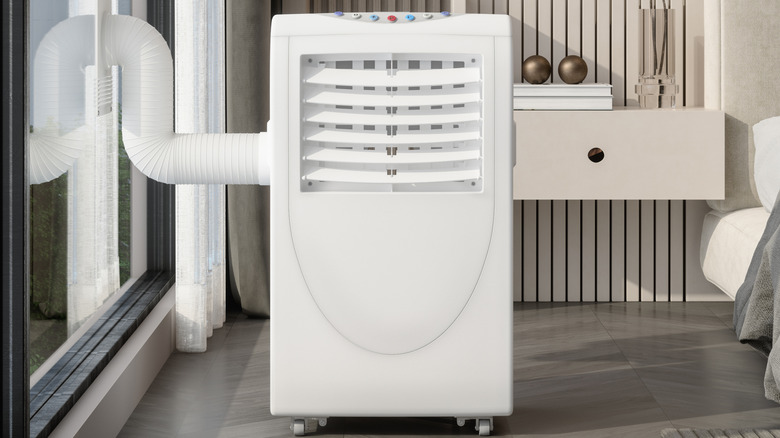
For localized cooling using a window unit or portable freestanding appliance, measuring the length and width of the room in feet and multiplying them together yields the total square footage. Industry guidelines provide clear correlations between square footage and required BTUs. For instance, a small bedroom measuring 150 to 250 square feet typically requires a unit producing between 5,000 and 6,000 BTUs. Conversely, a large living room or open-concept area spanning 400 to 500 square feet demands a capacity of roughly 10,000 to 12,000 BTUs.
When evaluating whole-house central air conditioning systems, the calculations become more sophisticated. As a general rule of thumb used by residential contractors, approximately one ton of cooling capacity (12,000 BTUs) is required for every 600 square feet of living space. However, determining the correct tonnage for a central system cannot rely solely on square footage. Professional HVAC technicians conduct a comprehensive calculation known as a Manual J load calculation. This rigorous assessment factors in numerous environmental and structural variables, including local climate data, the orientation of the home relative to the sun, the quality of insulation in the walls and attic, the number and energy efficiency rating of windows, ceiling height, and even the average number of occupants living in the home.
The Broader Implications of Proper HVAC Sizing
Choosing the right air conditioning system carries implications that extend far beyond individual household budgets and comfort levels. From an environmental perspective, optimized energy consumption directly correlates with reduced carbon emissions. Power generation plants burn fossil fuels to supply the electricity demanded by residential air conditioning grids. When millions of households operate inefficient, oversized, short-cycling units, the aggregate strain on the local power grid intensifies significantly, elevating the risk of localized brownouts or blackouts during peak summer heatwaves. By selecting properly sized equipment, consumers collectively reduce unnecessary electrical draw, contributing to broader grid stability and lower greenhouse gas emissions.
Furthermore, the macroeconomic impact on the HVAC manufacturing and service sector is substantial. Industry associations and consumer advocacy groups continuously push for better consumer education regarding equipment sizing. Many reputable manufacturers now incorporate advanced variable-speed compressors and smart inverter technology into their high-end models. Unlike traditional single-stage systems that operate strictly in a binary "on" or "off" state, modern variable-speed units can dynamically modulate their cooling output, ramping down to a low, steady hum that continuously extracts moisture and maintains precise temperatures without short cycling. However, even these advanced technologies cannot completely compensate for an egregious mismatch in initial system scale.
Achieving optimal indoor comfort during the blistering heat of summer requires patience, precision, and a rejection of the more-is-better philosophy. By taking the time to calculate square footage accurately, consulting professional load evaluations, and investing in a system tailored to the specific spatial dynamics of a home, consumers can protect their health, preserve their financial resources, and ensure long-term mechanical reliability.