The issue with the Instagram artist hire and the evolving landscape of professional animation recruitment

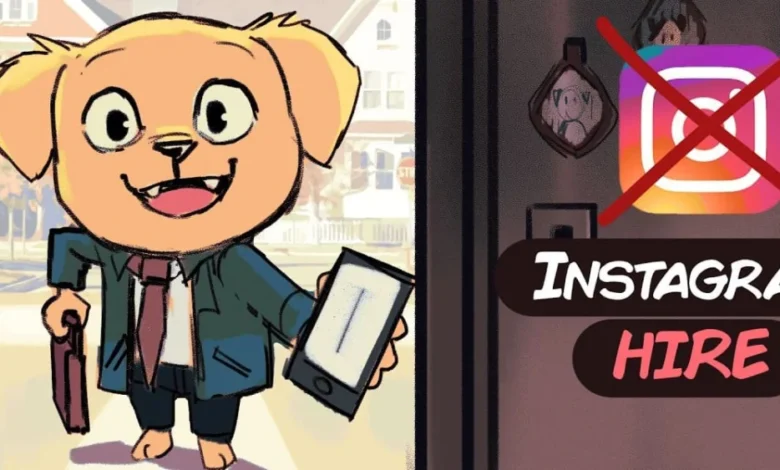
In an era where social media serves as the primary storefront for creative talent, the line between a viral online portfolio and a production-ready professional has become increasingly blurred. Animation studios, under pressure to maintain rapid production cycles, have frequently turned to platforms like Instagram, X (formerly Twitter), and YouTube to identify emerging artists. While this "social-media hire" phenomenon—often derisively referred to as a "clout hire"—has democratized access to the industry, it has also created a structural disconnect between the aesthetic appeal of an artist’s personal work and the technical, collaborative demands of a large-scale production pipeline.
In a recent, highly personal video essay, veteran animator, story artist, and educator Toniko Pantoja explores the systemic pitfalls of this recruiting strategy. Pantoja argues that the disconnect often stems from a fundamental misunderstanding of what makes an artist "production-ready," suggesting that the current industry climate is failing both the studios that hire for optics and the artists who are recruited without adequate onboarding or assessment.
The Anatomy of the Social-Media Hire
The appeal of the social-media hire is undeniable from a recruitment perspective. Studios are constantly seeking fresh visual styles to distinguish their projects in a crowded streaming marketplace. When an artist gains significant traction for their personal work, they demonstrate an ability to execute a vision, maintain a brand, and generate engagement—all traits that are highly valuable in marketing and character design.
However, as Pantoja points out, the transition from independent content creator to studio employee is rarely seamless. Personal work is often defined by total creative control, a lack of external oversight, and the ability to work at one’s own pace. Conversely, the professional animation pipeline is a rigorous, iterative process. It requires the ability to storyboard to specific director-mandated specifications, the discipline to adhere to strict deadlines, and, most crucially, the capacity to absorb and implement complex notes from supervisors and producers.
Chronology of a Disconnect
The rise of the "Instagram hire" coincides with the industry-wide shift toward digital-first recruitment over the last decade. Historically, animation studios relied on formal education, physical portfolio reviews at major festivals like Annecy or CTN, and internal referrals.
- 2015–2018: The rise of algorithmic discovery on social media platforms begins to supersede traditional headhunting. Studios shift their focus from degree-based hiring to engagement-based hiring, often reaching out to artists with high follower counts to fill vacant storyboard or animation roles.
- 2020–2022: The global pandemic accelerates remote work, making it easier for studios to hire talent globally without traditional interviews. This period sees a surge in "instant hires" based on online showreels.
- 2023–2026: Industry leaders begin to voice concerns regarding the "onboarding gap." Studios realize that while they are hiring talented individuals, these artists often lack the "production IQ" required to navigate the complexities of long-form episodic or feature film workflows.
The Experience Gap: A Personal Perspective
Pantoja’s critique is rooted in his own professional journey. He admits to having experienced the "Instagram hire" phenomenon from both sides—once as an artist who was lauded for his online films but struggled to translate that success into the rigid expectations of a studio project.
"I do feel like people sometimes overestimate me," Pantoja says in his essay. He notes that the pressure to live up to a digital reputation can be stifling. During one particular engagement, he was met with the harsh assessment, "Oh, I thought you were good," a sentiment that highlights the failure of management to provide clear, actionable feedback.
Pantoja contends that the most successful studio experiences are those that prioritize "gradual integration." By starting artists on lighter, lower-stakes tasks—such as cleanup work or minor revisions—studios allow the artist to acclimate to the production’s specific visual language. The failure occurs when studios, pressured by budgets and schedules, immediately place high-profile social media artists into complex sequences without sufficient guidance.
The Disappearing "Training Ground"
A critical component of this issue, according to Pantoja, is the industry’s declining willingness to invest in junior-level training. Traditionally, positions like storyboard revisionist, layout assistant, or inbetweener acted as de facto apprenticeships. These roles allowed newcomers to observe senior artists, learn the nuances of a pipeline, and understand the collaborative nature of the medium before being tasked with creative leadership.
As these roles are increasingly cut or automated, the pipeline for professional development has thinned. Studios are essentially "outsourcing" their training to the internet; they expect artists to have already mastered the mechanics of production through trial and error on social media, even though social media offers no environment for learning production protocols.
Implications for the Industry
The implications of this recruitment model are twofold. For the artist, the "clout hire" can be a trap that leads to burnout and a damaged professional reputation if they are unable to perform at the expected level. For the studio, the reliance on superficial metrics leads to costly turnover and delays.
.png)
Data from human resources experts in the creative sector suggests that hiring for "cultural and technical fit" rather than "aesthetic alignment" reduces turnover by nearly 30%. When studios prioritize the ability to iterate over the ability to create a polished standalone image, the quality of the final product improves.
Toward a Sustainable Future
Pantoja’s analysis does not excuse unprofessionalism. He remains firm that regardless of one’s background—whether indie-trained or institutional—artists must meet the basic requirements of the role: communication, reliability, and the ability to set aside one’s ego to serve the project.
However, the burden of change lies with studio leadership. To bridge the gap, the following adjustments are recommended by industry observers:
- Transparent Assessment: Studios should shift from "vibe-based" hiring to task-based testing that mimics actual production conditions, providing candidates with specific notes to see how they adapt.
- Mentorship Integration: Reinstating or protecting entry-level roles that provide a buffer between pure creativity and high-stakes production.
- Managed Expectations: Managers must recognize that an artist’s online portfolio is an expression of their peak output, not their baseline performance under pressure.
Ultimately, Pantoja’s message is a call for a more human-centric approach to hiring. In a world where an algorithm can highlight a talented individual in seconds, the animation industry must remember that hiring is not merely an act of acquisition; it is an act of preparation. The success of an artist, and by extension the project, depends not just on finding the right person, but on giving them the time and the infrastructure to succeed. As the industry continues to evolve, the distinction between a "social media star" and a "production professional" will likely depend on the willingness of studios to cultivate talent rather than simply curate it.