Meta Continues Its Metaverse and Mixed Reality Push with Next-Gen Phoenix Headset and AI Glasses Despite Regulatory Headwinds

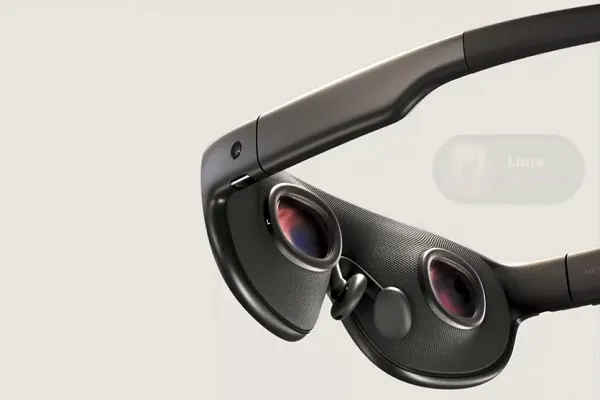
Meta Platforms may be heavily promoting its current generation of artificial intelligence-enabled smart glasses in the commercial market, but recent leaks and industry tracking indicate that the tech giant has by no means abandoned its long-term ambitions for the metaverse and immersive hardware. While the spotlight has largely shifted toward lightweight augmented reality (AR) and AI wearables, fresh evidence suggests that Meta is actively developing a robust pipeline of next-generation mixed reality (MR) headsets and advanced AR devices, highlighted by an emerging flagship headset codenamed "Phoenix."
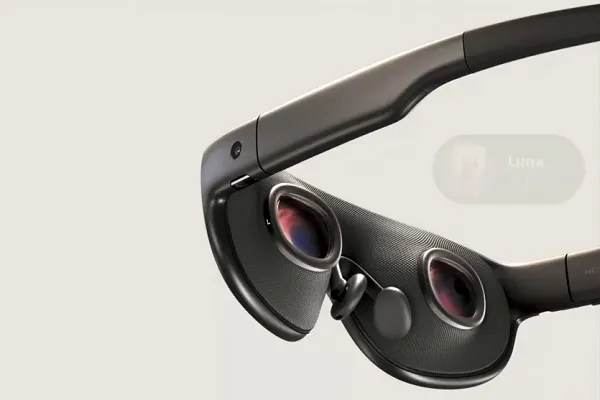
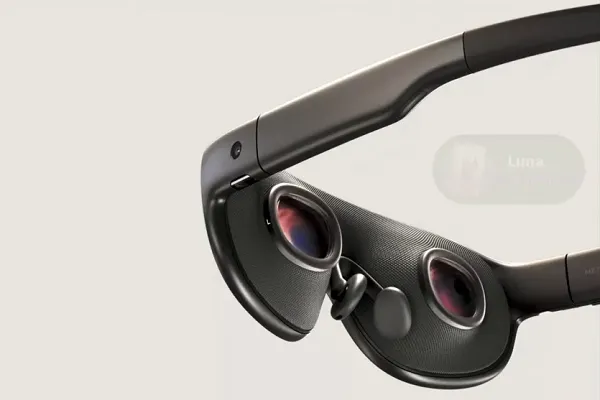
The existence of the new hardware came to light following a discovery by prominent virtual reality researcher @Lunayian, who uncovered and shared a short video file embedded within a recently updated HorizonOS Prescription Lens firmware package. According to reports from specialized industry outlets such as Road to VR, the leaked asset depicts Meta’s upcoming Phoenix mixed reality headset. This device appears to represent a significant evolutionary step for the company’s hardware ecosystem, bridging the gap between standalone virtual reality and advanced passthrough-based mixed reality.
The Phoenix headset is widely believed to be positioned as the successor to Meta’s popular consumer-focused Quest line of VR headsets. The leak arrives at a critical juncture for the company, as industry observers have spent much of the past year questioning whether Meta was scaling back its costly virtual reality investments in favor of trendier, less cumbersome AI wearables. However, the HorizonOS firmware inclusion demonstrates that Meta’s Reality Labs division continues to push forward with heavy research and development in immersive headset form factors, steadily integrating artificial intelligence into its broader hardware architecture to create a more unified connective ecosystem.
A Diversified Hardware Roadmap: From Phoenix to Hypernova and Aria
The unveiling of the Phoenix headset is just one piece of a much larger, highly diversified hardware puzzle at Meta. The corporation is currently juggling multiple concurrent product pipelines designed to capture different segments of the burgeoning spatial computing and smart wearables markets.
Among these heavily anticipated devices are the Meta Hypernova AI glasses, which industry insiders expect to serve as the direct commercial evolution of the company’s existing AI-powered smart eyewear. Unlike bulky, early-stage research prototypes, the Hypernova line aims to strike a delicate balance between everyday fashion and computational utility, incorporating subtle visual displays and localized AI assistants.
Parallel to the Hypernova project is the continuation of Meta’s Aria AR research initiative. The Aria devices, characterized by their notably chunky black frames, have long served as internal testbeds for spatial audio, outward-facing cameras, sensor suites, and advanced simultaneous localization and mapping (SLAM) technologies. While earlier iterations of the Aria hardware were strictly restricted to internal researchers and select academic partners, the technological learnings derived from these frames are systematically filtering down into commercial-facing products.
By maintaining parallel development tracks for fully immersive mixed reality headsets like Phoenix and lightweight everyday eyewear like Hypernova and Aria, Meta is hedging its bets on how consumers will choose to interact with digital environments over the next decade. The company’s overarching strategy hinges on the belief that glasses and visors will eventually replace smartphones as the primary form factor for online connectivity, social interaction, and productivity.

The Rise, Fall, and Scrutiny of AI Smart Glasses
While Meta’s hardware aspirations are technologically ambitious, the company faces an increasingly complex maze of regulatory challenges, consumer backlash, and legal hurdles that threaten to derail its commercial momentum. The core of this friction stems from the rapid market adoption and subsequent controversy surrounding Meta’s recording-enabled AI smart glasses, which feature discreet cameras capable of capturing high-definition video and interacting with multimodal AI models in real time.
In recent months, public sentiment toward recording-enabled eyewear has soured significantly. Privacy advocates and everyday consumers have raised alarm bells over the potential for non-consensual surveillance, particularly in public spaces, private businesses, and sensitive environments. This growing wave of negative sentiment has resulted in spontaneous consumer pushback, with several retail establishments, bars, gyms, and entertainment venues preemptively banning smart glasses from their premises.
Furthermore, the legal and regulatory pressure on Meta has intensified on an international scale. Regulatory bodies in both the United States and the United Kingdom have opened formal investigations into Meta’s AI smart glasses to determine whether the devices adequately protect user privacy, provide sufficient notice to bystanders being recorded, and comply with strict local data protection laws such as the General Data Protection Regulation (GDPR).
These ongoing investigations carry profound implications for Meta’s commercial strategy. If regulatory authorities mandate strict hardware or software modifications—such as more prominent recording indicator lights, mandatory privacy lockouts in certain zones, or tighter restrictions on how visual data is processed and stored—Meta could be forced to alter its product design fundamentally. Such changes could impair the user experience, inflate production costs, and ultimately dampen consumer demand just as the product category is beginning to gain mainstream traction.
The Strategic Importance of the Upcoming Meta Connect Showcase
Despite these immediate regulatory roadblocks and privacy controversies, Meta shows no signs of slowing down its hardware development cadence. The company views spatial computing, augmented reality, and artificial intelligence as interdependent pillars of its future business model, ensuring that research into lightweight, high-performance headsets and glasses remains a top corporate priority.
Industry analysts and technology enthusiasts will not have to wait long for official updates regarding Meta’s hardware roadmap. The company is scheduled to host its highly anticipated Meta Connect showcase later this month. The annual conference traditionally serves as Meta’s premier platform for announcing breakthrough consumer hardware, demonstrating software advancements in HorizonOS, and outlining Mark Zuckerberg’s long-term vision for the metaverse and artificial intelligence integration.
During the upcoming Meta Connect event, executives are widely expected to address the development status of next-generation mixed reality hardware, potentially providing the first official glimpses, technical specifications, or release windows for devices related to the leaked Phoenix headset. Additionally, further clarity may be provided regarding the commercial rollout of the Hypernova AI glasses and how Meta plans to navigate the mounting privacy concerns and regulatory investigations shadowing its current wearable portfolio.
As Meta prepares to present its latest innovations to the public, the stakes could not be higher. The company must successfully balance the immense commercial potential of its AI wearables and mixed reality headsets with a growing imperative to address valid public privacy concerns. How Meta navigates these competing pressures during the Meta Connect showcase and throughout the coming year will likely determine whether its vision of a seamlessly interconnected, spatial computing future ultimately becomes a mainstream reality or stalls under the weight of regulatory resistance.
Related posts: