Denominación de Origen: The Sausage-Fueled Cultural Phenomenon Redefining Chilean Cinema

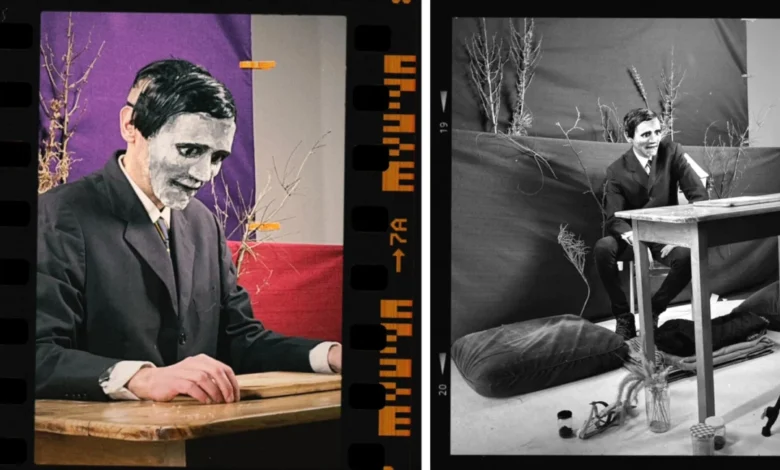
Tomás Alzamora’s microbudget comedic documentary Denominación de Origen has emerged as the most significant success story in the Chilean film industry for the 2025 calendar year. The film, which centers on a bizarre and spirited uprising in the rural town of San Carlos regarding the local production of longaniza, managed to capture the national imagination, drawing over 100,000 spectators to theaters—a remarkable achievement for an independent production in a market typically dominated by international blockbusters. As the film prepares for its digital premiere on Mubi across Chile and select Latin American territories this week, the spotlight has shifted to one of its most striking aesthetic components: a surreal, stop-motion sequence directed by Simón Bucher that anchors the film’s central narrative conflict.
The Genesis of a Culinary Mythos
At the heart of the film lies a struggle over “denominación de origen,” a legal designation intended to protect the authenticity of regional products. In San Carlos, the longaniza is not merely food; it is a point of local pride, civic identity, and the catalyst for a grassroots rebellion against bureaucratic red tape. To illustrate the dubious, almost mythical history of the sausage, director Tomás Alzamora commissioned Simón Bucher to create a sequence that functions as a visual creation myth.
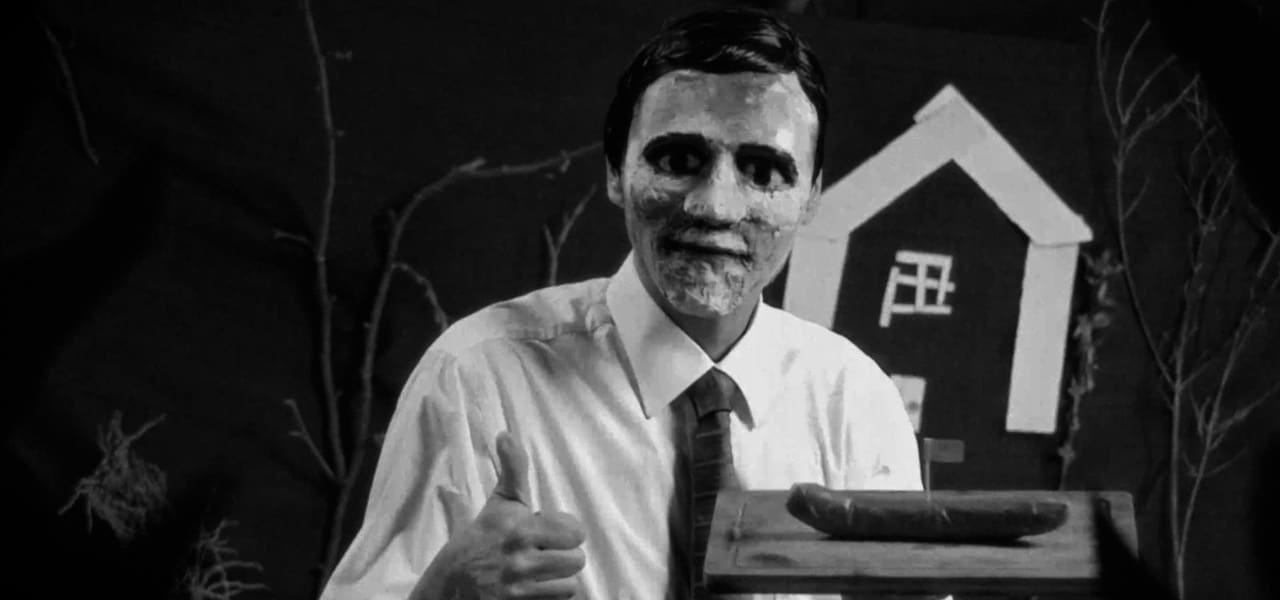
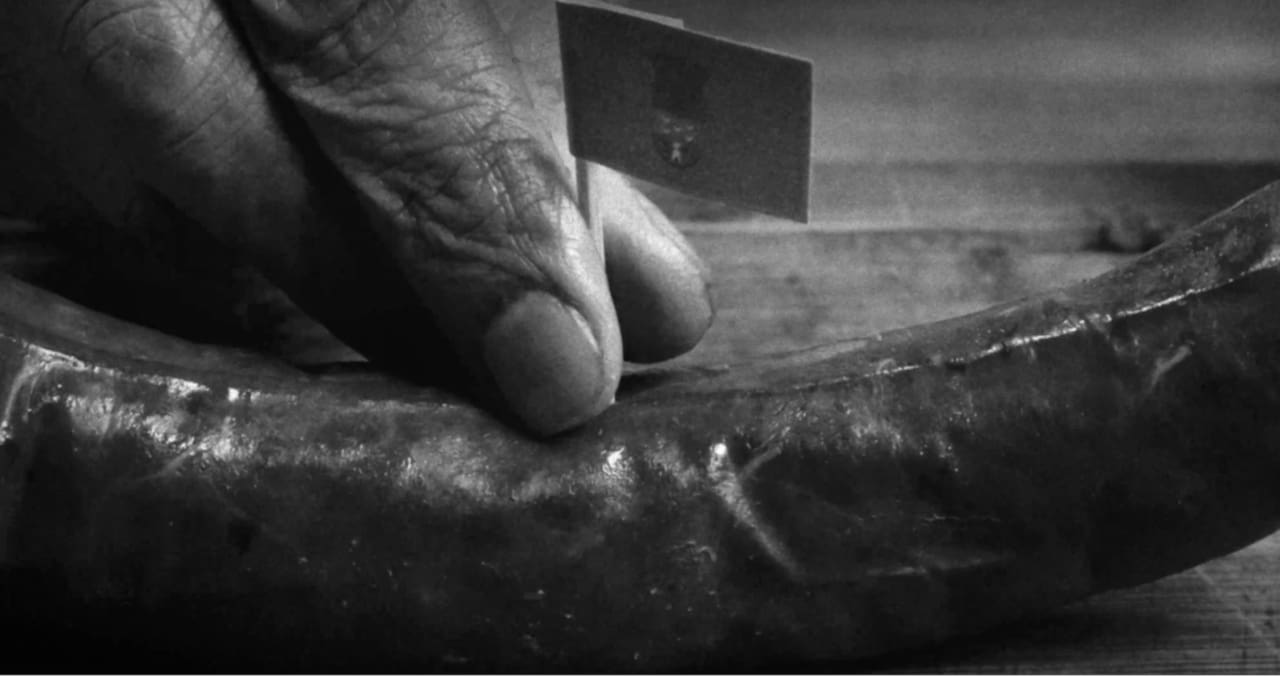
The resulting black-and-white, grainy stop-motion sequence acts as a stylistic pivot within the documentary. It transports the audience into what appears to be a faded family photograph, blending chilling masks, earth, metal, and traditional rural symbols into a dreamlike tapestry. Bucher’s work serves to bridge the gap between the film’s documentary reality and the absurdity of the local legend, providing a tactile, visceral explanation for why the townsfolk of San Carlos are willing to engage in a full-scale civic revolt to protect their culinary heritage.
A Career Forged in the Shadow of Masters
Simón Bucher’s trajectory toward this project was influenced by his early exposure to the vanguard of Chilean animation. While studying audiovisual direction at the Pontifical Catholic University of Chile, Bucher secured an internship at the Santiago-based studio Pista B. It was here that he worked alongside the acclaimed duo Cristóbal León and Joaquín Cociña, the creative minds behind the internationally recognized stop-motion features The Wolf House and Los Huesos.
The mentorship and creative environment provided by León and Cociña were transformative for Bucher. He identifies The Wolf House as a foundational text in his development, noting that the duo’s unconventional approach to narrative and medium left an indelible mark on his own practice. Following his time at Pista B, Bucher solidified his reputation with the 2023 pixilation horror short The Feast, co-directed with Claudia Saldivia and Amanda Rivera. The project was a critical success, screening at the Annecy International Animation Film Festival and securing spots at over 40 film festivals globally.

The professional bridge between Bucher and Alzamora was built at the Ñuble National Film Festival, where The Feast was showcased. Upon seeing the short, Alzamora—who founded and directs the festival—recognized a synergy between his own narrative ambitions and Bucher’s distinct visual style. The subsequent collaboration was characterized by a high degree of artistic autonomy, with Alzamora providing the thematic framework and Bucher executing the vision through his unique stop-motion methodology.
The Mechanics of Memory and Materiality
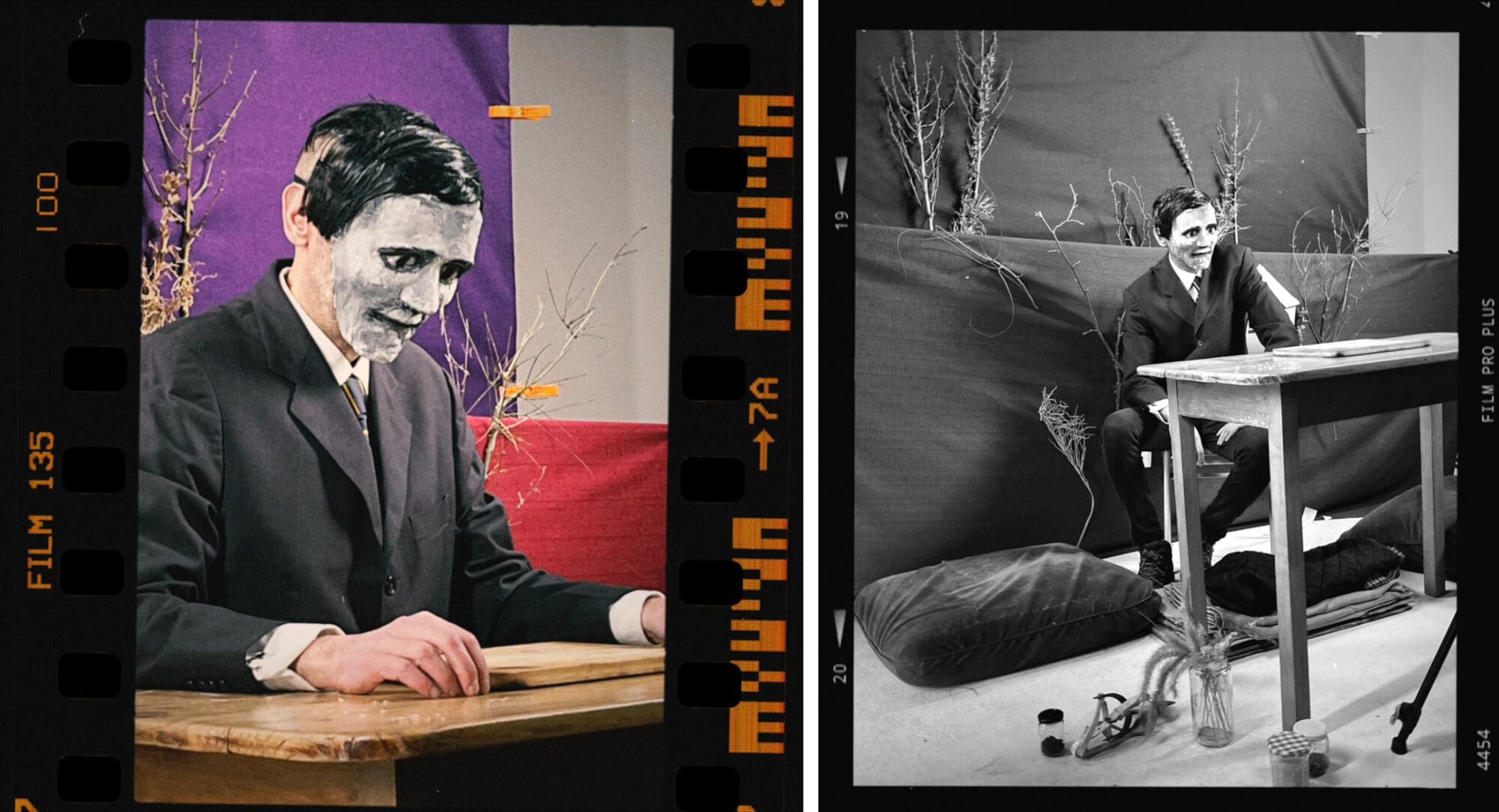
Bucher’s creative process is deeply rooted in the physical world. For the Denominación de Origen sequence, he was tasked with visualizing a photograph of the purported inventor of the San Carlos longaniza. The blurred, enigmatic nature of the original image—which, in a nod to the film’s blurring of documentary and fiction, is actually a photograph of Alzamora’s grandfather—offered a blank slate for creative interpretation.
“I wanted it to feel as if we were looking at an old photo, or looking through one,” Bucher stated. The decision to use black-and-white, high-contrast imagery and pixilation was deliberate, designed to simulate a photograph from the early 20th century. By incorporating masks and everyday rural objects—spurs, horseshoes, and soil—into the animation, Bucher created a surreal representation of the past that feels both archaic and tangible. The sequence does not seek to provide a literal historical account, but rather a sensory experience of the myth-making process that fuels the town’s pride.
Survivalist Animation: The Latin American Context
Bucher is acutely aware of the logistical challenges inherent in Latin American animation. Unlike his peers in European or North American markets, he operates within a system that frequently demands “survivalist” creativity. This often involves the use of recycled or repurposed materials, a constraint that Bucher views as a strength rather than a limitation.
“Our art comes more from surviving,” he explains. “We have to animate with what we have.” This approach manifests in a style that is intentionally raw, emphasizing the human labor behind the work. Bucher believes that in an era increasingly saturated with AI-generated content, there is a growing audience appetite for the “imperfections” of human craftsmanship. He argues that fingerprints, frame shifts, and minor inconsistencies are not technical failures but essential elements that provide the work with its soul.
The Counter-Cultural Shift Against AI
As the global film industry grapples with the integration of generative AI, Bucher remains a staunch advocate for traditional, physical animation processes. He perceives a clear dichotomy between the pursuit of digital perfection and the tactile, “dirty” aesthetic of his own work.
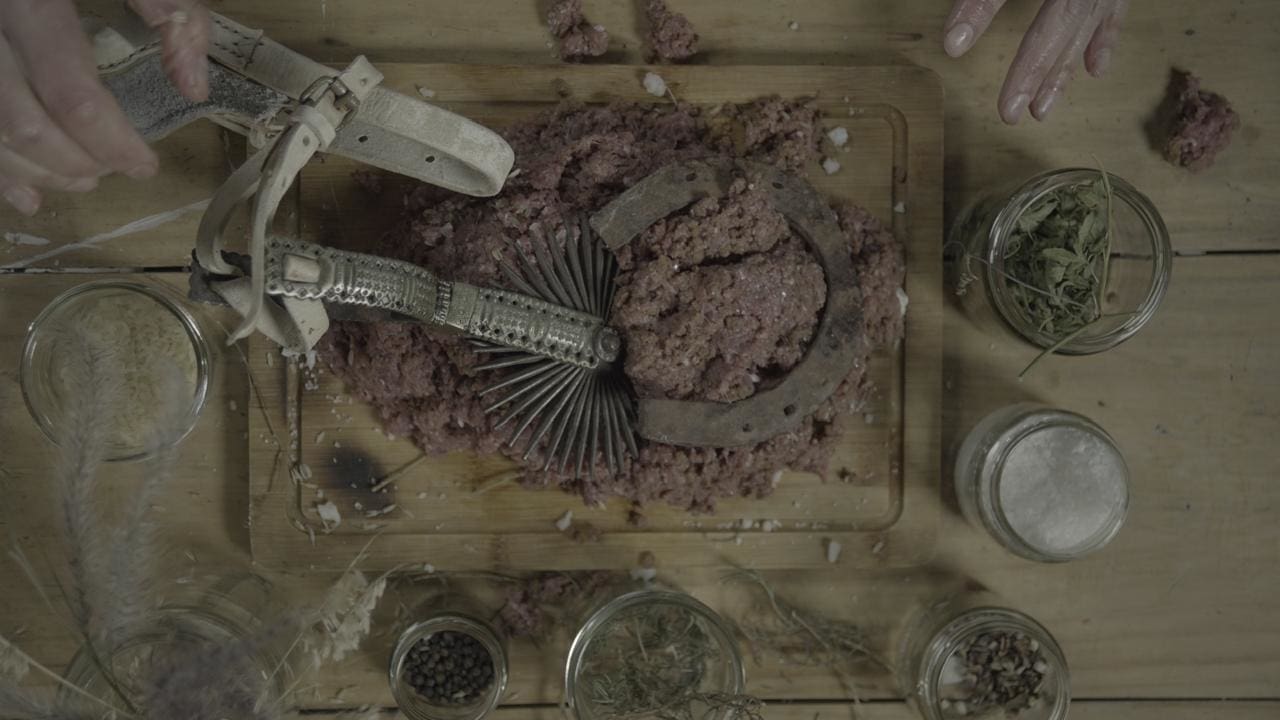
“There will be a point when AI levels off,” Bucher predicts, “and the counterculture—stop motion and everything physical—will rise again because we’ll want to consume things that are human.” For Bucher, the act of physically handling materials and recording the process is a radical response to the homogenization of visual media. By encouraging his team to “embrace the error,” he ensures that the final product remains anchored in the physical reality of the people who created it, a philosophy that resonates with the grounded, community-focused narrative of Denominación de Origen.
The Impact of a National Success
The success of Denominación de Origen at the box office is indicative of a broader shift in Chilean cinema, where audiences are increasingly connecting with stories that reflect local identity and rural idiosyncrasies. The film’s premiere at the Valdivia International Film Festival served as a watershed moment, with audiences reacting with palpable enthusiasm to a narrative that balances comedic elements with a serious exploration of regional heritage.
The economic implications are also significant. By achieving such high attendance figures with a microbudget, the film demonstrates the viability of regional filmmaking in Chile, potentially paving the way for further investment in projects that prioritize local stories over international templates.
Future Trajectory
Simón Bucher shows no signs of slowing down. Following his work on Denominación de Origen, he has completed the short film Gacela Gazette, a collaboration with Cote Ramirez. Currently, he is in development on his first animated feature, L4IK4, which he is co-directing with Raimundo Bucher. The project, currently in its early stages, is expected to be an ambitious hybrid of 3D animation, stop motion, and pixilation.
As Denominación de Origen reaches a wider audience via its upcoming Mubi release, the spotlight remains firmly on the collaborative efforts of creators like Bucher and Alzamora. Their work stands as a testament to the power of independent, tactile storytelling to transcend local boundaries and capture a national, and perhaps global, audience’s attention. Through the lens of a sausage-based rebellion, they have succeeded in documenting not just a historical curiosity, but the vibrant, evolving nature of Chilean culture itself.