The State of Global Design: What the iF DESIGN AWARD Reveals About the Future of Innovation and Industry Standards


For over seven decades, the trajectory of international design has been quietly charted by the projects that rise above the noise of global competition. Each year, the prestigious iF DESIGN AWARD subjects thousands of submissions from every corner of the globe to an exhaustive, two-stage evaluation process. Led by an independent panel of more than 130 international design authorities, this meticulous screening goes far beyond celebrating individual creativity. Instead, it offers a definitive cross-section of what the absolute pinnacle of design looks like today—and establishes the benchmark for where the entire industry is heading tomorrow.
The scale of the competition alone ensures its status as a premier global barometer. Spanning 93 distinct categories across nine core disciplines—including architecture, interior architecture, product design, packaging, branding, service design, user experience (UX), and user interface (UI) (UI)—the award captures the breathtaking breadth of contemporary innovation. When such diverse industries are funneled through a single, uncompromising standard of excellence, the resulting winners form a collective snapshot of where technical execution is strongest, where consumer and enterprise expectations are rising, and how the fundamental definition of good design is continuously evolving.
A Rigorous Evaluation Framework
What distinguishes the iF DESIGN AWARD from countless other accolades is its multi-dimensional evaluation criteria. The jury does not merely assess whether an object is visually striking or performs its intended function efficiently. Instead, entries are scrutinized against a balanced framework that weighs form, function, differentiation, and sustainability equally.
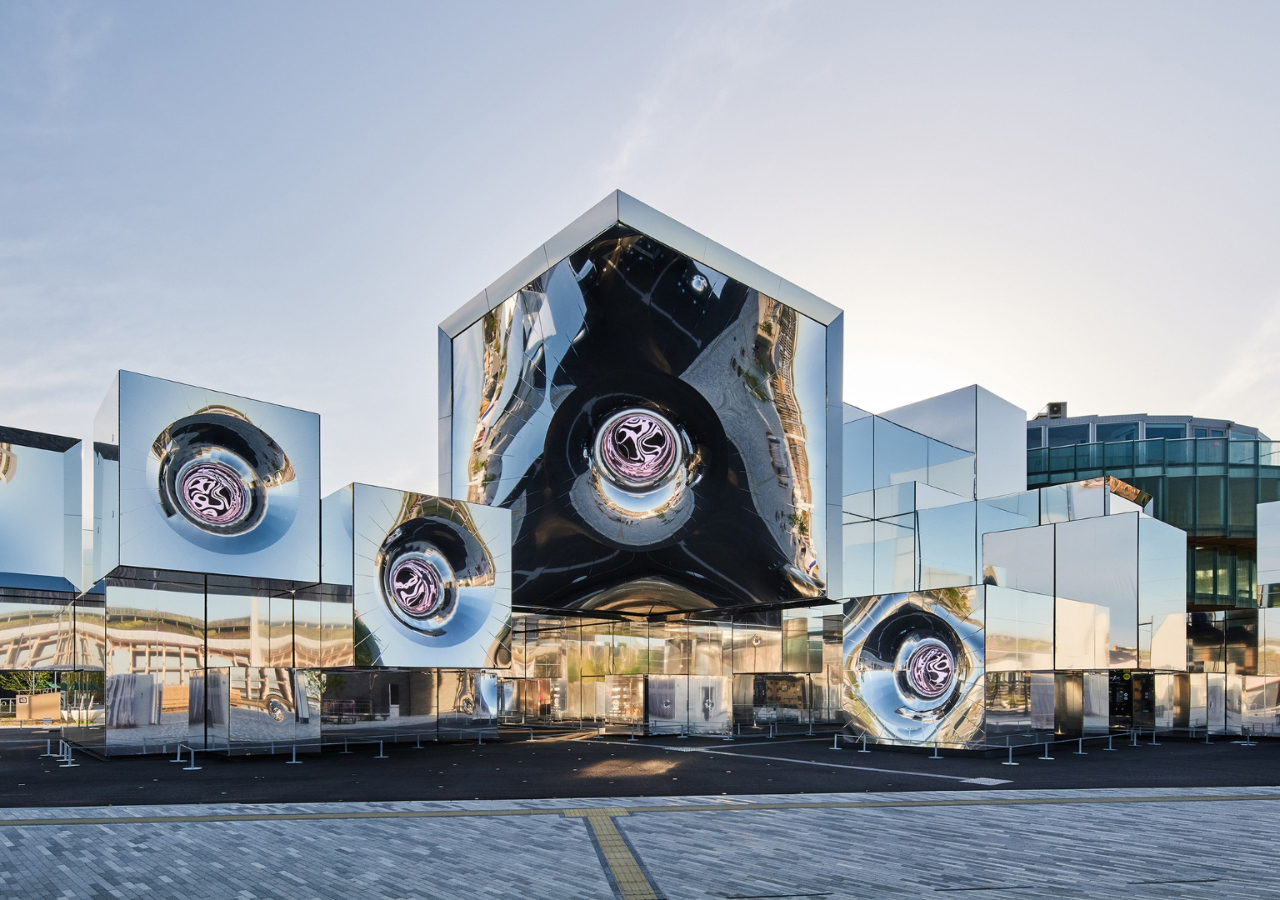
In the modern landscape, sustainability is no longer viewed as a peripheral add-on, a marketing buzzword, or a standalone category. Rather, environmental responsibility is integrated as an intrinsic benchmark of outstanding design itself. A product cannot achieve top-tier status simply by looking sleek if its material sourcing, lifecycle impact, and manufacturing processes fail to meet contemporary ecological demands. By embedding sustainability into the core grading rubric, the award ensures that winning projects address the complex realities of our changing planet.
The Strategic Value of Recognition
Because the vetting process is exceptionally rigorous, securing an iF DESIGN AWARD carries immense professional weight. For major multinational corporations, innovative startups, and independent creative studios alike, the designation serves as a powerful validation of their strategic vision.
Michael Seum, Vice President of Global Design at Kohler Co., notes that being recognized by the iF DESIGN AWARD functions as a “powerful endorsement” of a brand’s design philosophy. According to Seum, the validation of an international jury powerfully affirms “the strategic value of design as a differentiator.” In a crowded global marketplace where commoditization is a constant threat, this distinction does much more than boost public visibility. It formally places a company’s work among the elite cohort of projects currently defining international excellence.
A Rich History of Setting Standards

Established more than 70 years ago, the iF DESIGN AWARD has maintained its reputation for integrity and authority through decades of profound technological and cultural shifts. From the advent of the digital age to the current era of artificial intelligence and circular economies, the institution has continually adapted its categories to reflect the expanding scope of design.
By consistently holding the line on quality, the competition creates a moving target of excellence. Designers and brands do not look to past winners to replicate them; rather, they study them to understand the baseline of what is possible, pushing past those boundaries to establish new paradigms. For ambitious creative teams, the award represents the ultimate proving ground.
Key Dates and Deadlines for the iF DESIGN AWARD 2027
As the design community looks toward the future, the submission cycle for the upcoming cycle is officially underway. Organizations, independent designers, agencies, and in-house studios seeking to measure their strongest work against the global benchmark have two primary windows to enter the iF DESIGN AWARD 2027.
The Regular Deadline is set for September 18, 2026. Submitting by this initial date reduces the entry fee to €400 per entry. Crucially, participants can submit basic entry information during initial registration and complete the comprehensive project materials later before the final deadlines close. For those requiring additional time, the Last Chance Deadline is scheduled for November 2, 2026, with an entry fee of €500 per project.
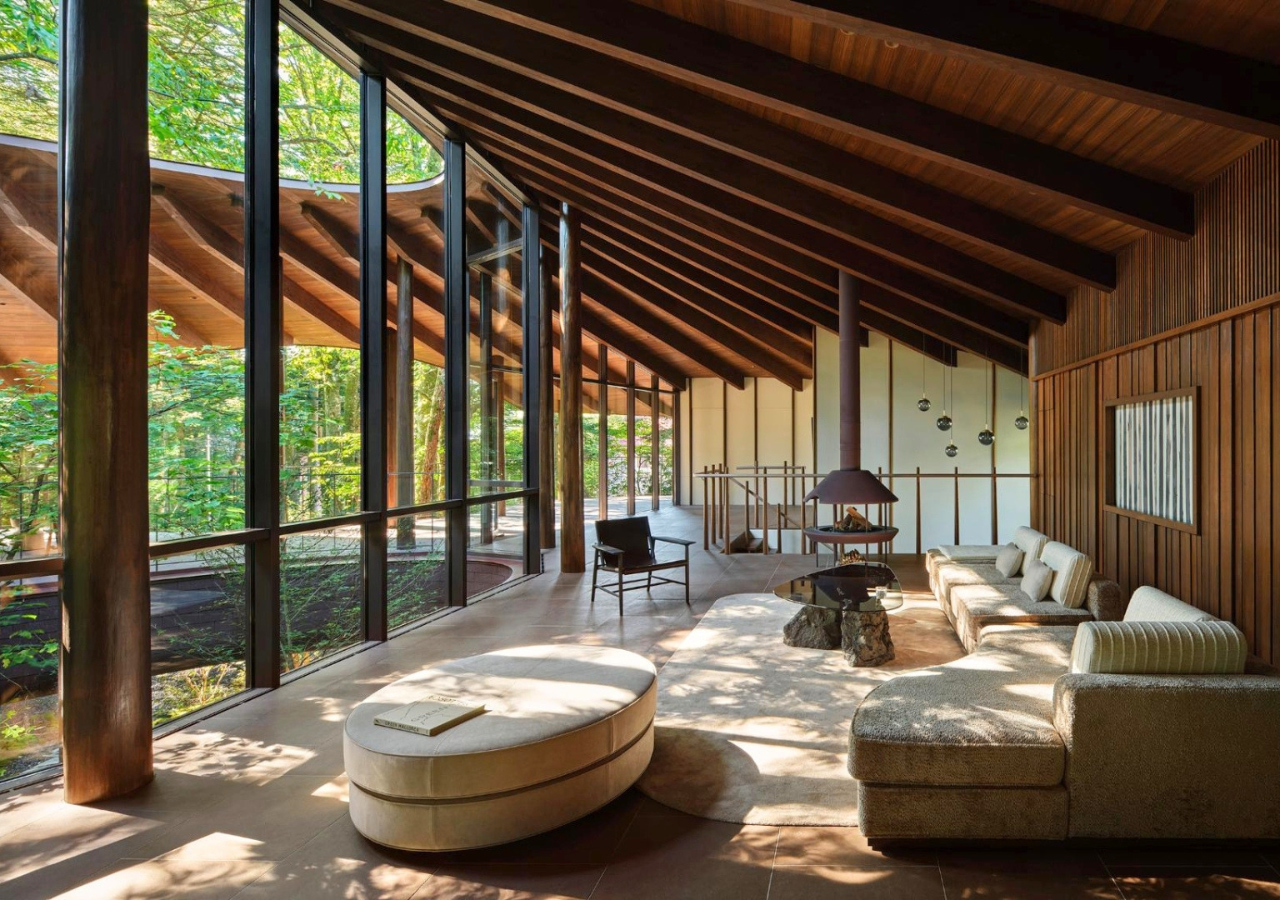
Broader Implications for the Creative Industries
The opening of entries for the 2027 cycle invites a broader reflection on the current state of the global creative economy. As industries grapple with economic uncertainty, rapid technological disruption, and pressing environmental challenges, the role of design has never been more critical. Design is no longer confined to the aesthetics of a physical object or the layout of a digital interface; it is a fundamental driver of business strategy, social impact, and sustainable transformation.
When the winners of the 2027 cycle are eventually announced, they will offer more than just a gallery of beautiful things. They will provide a map for navigating the future—demonstrating how human ingenuity, rigorous methodology, and uncompromising standards can converge to solve the world’s most complex problems. For those ready to step up to the global stage, the competition offers a rare opportunity to help write the next chapter of design history.