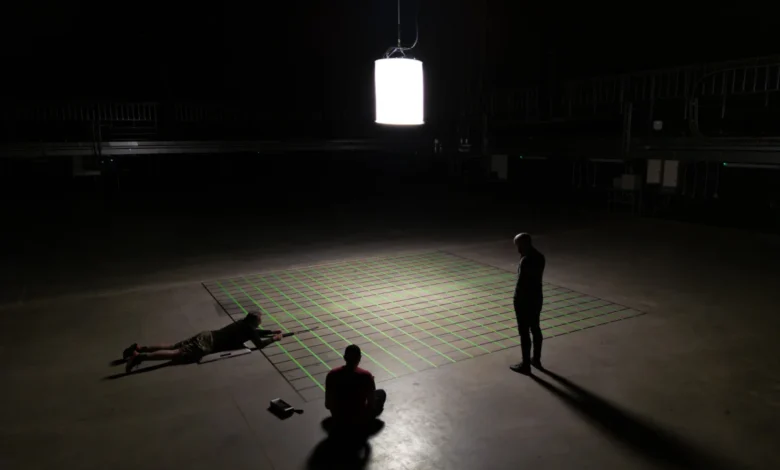
The professional cinematography industry has long relied on the classic "spacelight"—a cylindrical, hanging fixture typically equipped with multiple tungsten bulbs—to provide expansive, overhead fill lighting for large studio sets. However, the operational drawbacks of these legacy systems, including significant heat output, massive power consumption, and cumbersome rigging requirements, have necessitated a modern evolution. Litepanels, a Vitec Group brand known for pioneering LED solutions, has officially addressed these industry pain points with the introduction of its new Space Light Kit, specifically engineered to integrate with the high-output Gemini 2×1 Hard LED panel. This release represents a significant shift in studio infrastructure, promising to bridge the gap between traditional light quality and the efficiency of modern LED technology.
The Evolution of Studio Lighting Technology
For decades, tungsten spacelights were the gold standard for creating the "top fill" or "soft wash" look required in television studios and film soundstages. These fixtures, often containing 6,000 to 12,000 watts of incandescent power, created a distinctive quality of light that was soft, omnidirectional, and capable of covering vast areas. However, the physical reality of using these lights was often arduous. A single tungsten spacelight could easily overwhelm a studio’s power distribution grid, requiring heavy-duty cabling and sophisticated dimming systems to manage the load.
Furthermore, the heat generated by incandescent bulbs presented a major challenge for climate control in enclosed studio spaces. Maintaining a comfortable temperature for cast and crew while running dozens of traditional spacelights often resulted in skyrocketing HVAC costs and noise interference from air conditioning units. The introduction of the Litepanels Gemini 2×1 Hard into this environment marks a departure from these constraints. By utilizing the Gemini 2×1 Hard—a fixture already celebrated for its intense output and precise color rendering—as the light engine for a specialized housing, Litepanels has effectively modernized the spacelight form factor.
Technical Specifications and Operational Efficiency
The core innovation of the Litepanels Space Light Kit lies in its ability to leverage the Gemini 2×1 Hard’s optical engine while minimizing the power footprint. According to internal benchmarks provided by Litepanels, the system achieves up to a 90% reduction in power consumption compared to traditional tungsten equivalents. This is a transformative metric for production managers; a studio that previously required massive power distribution can now operate a full array of overhead lights on standard, lower-amperage circuits.
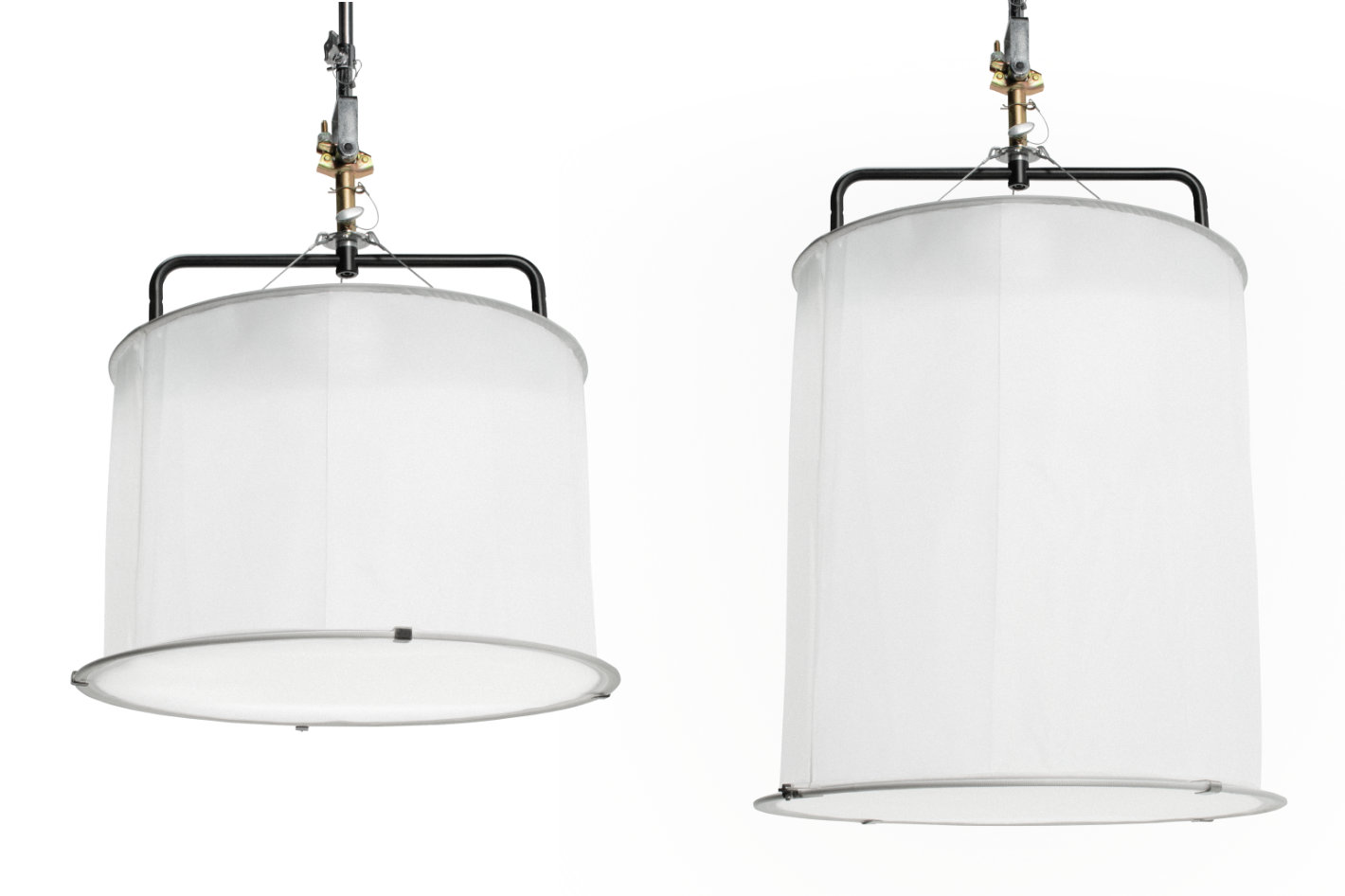
The kit is available in two configurations—Long and Short—allowing lighting designers to tailor the light distribution to the specific vertical clearance of a studio or the specific aesthetic requirements of a scene. The "Hard" in the Gemini 2×1 Hard refers to the fixture’s high-intensity output, which, when diffused through the Space Light housing, creates a soft, directional wash. Unlike traditional tungsten, which is limited by the fixed color temperature of the filament, the Gemini 2×1 Hard offers full RGBWW control. This allows cinematographers to adjust color temperature (CCT) from 2,700K to 10,000K, as well as manipulate plus/minus green and full-spectrum color, directly from the light source.
Chronology of LED Integration in Studio Environments
The transition toward LED lighting in professional studio environments has been a gradual, decade-long process. The following timeline outlines the shift that has led to the development of specialized kits like the one for the Gemini 2×1 Hard:
- 2010–2014: The Early Adoption Phase. LED panels began appearing on sets, primarily as small, battery-powered fill lights. They were praised for their low heat but often criticized for poor color rendering and limited output compared to HMI or tungsten fixtures.
- 2015–2018: The RGB Revolution. Manufacturers began integrating RGB color-mixing technology. This period saw the rise of the first high-output LED panels that could realistically compete with traditional fixtures in terms of CRI (Color Rendering Index) and TLCI (Television Lighting Consistency Index).
- 2019–2022: The "Hard" Light Era. Technology advanced to allow LEDs to produce "hard" light—a collimated, high-intensity beam—rather than the soft, diffuse output that characterized early panels. The Gemini 2×1 Hard was a key player in this phase.
- 2023–Present: Infrastructure Integration. The industry has moved beyond merely replacing individual heads; the focus is now on replacing complete rigging systems, such as the spacelight, with purpose-built LED kits that integrate seamlessly into existing studio architecture.
Analyzing the Impact on Set Operations
The adoption of the Litepanels Space Light Kit has implications that extend beyond electricity savings. The reduction in weight is a critical factor for studio rigging. Because the Gemini 2×1 Hard is significantly lighter than a full-size tungsten spacelight array, the structural burden on studio ceilings and motorized lighting grids is substantially reduced. This allows for faster rigging times and, in some cases, the ability to fly more fixtures in a tighter configuration than would be safe with legacy gear.
From a workflow perspective, the ability to control the light via DMX or wireless protocols (such as LumenRadio CRMX) provides lighting directors with unprecedented control. In a traditional setup, adjusting a tungsten spacelight might require a crew member to climb a ladder or use a lift. With the Gemini-based kit, every aspect of the light—intensity, color, and strobe effects—can be managed remotely from a lighting console. This not only increases safety by reducing time spent on ladders but also allows for real-time creative adjustments during a take.
Economic and Sustainability Implications
The 90% power saving metric is not merely a theoretical benefit; it is a financial imperative for modern production houses. With energy prices fluctuating and a growing industry-wide push for "Green Production" initiatives, the ability to lower the carbon footprint of a studio set is becoming a competitive advantage. Major studios and streaming platforms are increasingly mandating sustainable practices, and the shift toward LED-based overhead lighting is a low-hanging fruit in the effort to meet these goals.
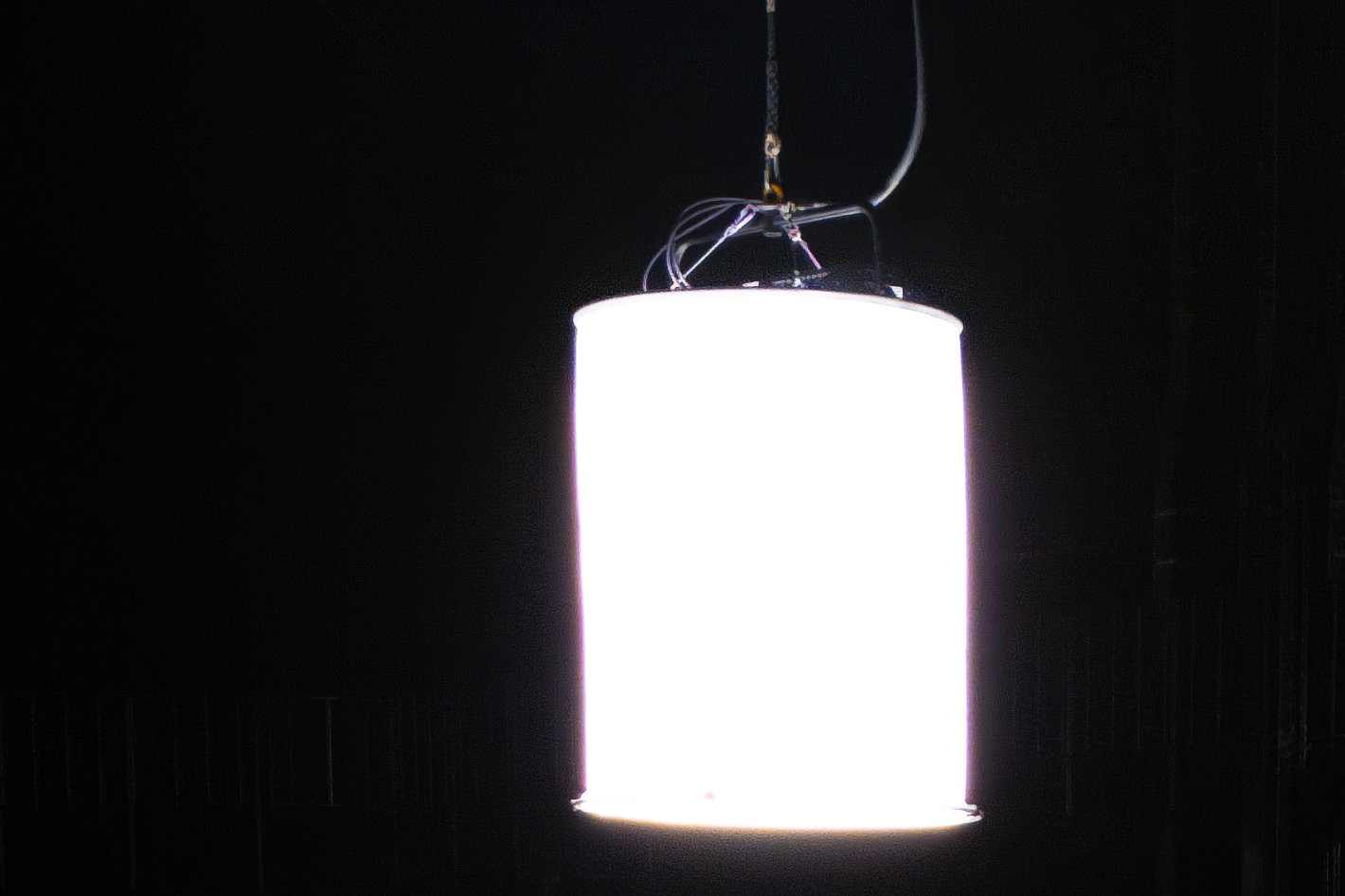
Furthermore, the longevity of the LEDs themselves serves as an economic stabilizer. Tungsten bulbs are consumables that require frequent replacement, especially when operated in the inverted position common with spacelights, which can lead to premature filament failure due to heat buildup. The Gemini 2×1 Hard, by contrast, boasts an operational life span that dwarfs traditional incandescent bulbs, significantly reducing the "Total Cost of Ownership" (TCO) for rental houses and studio owners.
Industry Reaction and Future Outlook
While professional cinematographers are often hesitant to abandon the familiar color characteristics of tungsten, the consensus in the lighting community is that high-end LED solutions have reached a point of parity. The Gemini 2×1 Hard has been widely praised for its ability to mimic the "feel" of traditional light while providing the spectral accuracy required for modern 4K and 8K high-dynamic-range (HDR) cinematography.
The release of this kit suggests a future where the studio "look" is increasingly defined by digital precision. As Litepanels continues to refine its ecosystem of accessories, the barrier to entry for high-quality, efficient studio lighting continues to lower. Future developments may focus on further integrating these systems with automated camera-tracking software or AI-driven lighting controllers, further cementing the role of the Gemini 2×1 Hard as a cornerstone of the modern studio ecosystem.
Ultimately, the Litepanels Space Light Kit is more than just a new housing for an existing light; it is a signal that the industry has fully embraced the transition to LED. By combining the high output of the Gemini 2×1 Hard with the classic, proven form factor of the spacelight, Litepanels has created a product that honors the traditions of film lighting while providing the efficiency and versatility required for the next generation of content production. Whether for television broadcasts, film production, or large-scale virtual production environments, this kit represents a pragmatic and sophisticated solution to one of the most enduring challenges in studio lighting design.