Unearthing Soundscapes: Mr. Bill Discusses the Process Behind Mr. Melanzana and Massive X

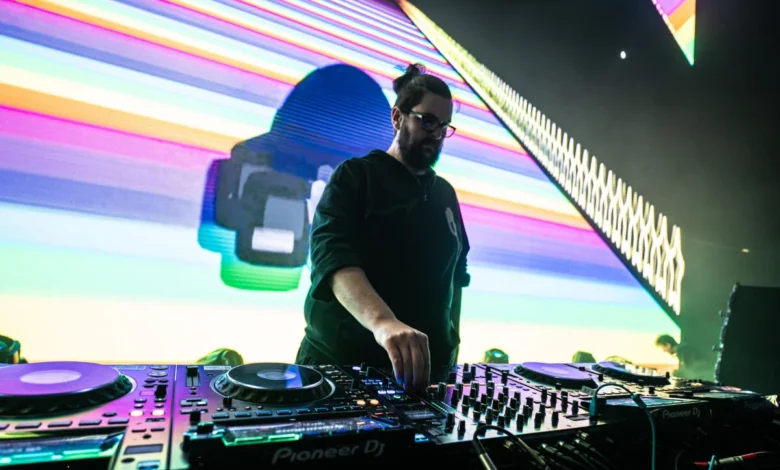
Electronic music production has long balanced the tension between rigid technical precision and fluid human expression. Few contemporary producers navigate this dynamic quite as fluidly as Bill, globally recognized by his moniker Mr. Bill. Renowned across the electronic music community as both an innovative artist and a preeminent educator, his pedagogical footprint spans countless masterclasses, production courses, and online tutorials. His latest body of work, the multifaceted album Mr. Melanzana, represents a masterclass in this philosophy, uniting technical curiosity with raw, unfiltered emotion. Conceived alongside his ambitious audiovisual performance Sequenza di Melanzane—which was meticulously designed and premiered for Tipper’s historic final residency at the iconic Red Rocks Amphitheatre—the album oscillates between profound melancholy and kinetic playfulness. At the core of this auditory journey is an intricate sound design process built not on rigid blueprints, but on organic discovery, leveraging sophisticated tools such as Native Instruments’ Massive X to chart unfamiliar sonic territory.
The Genesis and Context of Mr. Melanzana
To fully understand the weight of Mr. Melanzana, one must examine the environment from which it emerged. Tipper’s final run of shows at Red Rocks represented a watershed moment within the experimental bass and electronic music community. For an artist of Mr. Bill’s caliber, providing the sonic and visual accompaniment for such a monumental event required an unprecedented scale of creative output. Sequenza di Melanzane was not merely a companion piece to a live set; it served as the conceptual anvil upon which the entire album was forged.

The project reflects a distinct shift in how modern electronic albums are conceptualized. Rather than entering the studio with a predetermined tracklist, a strict narrative arc, or a fixed genre classification, Mr. Bill approached the canvas of Massive X with a child-like sense of inquiry. In contemporary electronic music production, where modern Digital Audio Workstations (DAWs) and complex synthesizers often encourage over-engineering and sterile perfectionism, Mr. Bill’s workflow relies heavily on controlled chaos and intuition. His methodology rejects the notion that a complex synthesizer like Massive X must be locked down into rigid, pre-programmed patches. Instead, he treats the instrument as an active participant in the creative dialogue, allowing unexpected waveforms, unintended modulation side-effects, and happy accidents to dictate the structural direction of a composition.
Decoding the Non-Linear Production Workflow
The creation of electronic music often follows a traditional, linear trajectory: establishing a tempo, writing a chord progression, building a foundational beat, and layering sound design over the framework. Mr. Bill’s approach subverts this conventional wisdom entirely. By his own admission, his workflow is intentionally non-linear and disjointed. When initiating a new project, he rarely possesses a preconceived vision of the final product.
Instead, his creative engine runs on iterative questioning: inquiring what happens if a specific parameter is pushed to its absolute limit, or how a simple wavetable interacts with an unconventional modulation routing. This method of exploration prioritizes the timbre and texture of the sound above all else. According to Mr. Bill, the sonic palette frequently dictates the emotional narrative of a track, rather than the melody dictating the sound design. By establishing a unique textural foundation early in the synthesis phase, the subsequent melodies and harmonies organically inherit a distinct emotional context.
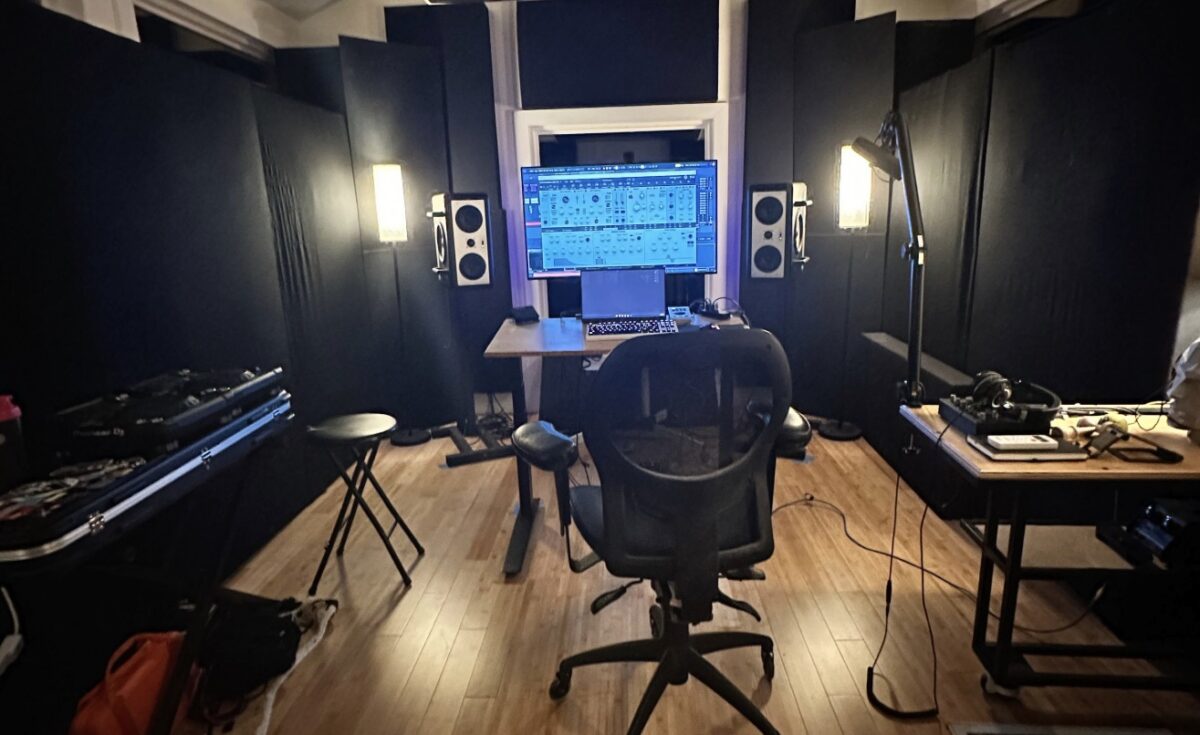
This philosophy challenges modern production trends that heavily emphasize preset reliance and rapid turnaround times. By taking the time to deeply interrogate how individual parameters interact within a complex architecture like Massive X, producers can unlock entirely original sonic signatures. The resulting compositions feel cohesive precisely because they share a common thread of genuine exploration, even if the artist did not explicitly realize they were assembling an album until a critical mass of approximately seventy percent of the tracks had already been completed and naturally grouped together as a stylistic family.
Mastering Complex Synthesizers: The Role of Massive X
Native Instruments’ Massive X has established itself as an industry benchmark for advanced software synthesis, prized for its routing flexibility, innovative oscillator section, and deep modulation matrix. However, its immense complexity can occasionally overwhelm even seasoned producers, leading to patches that prioritize technical wizardry over musical storytelling. Mr. Bill bridges this gap by decoupling synthesis complexity from emotional delivery.
For Mr. Bill, true storytelling in electronic music remains anchored in fundamental composition: melody, harmony, and structural pacing. A synthesizer patch, regardless of how meticulously designed or modulation-heavy it might be, serves merely as a vessel to convey those core emotional components. The psychological impact of a melodic line played through a massive, detuned supersaw wave versus a dusty, compressed acoustic piano emulation highlights how timbre alters human perception.
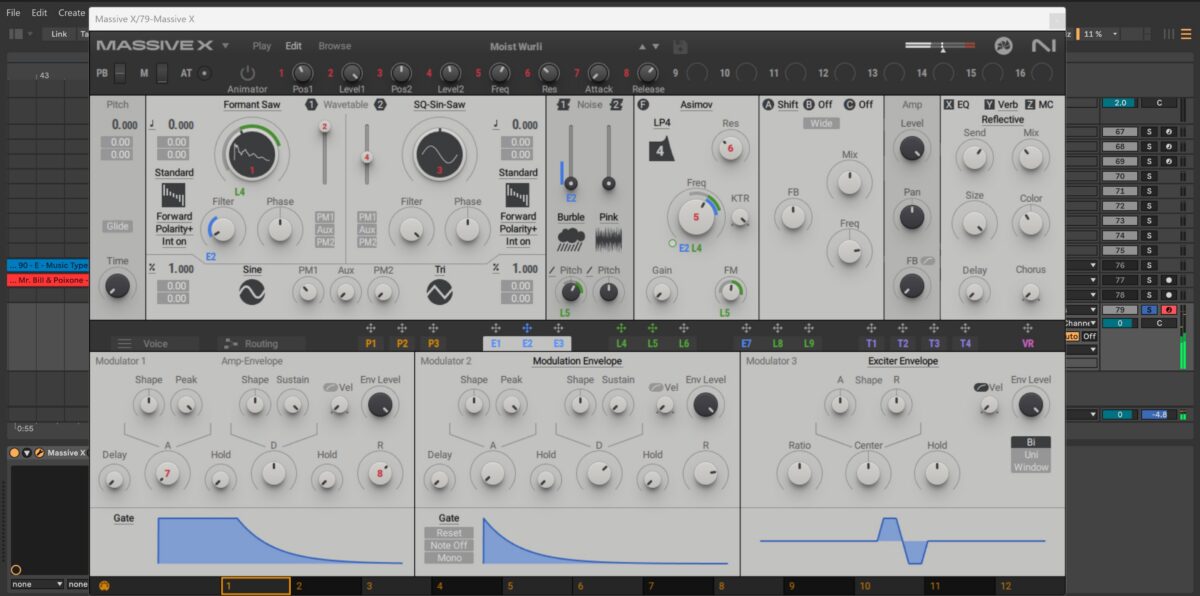
To achieve this integration without losing the listener in a sea of sterile automation, Mr. Bill relies on specific, highly targeted synthesis techniques. Among his core technical strategies is the application of microscopic, subtle modulation to inject life into otherwise static digital sounds. For instance, introducing a minute amount—roughly one percent—of fast, approximately 60 Hz sample-and-hold modulation to parameters such as pitch, filter cutoffs, or oscillator warp modes introduces an organic layer of analog-style instability. Even when starting with a mathematically pure waveform like a simple sine wave, this subtle destabilization mimics the natural physical drift found in vintage analog hardware.
Furthermore, Mr. Bill highlights the underutilized potential of alternative sound sources within modern software synthesizers, pointing specifically to the noise tables within Massive X’s dedicated Noise Oscillator. Textures such as the "Burble" and "Bubble" wavetables provide immediate access to watery, organic, and unpredictable acoustic behaviors that would otherwise require extensive field recording or multi-layered processing chains. Another favored technique involves routing short, sharp amplitude envelopes to modulate oscillator pitch subtly, granting modern electronic leads and plucks an immediate sense of mechanical punch and transient snap without necessitating external transient-shaping plugins.
The Psychology of Emotional Resonance in Sound Design
As the electronic music landscape grows increasingly saturated with algorithmic production tutorials and standardized mixing templates, the ability to imbue a track with genuine emotional resonance becomes an elusive commodity. Producers frequently fall into the trap of engineering tracks that sound objectively "good"—possessing clean low-end translation, wide stereo imaging, and pristine mix-downs—while entirely failing to evoke a visceral human response.
Mr. Bill addresses this creative hurdle by relying on a physiological benchmark rather than a visual metering standard. For him, a piece of music is only officially succeeding when it triggers a specific, physical sensation: an internal emotional tickle, a surge of genuine excitement, or a distinct sensation of his ears compressing slightly under the weight of the musical moment. The moment that physical reaction occurs, the analytical phase of mixing and sound design ceases, and the work transitions from a technical exercise into a living, breathing song.
This philosophy extends directly into his approach to modern sound design education. Newer producers frequently make the mistake of assuming that complex sound design inherently equates to narrative storytelling. Unless an artist is deliberately incorporating contextual foley recordings—such as the sequential sound of a heavy door slamming shut, followed by the flick of a cigarette lighter, and bleeding into an ominous, echoing pad to establish a cinematic scene—sound design in isolation rarely tells a literal story. Instead, storytelling is an emergent property born from the intersection of harmony, rhythm, timbre, and personal intuition.
Broader Industry Implications and the Future of Electronic Music Production
The release of Mr. Melanzana and the accompanying educational insights from Mr. Bill arrive at a pivotal juncture for the music technology industry. As artificial intelligence tools begin to infiltrate sample generation, automated mixing, and automated chord progression writing, the human element of electronic music production faces a philosophical crossroads.
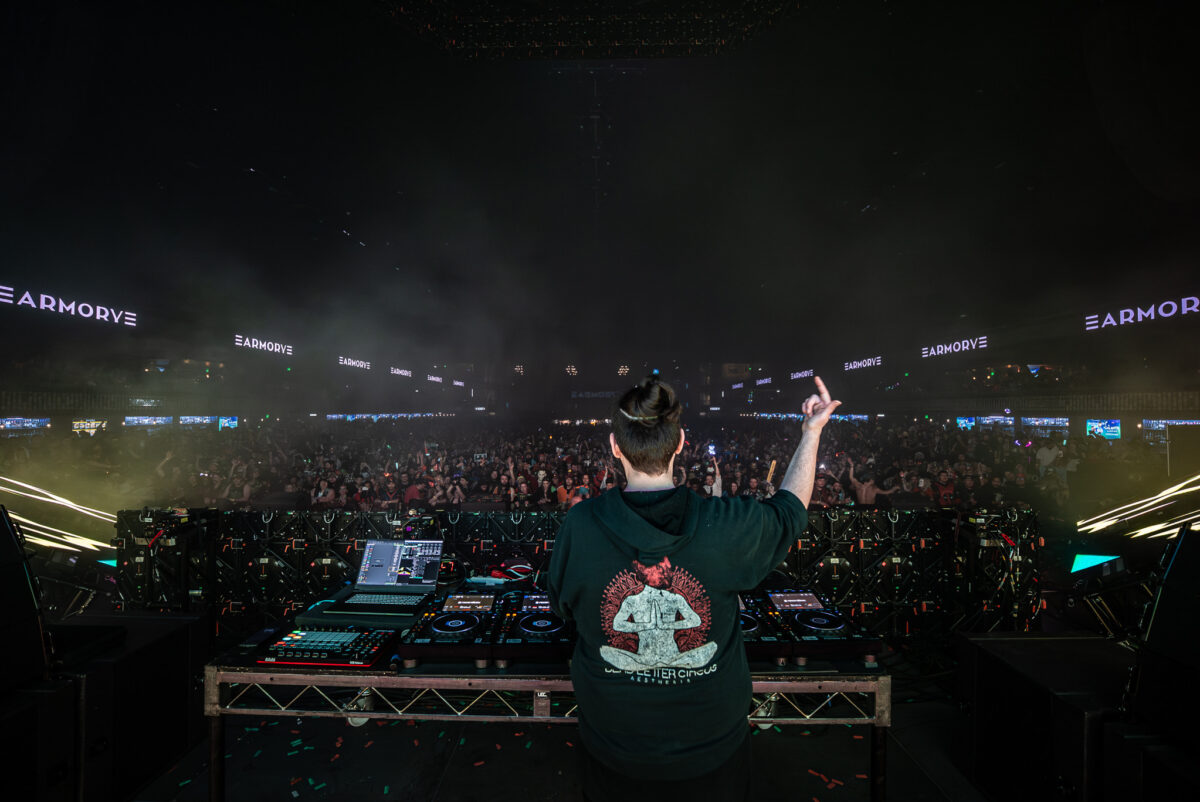
Artists and educators who champion a process-oriented workflow—where the journey of discovery is valued above the final commercial product—offer a vital counterweight to the pressures of rapid content output. By treating Massive X as an expansive canvas rather than a preset machine, Mr. Bill demonstrates that the future of electronic music relies not on automating the creative process away, but on deepening the creator’s intimate relationship with the tools at hand.
The inclusion of free, custom-tailored Massive X presets alongside this release further underscores a commitment to community mentorship that has defined Mr. Bill’s career. By lowering the barrier to entry for complex, organic sound design, he empowers a new generation of bedroom producers to bypass the frustration of standard wavetable synthesis and dive straight into experimental sound creation.
Ultimately, Mr. Melanzana stands as a testament to the enduring power of creative curiosity. It reminds the global electronic music community that when the pressure to achieve immediate commercial validation is stripped away, the studio becomes a laboratory for pure discovery. For producers navigating an increasingly crowded and automated landscape, Mr. Bill’s methodology offers a clear roadmap: build a workflow you genuinely enjoy, follow your instincts into the unknown, and let the tools surprise you.
Related posts: