Xbox Explores Ad-Supported Cloud Gaming, Signaling Potential Shift in Console Business Models

The gaming industry is at a pivotal juncture, with the once-dominant physical disc format facing obsolescence and new monetization strategies emerging at a rapid pace. Following the widely reported trend of games shifting to digital-only releases, exemplified by the anticipation surrounding Grand Theft Auto VI, the very foundation of console gaming may be on the cusp of a significant transformation. This evolution is underscored by recent developments from Xbox, which has begun testing an ad-supported model for cloud gaming, potentially paving the way for players to access their owned game libraries without the necessity of a paid subscription.
The Dawn of Ad-Supported Cloud Gaming
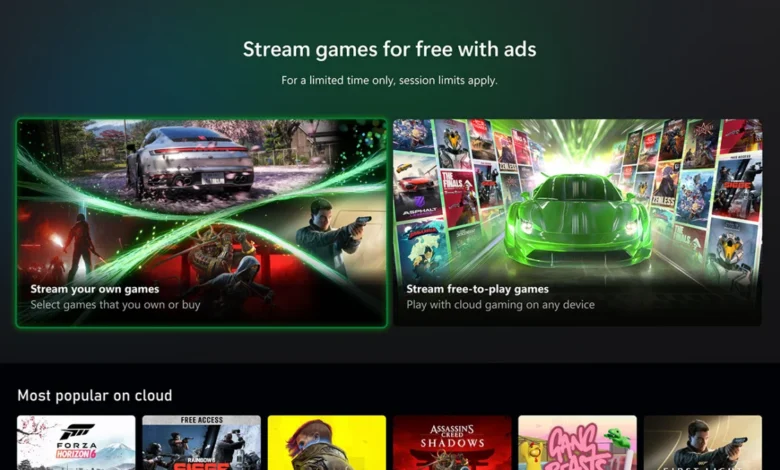
Xbox recently initiated a limited-time test for its Xbox Insiders, allowing them to stream select games from their owned libraries without a Game Pass subscription. This experimental phase, currently accessible only to a select group of users, represents a significant departure from the established subscription-based model for cloud gaming services. According to an Xbox source speaking with The Hollywood Reporter, participants in the test can stream their purchased games for free, with the caveat of approximately two minutes of advertisements preceding gameplay.
The ad-supported sessions are capped at one hour, and players wishing to continue their gaming experience beyond this initial timeframe will be presented with an additional two minutes of advertising for each subsequent hour-long slot. This innovative approach aims to democratize access to cloud gaming, potentially lowering the barrier to entry for a wider audience. The announcement emphasizes that these ad-supported streams will be available across supported devices and regions, broadening the reach of this new model.
Expanding Access Through Cloud Gaming
Cloud gaming technology has rapidly advanced, offering players the flexibility to enjoy their games on a variety of devices. The compatible devices for this experimental ad-supported service include Xbox consoles (Xbox One and newer), supported smart televisions from brands like Samsung and LG, VR headsets, Windows PCs, tablets, and mobile devices. This broad compatibility highlights the potential for gaming to become truly ubiquitous, transcending the traditional limitations of dedicated gaming hardware.
It is crucial to distinguish this new ad-supported cloud streaming from simply remotely accessing one’s console. While remote access allows players to play their games from afar, it still necessitates the initial setup and ownership of a console. Cloud gaming, on the other hand, streams the game directly from remote servers, eliminating the need for powerful local hardware and enabling play on less capable devices. This distinction is vital in understanding the accessibility benefits of Xbox’s new initiative.
For existing Xbox Game Pass subscribers, this development does not alter their current benefits. Subscribers can already stream and download games from the Game Pass library across the aforementioned supported devices without advertisements. Game Pass tiers range from $9.99 to $22.99 per month, with unlimited cloud gaming included in all subscription levels. The ad-supported model, therefore, appears to be a complementary offering designed to attract a new segment of gamers who may not be willing or able to commit to a monthly subscription.
The Rationale Behind the Shift: Affordability and Expanded Audiences
Xbox has framed this experimental ad-supported cloud gaming initiative as being "all in the name of affordability." The company’s announcement highlights a long-standing presence of advertising within the gaming industry, from in-game product placements to the prevalent free-to-play models. However, Xbox asserts that their approach aims to integrate advertising in a way that prioritizes the player experience.
"Advertising has existed in gaming for decades, from in-game placements to free-to-play models," the Xbox announcement states. "But it hasn’t always been built with the player in mind. When done well, advertising can help lower the cost of access. It creates another way for players to get into games without an upfront streaming purchase and expands audiences through new ways to play." This statement suggests a strategic move to tap into a market segment that is price-sensitive or has not yet fully embraced subscription services for gaming.
Furthermore, Xbox emphasized the importance of brands integrating seamlessly into the gaming experience. "For brands, this only works if showing up here adds to the experience, not takes away from it," the announcement read, indicating a commitment to ensuring advertisements are not intrusive or detrimental to the overall enjoyment of the game. This suggests a potential for more contextually relevant and perhaps even interactive advertising, rather than generic interruptions.
Xbox’s Principles for Advertising
Xbox has outlined five core principles that will guide its advertising program:
- Player-Centricity: Advertising should enhance, not detract from, the player experience. This implies a focus on relevance and non-intrusiveness.
- Transparency: Players should be informed about how their data is being used for advertising purposes. This addresses growing concerns about privacy in the digital age.
- Control: Players should have some degree of control over the advertising they see, potentially through opt-out options or preference settings.
- Value Exchange: Advertising should provide a tangible benefit to the player, such as access to free content or services, in return for their attention.
- Brand Responsibility: Advertisers must adhere to ethical standards and ensure their campaigns are appropriate for the gaming audience.
These principles signal a thoughtful approach to integrating advertising into the gaming ecosystem, aiming to balance the commercial interests of Xbox and its partners with the expectations and preferences of its player base.
The Xbox Insider Program: A Testing Ground for Innovation
The Xbox Insider Program, through which this ad-supported cloud gaming test is being conducted, serves as a crucial feedback mechanism for Microsoft’s gaming division. The program is relatively accessible, requiring users to download the Xbox Insider Hub app and select the relevant preview program, such as "Xbox Update Preview" or "PC Gaming." Participants must be 18 years or older.
The primary objective of the Insider Program is to gather valuable feedback on upcoming updates, features, and games still in development. By engaging with a dedicated community of players, Xbox can identify potential issues, refine user experiences, and gauge the reception of new concepts before a wider public release. This iterative process of testing and feedback is critical for the successful launch of any new service or feature, especially one as potentially impactful as ad-supported cloud gaming.
Broader Implications for the Gaming Landscape
The implications of Xbox’s foray into ad-supported cloud gaming are far-reaching and could signal a significant shift in how games are accessed and monetized.
The Decline of Physical Media and the Rise of Digital Consumption
The trend towards digital-only games, as highlighted by the anticipation for Grand Theft Auto VI and the potential for future consoles to eschew physical disc drives entirely (as speculated for PlayStation in 2028), underscores a broader industry movement. Physical media, once the cornerstone of game distribution, is steadily being replaced by digital downloads and streaming services. This shift not only impacts game sales models but also influences how players store and access their game libraries. The ad-supported cloud model further accelerates this transition by offering an alternative to outright purchase or subscription for access to games.
Diversifying Revenue Streams in Gaming
For years, the gaming industry has relied heavily on upfront game sales and, more recently, subscription services like Xbox Game Pass and PlayStation Plus. The introduction of advertising into cloud gaming represents a potential diversification of revenue streams. This could allow companies to offer more accessible entry points into their ecosystems, attracting players who might otherwise be priced out. It also presents new opportunities for brands to reach a highly engaged and often affluent demographic.
The Future of Console Business Models
This experimental move by Xbox raises questions about the long-term business models of console manufacturers. As hardware costs continue to rise and the lifespan of consoles extends, companies are exploring ways to generate ongoing revenue beyond initial hardware sales. Subscription services have proven highly successful, but the ad-supported model offers a different avenue. If successful, it could lead to a future where players have more choices: outright purchase of digital games, subscription access to large libraries, or ad-supported access to owned titles.
Potential Challenges and Player Reception
While the move towards affordability and expanded access is a positive aspect, the integration of advertising into gaming is not without its challenges. Player reception will be a critical factor. Many gamers are accustomed to an ad-free experience, particularly when they have purchased games or subscribed to services. Intrusive or poorly implemented advertising could lead to backlash and negatively impact player satisfaction. Xbox’s stated commitment to a "player-centric" approach will be put to the test.
Furthermore, the effectiveness of advertising within gaming depends on the quality and context of the ads. Brands will need to ensure their advertisements resonate with the gaming audience and add value rather than disrupt the experience. The success of this model will likely hinge on Xbox’s ability to strike a delicate balance between generating revenue and maintaining a positive player experience.
Conclusion
Xbox’s test of ad-supported cloud gaming marks a significant moment in the evolution of the video game industry. As the sector continues its rapid digital transformation, this initiative explores new avenues for accessibility and monetization. While the full impact of this experiment remains to be seen, it signals a potential paradigm shift in how players engage with their gaming libraries and underscores the industry’s ongoing quest for innovative business models that cater to a diverse and evolving player base. The coming months, and the feedback from Xbox Insiders, will be crucial in determining whether this ad-supported future becomes a mainstream reality.