The Evolving Landscape of Social Media Comments: A Critical Nexus for Brand Engagement and Crisis Management

The digital comment section has transcended its original role as a mere feedback mechanism, emerging as the primary conduit for a brand’s customer experience and a real-time barometer of audience sentiment. Far from being a peripheral feature, social media comments now constitute rich ecosystems that foster community, drive engagement, and facilitate audience discovery, fundamentally reshaping how brands interact with their consumer base. This shift signifies a profound transformation in digital communication, moving from a broadcast model to an interactive dialogue that demands strategic attention and agile management.
The contemporary phenomenon of "running to the comments" immediately after consuming content is deeply ingrained in the social experience, a trend that is only projected to intensify. Data from Sprout Social’s Q1 2026 Pulse Survey underscores this shift, revealing that 30% of consumers globally, and a striking 43% of Gen Z individuals, have increased their consumption of text-based social media. This surge is driven by a pronounced desire for more authentic opportunities for discussion and deeper engagement, highlighting a pivotal change in user behavior and expectation. Brands that fail to recognize and adapt to this evolving landscape risk missing out on crucial opportunities for connection and insights.
However, the immediacy and public nature of the comment section introduce a complex array of challenges. The modern consumer harbors high expectations for brands to maintain a constant, 24/7 presence, delivering rapid-fire responses to inquiries and concerns. This demand for instantaneous interaction must be meticulously balanced with the imperative of brand safety, ensuring message alignment, and adhering to established communication protocols. Navigating this intricate environment necessitates a dual-pronged approach: robust, high-impact tactical workflows for social media and customer care teams, underpinned by strategic guardrails and overarching guidance from communication leaders, designed to effectively mitigate and manage crises as they emerge.
The Indispensable Role of Social Media Comments in Brand Health
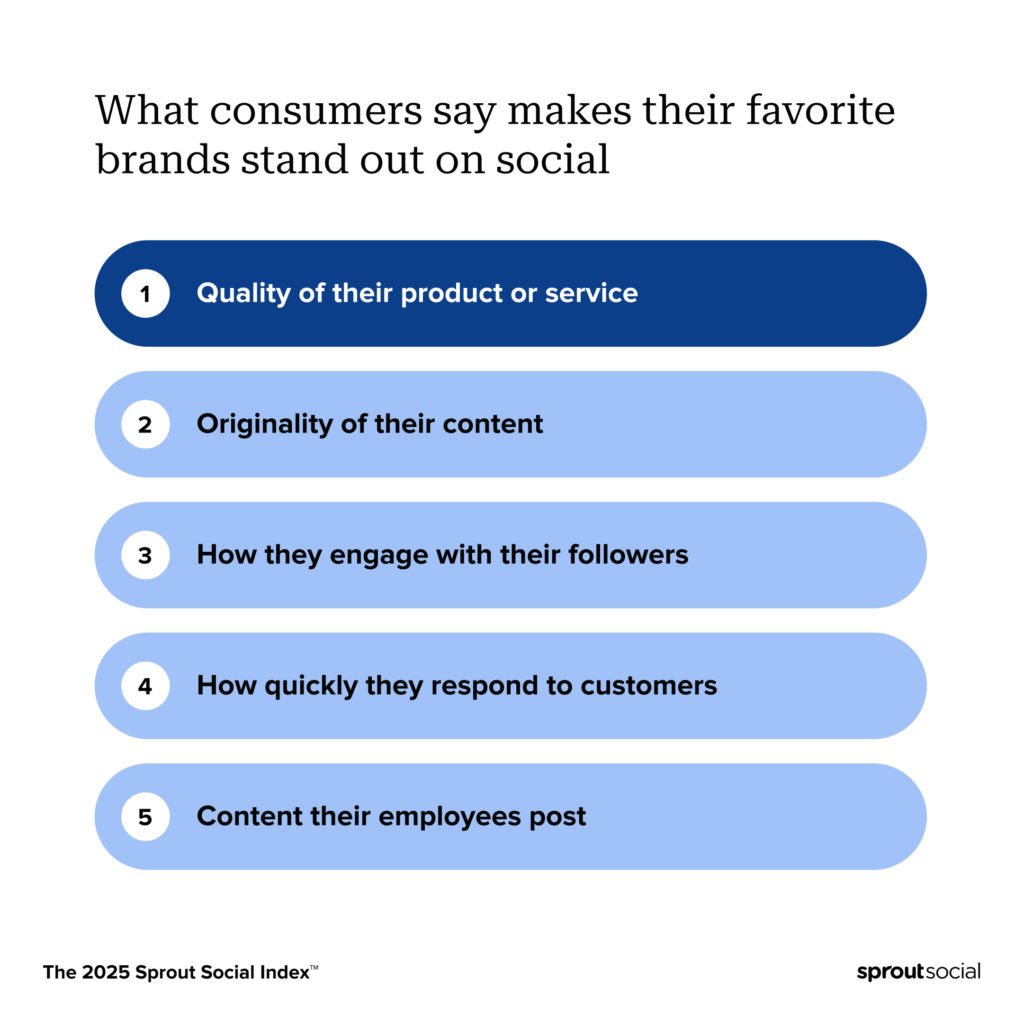
The criticality of social media comments to brand vitality is unequivocally demonstrated by contemporary market research. According to The 2025 Sprout Social Index, a staggering 73% of social media users assert that they would opt to purchase from a competitor if a brand fails to respond to their direct inquiries on social platforms. This statistic underscores a fundamental truth: prompt and meaningful engagement is no longer a luxury but a prerequisite for cultivating customer loyalty and elevating overall brand satisfaction. The implications for customer retention and market share are immense, positioning the comment section as a direct determinant of commercial success.
Beyond direct customer service, social media comments are instrumental in community building. Sprout’s Q1 2026 Pulse Survey further indicates that 27% of consumers explicitly seek community-focused content from brands. The comment section often serves as the nascent stage for online communities, providing brands with invaluable stepping stones to connect with their target demographics. By strategically leveraging these interactions, brands can transcend their commercial role, positioning themselves as authoritative thought leaders and experts within their chosen niche. A proactive and empathetic approach to feedback, both positive and negative, directly contributes to a brand’s overall health, perception, and long-term viability.
Furthermore, the influence of social media comments extends into the realm of product discovery and validation. Sprout’s Q2 2026 Pulse Survey reveals that 30% of consumers now actively favor social networks over traditional search engines when seeking product reviews and recommendations. This paradigm shift means that unfiltered customer opinions, often found within a brand’s comment section, hold significant sway over purchasing decisions. Consequently, it becomes paramount for brands to not only address social media comments but to respond in a manner that genuinely nurtures and cares for customers, transforming potential detractors into advocates and enhancing the brand’s reputation as a trustworthy and responsive entity.

Managing the Daily Influx of Social Media Interactions
Effective management of the continuous stream of social media comments, irrespective of their sentiment, requires clearly defined brand procedures. These protocols must dictate the appropriate tone, style, and content for engaging with the audience. Without a dedicated and consistent approach, brands face the significant risk of alienating their followers, fostering disengagement, or projecting inconsistent messaging that diverges from their core values and brand identity.
Strategic Approaches to Responding to Social Media Comments
When formulating responses to social media comments, brands must establish comprehensive guidelines and workflows that meticulously balance the need for speed and real-time interaction with unwavering accuracy and empathy. The dynamic and rapidly evolving nature of the social media landscape necessitates preparedness as a paramount concern. Brands must anticipate potential scenarios and equip their teams with the tools and training to react effectively.
Key considerations for addressing social media comments include:
- Timeliness: Responding quickly demonstrates attentiveness and respect for the customer’s time.
- Personalization: Avoid generic, templated responses. Address the commenter by name and reference specific details of their comment.
- Empathy and Understanding: Acknowledge their feelings, whether positive or negative. Show that you understand their perspective.
- Clarity and Conciseness: Provide direct, easy-to-understand information.
- Brand Voice: Maintain a consistent brand voice, even when addressing diverse comments.
- Call to Action (if appropriate): Guide the conversation towards a resolution, such as moving to a private message or directing them to a support resource.
- Adding Brand Flair: Brands can infuse their unique personality into responses. For instance, Studio MDHR effectively used one of their own GIFs to answer a customer question while subtly promoting their latest video content, demonstrating how brand personality can enhance engagement.
Responding to Positive Comments on Social Media
Engaging with positive comments is an integral component of cultivating and sustaining a favorable brand image. When customers express gratitude or appreciation, best practice dictates a reciprocal display of sentiment. Responses should be sincere, express genuine thanks for their time and feedback, and be highly personalized. Such gestures powerfully convey a brand’s appreciation for its customers, thereby fostering a sense of trust and community.
Furthermore, the systematic monitoring of positive comments serves as valuable internal intelligence, providing actionable insights for decision-makers across the business. This qualitative data can inform product development, marketing strategies, and even inspire new initiatives, acting as a barometer of what resonates most with the audience.
When responding to positive comments, remember to:
- Express Genuine Gratitude: A simple "Thank you!" goes a long way.
- Reinforce Positive Behavior: Acknowledge specific praise and reiterate what makes your brand stand out.
- Personalize the Interaction: Refer to their comment specifically to show you read and valued it.
- Encourage Further Engagement: Invite them to share more experiences or engage with future content.
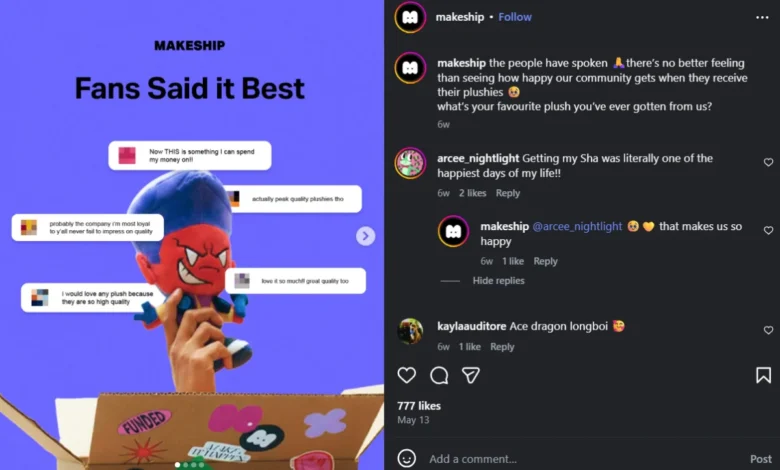
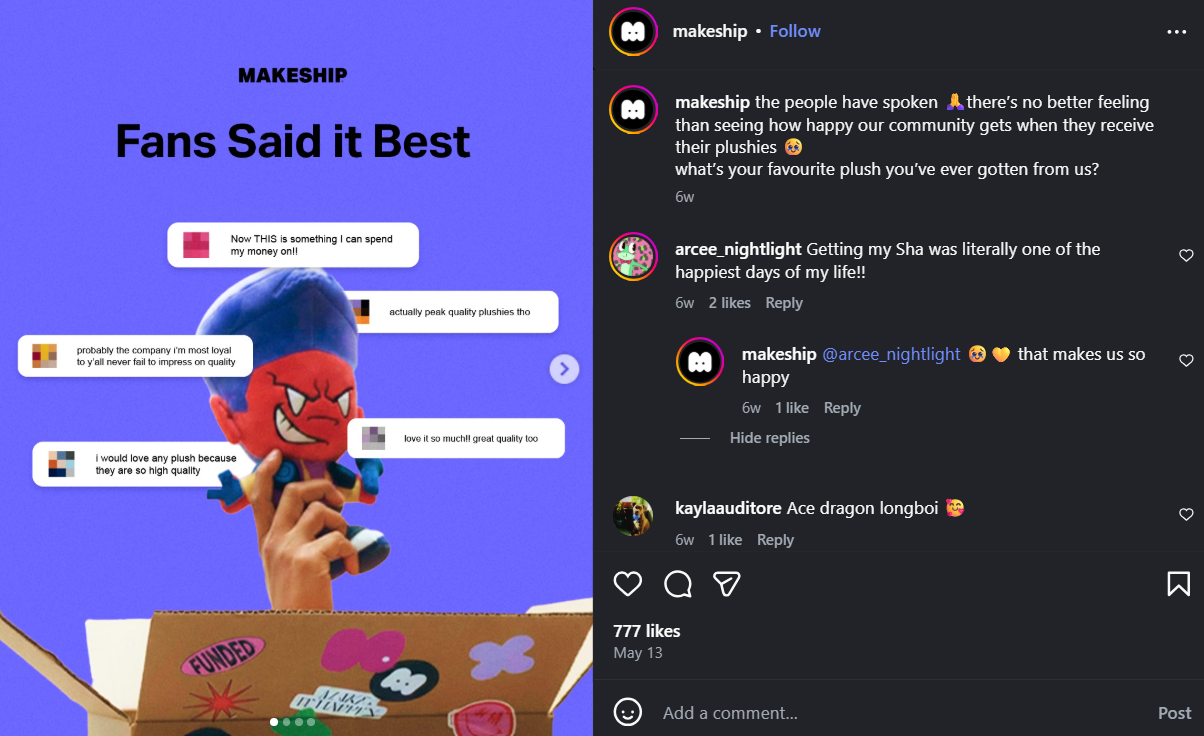
- Consider User-Generated Content: As exemplified by Makeship, which created a post spotlighting a customer’s enthusiastic comment about their plushie, positive feedback can be amplified into engaging content, further strengthening community bonds and authenticity. Their response—short, sincere, and friendly, complete with matching emojis—perfectly mirrored the customer’s energy and encouraged a deeper connection.
Addressing Negative Comments on Social Media
Negative comments can span a broad spectrum of issues, from product deficiencies to customer service experiences. Responding to such feedback with unwavering tact and empathy is paramount for maintaining brand health and reputation. A respectful, calm, and personalized approach possesses the potential to transform a disgruntled customer into a satisfied one, potentially securing repeat business and bolstering brand loyalty.
While some negative comments may represent general grievances, others necessitate a more cautious and structured approach to prevent escalation. Implementing an escalation management protocol is best practice for smoothly handling sensitive cases, preventing them from morphing into larger public relations issues. This involves clearly defined steps for identifying, assessing, and redirecting complex or volatile complaints to appropriate internal channels or senior personnel.
Here’s what to do if negative comments appear:
- Respond Promptly and Publicly (Initially): Acknowledge the comment quickly to show you are listening.
- Apologize Sincerely (if warranted): Even if the brand isn’t at fault, an apology for their experience can de-escalate tension.
- Empathize and Validate Their Concern: Show you understand their frustration.
- Offer a Solution or Next Steps: Provide clear guidance on how the issue can be resolved.
- Move to a Private Channel: For detailed problem-solving or sensitive information, request to continue the conversation via direct message, email, or phone.
- Document and Learn: Record the interaction and use it to identify systemic issues or training needs.
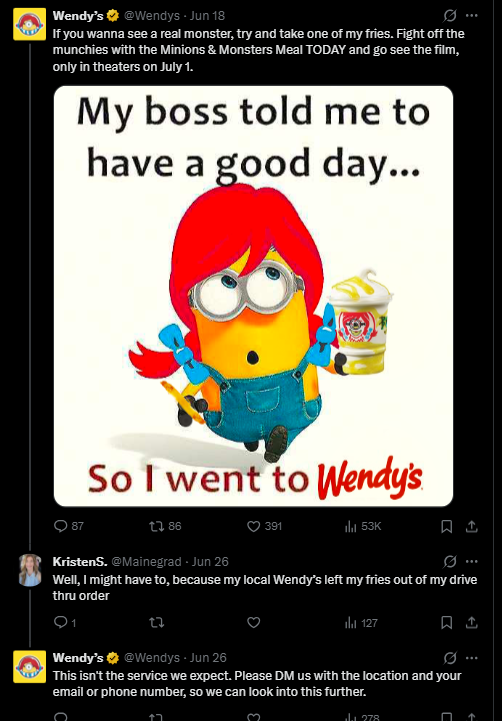
Wendy’s social media team provides an excellent illustration of effective negative comment handling. When a customer complained about missing fries from a drive-thru order, Wendy’s responded with care and empathy, swiftly moving the conversation to a private channel for resolution. This prompt action, coupled with a clear path to address the complaint, maintained high standards of customer care and protected the brand’s reputation.
Handling Offensive Comments and Hate Speech
It is crucial to differentiate between general negative feedback and offensive comments or hate speech, which aggressively target a brand or an individual. While standard complaints like late deliveries or slow customer service require careful handling, dehumanizing language, personal attacks, hate speech, and other offensive content demand a distinct approach. These instances are not merely "negative" but represent potential PR problems or even legal liabilities.

In such cases, maintaining calm and professional candor is essential. It is vital to remember that trolling often aims to provoke and upset. Brands must establish and enforce clear boundaries for inappropriate behavior, unequivocally stating that such language is unacceptable. Actions may include blocking the offending user, reporting the content to the social network platform, and, if necessary, involving legal counsel or human resources, particularly if the attacks target employees. Protecting the community and the brand’s integrity takes precedence.
Effective Comment Moderation on Social Media
To effectively manage comments, brands must appoint dedicated moderators for active online communities. These moderators require access to clear workflows and comprehensive guidelines, ensuring they understand how to implement established protocols. Utilizing tools like saved replies for frequently asked questions and implementing filters for spam and bots can significantly enhance efficiency, saving valuable time and resources. Skilled moderators are adept at discerning which comments warrant blocking or deletion, and they are trained to flag specific, complex, or high-risk comments up the chain of command for further assessment and decision-making.
Tech retailer Currys exemplifies excellent comment moderation by actively involving its staff. Their humorous, direct response to a follower’s comment—"give auntie a raise"—not only entertained but also fostered an authentic sense of community by showcasing the human element behind the brand. This personal touch highlights the effectiveness of empowered and well-trained moderators in creating engaging and positive online interactions.
Navigating Brand Threats and Crises in the Comments Section
Social media comments can rapidly escalate into a full-blown brand crisis, carrying severe repercussions that necessitate a comprehensive crisis communication plan. Sprout’s Q2 2026 Pulse Survey starkly reveals that social media is now the number one channel through which consumers first learn about a brand crisis. This makes the comment section an undeniable frontline for crisis management.
Issues that threaten a brand’s reputation, potentially leading to PR or legal backlash, must be handled with extreme care and strategic foresight. Consumer expectations dictate transparent and public responses: 64% of consumers deem it vital for a brand to address controversy publicly on social media, rather than through website statements or traditional press releases. The speed of response is equally critical, with only 16% of general consumers (and a mere 10% of Gen Z) believing that response time does not impact their perception of a brand’s crisis management.
Preparedness is paramount. A well-articulated social strategy for crisis management enables brands to act immediately, ensuring adherence to legal and brand protocols. Communications professionals play a crucial role as strategic guideposts, directing social and customer care teams when casual banter transitions into a serious reputational risk. Furthermore, meticulously documenting all interactions and feedback from social comments and direct messages is essential. Screenshots of relevant threads should be shared with HR, legal, and other pertinent stakeholders to ensure everyone is informed and to facilitate the development of an effective resolution plan. Platforms like Sprout Social allow for the creation of unique tags to categorize DMs and posts related to crises, streamlining information sharing across the organization through robust tag reporting.
Distinguishing a Brand Crisis from Isolated Incidents
It is vital for frontline teams to possess the training and discernment to differentiate between an isolated disgruntled user and a genuine brand crisis. One negative comment does not necessarily signify a systemic issue. Adequate training empowers teams to look beyond individual complaints and recognize true indicators of broader, significant problems. Taking the time to assess a situation thoroughly and escalating only when a clear threat exists is a fundamental principle of effective crisis management.
With experience, teams can identify key markers that signal broader, systemic trends threatening overall brand health and perception. This proactive capability allows for the early identification and prevention of potential brand crises before they fully materialize. For example, Ryanair’s response to a viral influencer reel—which exposed a loophole in their seat allocation system—demonstrated adept crisis management. Instead of panicking, Ryanair reacted with a humorous meme, effectively softening the situation and mitigating potential negative fallout.
Guiding Social Media Responses During a Crisis
The impact of a crisis is often less determined by its inherent nature and more by the manner in which a brand responds. To effectively manage a social media response during a crisis, brands should employ the following strategies:
- Centralized Communication: Ensure all public statements are coordinated and approved by a central crisis communication team to maintain consistency and accuracy.
- Transparency and Honesty: Provide factual information and updates as they become available. Avoid speculation or defensive posturing.
- Empathy and Accountability: Acknowledge the impact on affected parties and take responsibility where appropriate.
- Clear Action Plan: Communicate the steps being taken to address the crisis and prevent future occurrences.
- Consistent Monitoring: Continuously monitor social media for new developments, sentiments, and public reactions to adjust the response strategy as needed.
- Internal Alignment: Ensure all internal teams (legal, HR, PR, customer service) are fully aligned on the crisis response strategy.
By applying a combination of these strategies, social response teams can work to mitigate immediate fallout, allowing senior leaders the necessary space to make informed decisions and further de-escalate the situation.
Moving from Chaos to Control with Advanced Social Media Management Platforms
Monitoring and engaging with social media comments across a multitude of channels can be an overwhelming endeavor for any brand. Advanced social media management platforms, such as Sprout Social’s Smart Inbox, offer a transformative solution by unifying all social streams into a single source of truth. This integration empowers brands to effortlessly monitor incoming messages, respond swiftly to audiences, and efficiently manage conversations without the inherent fragmentation of disparate platforms.
The Smart Inbox allows for the prioritization of messages through tagging, filtering, and the ability to hide completed messages, ensuring that no critical comment is overlooked. Teams can review messages to identify the most urgent interactions and respond to comments across various platforms from a centralized application. Furthermore, the platform facilitates the monitoring of keywords, hashtags, and specific locations, uncovering unique engagement opportunities that might otherwise be missed.
Sprout Social is engineered to revolutionize how complex organizations handle customer interactions on social media. Many brands find their customer care and social teams trapped in a reactive mode, their efficiency hampered by disjointed workflows and inconsistent interactions across numerous platforms. Sprout streamlines this entire process, enabling teams to transition from a reactive posture to a proactive and strategic approach in addressing social media comments.
In addition to robust engagement tools, predictive media intelligence solutions like NewsWhip by Sprout Social empower communications teams to anticipate risk in real time. By continuously tracking emerging narratives, brands can identify potential crises before they fully develop, allowing for preemptive action. Sprout Publishing and Engagement features also include the ability to block specific words, ensuring that all team responses on social media remain aligned with brand guidelines and approved communication protocols. Automated categorizations and case assignments further enhance efficiency, enabling quick delegation of comments and prioritization of high-stakes reactions.
The platform’s comprehensive capabilities extend to collecting all organic and ad comments from major social networks, including Facebook, Instagram, YouTube, X (formerly Twitter), LinkedIn, TikTok, and Threads. Sprout’s strategic partnership with Reddit further enables brands to engage with and moderate subreddits they own, tapping into one of today’s most influential social platforms. Seamless integrations with other enterprise tools, such as Salesforce, allow for the cohesive connection of social care workflows across various teams and systems within an organization. Collectively, these functionalities empower brands to react appropriately and consistently across their entire digital footprint.
Commencing Effective Social Media Comment Management
Effective management of social media comments demands a collaborative mindset. It hinges on the tactical agility of social and customer care teams to execute prompt and appropriate responses, while simultaneously drawing upon the strategic vision and protective guardrails established by communications teams to safeguard and align brand identity. When managed with precision and foresight, comment sections cease to be a potential liability for brands; instead, they become powerful catalysts for fostering joy, building vibrant communities, and driving undeniable growth and sustained customer retention.
By refining social media comment strategies and responses, brands can significantly enhance their ability to nurture online communities. Utilizing comprehensive customer service training deck templates can further empower teams, instilling the confidence and competence required to respond effectively and strategically in the ever-evolving digital landscape. The future of brand success is inextricably linked to the mastery of this critical and dynamic aspect of digital communication.