The Sony FX5 Marks a Pivotal Evolution in the FX Series, Addressing Long-Standing Criticisms and Redefining Compact Cinema Capture

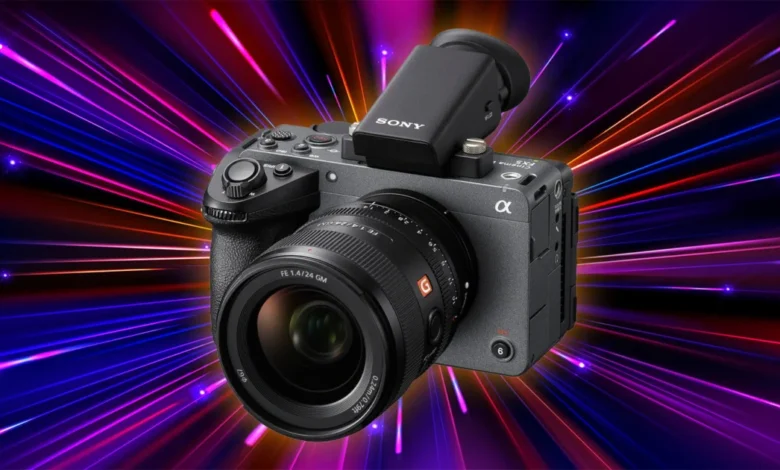
The unveiling of the Sony FX5 marks a significant milestone for Sony’s renowned FX Series of cinema cameras, directly addressing a chorus of user feedback and industry demands for more substantial advancements. This new model represents not just an incremental update but a strategic redefinition of the compact cinema camera segment, promising to empower a wider range of filmmakers with enhanced creative flexibility and professional-grade features previously unavailable in such a form factor.
For a considerable period, the professional filmmaking community has voiced a desire for Sony to incorporate key functionalities into its FX line, particularly the absence of Open Gate recording, internal RAW video capture, and a more versatile range of resolution options beyond the established 4K and 8K benchmarks. While Sony has consistently maintained its commitment to innovation, the development cycle for professional camera technology is inherently complex. Each enhancement, from sensor technology to processing power and internal component integration, requires extensive research, rigorous testing, and careful balancing against factors like cost, thermal management, and power consumption. Furthermore, companies often maintain a deliberate silence regarding upcoming products to maintain a competitive edge and ensure a polished market introduction. This confluence of factors can, understandably, lead to perceptions of stagnation among eager users.
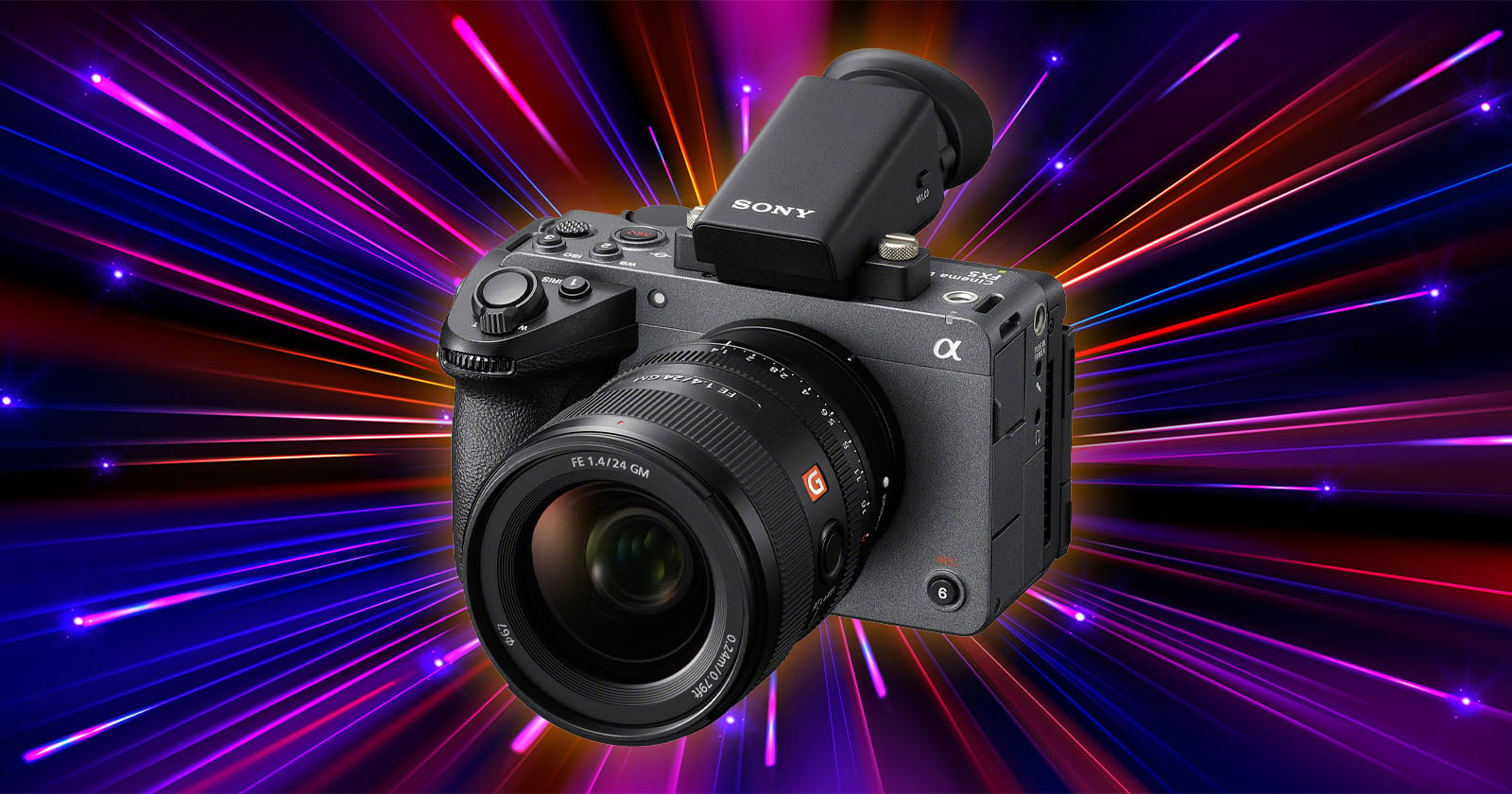
However, the FX5 appears to be a direct response to these persistent critiques. It introduces a new 16.6-megapixel image sensor and Sony’s cutting-edge Bionz XR2 processor, signaling a new generation for the FX Series. Sony has strategically positioned the FX5 as a distinct entity within its lineup, differentiating it from both the FX3 and the FX6. This positioning suggests an intent to fill a specific niche, catering to professionals who require advanced capabilities without the larger form factor or higher price point of more established broadcast-grade cameras.
Key Advancements Addressing User Demands
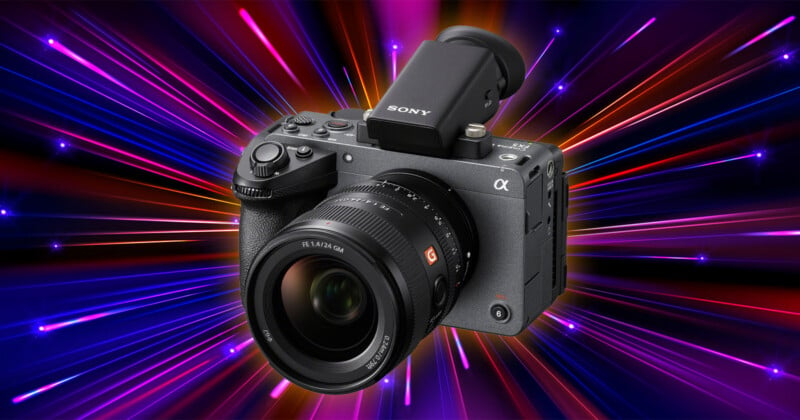
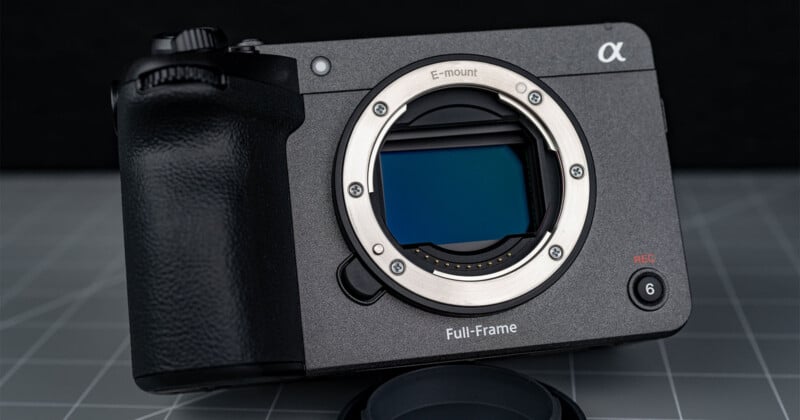
The Sony FX5 delivers on several critical fronts that have been highly anticipated by the filmmaking community. The inclusion of Open Gate recording, internal 16-bit RAW video capture in the X-OCN codec, built-in waveforms, a detachable electronic viewfinder (EVF), and 5K resolution recording are the headline features. For years, competitors like Canon, Nikon, and Panasonic have offered internal RAW recording to varying degrees, making Sony’s absence in this area particularly conspicuous. The FX5 rectifies this omission, providing filmmakers with unprecedented flexibility in post-production color grading and image manipulation.
Open Gate recording, while currently limited to RAW workflows on the FX5, is another significant addition. This feature captures the entire sensor area, providing maximum flexibility for reframing, aspect ratio changes, and the popular anamorphic look. The ability to easily adapt content for various platforms and achieve cinematic aesthetics is crucial in today’s multi-format media landscape. The inclusion of these two features alone is expected to silence a substantial portion of the critiques leveled against previous FX models, directly enabling professionals to secure projects that might have previously mandated these specific capabilities.
A New Benchmark in Compact Cinema
The FX5 is not merely an upgrade; it represents a paradigm shift for compact cinema cameras. Its ability to record 16-bit X-OCN files internally, combined with its relatively small footprint, makes it a powerful tool for a wide array of production scenarios. While it may not offer the absolute highest resolutions like an 8K camera, its 5K capabilities, coupled with Open Gate, provide a compelling balance for many professional applications. This makes the FX5 a strong contender for principal photography in independent films, documentaries, commercial productions, and as a highly capable B or C camera for larger shoots.
The camera’s new 16.6-megapixel sensor, potentially derived from advancements in Sony’s Alpha series, offers an optimal blend of resolution and readout speed. While the Dynamic Range Boost mode may impact some of that speed, the sensor is unlikely to be a bottleneck for most professional workflows. The strategic pricing of $4,900 further positions the FX5 as an accessible yet highly professional tool, acknowledging the inherent trade-offs in form factor and feature set at this price point.
Enhancements Beyond Core Features
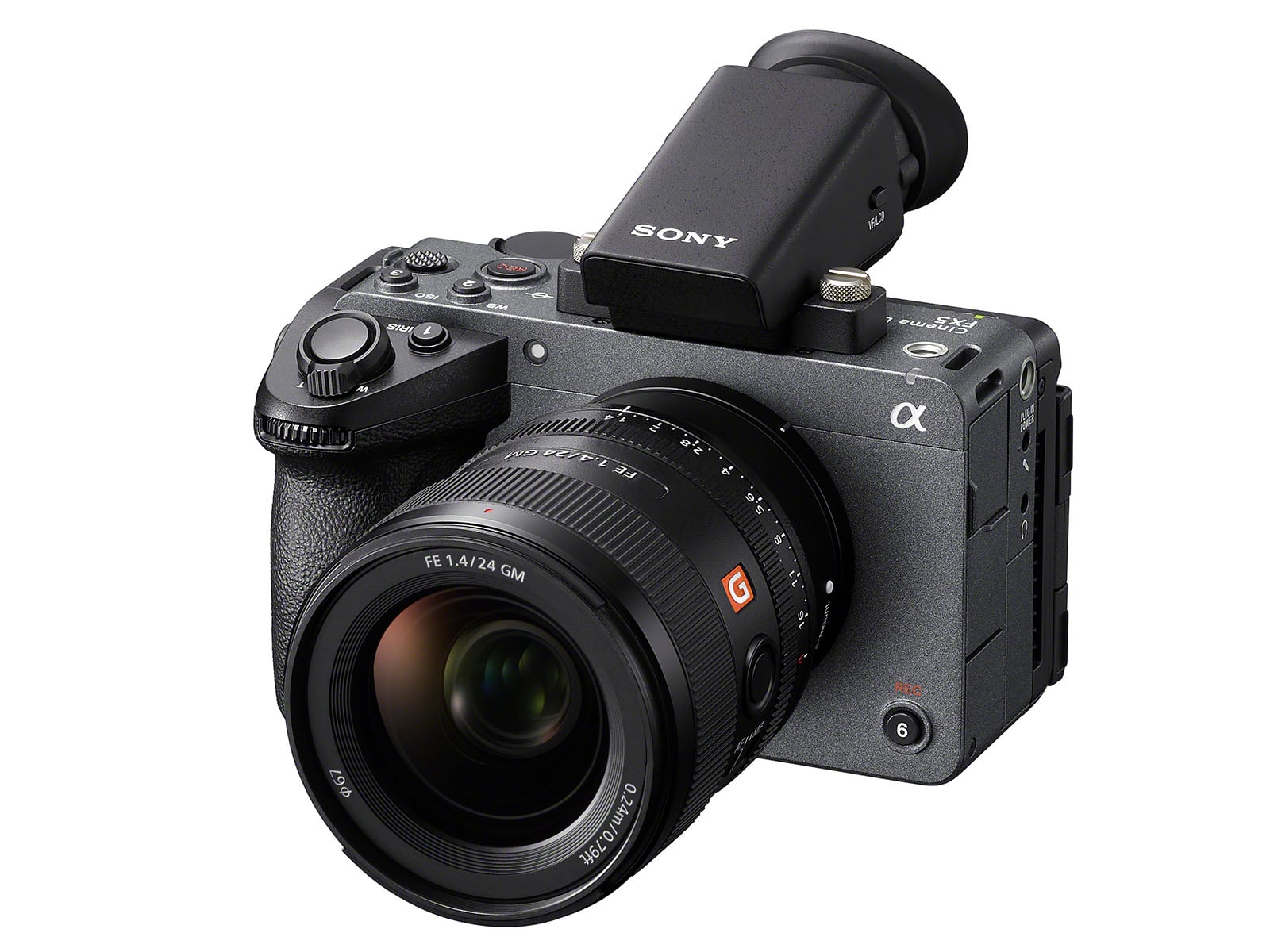
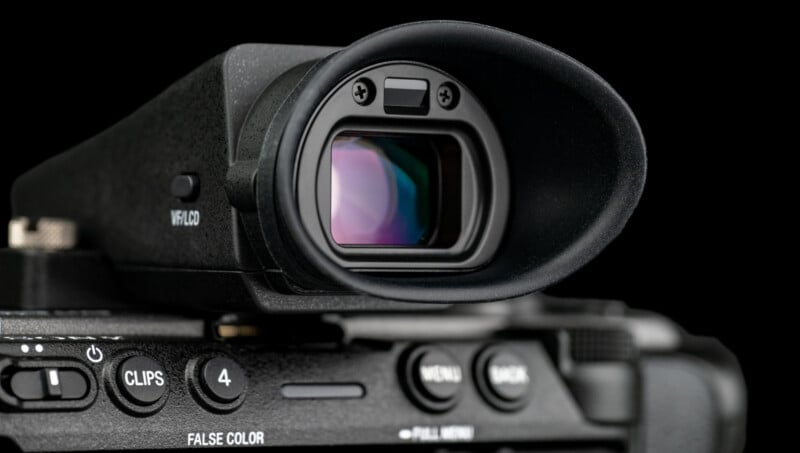
Beyond the headline-grabbing Open Gate and internal RAW, the FX5 introduces a suite of improvements designed to enhance the overall user experience and workflow efficiency. The detachable EVF, a feature reminiscent of the successful implementation on the FX2, provides significant flexibility for different shooting styles and environments. While the EVF’s placement may obstruct the Multi Interface (MI) shoe, which is essential for the camera’s 32-bit float audio recording capabilities, this is considered a minor compromise for the overall gain in usability.
The camera also boasts a new, more robust battery, improved AI-powered autofocus systems, and enhanced image stabilization. A notable addition is the inclusion of three base ISO settings: 800, 4000, and 12800, providing greater flexibility in low-light conditions and expanding the camera’s usable dynamic range. Furthermore, the FX5 incorporates a new user interface inspired by Sony’s high-end CineAlta line, along with expanded monitoring tools such as built-in waveform and vectorscope displays. These features, while perhaps less glamorous than internal RAW, are crucial for precise exposure control and accurate color management, making them invaluable for experienced cinematographers.
Limitations and the Continued Role of the FX6
Despite its significant advancements, the Sony FX5 is not without its limitations, which ensures that other models in the FX lineup retain their relevance. The most notable omission is the lack of an internal electronic neutral density (ND) filter, a feature that has proven highly beneficial on the Sony FX6, allowing for swift and seamless adjustments to exposure in varying light conditions without the need for external filters.
Additionally, the FX5 does not include professional workflow features like Genlock and SDI connectivity, which are standard on the FX6 and critical for multi-camera synchronization and broadcast integration. The larger form factor of the FX6 also affords it greater expansion capabilities and more robust connectivity options. These distinctions mean that the FX6 will continue to serve as Sony’s flagship compact cinema camera for productions requiring the highest level of professional integration and advanced features. The existence of the FX5, however, sets a compelling precedent for future iterations of the FX6, potentially incorporating the FX5’s most sought-after advancements.
The Broader Implications for Sony and the Industry
The launch of the Sony FX5 is more than just the introduction of a new camera; it signals a revitalized approach from Sony in the professional video market. For years, users have embraced Sony’s FX bodies for their established strengths, but often at the cost of compromising on certain desired functionalities. The FX5 demonstrates Sony’s responsiveness to market feedback and its commitment to closing these perceived gaps.
This release effectively kicks off the next chapter for Sony’s FX Series, showcasing a determination to reduce or eliminate previous compromises. The FX5 builds a significantly stronger foundation for a highly popular and influential camera line at a critical juncture. The competitive landscape has intensified considerably since the introduction of the FX3 and FX6 over five years ago. Consequently, the FX5 stands as arguably Sony’s most important cinema camera release to date, reaffirming its position as a leading innovator in professional imaging technology and providing filmmakers with tools that are more capable, versatile, and aligned with the demands of contemporary production.