Anycubic Kobra X Hits Record Low Price as Multi-Color 3D Printing Becomes More Accessible to Beginners

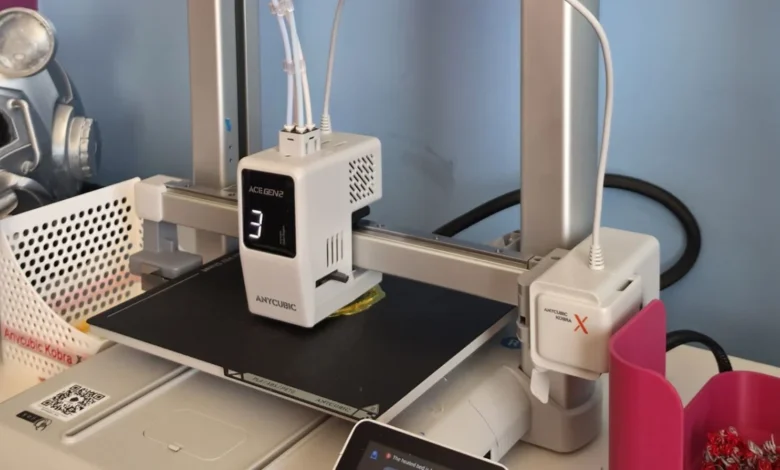
The consumer 3D printing market has reached a significant milestone in affordability and user accessibility as the Anycubic Kobra X, a prominent model in the manufacturer’s latest lineup, has seen its price reduced to a record low. Currently positioned as a leading choice for entry-level enthusiasts and hobbyists, the Kobra X is being offered at £259 in the United Kingdom—a total reduction of £100 from its standard retail price of £359 when factoring in checkout discounts. Simultaneously, the United States market has seen a comparable $100 price cut at Anycubic’s official storefront, signaling a strategic move by the Shenzhen-based company to capture a larger share of the "plug-and-play" 3D printing segment.
This price adjustment comes at a time when the 3D printing industry is shifting away from the "tinkerer" era, where users were expected to spend hours calibrating and assembling machines, toward a more streamlined, consumer-appliance experience. The Kobra series has been at the forefront of this transition, offering "bedslinger" designs—printers where the build plate moves along the Y-axis—that prioritize ease of use without sacrificing the advanced features typically reserved for professional-grade equipment.
Technical Innovation and Multi-Color Capabilities
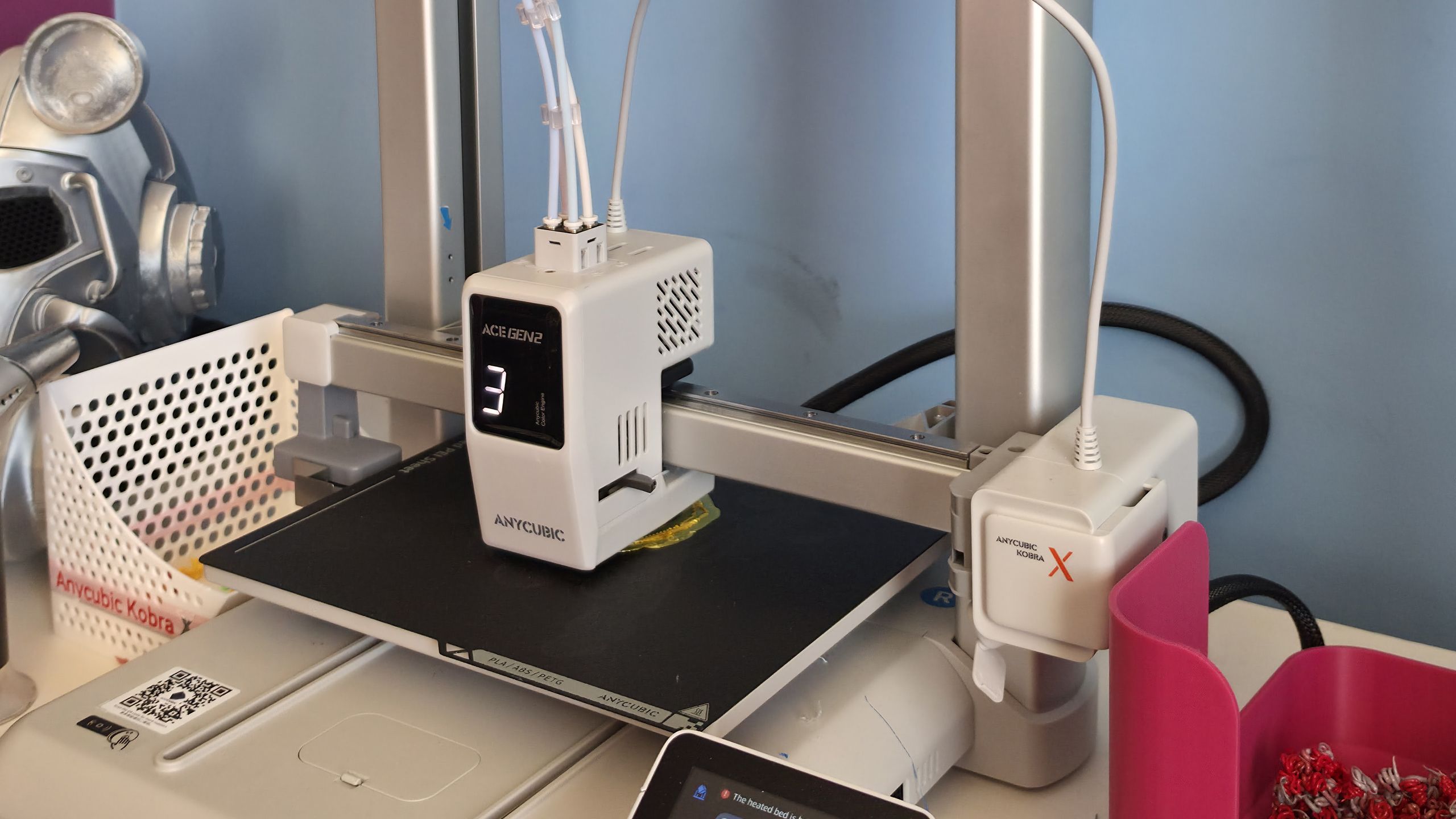
One of the most distinctive features of the Anycubic Kobra X highlighted in recent market evaluations is its native four-color compatibility. Historically, multi-color 3D printing required expensive aftermarket modifications or complex external filament management systems, such as the Prusa MMU or the Bambu Lab AMS. The Kobra X aims to simplify this process by offering multi-color support that does not necessitate the immediate purchase of separate hardware like the ACE Pro unit for basic functionality.
This capability is facilitated by advanced firmware and hardware integration that allows the printer to handle multiple filament inputs. For the end-user, this means the ability to create complex, aesthetically diverse models—ranging from multi-colored tabletop miniatures to functional prototypes with integrated labeling—without the manual intervention previously required to swap filaments mid-print.
The machine utilizes Anycubic’s proprietary LeviQ auto-leveling technology. Bed leveling has traditionally been the most significant barrier to entry for 3D printing novices; an uneven bed often leads to failed first layers and detached prints. By utilizing a 25-point inductive sensor, the Kobra X automatically compensates for irregularities in the heated build plate, ensuring consistent adhesion across the entire printing surface.
Chronology of the Kobra Series Development
To understand the significance of the Kobra X price drop, it is essential to look at the evolution of Anycubic’s Fused Deposition Modeling (FDM) lineup.
- 2015–2020: The Foundation: Anycubic established itself with the Mega series, which was robust but required significant manual leveling and maintenance.
- 2021: The Introduction of Vyper: Anycubic released the Vyper, their first major push into fully automated leveling, which set the stage for the Kobra line.
- 2022: The Kobra Launch: The original Kobra and Kobra Max were released, introducing the "LeviQ" system and direct-drive extruders to the mass market.
- 2023–2024: The High-Speed Era: With the rise of Klipper-based high-speed printing, Anycubic updated the line to include the Kobra 2 and Kobra 3 series, significantly increasing print speeds from the standard 50mm/s to upwards of 500mm/s.
- Present Day: The Kobra X represents a refined iteration of these technologies, balancing high-speed capabilities with the multi-color innovations that have become the new industry standard for consumer-grade machines.
Market Dynamics and Competitive Pressure
The aggressive pricing of the Anycubic Kobra X is widely viewed by industry analysts as a response to heightening competition in the desktop 3D printer market. For several years, Creality’s Ender 3 series dominated the budget sector. However, the landscape changed dramatically with the entry of Bambu Lab, whose A1 and A1 Mini models forced established players to accelerate their research and development cycles.
By pricing the Kobra X at the sub-£300/sub-$300 level, Anycubic is positioning itself against the "budget-premium" segment. Data from consumer electronics trackers suggest that the sweet spot for first-time 3D printer buyers lies between $200 and $400. At its new price point, the Kobra X offers a build volume and feature set that often outclasses competitors in the same price bracket, particularly those that still rely on manual leveling or bowden-tube extrusion systems.
Furthermore, the inclusion of multi-color support at this price point is a direct challenge to the "enclosed" ecosystems of other brands. Anycubic has historically maintained a more open-source-friendly approach, allowing users to use a wider variety of slicing software like Cura or PrusaSlicer, which appeals to users who do not wish to be locked into a single proprietary software suite.
Supporting Data: The Rise of the "Prosumer"
Market research indicates that the global 3D printing market is expected to grow at a compound annual growth rate (CAGR) of over 20% through 2030. A significant portion of this growth is driven by the "prosumer" segment—individuals who use 3D printers for both hobbyist projects and small-scale commercial ventures, such as Etsy shops or architectural modeling.
Key specifications that have driven the popularity of the Kobra X include:
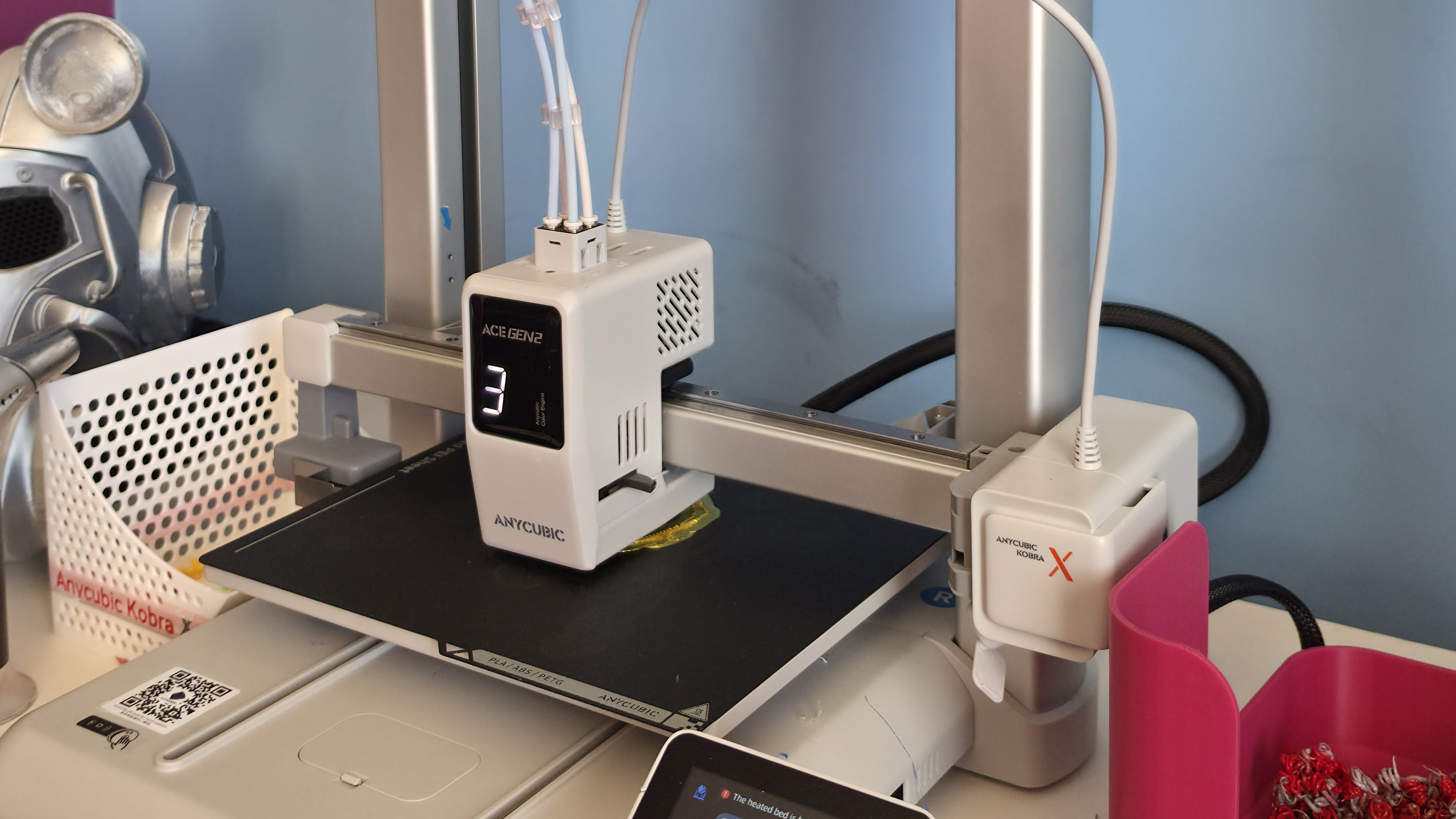
- Print Speed: Capable of reaching speeds that reduce traditional print times by 60-70%.
- Direct Drive Extruder: Improves the handling of flexible materials like TPU, which are notoriously difficult for older, bowden-style printers.
- Build Surface: The use of PEI-coated spring steel plates allows for easy removal of prints once cooled, eliminating the need for scrapers that can damage the machine or the part.
Broader Impact on Education and the Maker Community
The reduction in cost for multi-color capable machines has profound implications for STEM (Science, Technology, Engineering, and Mathematics) education. Historically, schools and libraries were limited to monochrome printers due to budget constraints. The ability to print multi-colored educational models—such as biological cells with distinct organelles or geographical maps with color-coded elevations—at a fraction of the previous cost allows for more immersive learning experiences.
In the maker community, the Kobra X’s accessibility is expected to lower the "failure wall" that often discourages new users. When a machine "pretty much runs itself," as noted by industry observers, the focus shifts from mechanical troubleshooting to creative design. This shift is likely to result in a surge of community-shared 3D designs optimized for multi-color printing, further enriching the ecosystem of free digital assets available on platforms like Printables and Thingiverse.
Official Responses and Industry Outlook
While Anycubic has not issued a formal statement regarding this specific price drop, the move aligns with their broader corporate strategy of "democratizing 3D printing technology." Company representatives have previously emphasized their commitment to making high-speed, multi-material printing a standard feature rather than a luxury add-on.
Industry analysts suggest that the current price war in the 3D printing space will likely lead to further consolidation. Brands that cannot keep up with the rapid pace of automation and the demand for multi-color capabilities may find themselves sidelined. For Anycubic, the Kobra X serves as a bridge between their entry-level offerings and their more expensive, large-format industrial machines.
As the technology continues to mature, the focus is expected to move toward "smart" features, such as AI-driven camera monitoring for print failures and cloud-based fleet management. For now, however, the priority for the average consumer remains reliability and value. The record-low pricing of the Kobra X suggests that the barrier to high-quality, multi-color 3D printing has never been lower, providing a significant opportunity for those who have previously been hesitant to enter the field due to cost or perceived complexity.
In conclusion, the Anycubic Kobra X’s current market positioning reflects a broader trend of technological democratization. By combining sophisticated features like multi-color compatibility and auto-leveling with an aggressive pricing strategy, Anycubic is not only challenging its competitors but also expanding the boundaries of what a beginner-friendly 3D printer can achieve. As the "bedslinger" format continues to be refined, the Kobra X stands as a testament to the rapid evolution of consumer manufacturing technology.