Mastering Game Art Direction Through First Principles: A Deep Dive into Gerben Pasjes’ Visionary Framework at Develop Brighton

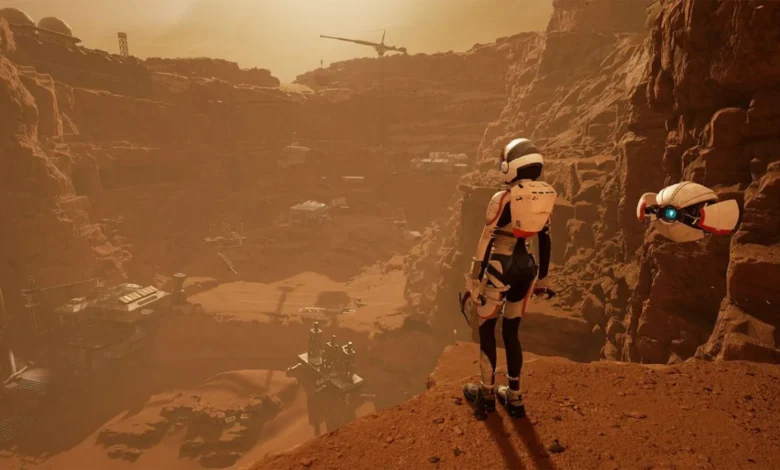
The landscape of modern video game development is increasingly defined by a struggle between escalating player expectations and the finite resources of development teams. At the Develop: Brighton conference in 2026, Gerben Pasjes, a seasoned art director known for his work on the critically acclaimed indie titles Deliver Us The Moon and Deliver Us Mars, presented a compelling methodology to navigate this tension. By applying a "first principles" approach to art direction—a concept rooted in the philosophical skepticism of René Descartes—Pasjes argued that developers could strip away derivative influences to uncover the fundamental truths of their specific project. This framework does not merely serve aesthetic ends; it functions as a strategic roadmap for technical efficiency, gameplay integration, and studio identity.
The Philosophical Foundations of Visual Identity
To understand Pasjes’ approach, one must first look toward the 17th-century Age of Enlightenment. René Descartes, in his seminal work Discourse on the Method, proposed that to find truth, one must doubt everything that can be doubted until only the undeniable remains. His conclusion, "Cogito, ergo sum" (I think, therefore I am), served as the ultimate foundational truth. In the context of art direction, Pasjes suggests a similar deconstruction. Instead of asking what other successful games look like, an art director should ask what the specific game needs to be at its most basic level.
By breaking down preconceived notions and industry trends, a team can arrive at a unique visual language. This "first principles" method prevents the "identity drift" that often occurs when projects attempt to mimic the aesthetics of AAA blockbusters without possessing the same budgetary or technical infrastructure. For Pasjes, this was not just a theoretical exercise but a practical necessity during his tenure at KeokeN Interactive, where limited resources demanded a hyper-focused vision.
Establishing the Creative North Star
The first practical pillar of Pasjes’ framework is the "North Star"—a singular, holistic vision that guides every creative decision across all disciplines. In the high-pressure environment of a pitch meeting or the early stages of pre-production, having a North Star ensures that the project remains cohesive.
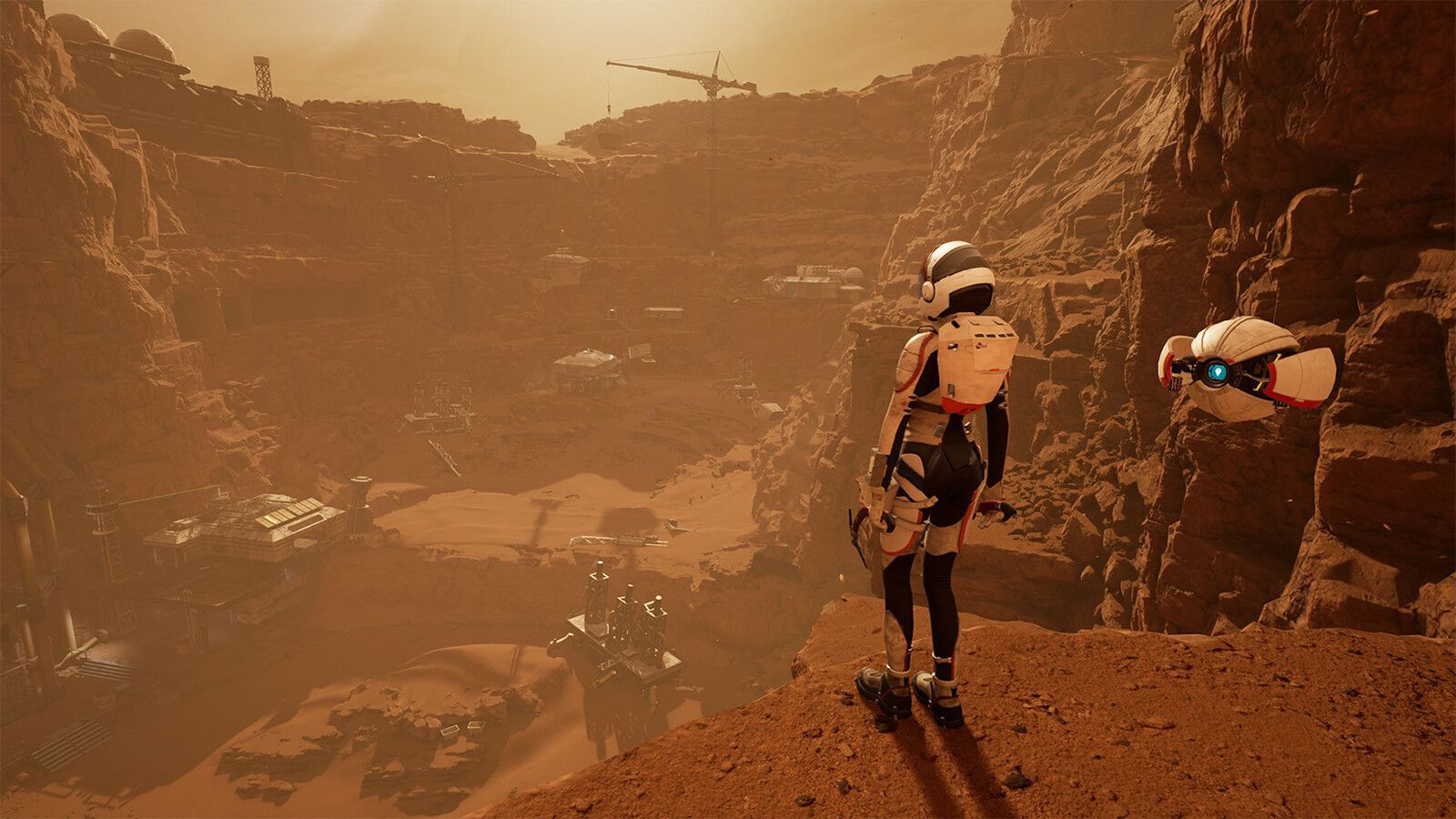
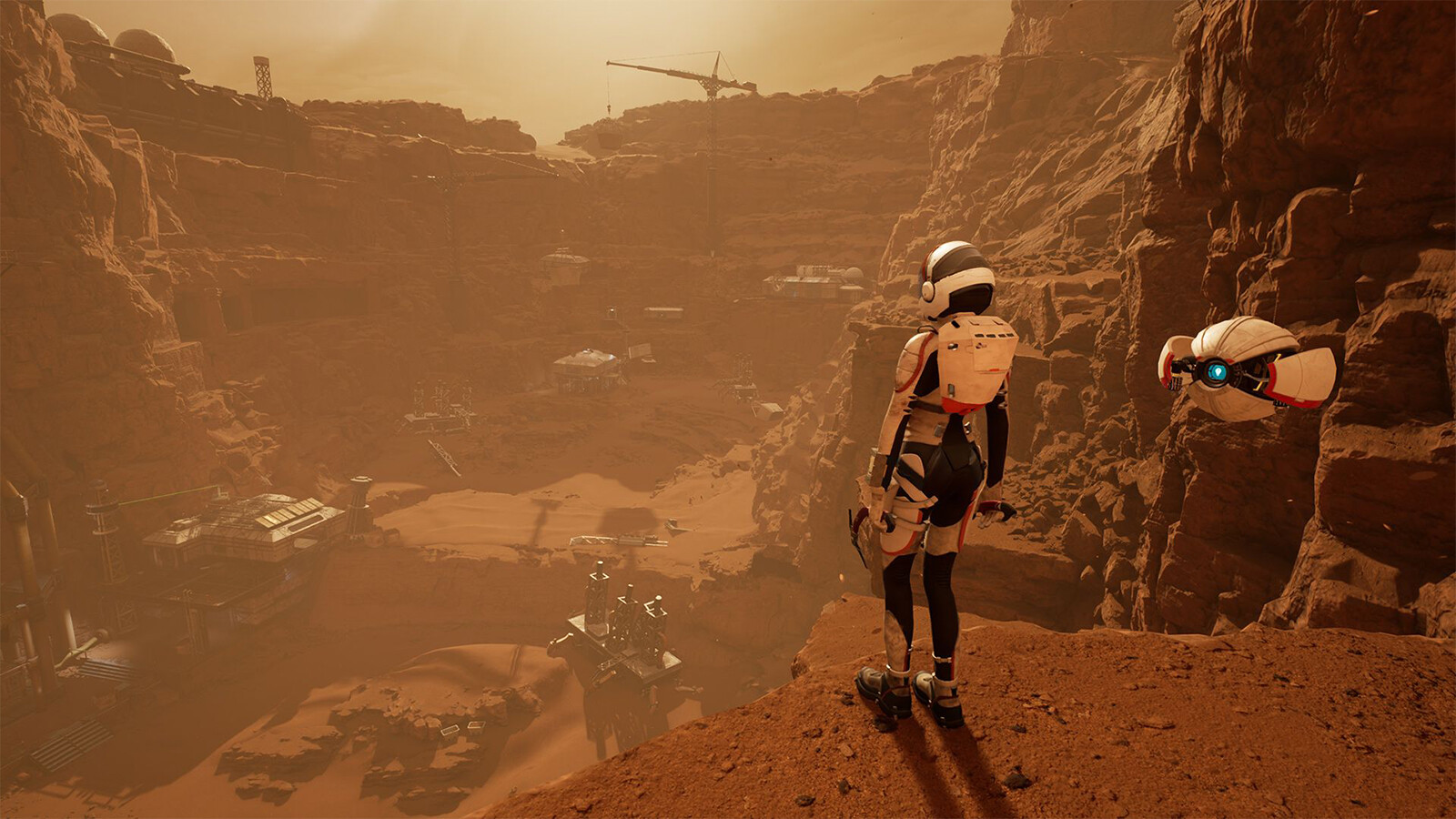
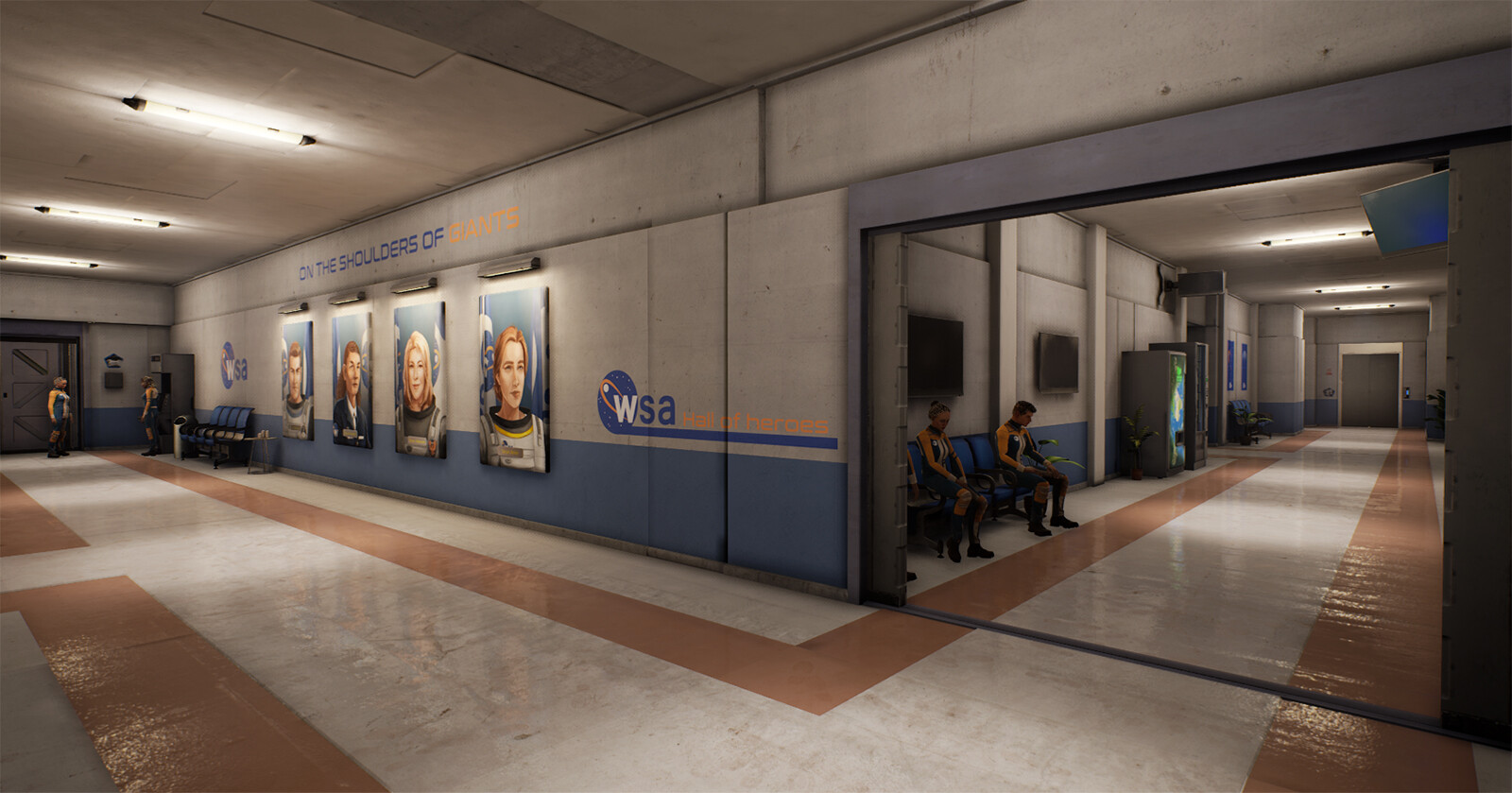
Using his experience on the Deliver Us series, Pasjes illustrated how this works in practice. For Deliver Us Mars, the core pillar was to "make the player feel like a real astronaut." This was not merely a narrative goal; it was the ultimate litmus test for art direction. If a texture, a lighting setup, or a character animation did not contribute to the sensation of authentic space exploration, it was discarded or reworked. This clarity allows art directors to provide definitive answers to team members, reducing the time spent on "creative wandering" and ensuring that the final product feels intentional rather than accidental.
The Three Loops of Visual Perception
A central component of Pasjes’ talk involved translating game design’s "loops" into visual terms. In game design, loops are typically categorized as micro (second-to-second), macro (minute-to-minute), and meta (hour-to-hour). From an art direction perspective, Pasjes redefined these as a framework for managing asset density and player perception.
He provided a surprising comparison between The Elder Scrolls V: Skyrim and the upcoming extraction shooter Arc Raiders. Despite their vastly different genres and settings, both games share a similar "local density" because the player character moves at a human walking speed. This speed dictates the level of detail required in the immediate environment; if assets are too sparse, the world feels empty, but if they are too dense, the visual noise becomes overwhelming.
However, the divergence occurs in the macro loop. Skyrim, with its massive open-world map, requires a significant art effort to create variety within a single biome to sustain interest over hours of travel. Conversely, Arc Raiders focuses its art resources on "zone transitions"—creating distinct visual shifts as players move between high-stakes combat areas. By understanding these loops, an art director can allocate resources where they will have the most significant impact on the player’s experience.
The Intersection of Art and the 3Cs
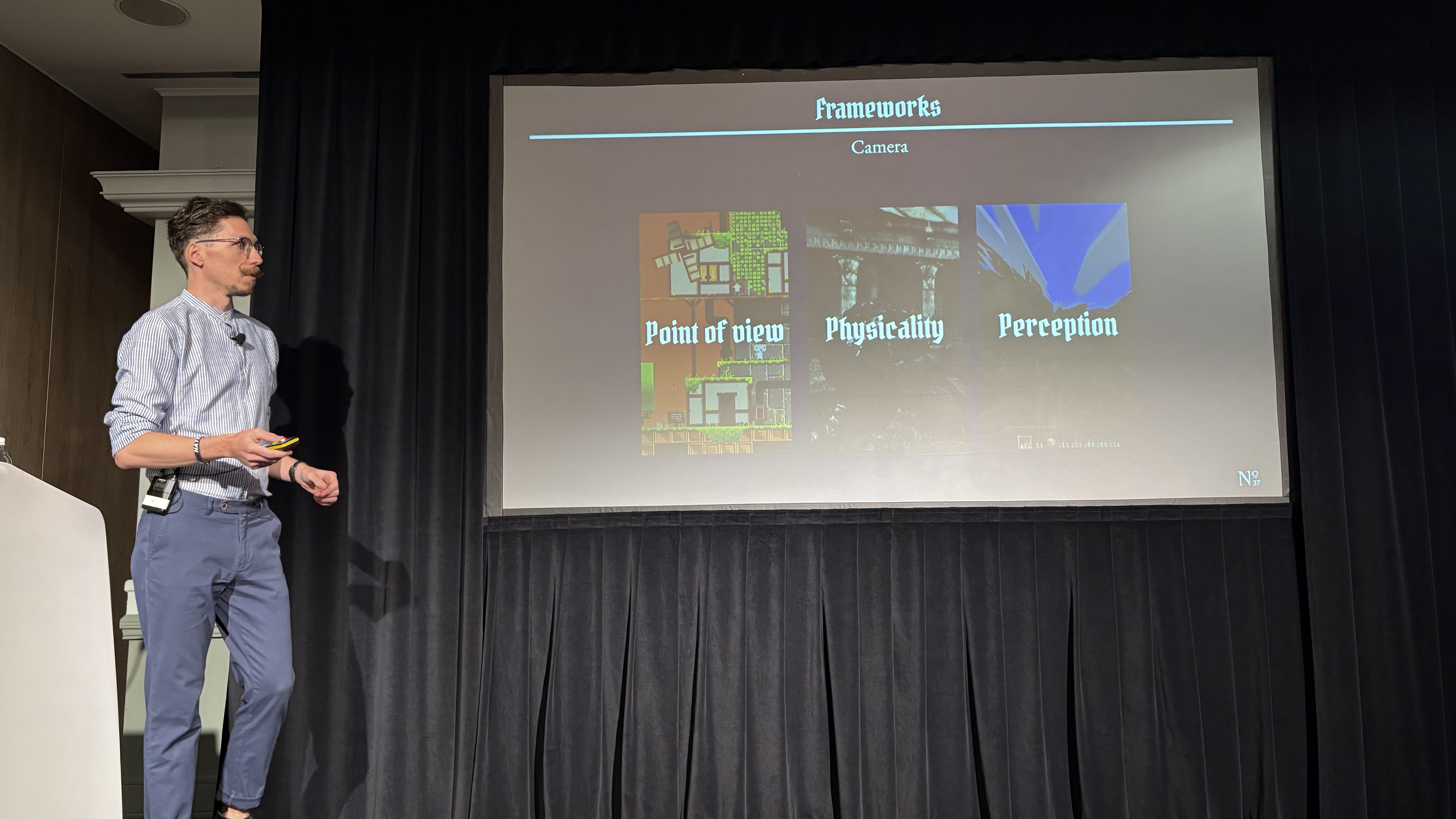
One of the most critical takeaways from Pasjes’ presentation was the necessity of art directors understanding core game design principles, specifically the "3Cs": Character, Camera, and Control. Art direction does not exist in a vacuum; it is the lens through which the player experiences these mechanics.
- Character: The visual representation of the protagonist must communicate their weight, ability, and role within the world.
- Camera: The perspective chosen—be it first-person, third-person, or isometric—dictates how environmental compositions are built. Pasjes noted that the third-person camera in Gears of War is designed to make the character feel heavy and grounded, whereas in a title like Marvel Rivals, the camera work emphasizes snappiness and verticality. Furthermore, Field of View (FOV) settings significantly impact art. A 60 FOV creates a claustrophobic, intimate atmosphere, while a 90 FOV offers greater peripheral vision but requires the art team to tune environmental compositions to prevent the edges of the screen from feeling distorted or empty.
- Control: Often referred to as "game feel," control is about the responsiveness of inputs. Pasjes highlighted Diablo as a masterclass in this area. While players spend 90% of their time clicking the left mouse button, the developers invested an "insane amount of effort" into the visual and auditory feedback of that single action, making it perpetually engaging.
Prototyping and the Perils of "Building the Rails"
A recurring theme in the Brighton talk was the importance of early validation. Pasjes warned against the common industry pitfall of "building the rails while the train is moving." In a production environment, making fundamental changes to mechanics once the art pipeline is in full swing can be catastrophic for a budget.
He shared an anecdote regarding a project where a "vaulting" mechanic—allowing players to jump over obstacles—was added late in production. This single design change forced the art team to re-evaluate every environmental asset. Desks, chairs, fences, and railings all had to be adjusted to a specific "height arena" to ensure the vaulting animation looked natural. Pasjes emphasized that if a player sees a fence they believe they should be able to vault over, and the game prevents it, the immersion is instantly broken. By answering these design questions during the concept and pre-production phases, studios can avoid costly rework and maintain a steady production velocity.
Leveraging Constraints as a Creative Tool
For smaller studios, the "first principles" approach is as much about technical pragmatism as it is about philosophy. Pasjes advised smaller teams to lean into the intended workflows of established engines like Unity or Unreal rather than spending precious resources on custom technology. "Spending your small team on resources building custom technology is not always a good use of your time if you’re under pressure," he noted.
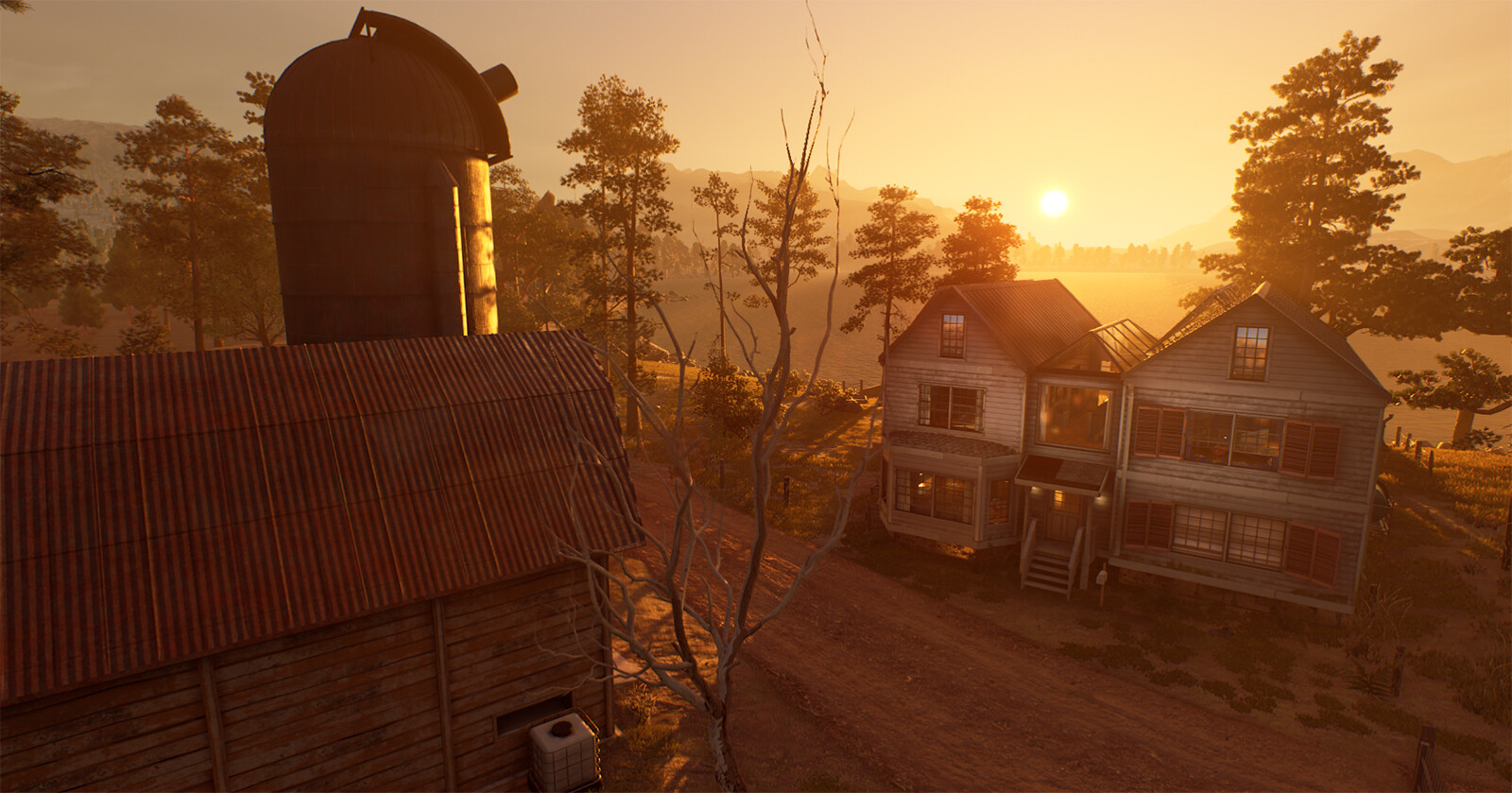
Instead, creativity should be found in how these tools are utilized. For Deliver Us Mars, the team consisted of only two environment artists. To populate the entire game, they developed a versatile modular kit. By applying radically different lighting scenarios to the same base assets, they were able to evoke different moods and locations without creating thousands of unique models.
In one innovative example, the team needed a destroyed version of a barn. Rather than modeling the wreckage by hand, they exported the intact barn into Blender, ran a physics simulation to collapse the structure, and simply "paused" the simulation at the most visually compelling frame. This destroyed version was then re-imported, saving weeks of manual labor while maintaining visual consistency.
Implications for the Future of Game Development
The insights shared by Gerben Pasjes at Develop: Brighton 2026 reflect a broader shift in the game industry. As the "AA" and indie sectors continue to mature, the ability to deliver high-fidelity visuals on a sustainable budget has become a competitive necessity. The first principles approach offers a way out of the "arms race" of asset production by focusing on what truly matters: the player’s psychological and mechanical connection to the world.
The broader impact of this framework is a move toward "smarter" art direction—one that is deeply integrated with design and technical constraints from day one. By embracing limitations and deconstructing influences, studios can create games that are not just visually impressive, but "deeply unique to the studio." As Pasjes concluded, when a game is built from the ground up on these fundamental truths, it becomes a product that is, by definition, entirely its own.
Chronology of Art Direction Integration
- Phase 1: Deconstruction (First Principles): Stripping away derivative ideas and defining the "North Star" or creative pillars.
- Phase 2: The 3C Alignment: Synchronizing the art style with the character, camera, and control mechanics.
- Phase 3: Loop Definition: Determining the required asset density based on player movement speed and biome variety.
- Phase 4: Prototyping and Validation: Testing environmental heights and interaction points before the full production of assets begins.
- Phase 5: Modular Production: Utilizing tools like physics simulations and lighting variants to maximize the utility of a limited asset library.
This systematic approach, as outlined by Pasjes, provides a template for modern art directors to balance the lofty demands of artistic vision with the hard realities of software engineering. In an era where "more" is often mistaken for "better," the first principles of art direction remind the industry that clarity, intent, and efficiency are the true hallmarks of visual excellence.