Unreleased George Michael and Elton John Duet This Kind of Love Could See Official Release Following Documentary Push by Former Manager

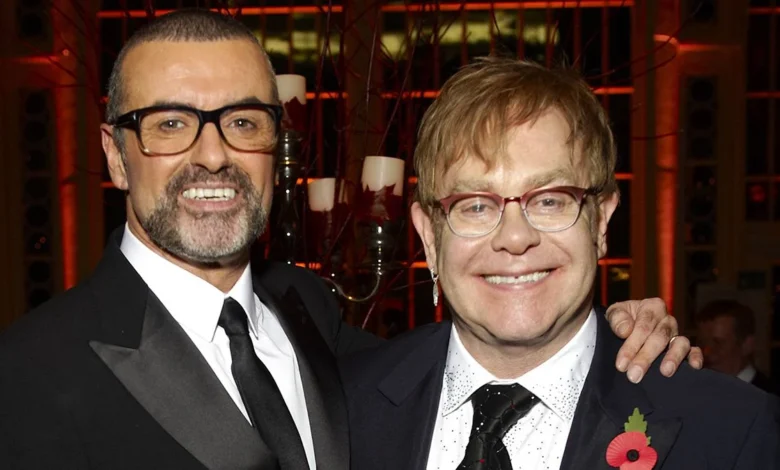
The landscape of contemporary pop music history is often defined as much by the masterpieces that reached the public as by the legendary projects that remained confined to the archives. Among the most tantalizing of these "lost" treasures is the unfinished George Michael album, Trojan Souls, a project that featured a high-profile collaboration with Sir Elton John titled "This Kind of Love." For decades, the track has existed in a state of professional limbo, known to die-hard fans through low-quality bootlegs but never granted a formal, polished release. This narrative, however, is shifting as Andros Georgiou, George Michael’s cousin and former manager, spearheads a renewed effort to bring the song to the global stage, anchored by a new documentary film that chronicles the turbulent history of the singer’s unreleased early-90s output.
The song in question, "This Kind of Love," was conceived during one of the most creatively fertile yet legally fraught periods of George Michael’s career. Recorded in the early 1990s, it was intended to be a centerpiece of the Trojan Souls project. This ambitious undertaking was designed as a showcase for Michael’s prowess as a songwriter and producer, featuring him in duet or collaborative roles with a pantheon of musical icons, including Stevie Wonder, Bryan Ferry, Sade, Anita Baker, and Elton John. However, the project was abruptly halted when Michael became embroiled in a landmark legal battle with his record label, Sony Music, leading to the shelving of the album and the subsequent locking of the master tapes in the vaults for over thirty years.
The Origins and Ambition of the Trojan Souls Project
To understand the significance of "This Kind of Love," one must look back to the post-Faith era of George Michael’s career. After the global phenomenon of his 1987 solo debut, Michael sought to pivot away from the hyper-sexualized "pop idol" persona that had come to define him. His follow-up, 1990’s Listen Without Prejudice Vol. 1, was a somber, introspective work that signaled his desire to be taken seriously as a craftsman. Trojan Souls was intended to be the next step in this evolution—a collaborative effort where Michael would step slightly out of the spotlight to work with the voices that had inspired him.
The sessions for Trojan Souls took place primarily between 1991 and 1993. During this time, Michael was meticulously crafting tracks that blended soulful R&B with sophisticated pop arrangements. "This Kind of Love" was a standout from these sessions, a mid-tempo ballad that showcased the harmonic synergy between Michael’s velvet vocals and Elton John’s distinctive, soulful delivery. Witnesses to the original recording sessions have described the atmosphere as one of mutual respect, with John reportedly eager to contribute to what he perceived as Michael’s growing genius.
The project, however, was not just about the music; it was a statement of independence. By producing and writing for such a diverse array of legendary artists, Michael was asserting his position as a peer to the greats. The title Trojan Souls itself suggested a hidden strength or a gift that carried more weight than was visible on the surface. Yet, as the recording progressed, the relationship between the artist and his label, Sony Music, began to disintegrate, leading to a confrontation that would alter the course of music history.
The Legal Quagmire: Michael vs. Sony
The primary reason Trojan Souls never saw the light of day was the high-profile lawsuit Michael filed against Sony Music in 1992. Michael sought to be released from his contract, famously describing the terms of his deal as "professional slavery." He argued that the label was not supporting his artistic growth and was punishing him for his refusal to appear in music videos or participate in traditional promotional cycles.
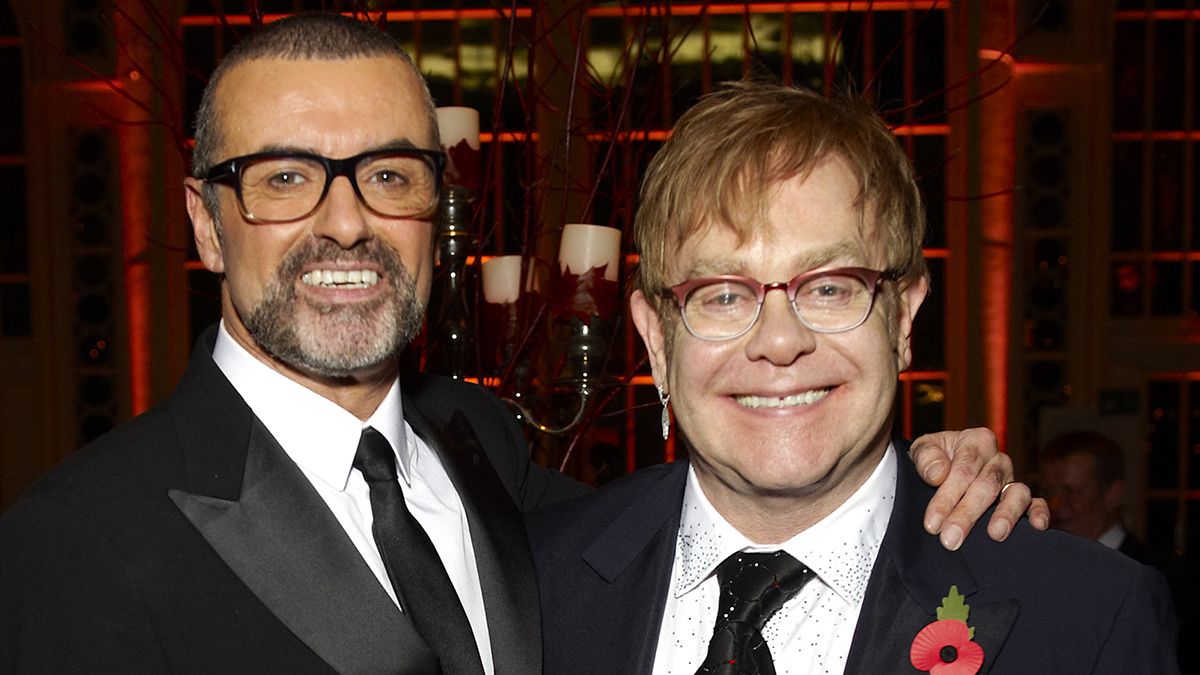
The legal proceedings were grueling and ultimately unsuccessful for Michael. In 1994, a High Court judge in London ruled in favor of Sony, leaving the singer in a stalemate. While he eventually moved to Virgin Records and DreamWorks to release the critically acclaimed Older in 1996, the material recorded during the Trojan Souls era remained the property of Sony. Because the recordings were unfinished and legally entangled, they were relegated to the "vaults," where they have remained largely untouched for three decades. "This Kind of Love" became a casualty of this corporate warfare, a fragment of a lost era that fans could only experience through leaked, unmastered demos.
Andros Georgiou and the Documentary Effort
The recent push for the song’s release is led by Andros Georgiou, who was a constant presence in Michael’s life during the 1980s and 90s. Georgiou has produced a documentary film titled Trojan Souls: The Greatest Album That Was Never Made. The film aims to provide an exhaustive look at the creative process behind the abandoned album and features never-before-seen footage from the studio sessions.
A central component of Georgiou’s campaign is an "incredible" and previously unreleased interview with Sir Elton John. In this footage, John speaks candidly about his admiration for Michael, noting that the younger singer was the first person to win an Ivor Novello Award at the age of 21. John’s willingness to participate in the project was immediate; according to Georgiou, John stated, "I will literally do anything for George."
Georgiou’s strategy involves securing a distribution deal with a major streaming service, such as Apple TV+ or Netflix, to host the documentary. He believes that the global reach of these platforms would provide the necessary leverage to finally release "This Kind of Love" as a lead single accompanying the film. Georgiou has indicated that he possesses separate vocal tracks of both George Michael and Elton John singing the song, suggesting that modern production techniques could be used to create a definitive, finished version of the duet.
The Bond Between Two Icons
The potential release of "This Kind of Love" would serve as a poignant coda to the long and storied relationship between George Michael and Elton John. The two first famously collaborated on the live version of John’s "Don’t Let The Sun Go Down On Me," recorded at Wembley Arena in 1991. That duet became a massive international hit, reaching Number One in both the United Kingdom and the United States, and remains one of the most celebrated live recordings in pop history.
Beyond their professional success, the two shared a complex personal bond. John was a mentor to Michael, though their relationship was occasionally strained by John’s public concerns regarding Michael’s lifestyle and well-being. Despite these fluctuations, John remained one of Michael’s most vocal supporters. Following Michael’s death on Christmas Day in 2016, John paid tribute to him as "one of the most brilliant songwriters this country’s ever produced, and certainly one of the best vocalists ever."
Challenges to a Posthumous Release
While the enthusiasm from Georgiou and the fans is palpable, significant hurdles remain before "This Kind of Love" can be officially released. The most formidable obstacle is the George Michael Estate. Since the singer’s passing, the estate has been notoriously protective of his legacy, carefully curating posthumous releases to ensure they align with Michael’s high standards for quality.
The estate has previously authorized a few select projects, such as the 2017 re-release of Listen Without Prejudice Vol. 1 and the inclusion of the unreleased track "This Is How (We Want You to Get High)" in the 2019 film Last Christmas. However, they have generally been hesitant to release demos or unfinished sketches that Michael himself did not deem ready for public consumption. Furthermore, the legal rights to the Trojan Souls masters may still involve complex negotiations between the estate and Sony Music.
Additionally, Sir Elton John’s formal permission would be required to use his vocal tracks in a new mix. While Georgiou is confident that John would agree—citing his deep affection for Michael—the process of clearing such a high-profile collaboration involves a web of management, legal, and label approvals.
Implications and Musical Significance
If "This Kind of Love" is eventually released, it would represent more than just a nostalgic curiosity. Musicologists and critics view the Trojan Souls era as a pivotal moment in Michael’s development. The track is described as a bridge between the soul-inflected pop of his youth and the jazz-tinged, mature arrangements of his later years. An official release would provide a clearer picture of Michael’s artistic trajectory and his ability to hold his own alongside a veteran like Elton John.
The release would also follow a broader industry trend of "vault mining," where the archives of deceased icons like Prince, David Bowie, and Michael Jackson are carefully opened to satisfy the demands of a global audience. When handled with care, these releases can offer profound insights into an artist’s creative mind.
As Andros Georgiou continues to shop the Trojan Souls documentary to major streamers, the fate of "This Kind of Love" hangs in the balance. For fans, the hope is that the legal and administrative barriers can be overcome, allowing this "greatest album that was never made" to finally speak for itself. In the words of Elton John, George Michael’s talent was a unique force in British music, and the official unveiling of their lost duet would be a fitting tribute to a friendship and a creative partnership that defined an era.
Related posts: