The Serendipitous Genesis of a Buffer-TRMNL Integration: An Engineer’s Personal Project Becomes a Public API Showcase.


In an intriguing confluence of personal initiative and corporate strategy, a seemingly private software development project by a Buffer engineer has blossomed into a public integration, perfectly coinciding with the launch of Buffer’s new public API. The story begins a few weeks ago when Andy Yates, an engineer at Buffer, received an unexpected email at his personal address. The communication originated from the team at TRMNL, a company renowned for its elegantly designed, minimalist e-ink displays that boast a vibrant and expanding plugin ecosystem. TRMNL’s outreach was part of their ongoing effort to scout and highlight innovative plugins developed on their platform. They had discovered a private plugin named "Buffer" and were keen to explore its potential for a broader release. What the TRMNL team was unaware of at the time was the delightful irony: Andy Yates was, in fact, an employee of Buffer, the very company whose service his plugin sought to integrate. Adding another layer of serendipity, Buffer’s public API was merely a week away from its official launch. This fortunate alignment of events has since been heralded as a prime example of the innovative applications that emerge when companies embrace open APIs, transforming a personal "hack" into a valuable public utility. With the Buffer API now generally available, the narrative of this unique plugin, currently illuminating Andy Yates’s desk, serves as a compelling testament to the power of open platforms and developer ingenuity.
The Unveiling of a Unique Collaboration: From Private Curiosity to Public Offering
The initial contact from TRMNL to Andy Yates was a testament to the organic growth and discovery process inherent in a thriving developer community. TRMNL’s mission extends beyond merely manufacturing hardware; they actively foster a collaborative environment where users are encouraged to build and share extensions that enhance the functionality of their e-ink displays. Their team, through their scouting efforts, identified Andy’s "Buffer" plugin as a particularly promising candidate, noting its potential to add significant value to their user base. The email, sent to his personal account, inquired about the possibility of making this private tool publicly accessible.
Andy Yates’s reaction to the inquiry must have been a mix of surprise and amusement. Here was an external company recognizing and validating a personal project directly related to his professional work, without any prior knowledge of his affiliation. This blind discovery underscores the authenticity of the plugin’s utility and design. For Buffer, this unsolicited interest from TRMNL, a respected player in the minimalist tech space, served as an early, unexpected validation of their impending API launch. It demonstrated, even before the API was fully public, the inherent demand and potential for third-party integrations that could extend Buffer’s reach and utility into new and innovative hardware environments. The dialogue that ensued between Andy, representing his personal project, and TRMNL quickly evolved into a discussion that intertwined with Buffer’s strategic plans, creating a truly unique collaborative pathway.
Buffer’s Strategic Move: The Power of an Open API
Buffer, a leading social media management platform, has long been a cornerstone for content creators, small businesses, and marketers seeking to streamline their online presence. Founded on principles of transparency and user empowerment, the company’s decision to launch a comprehensive public API (Application Programming Interface) was a significant strategic milestone. An API acts as a bridge, allowing different software applications to communicate and share data. For Buffer, opening up its API meant empowering developers and other platforms to build custom integrations, automate workflows, and create novel applications that leverage Buffer’s core functionalities, such as scheduling posts, managing social media queues, and analyzing performance.
The timing of the API launch, approximately a week after TRMNL’s initial contact with Andy, was fortuitous. It allowed the Buffer-TRMNL integration to become one of the inaugural showcases for what the new API could achieve. The strategic importance of an open API for a company like Buffer cannot be overstated. In an increasingly interconnected digital ecosystem, APIs are critical for fostering innovation, expanding market reach, and building robust developer communities. According to reports from industry analysts like ProgrammableWeb, the API economy has been experiencing exponential growth, with thousands of new APIs being released annually across various sectors. Companies that embrace open APIs often see increased platform stickiness, a wider array of use cases for their services, and enhanced brand visibility through integrations with other popular tools. Buffer’s API was designed to be robust, secure, and developer-friendly, offering access to key functionalities that would allow for seamless integration into various digital workflows, from content management systems to analytics dashboards, and now, even ambient e-ink displays. This move positioned Buffer not just as a standalone tool, but as a foundational layer upon which a diverse ecosystem of complementary services could be built.
TRMNL: Pioneering Minimalist E-Ink Displays and Community-Driven Innovation
At the heart of this story is TRMNL, a company that has carved out a unique niche in the technology landscape with its beautifully minimalist e-ink displays. TRMNL’s philosophy centers on the concept of "calm technology" – devices that provide information without demanding constant attention or interrupting workflow. Unlike traditional screens that bombard users with notifications and vibrant colors, e-ink displays offer a serene, paper-like aesthetic, making them ideal for presenting essential information in a non-intrusive manner. These devices are designed to show users "the handful of things you care about, calmly, without demanding anything back." This aligns perfectly with the growing trend of digital minimalism and the desire for technology that enhances focus rather than detracts from it.
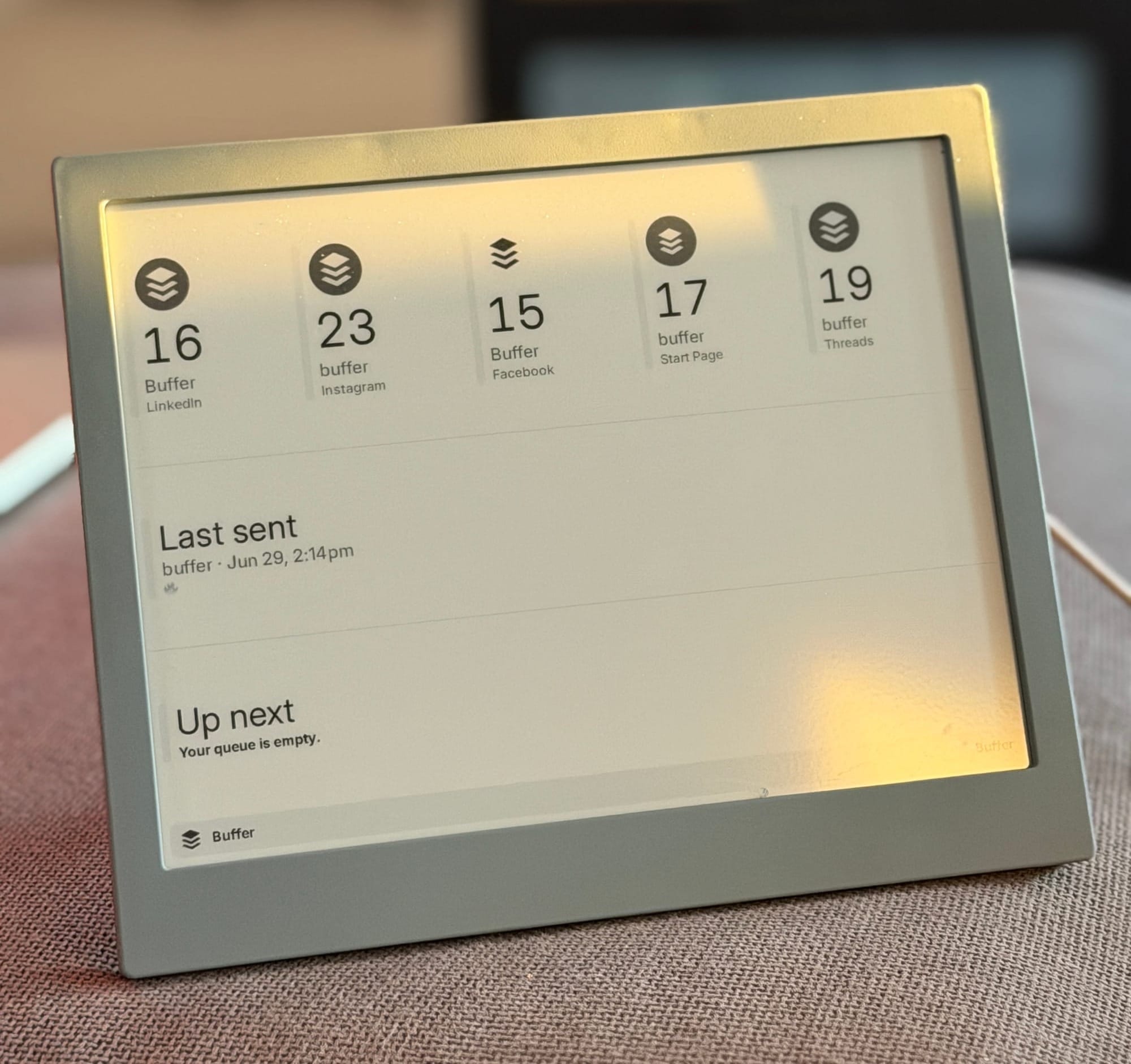
TRMNL’s product line goes beyond mere hardware; it cultivates a dynamic plugin ecosystem. Users can run a multitude of applications on their TRMNL screens, ranging from calendars and weather updates to to-do lists and hundreds of community-built plugins. This open, community-driven approach is a cornerstone of TRMNL’s success. By actively scouting and promoting user-developed plugins, TRMNL not only expands the utility of its devices but also fosters a loyal and engaged user base. The company’s hands-on support for developers, including direct collaboration to refine and enhance plugins, is a significant factor in the vibrancy of their ecosystem. This commitment to collaborative development ensured that Andy Yates’s private Buffer plugin would receive the necessary attention and refinement to meet public release standards, transforming a personal project into a polished, user-ready product.
From Personal Hack to Public Utility: The Plugin’s Journey
Andy Yates’s initial motivation for developing the Buffer plugin was a classic example of a developer scratching their own itch. Having recently acquired a TRMNL display, he was naturally exploring its capabilities and experimenting with building custom plugins. As a Buffer engineer, his professional life revolved around social media scheduling, and the idea of visualizing his Buffer queue on the calm, unobtrusive e-ink screen sparked his curiosity. He wondered how his upcoming posts and queue counts would look, offering a glanceable overview of his content schedule without needing to open a browser tab or an app. This personal exploration led to the creation of a plugin that displayed essential Buffer queue information: current queue counts, a recently sent post, or an upcoming scheduled post, all refreshed automatically.
The technical implementation of the plugin showcases modern best practices in secure application development. TRMNL’s platform provides a robust hosting environment, meaning Andy didn’t need to manage any servers or infrastructure for his plugin. This "serverless" approach significantly reduces the overhead for developers and ensures reliability. For secure access to user Buffer accounts, the plugin connects directly to Buffer’s OAuth flow using PKCE (Proof Key for Code Exchange). PKCE is a modern, secure extension to the OAuth 2.0 authorization framework, specifically designed to mitigate authorization code interception attacks, particularly in public clients like mobile apps or client-side web applications. It ensures that access tokens are granted only to the legitimate client that initiated the authorization request, thereby preventing malicious applications from hijacking access. This secure authentication method eliminates the need for users to manually copy and paste sensitive API keys, simplifying the setup process while maintaining a high level of security.
The journey from a personal hack to an official public offering was marked by significant collaboration. Ikraam from the TRMNL team worked directly with Andy, providing invaluable input and development support. This partnership led to the addition of new features and a considerable simplification of the setup flow, making the plugin more intuitive and user-friendly than its initial private version. Furthermore, Ikraam contributed the Buffer connector, incorporating the new API flow, to TRMNL’s public providers repository. This critical step means that any future developer looking to build their own Buffer plugin on the TRMNL platform will have a pre-built, robust foundation, embodying the "build once, and the next person reuses it" philosophy that is vital for nurturing a healthy open-source and plugin ecosystem. The official plugin is now available to anyone with a TRMNL device, enabling them to install it and seamlessly connect their Buffer account.
The Transformative Impact of Ambient Displays on Workflow
The integration of Buffer’s scheduling data onto an ambient e-ink display represents a subtle yet profound shift in how users interact with their content strategy. Traditionally, managing a content schedule involves an "active" process: opening the Buffer application or website, navigating to the queue, and consciously reviewing its status. This deliberate action, while necessary, can easily be deferred or forgotten amidst the myriad demands of a busy workday. The common scenario of a content creator feeling a "jolt of ‘oh no, nothing’s lined up for Thursday’" after days of neglect is a direct consequence of this active-checking paradigm.
An ambient display, however, flips this interaction model. Instead of the user actively seeking information, the information passively presents itself. The Buffer queue, with its counts and upcoming posts, is always there, calmly visible on the desk. This constant, non-intrusive presence serves as a "gentle reminder" for anyone committed to consistent content posting. If the queue starts running low, the visual cue is immediate and persistent, prompting action without demanding it. This shift from active retrieval to passive reception fosters better habits, reduces cognitive load, and helps maintain momentum in content creation.
Beyond the practical benefits, there’s a unique psychological satisfaction derived from seeing one’s digital work manifested as a physical object. The Buffer queue, typically a series of rows in a digital dashboard, gains a tangible presence on the desk. This physical representation can instill a greater sense of control, accomplishment, and connection to one’s ongoing work, transforming an abstract digital concept into a concrete, glanceable reality. This application of ambient displays extends beyond social media, holding significant implications for various productivity tools, offering a glimpse into a future where essential digital information seamlessly integrates into our physical environments, supporting focus and efficiency.
A Case Study in Developer Relations and Ecosystem Growth
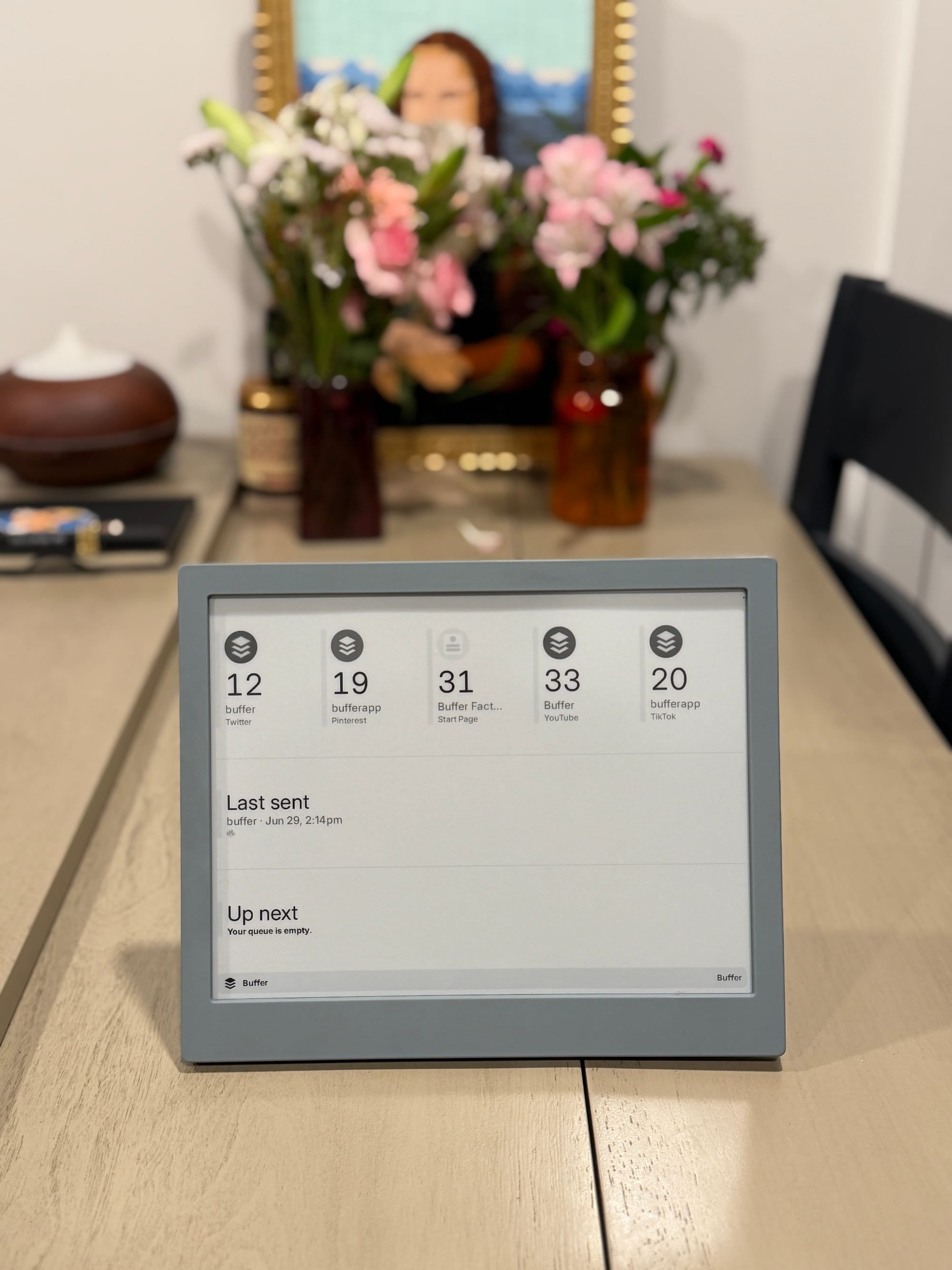
The collaborative development and public release of the Buffer-TRMNL plugin stand as an exemplary case study in effective developer relations and the power of open ecosystems. For Buffer, it serves as a powerful validation of their decision to launch a public API. It demonstrates, in a tangible and inspiring way, the immediate utility and creative potential that their API unlocks. Stories like Andy’s, where a developer organically creates a valuable integration, become powerful testimonials that attract other developers and inspire further innovation. This organic adoption and development are far more impactful than any marketing campaign, signaling to the wider developer community that Buffer’s API is robust, accessible, and supports creative endeavors.
For TRMNL, the incident underscores the strength and collaborative spirit of its plugin ecosystem. The company’s proactive approach to scouting, its willingness to directly collaborate with individual developers like Andy, and its commitment to contributing back to a shared repository (like the public providers repo) solidify its reputation as a developer-friendly platform. By contributing the Buffer connector to the public repository, TRMNL actively lowers the barrier to entry for future developers. This "build once, reuse" philosophy accelerates development, fosters a sense of community, and ensures that the platform’s functionality grows exponentially through collective effort. This symbiotic relationship between a platform provider and its developer community is a hallmark of successful tech ecosystems, driving innovation and delivering enhanced value to end-users.
Official Statements and Future Outlook
While specific quotes from Buffer or TRMNL executives were not provided in the original account, the sentiment surrounding this integration is unequivocally positive. Buffer management is understood to be delighted by this unexpected showcase of their new API’s potential, seeing it as a clear validation of their strategy to foster an open and integrated ecosystem. A spokesperson for Buffer would likely emphasize the company’s commitment to empowering developers and expanding the utility of its platform through creative integrations. They might highlight how this project exemplifies the kind of innovation they hope to see emerge from their public API, encouraging others to explore and build upon Buffer’s capabilities.
Similarly, TRMNL would undoubtedly express pride in their community and the seamless collaboration that brought the Buffer plugin to fruition. Their statements would likely underscore their dedication to supporting developers and enriching their e-ink display experience. The company would emphasize the ease of integration with their platform and the value that community contributions bring to their product line. Looking ahead, this successful collaboration could pave the way for further integrations between Buffer and TRMNL, perhaps expanding the plugin’s functionality to include more detailed analytics, direct post creation capabilities, or integration with other Buffer features. It also sets a precedent for how other productivity tools might integrate with ambient displays, hinting at a future where our digital workflows are seamlessly woven into our physical environments.
Community Engagement: The Buffer x TRMNL Giveaway
To commemorate this landmark collaboration and celebrate the launch of the Buffer-TRMNL integration, both companies have partnered to host an exciting giveaway, further cementing their commitment to community engagement. The giveaway, which runs from July 13 to July 20, offers participants the chance to win one of four TRMNL devices, along with exclusive Buffer swag bundles. This initiative serves multiple purposes: it generates excitement around the new plugin, raises awareness for both Buffer’s API and TRMNL’s innovative displays, and rewards their loyal communities.
Entering the giveaway is designed to be straightforward, requiring three simple steps detailed on Buffer’s LinkedIn post. This social media-centric approach leverages existing community channels and encourages broader participation. The winners of the giveaway are scheduled to be announced on July 27. For those who participate but do not win a TRMNL device, a valuable consolation prize awaits: TRMNL is offering a special discount code, "bufferxtrmnl," providing $10 off any device purchase. This offer is valid from July 27 through September 7, extending the opportunity for more users to experience the unique benefits of an ambient e-ink display integrated with their Buffer workflow. Full terms and conditions for both the giveaway and the discount code are transparently linked in the first comment of the giveaway post, ensuring clarity and fairness for all participants.
In conclusion, the story of Andy Yates, his private Buffer plugin, and the serendipitous encounter with TRMNL is more than just an anecdote; it’s a powerful narrative about the evolving landscape of technology. It highlights the immense potential of open APIs to foster innovation, the value of community-driven development, and the transformative impact of "calm technology" in our increasingly digital lives. This integration serves as a compelling case study for how individual initiative, combined with strategic corporate decisions and collaborative spirit, can lead to novel solutions that genuinely enhance user experience and propel technological advancement. It underscores that sometimes, the most impactful innovations emerge from the unexpected intersection of personal curiosity and professional opportunity.