Poly Hammer Releases Free Edition of Character DNA Add-on for Blender Following Epic Games Open Source Rig Logic Initiative.

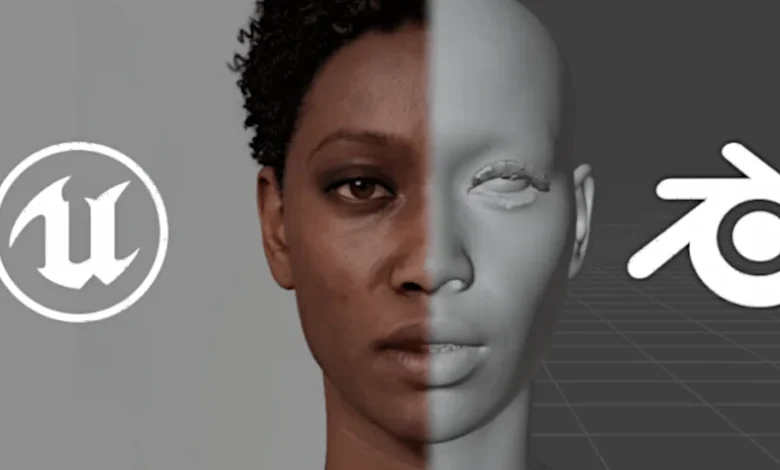
Poly Hammer, a leading developer of specialized tools for 3D content creation, has announced that the core edition of its acclaimed Character DNA add-on for Blender is now available free of charge. This strategic shift follows a significant policy change from Epic Games regarding the open-sourcing of its MetaHuman Rig Logic library, a move that has fundamentally altered the landscape of digital human creation and interoperability between software suites. The Character DNA add-on serves as a critical bridge, allowing artists to import, modify, and export Unreal Engine MetaHuman data directly within the Blender environment, effectively streamlining a workflow that was previously fraught with technical hurdles.
The transition of the base edition to a free model represents a milestone for the Blender community, which has long sought more robust integration with Epic Games’ high-fidelity character system. By removing the financial barrier to entry for the core toolset, Poly Hammer is positioning itself at the center of a growing ecosystem of cross-platform character development. The tool allows for the seamless transfer of .dna files—the proprietary format that stores the rig and shape data for MetaHumans—enabling high-level customization that was once restricted to Unreal Engine’s internal editors or expensive proprietary pipelines.
The Evolution of the MetaHuman Ecosystem and Character DNA
The journey toward this release began with the initial launch of the tool, then known as the Meta-Human DNA add-on for Blender, in early 2025. At that time, the integration of MetaHumans into non-Unreal environments was a complex process governed by strict licensing and technical limitations. The original version of the add-on required users to navigate a difficult installation process, often involving the manual building of software components due to the proprietary nature of the underlying RigLogic libraries.
However, the landscape changed dramatically in mid-2025 when Epic Games revised its licensing conditions. For the first time, Epic permitted the use of MetaHuman characters in competing engines such as Unity and Godot, provided certain conditions were met. This relaxation of the "walled garden" approach set the stage for third-party developers like Poly Hammer to expand their offerings.
The catalyst for the current free release of Character DNA was the launch of the MetaHuman DevKit and the decision by Epic Games to open-source the MetaHuman Rig Logic library. RigLogic is the runtime evaluation system that drives the complex facial performances of MetaHumans. By open-sourcing this library under a permissive license, Epic enabled Poly Hammer to include a pre-compiled version of the logic within the Blender add-on. This technical advancement eliminated the need for users to compile the software themselves, making the tool accessible to a much broader demographic of artists and indie developers who may lack deep technical programming knowledge.
Technical Capabilities and Workflow Integration
Character DNA provides a comprehensive suite of features designed to maintain the integrity of the MetaHuman framework while leveraging Blender’s powerful modeling and animation toolset. The free edition enables users to perform several core tasks that are essential for character look development and animation.
At the heart of the add-on is the ability to import .dna files directly into Blender. Once imported, the MetaHuman’s skeletal structure and facial rig are reconstructed within the Blender viewport. This allows artists to use Blender’s native sculpting and vertex editing tools to modify the character’s proportions, facial features, or specific mesh details. Following these modifications, the add-on can bake the changes back into the .dna file format, which can then be re-imported into Unreal Engine 5.
Furthermore, the add-on supports the import of animations created with MetaHuman Animator. This is particularly significant for studios utilizing performance capture, as it allows for the refinement of facial performances using Blender’s graph editor and non-linear animation (NLA) tools. The ability to "round-trip" this data—moving from Unreal to Blender and back again—ensures that the high-fidelity rigging logic remains intact throughout the creative process.
Feature Comparison: Free vs. Pro Editions
While the core functionality is now free, Poly Hammer continues to offer a "Pro" edition of Character DNA for professional studios and advanced users requiring more granular control. The free edition includes the essential features for importing, animating, baking data, and exporting scene data to a MetaHuman’s DNA. This is sufficient for most independent creators and hobbyists who need to customize the appearance or performance of their characters.
The Pro edition, currently priced at $79 for an individual perpetual license, includes advanced features such as the recently introduced RBF (Radial Basis Function) Editor. The RBF Editor is a sophisticated tool used to define complex corrective shapes and bone drivers, which are crucial for achieving realistic muscle deformation and skin sliding during extreme character poses.
Additionally, Poly Hammer maintains a separate commercial product known as the Character Control Rig add-on. While Character DNA focuses on the underlying DNA data and mesh-to-rig logic, the Control Rig add-on generates a comprehensive, animator-friendly rig within Blender, specifically tailored for the MetaHuman bone structure. This separation of products allows users to pay only for the specific level of control their project demands.
Chronology of Development and Key Milestones
The timeline of MetaHuman integration in Blender reflects the broader trend toward open standards in the VFX and gaming industries:
- February 2021: Epic Games launches MetaHuman Creator in Early Access, revolutionizing high-fidelity character creation but keeping the characters strictly within the Unreal Engine ecosystem.
- March 2025: Poly Hammer releases the initial "Meta-Human DNA add-on for Blender," providing the first viable path for DNA editing in Blender, though installation remains technical and manual.
- June 2025: Epic Games updates its EULA, allowing MetaHumans to be used in other engines and exported to external DCC (Digital Content Creation) tools more freely.
- March 2026: Poly Hammer introduces the RBF Editor to the Pro version, significantly enhancing the tool’s utility for high-end character rigging.
- July 2026: Epic Games open-sources the RigLogic library as part of the MetaHuman DevKit.
- July 17, 2026: Poly Hammer rebrands the tool as "Character DNA" and releases the core edition for free, including pre-compiled RigLogic binaries for ease of use.
System Requirements and Licensing
Character DNA is designed to work with the latest iterations of the 3D industry’s standard software. It is compatible with Blender version 4.5 and higher. Given the cross-platform nature of Blender, the add-on supports Windows, Linux, and macOS (including Apple Silicon). On the Unreal Engine side, the add-on is optimized for .dna files generated in Unreal Engine 5.6 and subsequent versions.
The free core edition of the add-on is released under the GPLv3 license, adhering to the open-source philosophy of Blender itself. This ensures that the community can contribute to its development and that the tool remains accessible. To download the free version, users are required to register for an account on the Poly Hammer website, a move the company states is necessary to provide updates and documentation access.
Industry Impact and Broader Implications
The release of a free, high-quality bridge between Blender and MetaHuman technology has profound implications for the digital content creation industry. For years, the "high-end" of character creation was the domain of large studios with proprietary pipelines. By democratizing access to DNA-level editing, Poly Hammer and Epic Games are lowering the floor for what small teams can achieve.
Indie game developers stand to benefit the most. The ability to customize MetaHumans in Blender—a free and open-source tool—means that small teams can create unique-looking protagonists and NPCs without the "uncanny valley" or "template look" often associated with stock MetaHuman assets. This level of customization is vital for branding and artistic identity in a crowded gaming market.
Moreover, this development signals a shift in the relationship between major engine developers and open-source communities. Epic Games’ decision to open-source RigLogic suggests a realization that the growth of the Unreal ecosystem is tied to the flexibility of its assets. When assets are easier to use across different programs, they become more valuable to the creator, ultimately driving more users toward the Unreal ecosystem for final rendering and deployment.
For Blender, the availability of Character DNA reinforces its position as a world-class environment for character animation and rigging. As more professional-grade tools move to Blender, the software continues to shed its "hobbyist" reputation, proving its worth in professional pipelines alongside industry stalwarts like Autodesk Maya and Houdini.
Future Outlook
As the 3D industry moves further toward Universal Scene Description (OpenUSD) and other interoperable standards, tools like Character DNA represent the current "state of the art" in manual bridging. Analysts expect that future updates to the MetaHuman framework will focus on even tighter integration with cloud-based collaboration and AI-driven animation, making tools that can handle DNA data even more essential.
Poly Hammer has indicated that it will continue to update the Pro edition with cutting-edge features while maintaining the free edition to support the wider community. As digital humans become more prevalent in everything from cinematic VFX to virtual influencers and the metaverse, the ability to manipulate the "DNA" of these characters in a free, accessible environment like Blender is likely to become a standard requirement for the next generation of 3D artists.