Following an unprecedented international festival run that solidified its status as a contemporary masterpiece of stop-motion animation, Nina Gantz’s Wander to Wonder has officially transitioned to a global online release. The short film, which has spent the better part of the last two years collecting some of the most prestigious accolades in the cinematic world, is now accessible to the public, offering a wider audience the opportunity to experience its haunting blend of nostalgia, dark comedy, and existential horror. This digital debut follows a trajectory that saw the film selected for 188 festivals and honored with 49 distinct awards, including a BAFTA, a British Independent Film Award (BIFA), an Annie Award, and a nomination for the Academy Award for Best Animated Short Film.
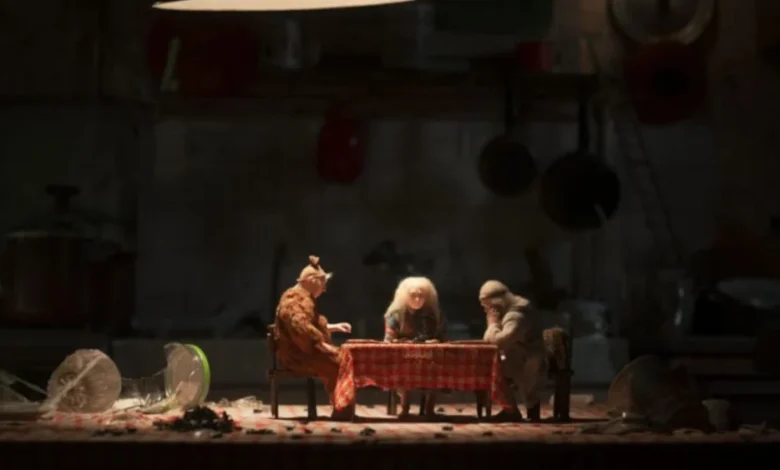
Wander to Wonder presents a surreal and deeply unsettling narrative centered on three miniature human actors—Mary, Billybud, and Fumbleton. These characters were once the stars of a popular 1980s-era children’s television series, filmed in a secluded studio under the direction of a benevolent but enigmatic creator. The film’s premise begins at the end of an era: the show’s creator has passed away, leaving the trio alone in the cavernous, silent studio. Despite the absence of their director and the cessation of the show’s broadcast, the actors continue to perform. They engage in a cycle of producing increasingly bizarre and macabre episodes for an audience that may no longer exist, even as their physical environment—and their own bodies—begin to succumb to the ravages of time and neglect.
A Narrative of Decay and Devotion
The thematic core of Wander to Wonder lies in its exploration of grief, the persistence of routine, and the terrifying vacuum left by the "death of the author." Mary, Billybud, and Fumbleton are not merely puppets in the literal sense; they are portrayed as living, breathing miniature entities whose entire purpose is tied to the television format. When the guiding hand of their creator is removed, their devotion to their "father" figure manifests as a desperate, ritualistic continuation of their roles.
As the film progresses, the bright, saturated colors of the 1980s set design begin to clash with the grim reality of the characters’ situation. Their costumes, once vibrant and whimsical, begin to fray and rot. The food supplies in the studio dwindle, leading to sequences of starvation that are handled with a disturbing mix of humor and pathos. Gantz utilizes the inherent "uncanny valley" of stop-motion to emphasize the characters’ isolation. The increasingly strange episodes they film serve as a psychological descent, moving from innocent educational segments to grotesque displays of survival and mourning.
Technical Mastery in Stop-Motion Animation
One of the most discussed aspects of Wander to Wonder among industry professionals is its technical execution. Nina Gantz, known for her previous success with the multi-award-winning short Edmond, has pushed the boundaries of the medium here. The film’s craftsmanship is highlighted by its meticulous attention to detail, particularly in the tactile nature of the puppets and the set.
Critics and animators have specifically pointed to a scene involving a puppet licking the inside of a glass jar as a pinnacle of stop-motion artistry. This sequence requires an extraordinary level of precision in timing and the manipulation of materials to simulate the physics of moisture and suction against glass—a task notoriously difficult in frame-by-frame animation. The fluidity of the movement, combined with the detailed textures of the puppets’ skin and clothing, creates a visceral experience that bridges the gap between the artificial and the biological.
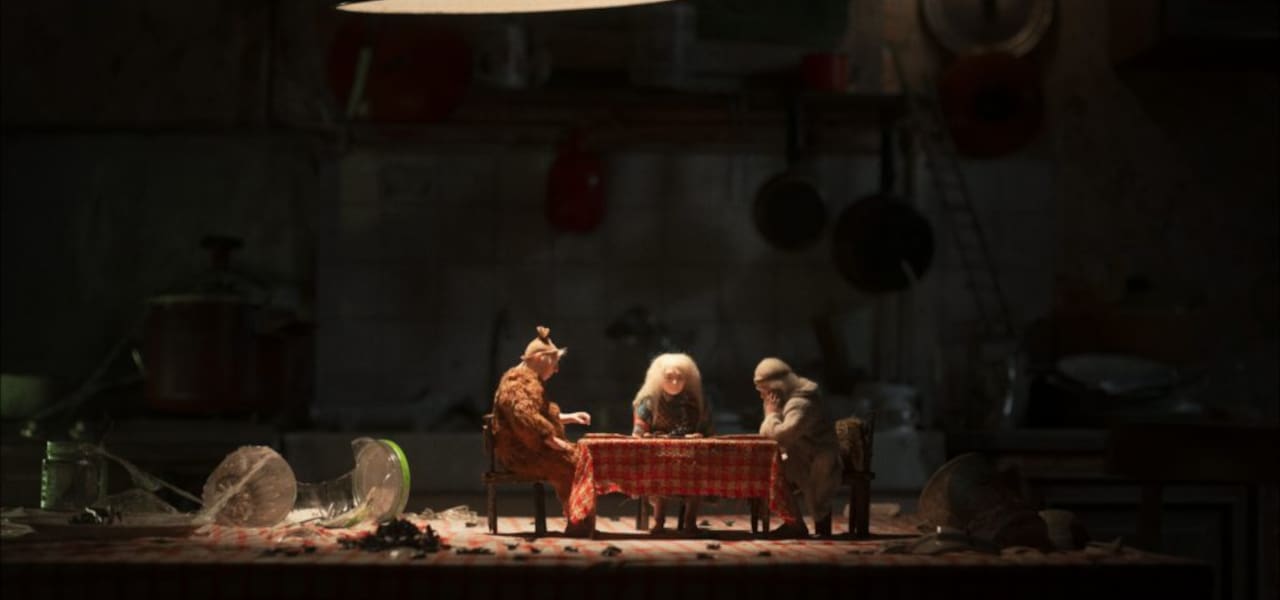
The production of Wander to Wonder was a collaborative European effort, involving studios and talent from the Netherlands, Belgium, and France. The film’s aesthetic draws heavily from the "analog horror" subgenre, evoking the specific visual quality of VHS-era children’s programming. By using traditional stop-motion techniques rather than modern computer-generated imagery, Gantz captures a sense of physical presence that enhances the film’s themes of physical decay and material loss.
Chronology of a Global Success
The journey of Wander to Wonder from production to online release is a testament to the enduring appeal of high-concept adult animation. The film made its world premiere at the 80th Venice International Film Festival, where it immediately garnered critical acclaim for its unique tone and visual style. Its selection at Venice marked it as a frontrunner for the year’s major animation prizes.
Following its premiere, the film embarked on an exhaustive circuit:
- Venice International Film Festival (Premiere): Established the film as a major contender in the short film category.
- SXSW (South by Southwest): Won the Grand Jury Award for Animated Short, a key qualifying win for Academy Award consideration.
- British Independent Film Awards (BIFA): Secured the award for Best British Short Film, highlighting Gantz’s influence in the UK animation scene.
- BAFTA Awards: Won the British Short Animation category, further cementing its status as the year’s definitive animated short.
- Annie Awards: Recognized by the International Animated Film Association (ASIFA-Hollywood) for outstanding achievement in the short film category.
- Academy Awards: Received a nomination for Best Animated Short Film, representing the pinnacle of its critical recognition.
Throughout this period, the film was screened 188 times across various continents, from specialized animation festivals like Annecy to major general-interest festivals. The 49 awards it collected represent one of the highest "win-to-selection" ratios for a short film in recent years.
Industry Implications and the Resurgence of Adult Stop-Motion
The success of Wander to Wonder occurs during a broader resurgence of interest in stop-motion animation targeted at mature audiences. While the medium was once almost exclusively associated with children’s content or seasonal specials, filmmakers like Nina Gantz, Guillermo del Toro, and Wes Anderson have helped shift public perception.
Industry analysts suggest that the appeal of Wander to Wonder lies in its ability to use a "childhood" medium to explore adult anxieties. The "children’s show gone wrong" trope has become a significant cultural touchstone, seen in other popular works like Don’t Hug Me I’m Scared. However, Gantz’s work distinguishes itself through its emotional depth. Rather than relying solely on "shock" or "creepypasta" elements, the film grounds its horror in the very real human experiences of abandonment and the loss of a caretaker.
The online release of the film is expected to trigger a new wave of discourse regarding the preservation of media and the psychological impact of nostalgia. By placing the film on digital platforms, the producers are ensuring that the story of Mary, Billybud, and Fumbleton—characters who were terrified of being forgotten—will reach a permanent, global audience.
.png)
Production Background and Director’s Vision
Nina Gantz has established herself as a filmmaker who specializes in the "grotesque-yet-lovable." Her style often features characters with exaggerated features and a heavy emphasis on the physical materials from which they are constructed. In interviews during the festival circuit, Gantz often noted that the inspiration for Wander to Wonder came from a fascination with the behind-the-scenes reality of old television sets—the idea that when the lights go out, the world created for the camera remains in a state of suspended animation.
The film was produced by BlinkInk (UK), in co-production with Circe Films (Netherlands), Beast Animation (Belgium), and Lumière (France). This international backing allowed for a high production value rarely seen in independent short films. The sound design also plays a crucial role, utilizing a sparse, atmospheric score that emphasizes the hollow echoes of the studio, contrasting with the upbeat, tinny theme songs of the fictional 1980s show.
Broader Cultural Impact
As Wander to Wonder becomes available for streaming and digital purchase, its impact is likely to be felt beyond the animation community. The film serves as a commentary on the "content" era, where the act of production continues even when the purpose is lost. The trio of actors, stuck in a loop of performance for an empty room, reflects contemporary concerns about the circular nature of digital media and the isolation of the creator.
The film’s digital release marks the final chapter of its initial life cycle, moving from the exclusive halls of international festivals to the laptops and televisions of the general public. For an industry that is increasingly looking toward unique, auteur-driven voices, Nina Gantz’s achievement with Wander to Wonder provides a blueprint for how traditional animation techniques can be used to tell complex, modern stories that resonate across cultural and linguistic barriers.
The availability of Wander to Wonder online ensures that its technical innovations and narrative bravery will continue to be studied by aspiring animators and film students for years to come. In a landscape often dominated by rapid-fire digital content, Gantz’s film stands as a reminder of the power of the frame-by-frame, hand-crafted image.