The Unprecedented Shift: Navigating Brand Reputation in the Real-Time Social Media Ecosystem

The traditional news cycle has been effectively replaced by real-time updates breaking on social platforms, fundamentally altering how information spreads and how brands are perceived. According to insights from a Q1 2026 Pulse Survey, social media is now the primary destination for individuals seeking news and information. Headlines no longer originate solely from established news outlets but can surface anywhere from viral short-form videos on TikTok to breaking political discussions on X, professional commentary on LinkedIn, or niche community discussions on Reddit. This fragmentation and acceleration of information flow present both unprecedented challenges and opportunities for brands striving to maintain a positive public image and engage effectively with their audiences.
The Digital Revolution and the New Information Landscape
The advent of the internet, followed by the widespread adoption of smartphones and the proliferation of social media platforms, has catalyzed a profound shift in the global information landscape. In the early 2000s, news consumption was largely a top-down affair, dictated by major broadcasters and print publications. The rise of Web 2.0, however, empowered individuals to become content creators and distributors, ushering in a "many-to-many" communication model. This evolution accelerated dramatically in the 2010s, as platforms like Facebook, Twitter (now X), Instagram, and later TikTok, became dominant forces, not just for social connection but also for immediate news dissemination and public discourse.
This transformation has created a hyper-connected environment where conversations about brands, products, services, and even executives are happening across myriad platforms simultaneously. These discussions are often interconnected, with a viral video on one platform sparking a debate on another, which then might be picked up by traditional news outlets, only to be amplified back across social networks. Brands are now mentioned in more places, by more diverse voices, and at a faster volume than ever before. This constant, high-volume chatter, often referred to as "digital noise," necessitates a sophisticated approach to understanding and managing brand perception.
The Strategic Imperative of Cross-Network Brand Monitoring
In an era where public perception can shift dramatically within minutes, simply tracking direct mentions or monitoring traditional press coverage is no longer sufficient. It has become critically important for organizations to implement a comprehensive, proactive monitoring and listening strategy. This strategy must provide a holistic understanding of what is being said about the brand, where these conversations are occurring, and, crucially, whether immediate action is required. Without such a unified approach, businesses face significant risks: missing valuable customer feedback that could drive innovation, or being caught off-guard by a nascent public relations crisis that has already gained significant momentum by the time it comes to their attention.
Cross-network brand monitoring is defined as the systematic practice of tracking, aggregating, and analyzing mentions of a brand, its products, services, and key executives across multiple digital platforms concurrently. This methodology involves synthesizing data from a vast array of online sources, including major social networks, specialized discussion forums, consumer review sites, independent blogs, and digital news publications, into a single, cohesive view. It typically leverages a combination of social listening and media monitoring software designed to scan the internet for targeted keywords, specific mentions, relevant phrases, and trending hashtags. The core value of unifying this disparate data lies in its ability to transform fragmented online chatter into actionable data points that an organization can leverage for various strategic purposes, from enhancing customer care and driving product improvements to developing robust social media crisis management plans.
Evolution of Brand Intelligence: From Reactive Dashboards to Proactive Agents
The journey of brand monitoring has evolved significantly. Historically, marketing and PR teams relied on manual methods, such as scanning newspapers and magazines for mentions, followed by the early digital age’s reactive dashboards. These dashboards required human intervention – logging in, interpreting charts, and then deciding if a data point warranted action. This manual process introduced inherent delays and left considerable room for human error or oversight, often leading to insights being gleaned weeks or even months after significant shifts had occurred. Such a retrospective approach is fundamentally inadequate for the demands of modern brand management.
To effectively safeguard and elevate a brand in today’s dynamic information ecosystem, a more advanced, autonomous layer of monitoring is required: agentic monitoring. Unlike passive dashboards, agentic monitoring operates continuously, scanning identified networks in real-time. This eliminates the delay and human error associated with manual checks. Paul Quigley, GM of Listening at Sprout Social, underscores this paradigm shift, stating, "the era of logging into dashboards to check things is over. Now 94% of NewsWhip data is consumed off platform – pushed to teams by monitoring agents, predictive alerts and other formats, and landing into the right inboxes, Teams channels and Slack groups." This highlights a clear industry trend towards automated, push-based intelligence.
Establishing a Unified Foundation for Cross-Network Monitoring
Building a robust cross-network brand monitoring program requires a unified data foundation. Attempting to monitor the entire internet without a clear strategy and defined goals inevitably leads to missed information and disjointed insights that lack actionable value. Successful monitoring, therefore, necessitates two critical phases: comprehensively mapping relevant digital channels and meticulously categorizing strategic tracking objectives.
Centralizing Network Monitoring
The initial step involves gaining a comprehensive understanding of every digital network that holds relevance for your brand. The specific pillars of this network map will naturally depend on your target audience, industry, and what precise information you aim to track. This comprehensive list could include a combination of:

- Social Media Platforms: Dominant networks like X, Facebook, Instagram, TikTok, LinkedIn, Pinterest, and emerging platforms relevant to specific demographics.
- Discussion Forums and Community Sites: Platforms like Reddit, Quora, industry-specific forums, and niche online communities where your audience gathers to discuss topics.
- Consumer Review Websites: Sites such as Yelp, Google Reviews, TripAdvisor, Amazon reviews, and industry-specific review platforms (e.g., G2, Capterra for software).
- Blogs and Vlogs: Independent blogs, corporate blogs, and video blogs where opinions, reviews, and industry commentary are published.
- Digital News and Media Aggregators: Online versions of traditional news outlets, news aggregators, and industry news sites.
- Podcast Mentions: Monitoring transcripts or summaries for mentions of your brand or relevant topics.
Once these relevant sources are identified, the next crucial step is to aggregate these disparate data streams into a single, centralized dashboard. This centralization is vital for eliminating organizational silos, ensuring that all relevant departments operate from the same source of truth. This, in turn, facilitates the development of a unified strategy across social media management, customer care, and public relations. Such integrated social intelligence can even extend its influence beyond the marketing organization, reaching product development teams with user feedback, and informing C-suite executives on broader business-wide decisions and market sentiment.
Setting Strategic Tracking Objectives
Data, no matter how vast or granular, is only as useful as the goals it serves. Once the monitoring foundation is established and channels are mapped, the next phase involves setting clear, strategic targets. This requires defining specific measures that can be benchmarked, tracked over time, and used to evaluate performance and inform decision-making.
While specific brand needs will vary, common examples of strategic tracking objectives include:
- Brand Sentiment Analysis: Measuring the overall emotional tone (positive, negative, neutral) associated with your brand across various platforms. This can track shifts in public perception and identify potential reputational risks or opportunities.
- Share of Voice (SOV): Comparing the volume of mentions for your brand against those of your competitors within your industry. This provides insight into market presence and brand awareness relative to the competition.
- Emerging Trends and Topics: Identifying new discussions, cultural shifts, or industry trends that could impact your brand, offering opportunities for timely content creation or product innovation.
- Competitive Intelligence: Monitoring competitor activities, product launches, marketing campaigns, and customer feedback to gain a strategic edge.
- Crisis Detection and Management: Identifying sudden spikes in negative sentiment, misinformation, or critical discussions that could escalate into a PR crisis, enabling rapid response.
- Customer Feedback and Product Insights: Aggregating direct and indirect customer feedback, feature requests, bug reports, and pain points to inform product development and service improvements.
- Influencer Identification: Discovering key opinion leaders and influential voices discussing your brand or industry, offering opportunities for partnerships.
Once the "what" to track has been mapped and the "why" (strategic goals) has been set, the primary challenge shifts to processing a potentially massive influx of data efficiently without losing the critical ability to quickly act on the insights it contains.
Leveraging Artificial Intelligence for Agentic Monitoring
The sheer volume and velocity of online data make manual analysis increasingly impractical. This is where artificial intelligence (AI) agents become indispensable, transforming monitoring from a reactive chore into a proactive strategic asset. AI agents are deeply integrated with an organization’s strategic goals and objectives, enabling them to understand the context required to interpret shifts in data accurately.
These agents operate around the clock, continuously pulling in every data point that corresponds to defined monitoring goals. Crucially, they go beyond simple keyword volume. Advanced AI agents, such as Sprout Social’s proprietary AI agent, Trellis, analyze deeper metrics like engagement, resonance, and sentiment, revealing not just what is being said but how it is impacting the audience and why it matters. This allows organizations to detect early narrative shifts, sudden volume spikes, and critical sentiment drops with unparalleled speed.
When specific, pre-defined thresholds are met (e.g., a 20% increase in negative mentions within an hour, or a new topic gaining traction rapidly), these AI agents automatically trigger instant email or chat notifications. This "always-on analyst" approach frees marketing, PR, and customer service teams from the laborious task of dashboard triage, allowing them to focus entirely on judgment-dependent tasks, such as crafting nuanced crisis communication plans, refining brand messaging, or engaging directly with customers. By automating the heavy lift of data collection and synthesis, organizations can significantly increase their bandwidth for strategic thinking and responsive action.
Trellis in Action: Extracting Business Answers from Data
While automated alerts are crucial, the ability to interrogate the data in real-time is equally vital for analysts and social media managers. Sprout Social’s Trellis serves as a sophisticated conversational layer, seamlessly connecting data across an organization’s publishing, listening, reporting, and smart inbox functionalities. This eliminates the need to manually piece together insights from various corners of the digital ecosystem, providing a unified and comprehensive view.
Teams can leverage natural language prompts to query billions of social data points, receiving immediate, contextual answers. For instance, a user might ask: "What were the primary drivers behind yesterday’s sentiment drop on Reddit regarding our latest product update?" or "Summarize our competitors’ product flaws based on this week’s reviews and identify common themes." Trellis processes these complex queries, sifting through vast amounts of data to deliver precise, actionable insights.
This capability empowers teams to move beyond raw data, converting fragmented digital signals into executive-ready recommendations and actionable strategies. The operative word here is "action." Trellis helps bridge the gap between mere insight and tangible impact, enabling organizations to respond strategically and effectively. To truly capitalize on these insights, however, robust internal pathways for data escalation must also be established.
Building Pathways for Data Escalation: From Insight to Impact
Even the most sophisticated monitoring system falls short if valuable data remains trapped within individual marketing or PR departments. Building customized intelligence pathways is essential for breaking down internal silos and ensuring that specific, relevant insights reach the right teams promptly. This proactive approach ensures that information is not only gathered but also acted upon across the entire organization.
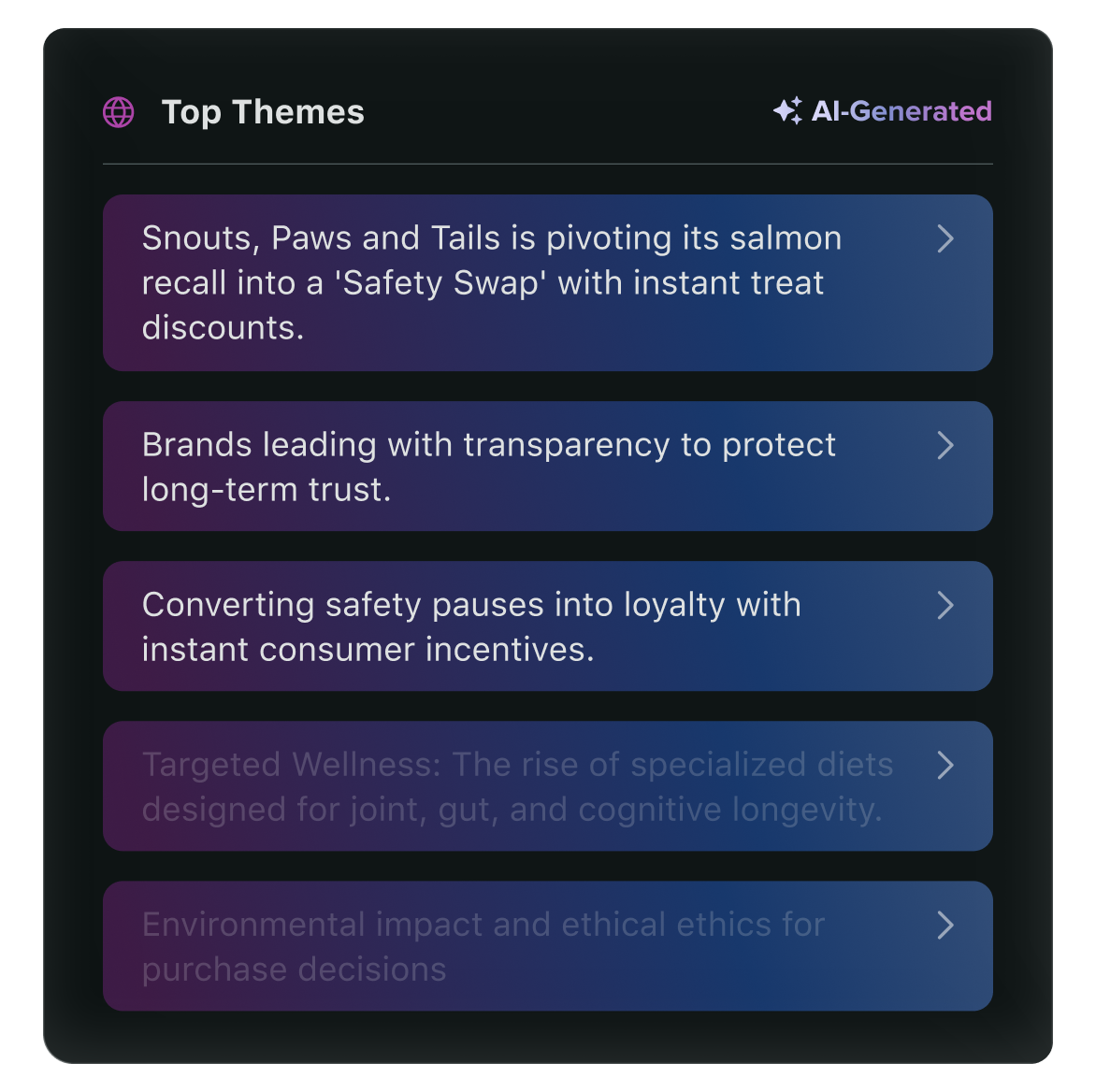
For example, real-time data could automatically funnel recurring software bugs or feature requests directly to product and engineering teams, enabling agile development cycles informed by user needs. High-priority customer complaints or service issues can be immediately escalated to the customer care team, facilitating rapid resolution and improving customer satisfaction. Similarly, significant sentiment drops or the emergence of critical narratives can be flagged instantly with the communications and public relations teams, allowing for swift and coordinated crisis response.
Automated workflows are instrumental in streamlining this data escalation process. However, it is crucial to implement clear guardrails and compliance protocols. By setting strict parameters around what constitutes an escalation, when it should occur, and to whom it should be directed, organizations can scale their proactive monitoring efforts without risking brand misalignment, unnecessary concerns, or information overload for internal teams. This ensures that only truly critical and actionable insights trigger alerts, maintaining efficiency and focus.
The Broader Implications: Safeguarding and Elevating Brand Value
A comprehensive, cross-network monitoring strategy with a unified foundation, enhanced by proactive, AI-driven insights and clear escalation pathways, offers profound implications for an organization’s overall success and resilience.
- Enhanced Reputation Management: Proactive detection of potential crises, misinformation, or negative sentiment allows brands to intervene early, control narratives, and mitigate damage before issues escalate.
- Superior Customer Experience: By capturing and acting on customer feedback in real-time, brands can address pain points swiftly, personalize interactions, and foster greater loyalty.
- Agile Product Development: Direct user feedback and insights into unmet needs or emerging trends can significantly inform and accelerate product innovation and refinement.
- Strategic Competitive Intelligence: Continuous monitoring of competitors’ activities, market perception, and customer sentiment provides a crucial competitive edge, enabling informed strategic adjustments.
- Optimized Marketing and Communication: Understanding audience sentiment and emerging trends allows for the creation of more resonant and effective marketing campaigns and communication strategies.
- Effective Risk Mitigation: By systematically identifying and addressing potential vulnerabilities, brands can significantly reduce their exposure to various risks, from operational failures to reputational damage.
The transition from traditional, dashboard-centric monitoring to always-on, agentic systems represents more than just a technological upgrade; it signifies a fundamental shift in how businesses generate and leverage immediate business intelligence. This transformation empowers organizations to not only react to the digital landscape but to proactively shape it, driving forward strategic objectives and securing a competitive advantage in an increasingly complex and fast-paced world.
Conclusion: Transforming Digital Noise into a Strategic Advantage
Successfully scaling and growing a brand in the contemporary digital environment mandates a robust cross-network monitoring strategy built upon a unified data foundation. This foundational strength is then powerfully enhanced by the integration of proactive, AI-driven insights and meticulously designed internal escalation pathways. The paradigm shift from merely observing retrospective dashboards to deploying always-on, agentic monitoring systems unlocks an unparalleled level of immediate, actionable business intelligence, positioning organizations to not just survive but thrive amidst the continuous flow of online information. By embracing this advanced approach, businesses can convert what once seemed like overwhelming digital noise into a distinct strategic advantage, fostering stronger brand loyalty, driving innovation, and effectively navigating the complexities of modern public perception.
Ready to transform your organization’s cross-network monitoring strategy? Discover how Sprout Social and our proprietary AI agent, Trellis, can unify your data ecosystem, automate your workflows, and deliver executive-ready insights in real time.
FAQs
What are the best tools for cross-network brand monitoring?
The most effective tools for cross-network brand monitoring are those that unify web, forum, review, and social data into a single, intuitive dashboard, crucially featuring a built-in agentic monitoring strategy. Leading examples include comprehensive platforms like Sprout Social Listening and its integrated NewsWhip capabilities, which offer advanced AI-driven insights and real-time alerts.
How does brand monitoring differ from social listening?
While often used interchangeably, brand monitoring and social listening focus on different analytical scales and objectives. Brand monitoring is primarily focused on direct tracking: it systematically gathers mentions, reviews, and comments specifically about your brand, products, services, and executives. Its main goals are often customer care, reputation management, and immediate PR crisis detection and response. In contrast, social listening adopts a more macro approach, focusing on broad analysis. It aggregates cross-network conversations around entire industries, competitor trends, overarching cultural shifts, and general topics of interest. The insights derived from social listening are typically used to guide long-term corporate strategy, identify market opportunities, inform product innovation, and understand broader consumer sentiment.
What keywords should I track for my brand?
To achieve a comprehensive view of your brand’s online footprint, it is recommended to categorize your tracking keywords strategically. These categories should include: your core brand name (including misspellings and common abbreviations), specific product and feature names, the names of key executives and spokespeople, the names of your primary competitors and their offerings, and relevant industry topics or hashtags of interest to your target audience. A robust keyword strategy also includes monitoring branded hashtags, campaign-specific terms, and even relevant negative terms to catch potential issues early.